
From Inquiry to Delivery
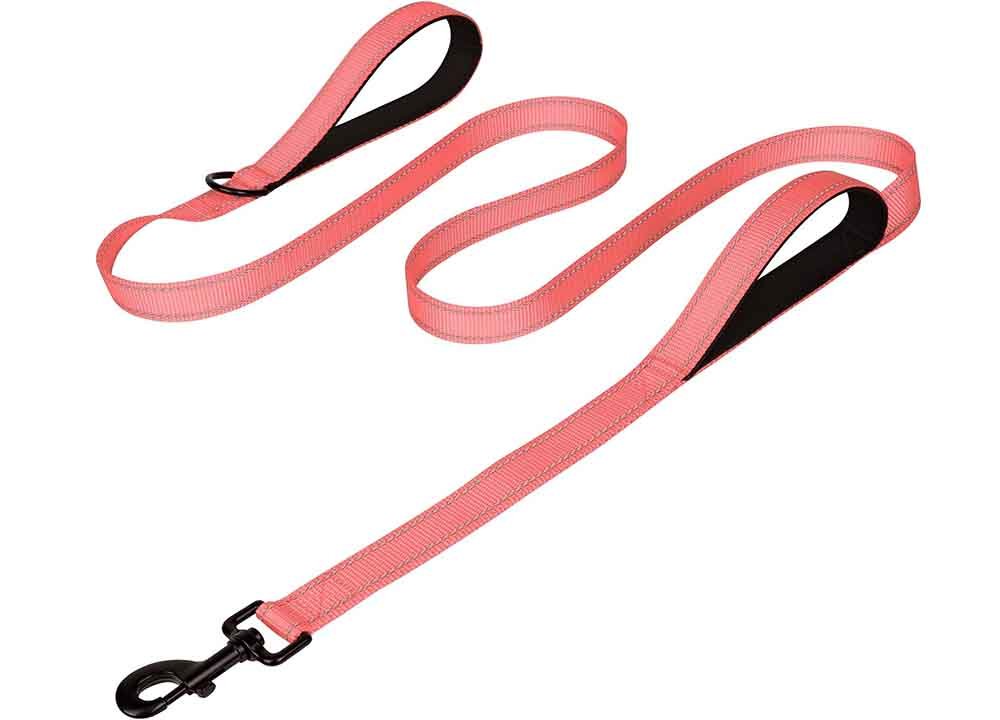
Have you ever taken your furry friend out for a walk only to realize the leash smells worse than last week’s leftovers? Dirty leashes not only look unattractive but can harbor bacteria that irritate your pup’s skin and even weaken the webbing over time. Regular cleaning of your webbing leash removes grime, bacteria, and odors—protecting pet and owner alike. Whether it’s daily muddy hikes or weekly strolls, giving your leash a good wash keeps it in top shape. Speaking of shape, remember that time Buddy refused to budge until you tossed his stinky leash in the laundry? That’s our cue to dive in and discover all the best ways to clean and maintain a webbing dog leash without losing its strength or color. Read on to learn how to keep your leash fresh, hygienic, and rock-solid strong.
Cleaning your webbing dog leash regularly eliminates dirt, bacteria, and unpleasant odors, ensuring both you and your pup stay healthy. Leashes used on muddy trails might need weekly washes, while city leashes can last a month between cleanings. Look for signs like visible grime, a sweaty smell, or frayed edges to know when it’s time to give your leash some TLC.
Nobody likes walking a grimy leash—especially not your pup. Over time, debris like dirt, mud, puddle scum, and even dog drool can accumulate on the webbing, creating a breeding ground for bacteria and yeast. Let’s break down why giving your leash a proper cleaning isn’t just about keeping it looking nice; it’s about safety, hygiene, and longevity.
Every time your dog sniffs a fire hydrant or plods through a puddle, their leash picks up microbes. Without regular cleaning, bacteria and yeast multiply quickly, leading to potential skin irritations or infections. If your dog’s been scratching along the neckline, it might actually be the leash rubbing against bacteria running rampant on the fibers. Especially if your dog has allergies or sensitive skin, a dirty leash can worsen itchiness.
Webbing is strong, yes—but foreign particles lodged between the fibers can abrade and fray the material over time. Think of sandpaper rubbing against something delicate: eventually you’ll wear it thin. If bits of gravel, sand, or even tiny metal fragments have wedged into the weave, unnoticed, they’ll weaken the structure piece by piece until you risk a broken leash in a moment you least expect. That’s why a good scrub helps maintain the tensile strength of the webbing.
A dingy leash covered in mud splatters doesn’t make for a great first impression. If you’re walking in public spaces—dog parks, sidewalks, or pet-friendly cafes—you want your gear to look as good as your pup. At the same time, metal clips and buckles can rust if left damp or covered in grime. A proper wash prevents rust buildup so clips stay functional and easy to adjust.
Last summer, I took my Labrador, Luna, on an early morning mountain hike. We splashed through streams, climbed rocky paths, and at the end of the day, the leash smelled so foul it seemed radioactive. She refused to walk before I soaked it, thinking I’d lost my mind. That moment reminded me: no matter how muddy and fun the adventure, a dirty leash hurts more than just our noses. To avoid that standoff at the trailhead, let’s get serious about cleaning frequency.
“How often do you clean a dog’s leash?” depends on both usage and environment. For daily hikes in muddy or wet settings, aim for weekly washes. If you’re doing mostly city sidewalk walks, a monthly cleaning usually suffices. Always inspect for signs like visible dirt, fraying, or odor; when in doubt, give it a wash to stay on the safe side.
Below is a general guideline table you can reference to decide on a cleaning schedule:
| Activity Type | Material | Suggested Cleaning Frequency | Signs It’s Time to Wash |
|---|---|---|---|
| Daily muddy/wet hikes | Nylon, Polyester | Once a week | Visible mud clumps, strong smell |
| Urban/city/sidewalk walks | Nylon, Polyester | Once a month | Dust build-up, slight odor |
| Occasional neighborhood strolls | Cotton, PP (Polypropylene) | Every 6–8 weeks | Light discoloration, faint odor |
| Rainy/winter season walks | All webbing types | Bi-weekly (every 2 weeks) | Damp mildew smell, surface debris |
| High Humidity Environments | All webbing types | Every 2–3 weeks | Persistent dampness, musty smell |
As you can see, if you’re walking in less-than-ideal weather—rainy or muddy—plan on more frequent cleanings. In humid regions where moisture clings to fibers, mold and mildew can develop in as little as 48 hours if a leash stays damp.
“How do you clean a dog’s leash?” starts with identifying its material—nylon, polyester, cotton, or PP. Pre-treat stains with a pet-safe detergent, choose hand wash or machine wash based on durability, and rinse until water runs clear. Finish by air-drying completely in a well-ventilated area to ensure no soap remains and the leash stays mold-free.
Cleaning a leash might seem straightforward—just toss it in water, scrub, and rinse—but there’s a bit more nuance involved. Material composition determines the approach and cleaning agents you choose. Let’s take a deep dive at all the steps and considerations needed to clean a webbing dog leash properly.
Before grabbing your favorite laundry detergent, take a look at your leash and identify its webbing type. Not all webbing reacts the same to cleaning agents, water temperature, or mechanical agitation. Here’s how to decide:
| Material | Characteristics | Machine Washable? | Recommended Cleaning Method |
|---|---|---|---|
| Nylon | Strong, water-resistant, dries relatively fast | Yes | Hand wash or machine wash (gentle) |
| Polyester | Resistant to UV, durable, less stretch than nylon | Yes | Hand wash or machine wash (gentle) |
| Cotton | Soft, breathable, can shrink | Caution | Prefer gentle hand wash |
| PP (Polypropylene) | Lightweight, floats in water, resists staining | Yes | Hand wash or machine wash (gentle) |
Webbing leashes often feature metal clips, D-rings, or plastic buckles. Before any wash, detach or secure these components:
Before the main wash, look for:
With material and hardware considerations handled, you’re ready to choose between hand-washing and machine-washing based on your leash type and how dirty it is.
To wash a nylon or polyester leash, hand wash with lukewarm water and mild detergent for best results. For machine washing, place the leash in a mesh laundry bag and use a gentle cycle with cold water. Avoid high spin speeds, and always air-dry to prevent heat damage that can warp fibers and hardware.
Nylon and polyester remain among the most popular choices for durable dog leashes. Their ability to resist moisture and strong pulling forces make them ideal—but cleaning methods differ slightly from other webbing. Let’s explore both hand-washing and machine-washing for these materials, plus the precautions you’ll want to take.
Tip: For extra odor removal, add a tablespoon of baking soda to the initial wash water. This helps neutralize smells without affecting color or fiber integrity.
Yes, you can machine-wash a nylon or polyester leash if you take precautions: place it in a mesh laundry bag, use cold water and a gentle cycle, and skip the dryer. Removing or securing metal clips prevents damage to both the leash and your washing machine. Always air-dry to maintain fiber integrity and hardware functionality.
Machine washing can save time when you have multiple leashes or an especially grimy piece of gear. Here’s how to do it properly:
To clean a smelly dog lead, soak it in warm water with white vinegar or baking soda for 15–30 minutes. Use a soft brush to scrub woven areas, rinse thoroughly until no vinegar smell remains, and air-dry completely. For stubborn odors, apply a pet-safe enzyme cleaner and repeat the process.
A dog leash can pick up odors from puddles, grass, and everyday street grime. If your leash smells musty, moldy, or just generally “doggy,” it’s time to go beyond a standard wash. Let’s explore proven techniques and products that banish stubborn smells and keep your leash smelling fresh.
“How to clean a smelly dog lead?” Start by soaking it in a solution of equal parts warm water and white vinegar for 15 minutes. Scrub gently with a soft brush, rinse thoroughly, then air-dry in a well-ventilated area. If odors linger, repeat the process using baking soda instead of vinegar or add a pet-safe enzyme cleaner.
Bad odors often mean bacteria feeding on organic matter trapped in the webbing. Here are both commercial and homemade solutions to tackle the stink head-on:
Enzyme cleaners break down organic molecules—like saliva, outdoor debris, and sweat—that cause odors. Look for formulas specifically labeled “pet-safe” and follow instructions. Popular options include:
Pro Tip: Spray enzyme cleaner onto the leash and let it sit for 10 minutes before scrubbing and rinsing. This pre-treatment can shave off time compared to straight-up scrubbing.
Even after multiple cleaning attempts, you might still smell mildew or note fraying. Consider replacing your leash if:
Machine-washing a webbing leash is safe provided it’s all-synthetic (nylon, polyester, or PP) and you place it inside a mesh bag on a gentle cycle with cold water. Use a mild detergent and skip the dryer. Remove promptly and hang to air-dry. These precautions keep webbing fibers strong and prevent hardware damage.
Machine washing can be tempting for convenience, but not all leashes handle the wash cycle equally. Below we break down precisely how to do it safely, what settings to choose, and what to watch out for.
Not every webbing composition likes the spin cycle. Here’s a quick reference:
| Material | Categories | Machine Wash Safe? | Notes |
|---|---|---|---|
| Nylon Webbing | Standard, Woven, Reflective | Yes | Durable, resists fading. Always use cold water to prevent shrinkage. |
| Polyester Webbing | UV-resistant, Printed Designs | Yes | Less stretchy than nylon. Cold water recommended to keep prints from running. |
| PP (Polypropylene) Webbing | Lightweight, Floatable | Yes | Floats when wet—great for water activities. Use a mesh bag to prevent tangling. |
| Cotton Webbing | Braided, Woven, Dyed | Caution | Limit hot water; shrinkage risk. Hand wash recommended. |
| Cotton Blends | Cotton/Nylon or Cotton/Polyester | Caution | Check care tags; if labeled machine wash cold, use gentle cycle. Otherwise, hand wash. |
Key Takeaway: Nylon, polyester, and PP webbing generally withstand machine washing. Avoid machine washing cotton webbing unless the manufacturer explicitly states cold, gentle cycle is acceptable.
After washing, disinfect your leash by soaking for 5–10 minutes in a solution of one tablespoon of bleach per gallon of water, or use a pet-safe disinfectant spray. Rinse thoroughly, shake off excess water, then hang in a well-ventilated, shaded area to air-dry fully. Storing a wet leash invites mold and mildew, so always confirm it’s bone-dry before putting away.
Even if you’ve scrubbed out dirt and stains, microscopic bacteria or mold spores can remain, especially if your leash stayed damp too long. Here’s how to disinfect properly and dry thoroughly to keep mold and mildew at bay.
By the end of this guide, you’ve learned everything from why cleaning is essential to specific strategies for dealing with nasty odors, mold prevention, and machine washing. To help you stay organized, here’s a handy checklist and a summary table of best practices:
| Material | Washing Method | Disinfection Option | Drying Tips |
|---|---|---|---|
| Nylon | Hand wash or machine wash (gentle, cold) | 1 Tbsp bleach/gallon or pet-safe spray | Hang horizontally, shaded, air flow |
| Polyester | Hand wash or machine wash (gentle, cold) | Vinegar soak or enzyme cleaner | Hang horizontally, avoid direct sunlight |
| PP (Polypropylene) | Hand wash or machine wash (gentle, cold) | Baking soda soak or pet-safe spray | Hang flat in a breezy area, dries quickly |
| Cotton | Hand wash (cold or lukewarm only) | Baking soda or mild disinfectant | Lay flat on a towel, turn halfway through drying |
| Cotton Blends | Check label; if machine safe, cold gentle wash | Enzyme cleaner spray | Hang or lay flat, ensure full dryness |
| Solution | Best For | How to Use | Frequency |
|---|---|---|---|
| White Vinegar Soak | General odor removal | Soak 15–30 min in equal parts water and vinegar | Monthly or as needed |
| Baking Soda Soak | Mild to moderate smells | Dissolve 1–2 Tbsp in warm water, soak 20 min | Every 4–6 weeks |
| Enzyme Cleaner Spray | Heavy organic buildup odors | Spray, wait 10–15 min, scrub lightly, rinse | As needed for stubborn smells |
| Lemon Juice Spray | Quick freshen-up | Mix equal parts lemon juice and water, mist, rinse | As needed between washes |
| Disinfectant (Bleach/DIY) | Sanitize after muddy/wet use | Soak 5–10 min in 1 Tbsp bleach/gallon, rinse well | Bi-weekly if heavy use, monthly otherwise |
Keeping your webbing dog leash clean not only protects your pup’s health but also extends the lifespan of your gear. From understanding which cleaning method suits nylon, polyester, cotton, or PP webbing, to tackling stubborn odors with safe, DIY solutions—this guide covers it all. Remember, a well-maintained leash means fewer odors, less bacteria, and a stronger, safer walk each time.
Looking to customize webbing leashes or source premium-quality webbing products for your brand or store? Szoneier is an experienced webbing manufacturer offering 18+ years of R&D and production expertise. With a wide range of materials—nylon, polyester, PP, and cotton—you can get custom designs, private-label options, or OEM/ODM solutions. Reach out today to inquire about your next custom leash project and elevate your product lineup with Szoneier’s 100% quality assurance, fast sampling, and low MOQ offerings. Let us help you create durable, stylish, and easy-to-clean leashes your customers will love.

No worries, please contact us and we will answer all the questions you have during the whole process of webbing customization.
If you have your own artwork, logo design files, or just an idea,please provide details about your project requirements, including preferred fabric, color, and customization options,we’re excited to assist you in bringing your bespoke bag designs to life through our sample production process.

Copyright ©2021 Szoneier , All rights reserved.
Looking for premium custom webbing? Contact us now for competitive pricing, free samples, and expert consultation. Fill out the form below, and our team will get back to you within 24 hours!
