
- (+86)13823134897
- info@szoneierwebbing.com
From Inquiry to Delivery
 Skip to content
 From Inquiry to Delivery
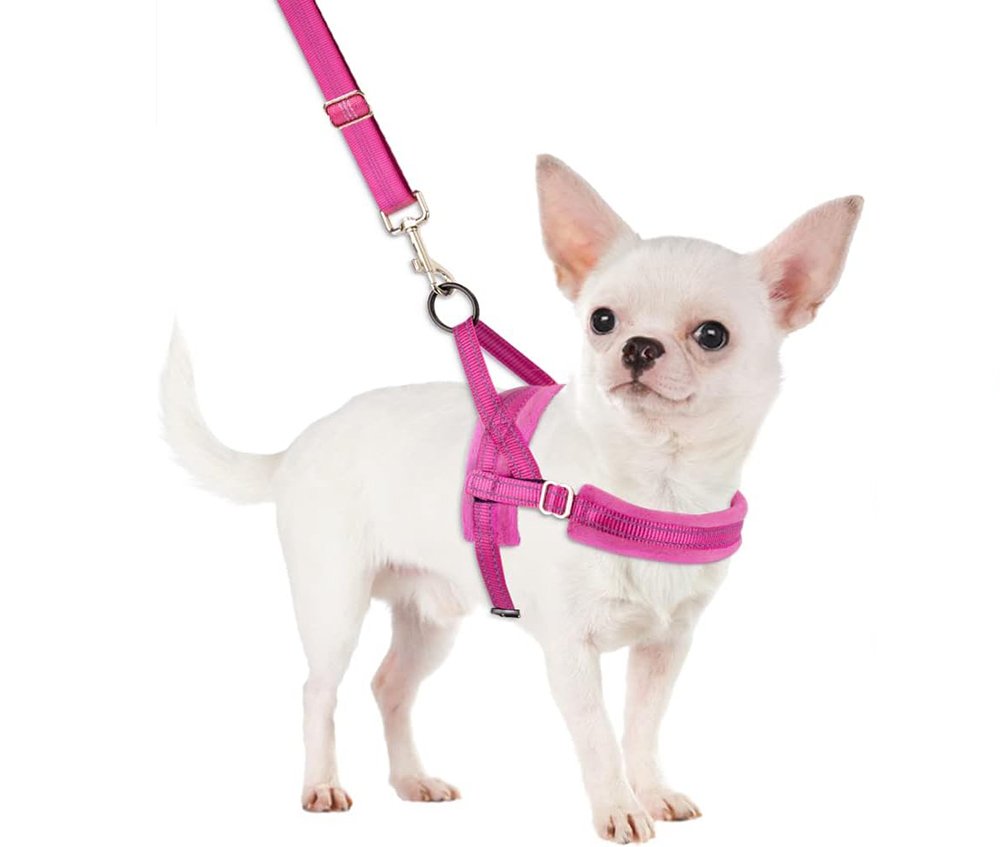
If you’re a dog owner, chances are you’ve debated the harness vs. collar question. Some pet parents swear by harnesses for better control, while others think collars are enough. But beyond control, what exactly are dog harnesses used for? And when should you choose one over a traditional collar?
Dog harnesses are used to distribute pressure more evenly across a dog’s body during walks, training, or specific activities like hiking or vehicle travel. They help improve safety, reduce strain on the neck, and provide better control for pet owners.
As you read on, you’ll find that dog harnesses aren’t just trendy accessories. They serve a wide range of functional purposes, especially when made with strong and durable materials like custom webbing. In fact, understanding the purpose, types, and appropriate usage of dog harnesses can greatly enhance your dog’s comfort and safety. And the story of how a rescue dog transformed with the help of a no-pull harness might just change how you see these everyday tools.
A dog harness is a secure body-fitting strap system designed to distribute leash pressure evenly across a dog’s chest, shoulders, and back.
What is the purpose of a harness for dogs?
Harnesses reduce strain on the neck, especially in dogs that pull or have respiratory issues. They also provide better control and safety during walks or car rides.
Design Structure: Most harnesses feature adjustable webbing straps, padded chest plates, and secure fasteners that wrap around the dog’s torso instead of the neck.
Pressure Distribution: Instead of putting all the tension on the trachea (like a collar does), harnesses distribute force across the broader and stronger areas of a dog’s body, which helps prevent injuries.
Webbing Construction: Durable polyester, nylon, or reflective webbing is often used for strength and safety, especially in high-quality harnesses.
Harnesses are often preferred for their safety, control, and comfort benefits, especially for active or sensitive dogs.
| Feature | Collar | Harness |
|---|---|---|
| Neck Pressure | High | None |
| Control | Moderate | High |
| Training Support | Low | High |
| Comfort | Medium | High |
| Escape Risk | Higher | Lower |
The most common types of dog harnesses include back-clip, front-clip, dual-clip, and step-in harnesses, each serving different needs.
Harnesses, especially front-clip and no-pull designs, reduce pulling by redirecting a dog’s momentum and encouraging proper walking behavior.
Most dogs can benefit from harnesses, but they are especially useful for small breeds, senior dogs, brachycephalic breeds, and dogs with medical or behavioral issues.
Dog harnesses are ideal for daily walks, outdoor adventures, car safety, training, and specific medical or behavioral situations.
Choosing the right harness involves measuring your dog accurately and selecting the right webbing material, design, and adjustability for your dog’s needs.
| Webbing Material | Durability | Water Resistance | Flexibility | Best For |
|---|---|---|---|---|
| Nylon | High | Medium | Good | Everyday use |
| Polyester | Medium | High | Excellent | Outdoor & custom logo |
| Reflective Webbing | High | High | Good | Night walks |
Yes, custom logo harnesses allow brands to build product identity while offering high-quality, functional gear for pets.
Whether you’re a small pet shop or a growing international brand, the right dog harness can set your product apart—especially when it reflects your brand identity. Szoneier specializes in custom webbing harnesses designed with safety, comfort, and style in mind.
With over 18 years of webbing R&D and manufacturing experience, we provide:
Contact Szoneier today to start your custom dog harness project and give your brand a leading edge in the pet accessories market!
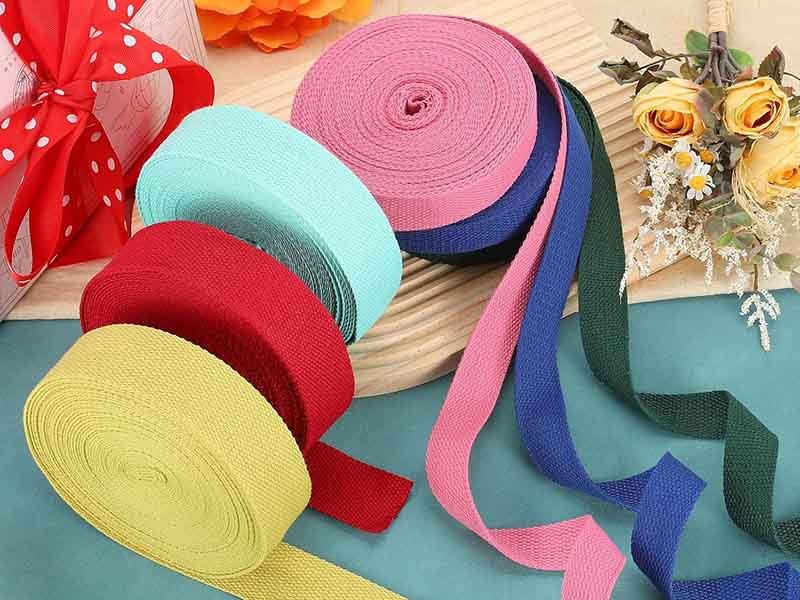


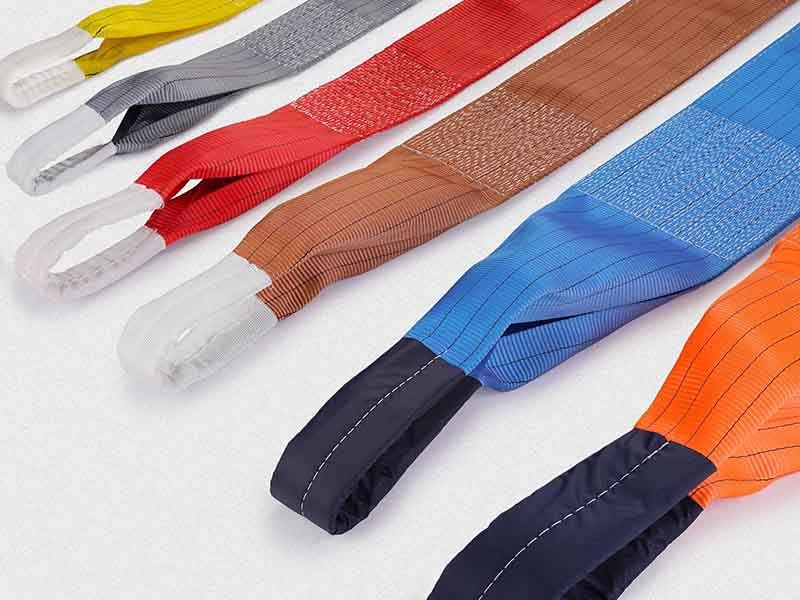
No worries, please contact us and we will answer all the questions you have during the whole process of webbing customization.
If you have your own artwork, logo design files, or just an idea,please provide details about your project requirements, including preferred fabric, color, and customization options,we’re excited to assist you in bringing your bespoke bag designs to life through our sample production process.

Copyright ©2021 Szoneier , All rights reserved.
Looking for premium custom webbing? Contact us now for competitive pricing, free samples, and expert consultation. Fill out the form below, and our team will get back to you within 24 hours!
 Optimized by Seraphinite Accelerator