
- (+86)13823134897
- info@szoneierwebbing.com
From Inquiry to Delivery
 Skip to content
 From Inquiry to Delivery
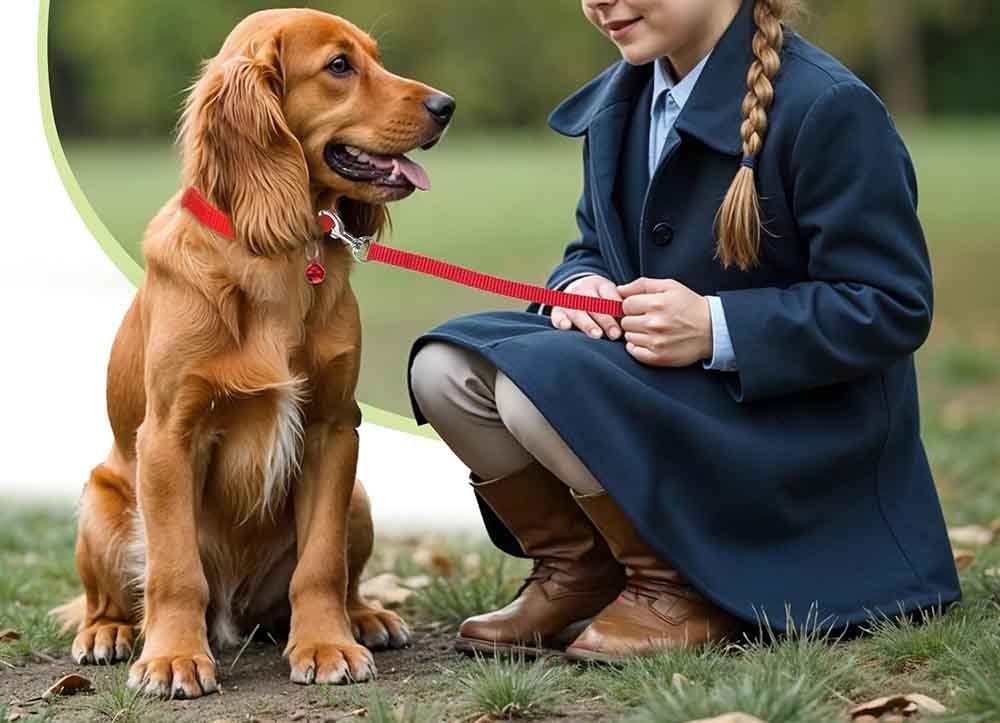
Polypropylene webbing has quietly taken over the pet accessory market, offering unbeatable durability, vibrant color options, and budget-friendly pricing that dog owners and manufacturers alike can’t resist. In a world where our furry friends join us on every adventure—from muddy trail runs to sun-soaked beach days—the need for a collar that can withstand moisture, abrasion, and UV exposure is paramount. Polypropylene webbing, once relegated to industrial uses like cargo straps and safety belts, has proven its mettle in pet care applications by delivering a perfect balance of strength and comfort.
Polypropylene webbing is a lightweight, water-resistant material made from polymerized propylene. It excels in dog collars due to its high tensile strength, UV and chemical resistance, and low cost compared to nylon or polyester alternatives. Its non-absorbent nature makes it quick-drying and easy to clean, while its manufacturing process allows endless customization in width, weave, and color.
Beyond its technical virtues, polypropylene webbing weaves itself into the story of every dog’s life—whether it’s the first collar for a playful puppy or a rugged strap for a well-traveled canine companion. Imagine Bella, the Australian shepherd, splashing through summer creek crossings without her collar fading or fraying. Or Max, the escape artist husky, whose collar endures countless tug-of-war sessions without stretching out of shape. These real-world examples underscore why polypropylene webbing isn’t just another material choice—it’s a transformative upgrade for dog collars that marries practical performance with aesthetic flexibility, keeping both pets and their owners happy for years to come.
Polypropylene webbing is created by extruding melted propylene polymers into continuous flat tapes, which are then cooled, stretched, and woven into different patterns. This manufacturing yields a strong, lightweight strap that resists mildew, chemicals, and UV degradation. By adjusting extrusion parameters and weave density, producers can achieve a wide range of widths, thicknesses, and textures, making polypropylene webbing extremely versatile for applications from safety gear to pet collars.
Polypropylene (PP) is a thermoplastic polymer derived from the polymerization of propylene monomers. Unlike nylon or polyester, PP’s chemical backbone lacks polar groups, rendering it highly hydrophobic—an attribute that imparts excellent water and stain resistance. The basic production steps are:
Polymerization:
Propylene gas is subjected to catalytic processes under pressure, forming long-chain polypropylene. The resulting resin pellets exhibit low density (~0.90 g/cm³), making PP one of the lightest commercial thermoplastics.
Extrusion:
Resin pellets are fed into a twin-screw extruder, where heat (≈200–250 °C) melts them into a homogeneous polymer melt. This melt is forced through a flat die to form continuous sheets.
Quenching and Tempering:
The hot sheet is immediately cooled on chilled rollers, stabilizing the polymer’s crystalline structure. Controlled stretching (up to 200 percent in length) aligns molecular chains, increasing tensile strength and toughness.
Weaving or Braiding:
The tempered ribbons are woven on shuttle or rapier looms into flat webbings—common weaves include plain, twill, and herringbone. Alternatively, circular braiders produce tubular webbings.
Finishing:
Final steps may include heat-setting to lock in dimensions, surface treatments (e.g., flame retardants, UV stabilizers), and dyeing using high-fastness pigments.
Key Production Metrics
| Property | Typical Value |
|---|---|
| Density | 0.89–0.92 g/cm³ |
| Tensile Strength | 20–40 MPa |
| Elongation at Break | 400–600 % |
| Melting Point | 160–170 °C |
| Water Absorption | <0.01 % |
This precise manufacturing control allows Szoneier to tailor webbing for dog collars, offering custom widths (from 10 mm to 50 mm), thicknesses (0.5 mm to 3.0 mm), and high-visibility colors. By leveraging over 18 years of R&D, Szoneier optimizes PP resin grades and weave patterns to strike the ideal balance between flexibility for comfort and rigidity for safe leash attachment.
Polypropylene webbing stands out for dog collars because it combines high strength-to-weight ratio, chemical and UV resistance, and low production cost. Unlike nylon, it doesn’t absorb water, preventing mold and odor buildup. Compared to polyester, PP offers superior softness and color retention. These advantages, coupled with endless customization options, make PP webbing the leading material for pet collars in both mass-market and premium segments.
When selecting a material for dog collars, manufacturers and pet owners look for key attributes: durability, comfort, safety, aesthetics, and price. Polypropylene webbing outperforms many alternatives across these metrics:
Durability and Strength:
Water and Chemical Resistance:
UV and Weather Resistance:
Cost Efficiency:
Customization and Aesthetics:
| Material | Tensile Strength | Water Absorption | Cost Index (PP = 1.0) |
|---|---|---|---|
| Polypropylene | 20–40 MPa | <0.01 % | 1.0 |
| Nylon | 50–80 MPa | 5–8 % | 1.3 |
| Polyester | 40–70 MPa | 0.4 % | 1.15 |
By choosing PP webbing, brands can deliver a premium-feeling collar at a mainstream price point—driving both market penetration and healthy margins. Pet owners benefit from long-lasting performance without the risk of mildew, stiffening, or dangerous chemical leaching.
Compared to nylon and polyester, polypropylene webbing offers moderate tensile strength (20–40 MPa versus nylon’s 50–80 MPa and polyester’s 40–70 MPa) but excels in cost efficiency and water resistance. PP’s raw material price is roughly 30% lower than nylon, with extrusion energy savings due to its lower melting point. While nylon leads in absolute strength, PP’s hydrophobicity, UV stability, and softness make it a more balanced choice for everyday dog collars at lower price points.
When evaluating webbing materials for dog collars, two common contenders besides polypropylene are nylon (polyamide) and polyester (PET). Each polymer brings unique advantages and trade-offs:
Mechanical Properties:
Environmental Resistance:
Cost Analysis:
Softness & Comfort:
Lifespan & Maintenance:
| Property | Nylon | Polyester | Polypropylene |
|---|---|---|---|
| Tensile Strength (MPa) | 60–80 | 40–70 | 20–40 |
| Water Absorption (%) | 5–8 | 0.4 | <0.01 |
| Relative Cost Index | 1.30 | 1.15 | 1.0 |
| UV Resistance (hours) | 200 (untreated) | 300 (untreated) | 1,000 (with stabilizer) |
| Flexibility | Medium | Medium-Stiff | High |
Given these comparisons, polypropylene webbing emerges as the most balanced solution for dog collars intended for everyday outdoor use, offering cost savings, comfort, and robust environmental resistance without sacrificing necessary strength.
Choosing the right PP webbing dimensions depends on your dog’s weight and activity level. Small breeds (<10 kg) do well with 15 mm width and 0.8 mm thickness in a plain weave. Medium breeds (10–25 kg) benefit from 20–25 mm width, 1.2 mm thickness, twill weave. Large breeds (>25 kg) require 30–40 mm width, 1.5–2.0 mm thickness, herringbone or double-weave for maximum strength. Adjust weave pattern for flexibility versus rigidity based on collar use.
Selecting the optimal webbing specification ensures both safety and comfort:
Width Considerations:
Thickness and Weave Density:
Customization Examples at Szoneier:
Testing & Certification:
Each batch undergoes pull-testing according to ASTM D6775, ensuring minimum breaking loads exceed 5× the dog’s typical pull force (≈3–5 kg for small, 8–12 kg for medium, 15–25 kg for large breeds).
| Breed Size | Width (mm) | Thickness (mm) | Weave Type | Min. Breaking Force |
|---|---|---|---|---|
| Small (<10 kg) | 12–15 | 0.8–1.0 | Plain | ≥200 N |
| Medium (10–25 kg) | 20–25 | 1.2–1.5 | Twill | ≥500 N |
| Large (>25 kg) | 30–40 | 1.5–2.0 | Herringbone / Double | ≥1,000 N |
By tailoring these specifications, Szoneier ensures each collar not only meets safety standards but also delivers the right balance of comfort and durability for dogs of every size and lifestyle.
Maintaining PP webbing collars is simple: rinse under lukewarm water with mild soap, gently scrub with a soft brush, rinse thoroughly, and air-dry away from direct sunlight. For odor removal, soak in a 1:4 vinegar-water solution for 15 minutes before rinsing. Avoid harsh acids, bleach, and high-heat dryers. Regular inspections for fraying or hardware wear will help you replace parts proactively and maximize collar longevity.
Proper maintenance keeps collars hygienic, safe, and looking new:
Routine Cleaning Steps:
Deep Odor Removal:
Hardware Care:
Storage Tips:
Lifespan Extension Strategies:
By following these care routines, a polypropylene webbing collar can easily last 2–3 years under regular use, maintaining its color, strength, and comfort far longer than many alternatives.
Yes—when properly sized and assembled, PP webbing collars are both safe and comfortable. The material’s inherent softness and flexibility reduce chafing, while customizable widths and thicknesses accommodate every breed. Seamless edges and quality stitching prevent fur snagging. For extra comfort, padded liners or tubular webbings can be used. All Szoneier collars comply with pet-safety standards and pass rigorous tensile and abrasion testing to ensure peace of mind for pet owners.
Ensuring canine safety and comfort requires a holistic approach:
Material Softness & Flexibility:
Polypropylene’s low glass transition temperature (~−20 °C) means straps remain supple even in cold weather, molding comfortably to neck contours without stiffening or cracking.
Edge Treatment:
Ergonomic Buckle Placement:
Szoneier offers side-release buckles positioned away from the throat, minimizing accidental pressure and facilitating quick removal during emergencies.
Allergy Considerations:
PP is hypoallergenic and free from latex or natural rubber proteins, reducing risk of skin irritation in sensitive dogs.
Safety Standards & Testing:
Comfort-Driven Customizations:
Ultimately, the thoughtful engineering of polypropylene webbing collars by Szoneier ensures they meet the highest safety benchmarks while delivering a comfortable, itch-free experience dogs will appreciate.
Szoneier offers end-to-end customization: choose from unlimited Pantone-matched colors, widths (10–50 mm), weaves (plain, twill, herringbone), and hardware finishes (plastic, metal, nickel-plated). Branding options include high-definition heat transfer, silicone patches, embossing, and reflective printing. Low MOQs as small as 50 pieces, fast sampling (3–5 days), and in-house R&D ensure quick turnaround. Full OEM/OEM service covers design, prototyping, production, quality control, and global shipping.
Private label and OEM clients demand flexibility, speed, and reliability:
Color & Pattern Matching:
Hardware Selection:
Branding Techniques:
Quality Assurance:
Lead Times & MOQs:
Global Shipping & Support:
This robust customization ecosystem has made Szoneier a trusted partner for emerging pet accessory brands, boutique designers, and large retail chains seeking high-quality, branded polypropylene webbing collars.
While polypropylene is derived from petroleum, it is fully recyclable (code #5) and can be reprocessed into new products. Szoneier offers post-industrial recycled PP grades with up to 30 % recycled content, meeting GRS and ISO 14021 standards. Compared to PVC-coated nylon, PP has a lower carbon footprint during extrusion. End-of-life recovery programs facilitate collar returning and closed-loop recycling.
Environmental stewardship is increasingly critical:
Recyclability & Circularity:
Life Cycle Analysis (LCA):
Certifications & Standards:
End-of-Life Programs:
Biobased Alternatives:
By proactively addressing sustainability, polypropylene webbing for dog collars becomes not only a practical choice but also an environmentally responsible one—aligning with the values of eco-conscious consumers and brands.
With over 18 years of expertise in webbing R&D, custom manufacturing, and robust quality systems, Szoneier is your one-stop partner for premium polypropylene webbing dog collars. Whether you’re launching a boutique pet brand or scaling global retail orders, our low MOQs, fast sampling, and full OEM/OEM capabilities ensure you get the perfect collar to delight dog lovers everywhere.
Contact us today to discuss your custom design, request free samples, and get a competitive quote:
Let’s build the next generation of dog collars—tough, stylish, and sustainably crafted—together!
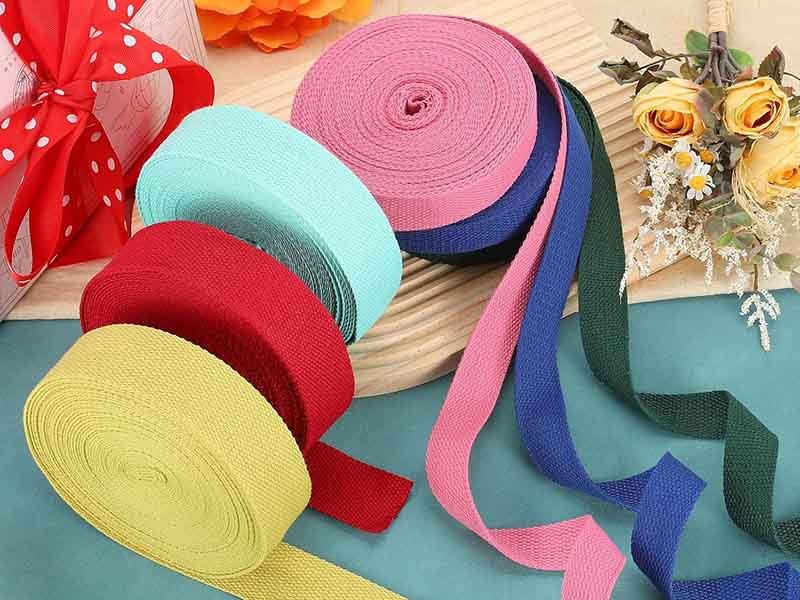


No worries, please contact us and we will answer all the questions you have during the whole process of webbing customization.
If you have your own artwork, logo design files, or just an idea,please provide details about your project requirements, including preferred fabric, color, and customization options,we’re excited to assist you in bringing your bespoke bag designs to life through our sample production process.

Copyright ©2021 Szoneier , All rights reserved.
Looking for premium custom webbing? Contact us now for competitive pricing, free samples, and expert consultation. Fill out the form below, and our team will get back to you within 24 hours!
 Optimized by Seraphinite Accelerator