
- (+86)13823134897
- info@szoneierwebbing.com
From Inquiry to Delivery
 Skip to content
 From Inquiry to Delivery
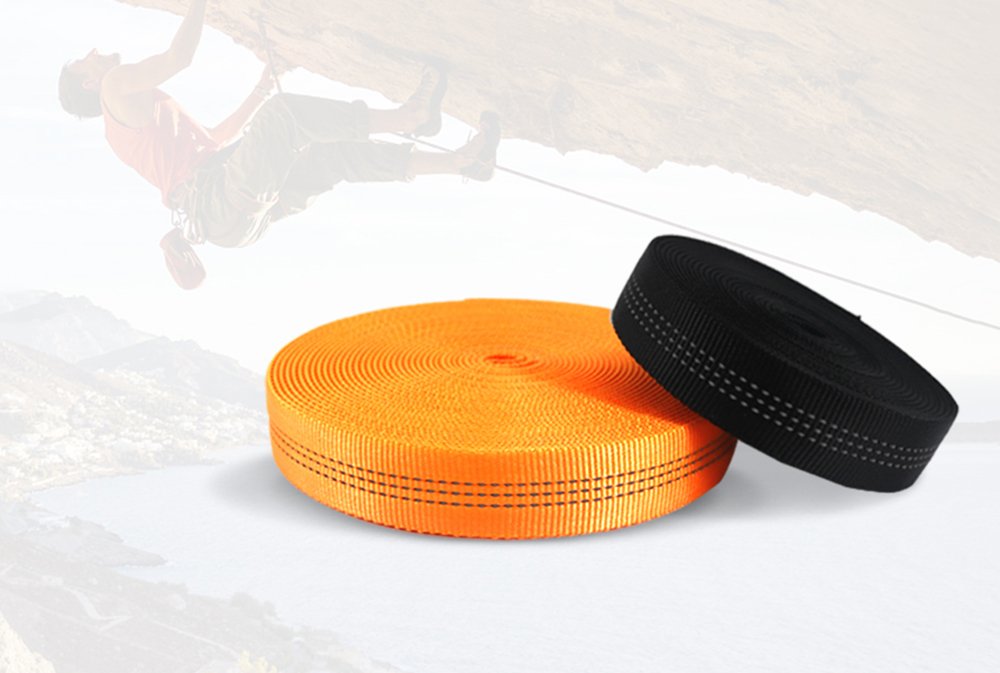
When it comes to high-performance and cost-effective materials for straps, belts, and tie-down applications, custom polypropylene webbing has carved out a solid niche. Whether you’re outfitting outdoor gear or looking for a budget-friendly yet durable solution in industrial settings, polypropylene webbing might be the smart choice you didn’t know you needed.
Polypropylene webbing is a lightweight, water-resistant, and highly customizable material widely used in outdoor gear, pet products, and commercial straps. It offers a cost-effective alternative to nylon and polyester, especially when UV resistance and moisture performance are key.
So, how does polypropylene webbing compare to other types, and what makes it ideal for custom use? Let’s break it all down—from its core characteristics to sewing capabilities, industry applications, and customization methods. Stick around for expert insight and real-world examples that show why brands around the world rely on manufacturers like Szoneier to produce high-quality, custom polypropylene webbing.
Polypropylene webbing is a flat woven tape made from polypropylene fibers known for being lightweight, strong, UV-resistant, and water-repellent.
Polypropylene webbing is made by extruding polypropylene plastic into fibers, which are then woven into flat tapes or tubes. The result? A robust and moisture-resistant webbing with excellent chemical resistance and tensile strength.
While nylon offers higher stretch and better abrasion resistance, polypropylene is better for outdoor, marine, and budget-focused applications due to its low cost, moisture resistance, and UV tolerance. Here’s a quick comparison:
| Feature | Nylon Webbing | Polypropylene Webbing |
|---|---|---|
| Water Absorption | High (~4%) | Very Low (<0.01%) |
| UV Resistance | Moderate | High |
| Cost | Higher | Lower |
| Flexibility | High | Medium |
| Melting Point | ~490°F (255°C) | ~330°F (165°C) |
| Ideal Uses | Load-bearing, apparel | Outdoor, marine, budget |
Customized polypropylene webbing allows businesses to match branding, increase product value, and meet industry-specific requirements.
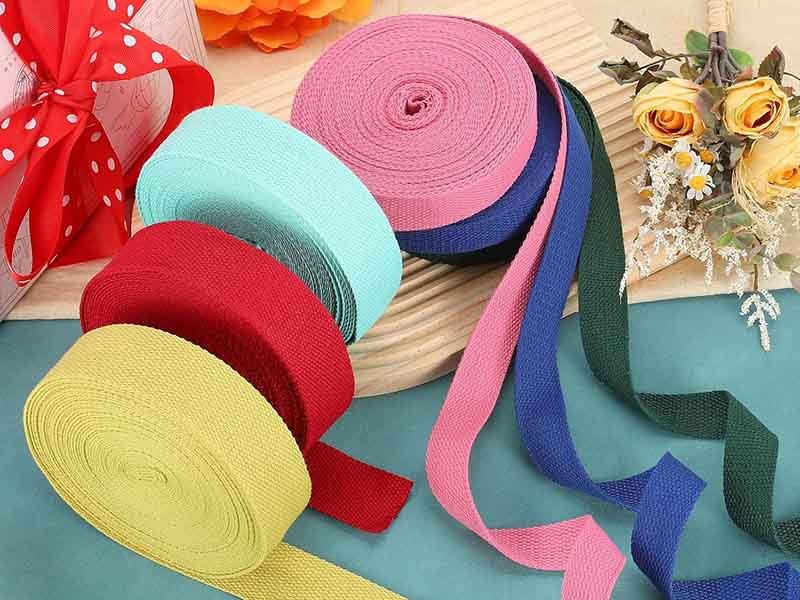
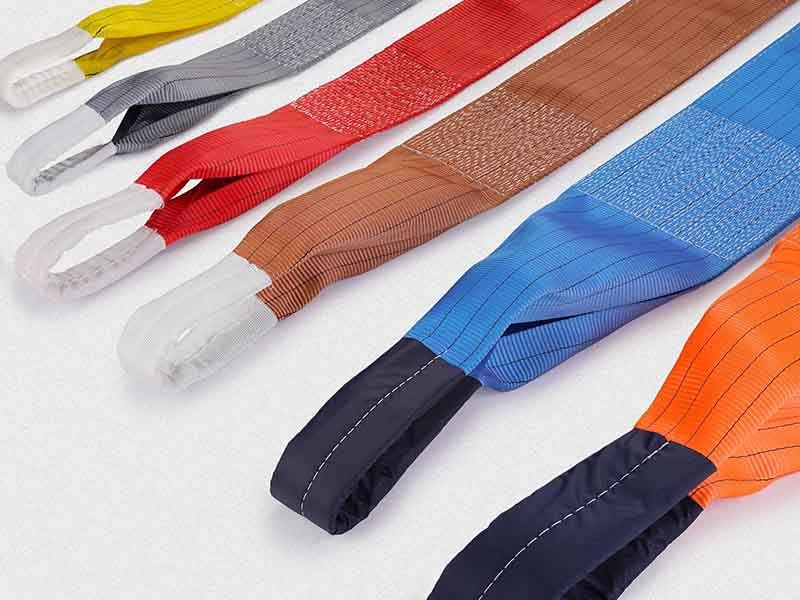
With Pantone color matching, custom widths, and woven-in logos, you can turn functional webbing into a brand touchpoint. Popular among pet brands, tactical gear suppliers, and bag makers.
Need anti-slip texture? Flame-retardant finish? Specific strength ratings? Customization lets you choose exactly what you need for safety and durability.
Polypropylene webbing is produced through extrusion, weaving, dyeing, and finishing processes tailored to customer specs.
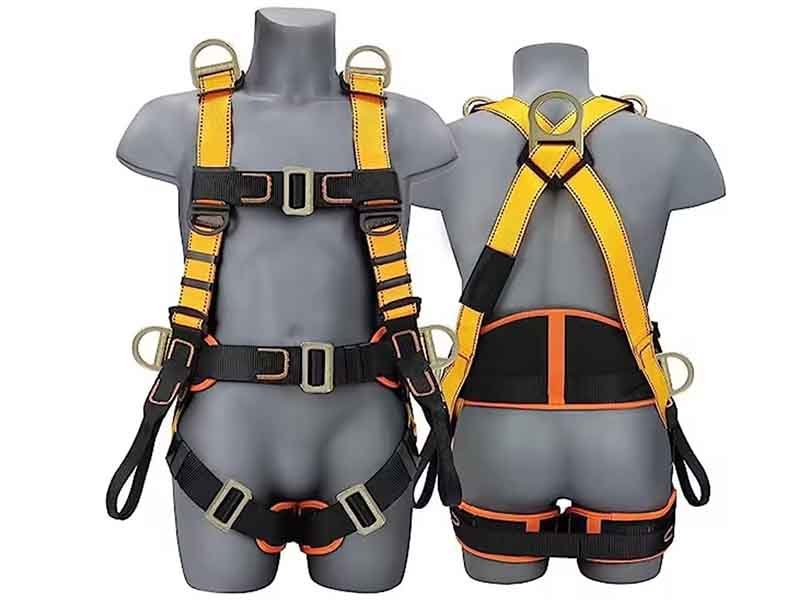
Polypropylene webbing is widely used in outdoor, industrial, medical, and commercial products due to its water, chemical, and UV resistance.
Customization options include width, color, thickness, printing, weave type, and surface coatings.
| Option | Range/Types |
|---|---|
| Width | 0.5 inch to 4 inches |
| Thickness | 0.5mm to 2.5mm |
| Strength Rating | 600 lbs to 2,500+ lbs |
| Weaves | Plain, herringbone, tubular |
| Logo Methods | Jacquard, screen print, reflective |
| Surface Treatment | Anti-slip, flame retardant, UV coated |
Yes, polypropylene webbing is highly resistant to water, UV rays, mildew, and chemicals, making it ideal for outdoor and marine use.
Yes, polypropylene webbing can be sewn using heavy-duty machines and appropriate thread.


No worries, please contact us and we will answer all the questions you have during the whole process of webbing customization.
If you have your own artwork, logo design files, or just an idea,please provide details about your project requirements, including preferred fabric, color, and customization options,we’re excited to assist you in bringing your bespoke bag designs to life through our sample production process.

Copyright ©2021 Szoneier , All rights reserved.
Looking for premium custom webbing? Contact us now for competitive pricing, free samples, and expert consultation. Fill out the form below, and our team will get back to you within 24 hours!
 Optimized by Seraphinite Accelerator