From Inquiry to Delivery
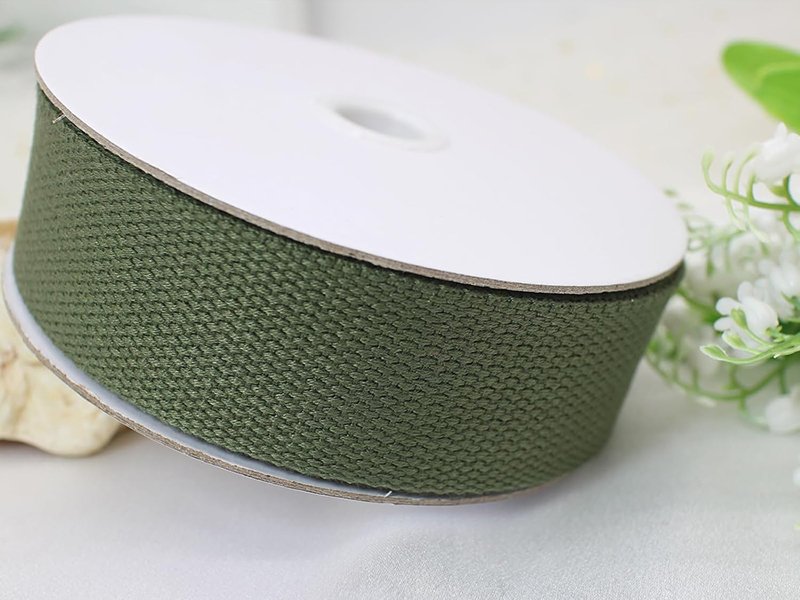
Have you ever stopped to wonder how the straps holding your backpack together or the seatbelts keeping you safe in your car are made? Webbing, an essential fabric used across countless applications, is created through a precise weaving process involving carefully selected materials and specialized machinery. At its core, webbing is manufactured by weaving yarn into flat strips or tubes, resulting in strong, durable fabrics suitable for various purposes. But what’s behind this versatile material, and why does it matter?
Imagine you’re preparing for an exciting rock-climbing adventure. Wouldn’t you feel more secure knowing exactly how the webbing that supports your weight is made? Keep reading, and we’ll dive into the fascinating process behind webbing production with real-world data, examples, and practical comparisons.
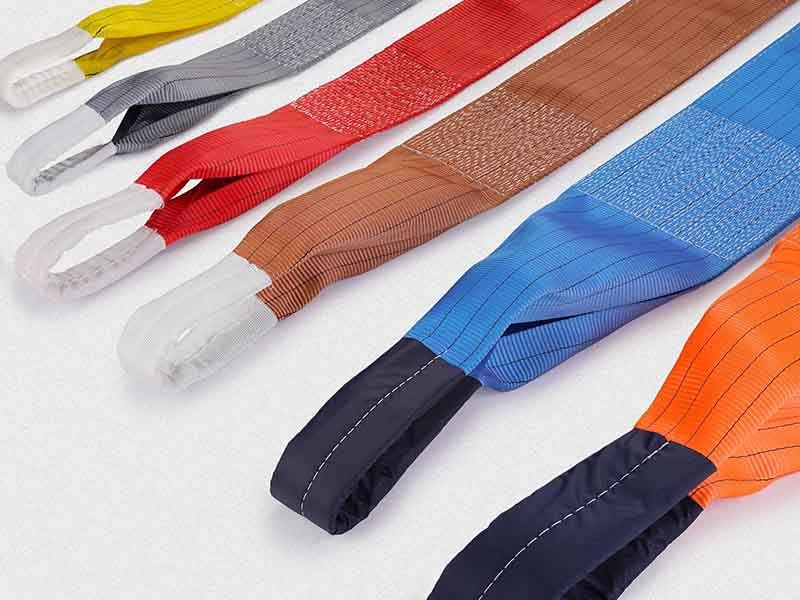
Webbing is a durable, woven fabric commonly used in items like seatbelts, backpacks, and climbing gear. It is engineered to be strong, flexible, and reliable for various applications.
Historical Origin and Usage
Webbing dates back to the early 1800s, used for military load-bearing gear. In the 20th century, its use expanded to automotive seatbelts and industrial safety equipment.
Common Applications of Webbing
| Product Example | Function | Material Often Used |
|---|---|---|
| Car seatbelt | Safety restraint system | Polyester |
| Backpack strap | Load-bearing support | Nylon or Cotton |
| Yoga stretching strap | Flexibility and tension | Cotton |
| Dog leash | Pull resistance & comfort | Nylon or Polypropylene |
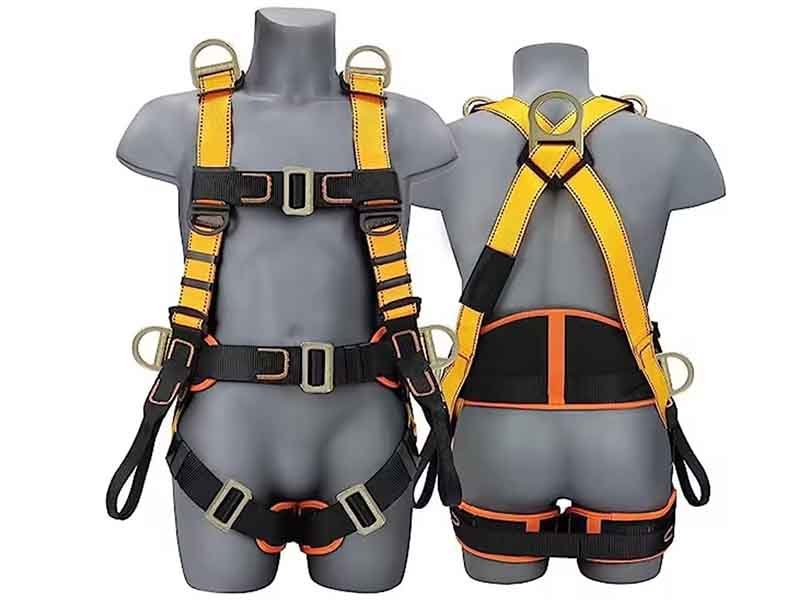
| Climbing harness | Personal safety gear | Tubular Nylon |
Webbing can be made from natural fibers like cotton or synthetic fibers such as nylon, polyester, and polypropylene. Each material has unique attributes that make it suitable for specific applications.
Natural vs. Synthetic Materials
| Type | Key Features | Pros | Cons |
|---|---|---|---|
| Cotton | Soft, natural, breathable | Eco-friendly, gentle on skin | Lower tensile strength, not UV-resistant |
| Nylon | Elastic, smooth texture | High strength, abrasion resistant | Can absorb water, weaker UV resistance |
| Polyester | Stiff, strong, UV-resistant | Excellent durability outdoors | Less stretch, may feel rough |
| Polypropylene | Lightweight, floats on water | Inexpensive, water-resistant | Lower heat resistance |
Performance Metrics Comparison
| Property | Nylon | Polyester | Cotton | Polypropylene |
|---|---|---|---|---|
| Tensile Strength | ~7,000 lbs | ~6,000 lbs | ~2,000 lbs | ~4,800 lbs |
| Elongation at Break | 20–30% | 15–20% | 5–10% | 10–20% |
| UV Resistance | Moderate | Excellent | Poor | Excellent |
| Water Absorption | High | Low | Moderate | Very Low |
The best material for webbing depends on its intended application. Polyester is typically the most versatile, offering excellent strength, UV resistance, and durability, making it suitable for outdoor, industrial, and general-purpose applications.
| Application | Best Material | Why? |
|---|---|---|
| Rock Climbing Slings | Tubular Nylon | High elasticity + break strength |
| Seatbelts & Car Straps | Polyester | UV and abrasion resistance |
| Military Belts | Nylon | Strong, durable in rough terrain |
| Fashion Bag Handles | Cotton | Soft, aesthetic look |
| Marine Tie-Downs | Polypropylene | Water and chemical resistance |
Webbing manufacturing involves yarn selection, spinning, warping, weaving, and finishing. Yarn is first prepared and woven on specialized looms, then treated through finishing processes like dyeing and coating to enhance durability and performance.
| Step | Description |
|---|---|
| 1. Yarn Selection | Choose fiber (nylon, polyester, cotton) based on usage needs |
| 2. Spinning | Fibers are twisted into strong yarns |
| 3. Warping | Yarn is wound onto warp beams for weaving |
| 4. Weaving | Patterns like plain, twill, tubular, or jacquard are created on looms |
| 5. Finishing | Dyeing, heat-setting, and waterproofing are applied |
Weave patterns significantly influence webbing’s performance. Plain weave offers durability and simplicity, twill provides enhanced flexibility, while tubular and jacquard weaves deliver specialized strength and decorative capabilities.
| Pattern | Appearance | Strength | Flexibility | Use Case |
|---|---|---|---|---|
| Plain | Criss-cross | High | Low | Luggage straps, belts |
| Twill | Diagonal | Moderate | High | Tactical belts, uniforms |
| Tubular | Hollow | Very High | Medium | Climbing slings, rescue |
| Jacquard | Custom logo | High | Medium | Branded straps, fashion |
Quality control involves rigorous testing for breaking strength, abrasion resistance, and UV stability. Manufacturers adhere to international standards like ISO and OEKO-TEX to ensure safety and consistency.
| Test Type | Standard Threshold |
|---|---|
| Breaking Strength | ≥ 4,000 lbs (for climbing gear) |
| Abrasion Cycles | 5,000+ cycles without fiber damage |
| UV Exposure | 500 hours with <20% degradation |
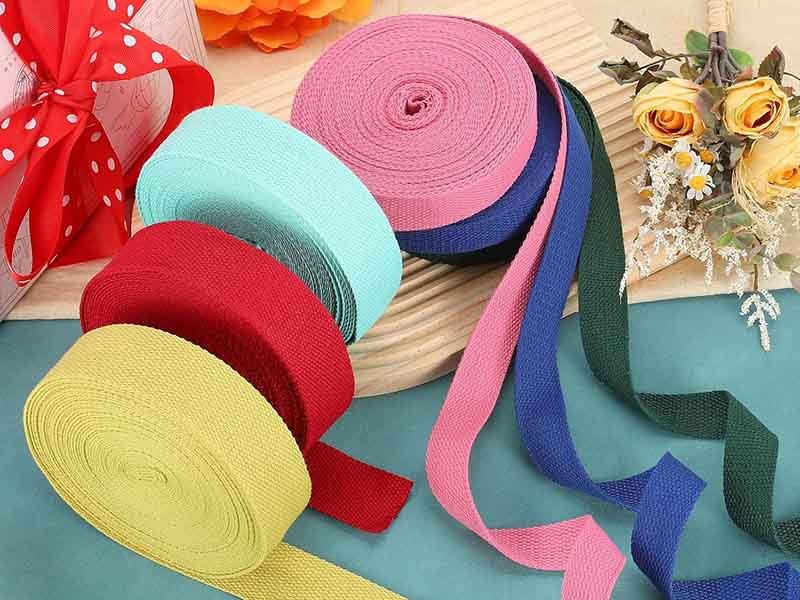
Customized webbing adds significant value through brand differentiation, tailored functionality, and specific design needs. For brands looking to stand out or meet unique performance requirements, customization is highly beneficial.
| Feature | Benefit |
|---|---|
| Color Matching | Matches brand identity |
| Logo Weaving | Enhances brand recognition |
| Reflective Threads | Improves safety in low light |
| Custom Width | Optimizes usability |
If you’re inspired by the incredible versatility of webbing and are considering how custom webbing could elevate your products, Szoneier is here to help. With 18+ years of industry experience, we offer free design services, samples, and guaranteed quality. Whether you’re a startup brand or a seasoned manufacturer, contact Szoneier today and discover how tailored webbing solutions can help your business grow.
No worries, please contact us and we will answer all the questions you have during the whole process of webbing customization.
If you have your own artwork, logo design files, or just an idea,please provide details about your project requirements, including preferred fabric, color, and customization options,we’re excited to assist you in bringing your bespoke bag designs to life through our sample production process.
Copyright ©2021 Szoneier , All rights reserved.
Looking for premium custom webbing? Contact us now for competitive pricing, free samples, and expert consultation. Fill out the form below, and our team will get back to you within 24 hours!
