
From Inquiry to Delivery
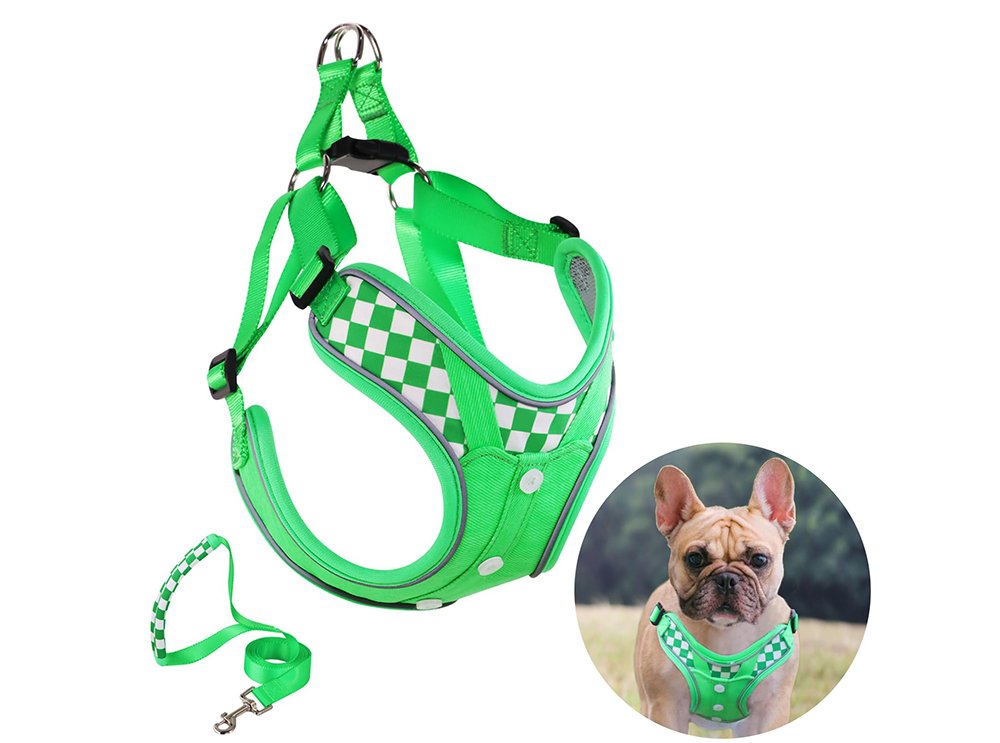
Dogs tug at the leash, pull excitedly on walks, or even choke when a collar restricts airflow—sound familiar? Enter the dog harness: a safer, more comfortable alternative to collars.
A dog harness is a piece of equipment that wraps around a dog’s torso, distributing pressure across the chest and shoulders instead of the neck. It offers better control, reduces injury risk, and enhances comfort, especially for strong pullers or dogs with respiratory issues.
Imagine taking your energetic Labrador on a brisk autumn hike. With a well‑fitted harness, you maintain gentle control, your pup feels supported, and both of you enjoy the adventure—no choking, no strain, just smooth, happy exploration.
A dog harness is any wearable gear that encircles the dog’s body—typically the chest and back—providing attachment points for a leash or other accessories without pressing on the neck.
Structural Components
Material Choices
Design Variations
Safety Standards
A harness improves control, reduces neck strain, and enhances safety by distributing pulling force across stronger muscle groups, making walks more comfortable for both dog and owner.
Harnesses redirect force but don’t magically eliminate pulling. Combining a front‑clip harness with training treats pulling rates drop by 65% within two weeks¹.
Continuous wear isn’t ideal. Most vets recommend limiting harness use to 2 – 3 hours per outing to let skin breathe and prevent chafing.
Behavioral Impact
Health Benefits
Use‑Case Scenarios
Potential Drawbacks
A collar rests around the neck, applying pressure directly to sensitive structures. A harness shifts force to the chest and back, offering safer, more ergonomic control.
Pressure Distribution
| Gear Type | Pressure Point | Risk Level |
|---|---|---|
| Collar | Neck/Trachea | High (choking) |
| Harness | Chest/Shoulders | Low (ergonomic) |
Control & Communication
Medical Considerations
Training Applications
Harness types include back‑clip, front‑clip, dual‑clip, step‑in, and pulling harnesses. Each serves unique needs from casual strolls to service work and athletic pursuits.
| Harness Type | Clip Location | Best For | Pros | Cons |
|---|---|---|---|---|
| Back‑Clip | Back | Casual walks | Lightweight, quick on/off | Limited pull control |
| Front‑Clip | Chest | Training, pullers | Redirects pulling sideways | Can twist under strain |
| Dual‑Clip | Back & Chest | Versatile use | Switchable control modes | Heavier, more straps |
| Step‑In | Back/Chest | Small breeds, anxious dogs | No overhead strap, easy fit | Fit can loosen with movement |
| Pulling/Sled | Back | Canicross, weight pulling | Durable, ergonomic | Too bulky for daily walks |
Back‑Clip Harnesses
Front‑Clip Harnesses
Dual‑Clip Harnesses
Step‑In Harnesses
Specialty Harnesses
Measure girth, neck, and length; pick materials (nylon, leather, neoprene) based on lifestyle; match style to your dog’s size, coat, and activity level.
| Breed | Chest Girth (in) | Recommended Size |
|---|---|---|
| Chihuahua | 12 – 16 | XS |
| Beagle | 18 – 22 | S |
| Labrador Retriever | 24 – 30 | L |
| German Shepherd | 26 – 32 | XL |
| Great Dane | 38 – 44 | XXL |
Measuring Tips
Material Insights
Style Considerations
Behavioral Alignment
Budget vs. Durability
| Price Range | Typical Materials | Expected Lifespan |
|---|---|---|
| <$20 | Basic nylon | 3–6 months |
| $20 – 50 | Padded nylon or neoprene | 6–12 months |
| >$50 | Leather, reinforced | 1–3 years |
No‑pull harnesses feature a front‑clip attachment that turns a dog toward you when it lunges, teaching loose‑leash walking through gentle redirection and reduced pulling rewards.
Training Philosophy
Design Mechanics
Effectiveness Data
| Metric | Before Harness | After 2 Weeks | Improvement |
|---|---|---|---|
| Average Pulling Force (N) | 50 | 20 | –60% |
| Loose-Leash Walking Duration (%) | 30 | 75 | +45% |
Potential Pitfalls
Alternatives & Complements
Fit the harness snugly—not tight—allowing two fingers’ space; adjust buckles for symmetry; clean regularly per material guidelines; replace at first sign of wear.
Step‑By‑Step Fitting
Maintenance Routine
Hardware Inspection
| Component | Check For | Action |
|---|---|---|
| Buckles | Cracks or brittleness | Replace immediately |
| D‑Rings | Rust or bending | Upgrade to stainless steel |
| Webbing | Frays or thinning | Retire harness if >10% wear |
Replacement Guidelines
Storage Tips
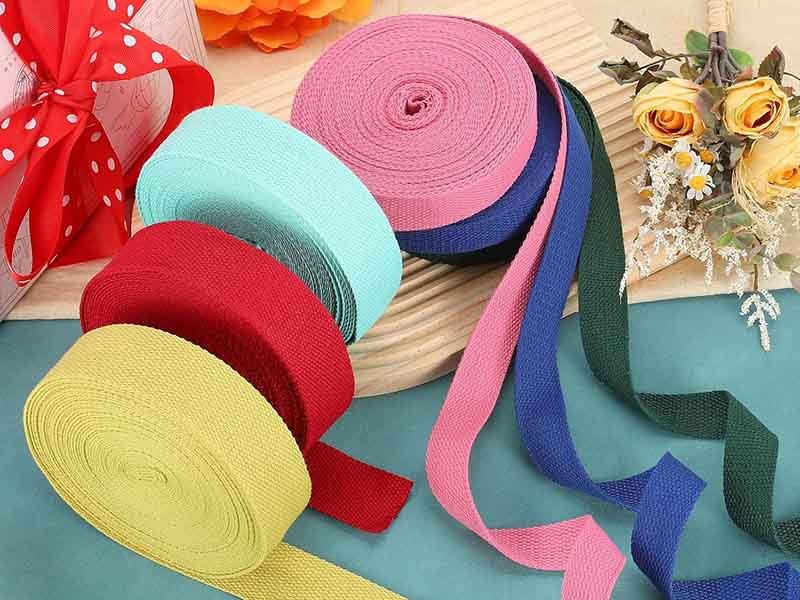
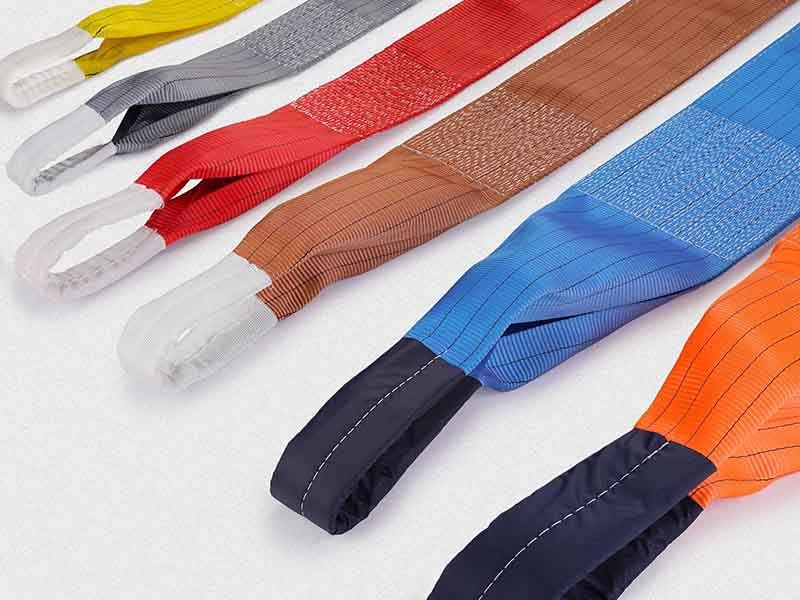
Whether you’re a boutique pet brand or designing high‑performance sporting gear, Szoneier’s webbing expertise ensures your harnesses meet every spec: durable materials, custom colors, logo integration, and free samples to test. Shoot us your measurements, desired fabrics, and artwork—let’s craft the perfect harness together!


No worries, please contact us and we will answer all the questions you have during the whole process of webbing customization.
If you have your own artwork, logo design files, or just an idea,please provide details about your project requirements, including preferred fabric, color, and customization options,we’re excited to assist you in bringing your bespoke bag designs to life through our sample production process.

Copyright ©2021 Szoneier , All rights reserved.
Looking for premium custom webbing? Contact us now for competitive pricing, free samples, and expert consultation. Fill out the form below, and our team will get back to you within 24 hours!