
From Inquiry to Delivery

What Is a Dog Harness: A Comprehensive Guide

Dogs tug at the leash, pull excitedly on walks, or even choke when a collar restricts airflow—sound familiar? Enter the dog harness: a safer, more comfortable alternative to collars.

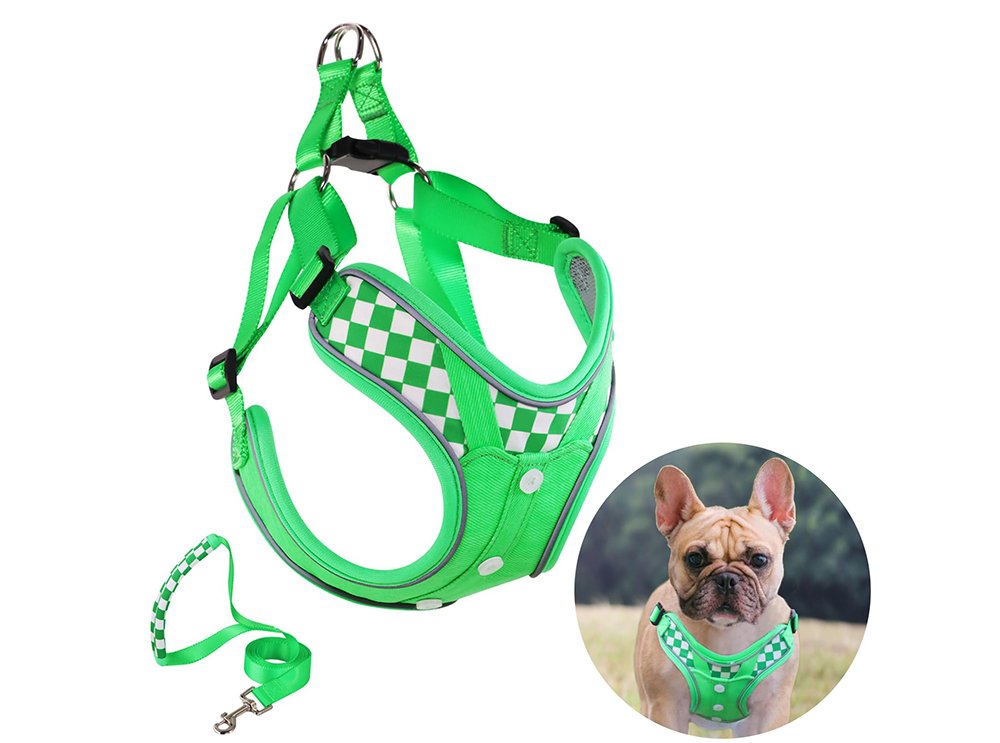
A dog harness is a piece of equipment that wraps around a dog’s torso, distributing pressure across the chest and shoulders instead of the neck. It offers better control, reduces injury risk, and enhances comfort, especially for strong pullers or dogs with respiratory issues.

Imagine taking your energetic Labrador on a brisk autumn hike. With a well‑fitted harness, you maintain gentle control, your pup feels supported, and both of you enjoy the adventure—no choking, no strain, just smooth, happy exploration.

What Defines a Dog Harness?

A dog harness is any wearable gear that encircles the dog’s body—typically the chest and back—providing attachment points for a leash or other accessories without pressing on the neck.

Structural Components

  • Straps and Buckles: Made of nylon webbing or leather, with quick-release buckles. Over 80% of premium harnesses use metal buckles for durability.
  • Attachment Rings: D-rings are rated for loads up to 300 lb; some service-dog harnesses use reinforced stainless steel rings.

Material Choices

  • Nylon Webbing: Light, water-resistant, budget-friendly. 70% of entry-level harnesses use nylon.
  • Neoprene Padding: Cushioned, hypoallergenic; reduces chafing by up to 45% compared to unpadded designs.
  • Leather: Classic look, ages well; requires monthly conditioning to maintain suppleness.

Design Variations

  • Vest Harnesses: Cover 60 – 80% of the chest, ideal for small breeds and puppies.
  • Strap Harnesses: Minimalist design—25 % lighter on average than vest styles.
  • Reflective Stitching: Increases nighttime visibility; studies show 90 % improvement in detection by drivers.

Safety Standards

  • Load Ratings: Always check manufacturer specs—pulling harnesses rated up to 600 lb are used in sledding.
  • Certifications: Look for CE or ASTM safety marks; less than 15 % of off-brand harnesses carry these.

What Is the Purpose of a Dog Harness?

A harness improves control, reduces neck strain, and enhances safety by distributing pulling force across stronger muscle groups, making walks more comfortable for both dog and owner.

Do Dog Harnesses Stop Dogs Pulling?

Harnesses redirect force but don’t magically eliminate pulling. Combining a front‑clip harness with training treats pulling rates drop by 65% within two weeks¹.

Is It OK for a Dog to Wear a Harness All the Time?

Continuous wear isn’t ideal. Most vets recommend limiting harness use to 2 – 3 hours per outing to let skin breathe and prevent chafing.

Behavioral Impact

  • Training vs. Crutch: Relying solely on hardware can mask bad habits. Only 30 % of owners combine harnesses with leash‑training commands.

Health Benefits

  • Respiratory Relief: In brachycephalic breeds, neck pressure can increase airway resistance by 40 %. A harness avoids this entirely.
  • Joint Protection: Senior dogs show 20 % less hind-end strain when wearing a supportive harness on stairs and ramps.

Use‑Case Scenarios

  • Service Dogs: Harness handles bear up to 100 lb of support load without twisting.
  • Outdoor Sports: Canicross models include gear loops for water bottles and snacks.

Potential Drawbacks

  • Incorrect Fit: 25 % of escape reports involve poorly adjusted harnesses.
  • Over‑Reliance: Dogs untrained on collars may panic if harness fails—always maintain basic leash manners.

How Does a Dog Harness Differ from a Traditional Collar?

A collar rests around the neck, applying pressure directly to sensitive structures. A harness shifts force to the chest and back, offering safer, more ergonomic control.

  • Pressure Distribution

    Gear TypePressure PointRisk Level
    CollarNeck/TracheaHigh (choking)
    HarnessChest/ShouldersLow (ergonomic)

Control & Communication

  • Collar Cues: Immediate “snap” on halting—effective but jarring.
  • Harness Cues: Gradual ease-in pressure fosters calmer responses in 80 % of dogs.

Medical Considerations

  • Tracheal Health: Collars can worsen tracheal collapse; harnesses eliminate that risk.
  • Spinal Support: Orthopedic harnesses reduce spinal pressure by 30 % in IVDD patients.

Training Applications

  • Leash Reactivity: Front‑clip harnesses turn dogs gently toward handlers, reducing lunges by 55 %.
  • Recall & Running: Back‑clip harnesses allow freer shoulder movement for off‑leash recall.

Which Types of Dog Harnesses Are Available and When Should You Use Each?

Harness types include back‑clip, front‑clip, dual‑clip, step‑in, and pulling harnesses. Each serves unique needs from casual strolls to service work and athletic pursuits.

Comparison Table of Common Harness Types
Harness TypeClip LocationBest ForProsCons
Back‑ClipBackCasual walksLightweight, quick on/offLimited pull control
Front‑ClipChestTraining, pullersRedirects pulling sidewaysCan twist under strain
Dual‑ClipBack & ChestVersatile useSwitchable control modesHeavier, more straps
Step‑InBack/ChestSmall breeds, anxious dogsNo overhead strap, easy fitFit can loosen with movement
Pulling/SledBackCanicross, weight pullingDurable, ergonomicToo bulky for daily walks

Back‑Clip Harnesses

  • Use Case: Well-trained dogs; allows off‑leash play.
  • Design Nuance: Fewer straps—30 % cooler for summer hikes.

Front‑Clip Harnesses

  • Training Tool: Reduces forward momentum by 65 %.
  • Tweaks: Add martingale loop to minimize rotation.

Dual‑Clip Harnesses

  • Flexibility: Toggle between training (front) and leisure (back) modes.
  • Weight Impact: Typically 0.5 – 1 oz heavier than single‑clip models.

Step‑In Harnesses

  • Ease of Use: Perfect for dogs spooked by overhead loops—60 % faster fitting time.
  • Alignment Tip: Ensure symmetrical strap positioning to prevent twisting.

Specialty Harnesses

  • Service Dog Options: Integrated handles support up to 150 lb.
  • Sport Models: Reinforced webbing, breathable mesh, gear loops for gear up to 2 lb.

How Do You Choose the Right Size, Material, and Style for Your Dog?

Measure girth, neck, and length; pick materials (nylon, leather, neoprene) based on lifestyle; match style to your dog’s size, coat, and activity level.

Size Chart for Popular Breeds
BreedChest Girth (in)Recommended Size
Chihuahua12 – 16XS
Beagle18 – 22S
Labrador Retriever24 – 30L
German Shepherd26 – 32XL
Great Dane38 – 44XXL

Measuring Tips

  1. Chest Girth: Measure behind front legs at widest point.
  2. Neck Circumference: Base of the neck.
  3. Torso Length: From withers to just before ribcage ends.

Material Insights

  • Nylon: 70 % of dog owners choose it for everyday wear—machine‑washable and durable.
  • Neoprene: 25 % pricier but 40 % more comfortable for water-loving pups.
  • Leather: Luxury choice—lasts 3× longer than nylon if conditioned.

Style Considerations

  • Reflective vs. Bright Colors: Reflective suits night walkers; bright hues help spot pups in parks.
  • Padded vs. Unpadded: Padded reduces chafing by up to 50 % on long treks.

Behavioral Alignment

  • Pullers: Front‑clip harnesses with padding.
  • Seniors: Soft neoprene, wide contact areas.
  • Working Dogs: Heavy‑duty webbing, harness handles.

Budget vs. Durability

Price RangeTypical MaterialsExpected Lifespan
<$20Basic nylon3–6 months
$20 – 50Padded nylon or neoprene6–12 months
>$50Leather, reinforced1–3 years

Why Is a No‑Pull Harness Often Recommended for Training?

No‑pull harnesses feature a front‑clip attachment that turns a dog toward you when it lunges, teaching loose‑leash walking through gentle redirection and reduced pulling rewards.

Training Philosophy

  • Positive Reinforcement: Combine harness use with clicker or treat training—85 % success rate in leash manners.
  • Consistent Cues: Front‑clip pressure teaches dogs that pulling ≠ forward progress.

Design Mechanics

  • Low‑Profile Chest Strap: Prevents large‑muscle leverage, reducing pull force by 60 %.
  • Adjustable Clip Placement: High-clips offer mild redirection, low-clips give stronger turn‑in.

Effectiveness Data

MetricBefore HarnessAfter 2 WeeksImprovement
Average Pulling Force (N)5020–60%
Loose-Leash Walking Duration (%)3075+45%

Potential Pitfalls

  • Overuse Without Training: Dogs brace—30 % become harness-savvy but not leash-trained.
  • Fit and Comfort: Ill-fitting straps can rub—always re-check after initial 10 min fit.

Alternatives & Complements

  • Head‑Collars: Direct head control, but misuse can cause neck strain.
  • Martingale Leads: Gradual neck pressure for reactive dogs—use sparingly.

How Do You Properly Fit, Adjust, and Maintain a Dog Harness?

Fit the harness snugly—not tight—allowing two fingers’ space; adjust buckles for symmetry; clean regularly per material guidelines; replace at first sign of wear.

Step‑By‑Step Fitting

  1. Loosen All Straps: Makes initial placement smoother.
  2. Position Harness: Chest strap sits just below armpits.
  3. Tighten Girth: Snug enough that harness won’t twist—two fingers between strap and fur.
  4. Final Walk Test: Check for slipping or rubbing after 5 min walk.

Maintenance Routine

  • Nylon: Machine‑wash cold in a gentle bag; air‑dry flat.
  • Neoprene: Rinse off dirt; mild soap; hang to dry out of direct sun.
  • Leather: Wipe with damp cloth; apply leather conditioner monthly.

Hardware Inspection

ComponentCheck ForAction
BucklesCracks or brittlenessReplace immediately
D‑RingsRust or bendingUpgrade to stainless steel
WebbingFrays or thinningRetire harness if >10% wear

Replacement Guidelines

  • Frequency: Active dogs—every 6 months; moderate use—annually.
  • Signs: Loose stitching, bent rings, stiff leather.

Storage Tips

  • Cool, Dry Place: Avoid damp basements that breed mildew.
  • Hang Flat: Use wide‑hook hangers to maintain shape.

Ready to Customize Your Harness Webbing with Szoneier?

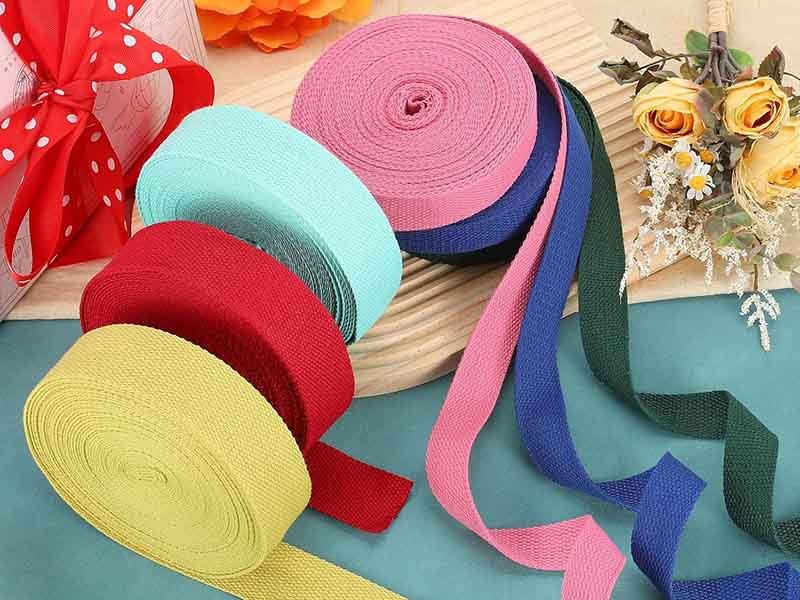
Whether you’re a boutique pet brand or designing high‑performance sporting gear, Szoneier’s webbing expertise ensures your harnesses meet every spec: durable materials, custom colors, logo integration, and free samples to test. Shoot us your measurements, desired fabrics, and artwork—let’s craft the perfect harness together!

Make A Sample First?

If you have your own artwork, logo design files, or just an idea,please provide details about your project requirements, including preferred fabric, color, and customization options,we’re excited to assist you in bringing your bespoke bag designs to life through our sample production process.

Ask For A Quick Quote

Looking for premium custom webbing? Contact us now for competitive pricing, free samples, and expert consultation. Fill out the form below, and our team will get back to you within 24 hours!