
Keeping your dog safely restrained while driving not only protects your pet but also helps maintain focus behind the wheel. Picture cruising down the highway with Fido happily lounging in the backseat—until an unexpected stop sends him tumbling forward. Not only is that jarring for your dog, it can also be a serious distraction.
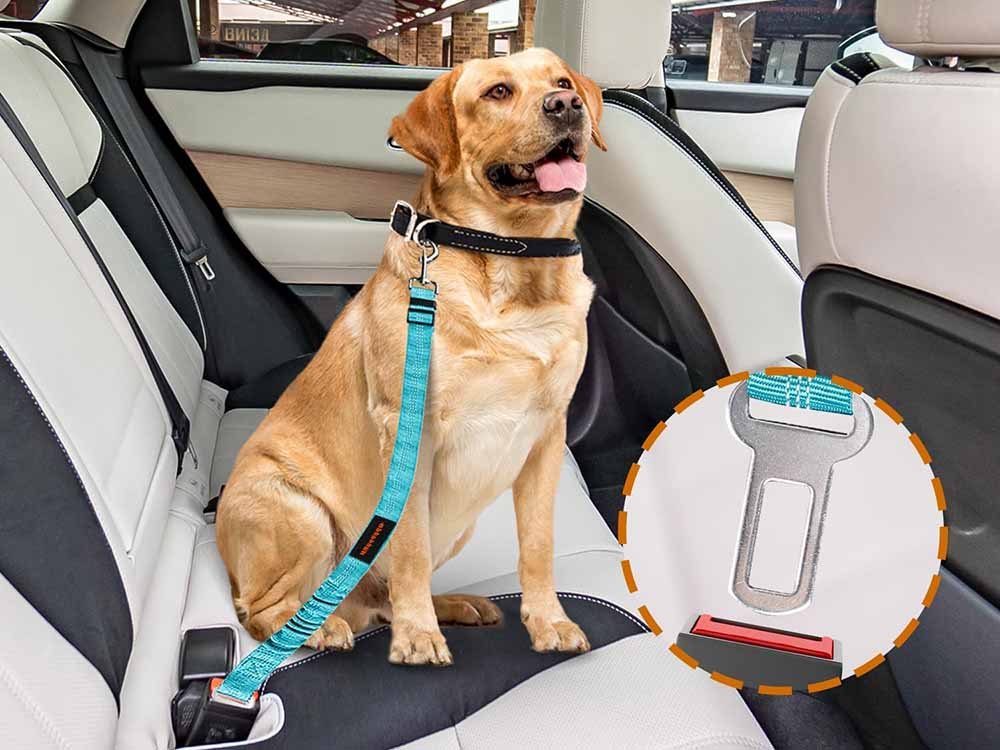
A dog seat belt is a tether system that attaches a dog harness to your vehicle’s anchor points, preventing your pet from roaming freely or being thrown in a crash. Proper use reduces injuries by up to 80% and keeps both driver and pet safer.
From SUVs to compact cars, choosing the right pet restraint can feel overwhelming. In this guide, we’ll walk through why you need a dog seat belt, compare the main types available, show you exactly how to install and adjust it, and offer pro tips to train your dog for a stress‑free ride. We’ll even explore how crash‑test ratings and real‑world data confirm the life‑saving benefits of a properly used dog seat belt. Ready to hit the road without worry? Let’s dive into the details—and by the end, you’ll be equipped to make every journey a secure adventure for both you and your best friend.
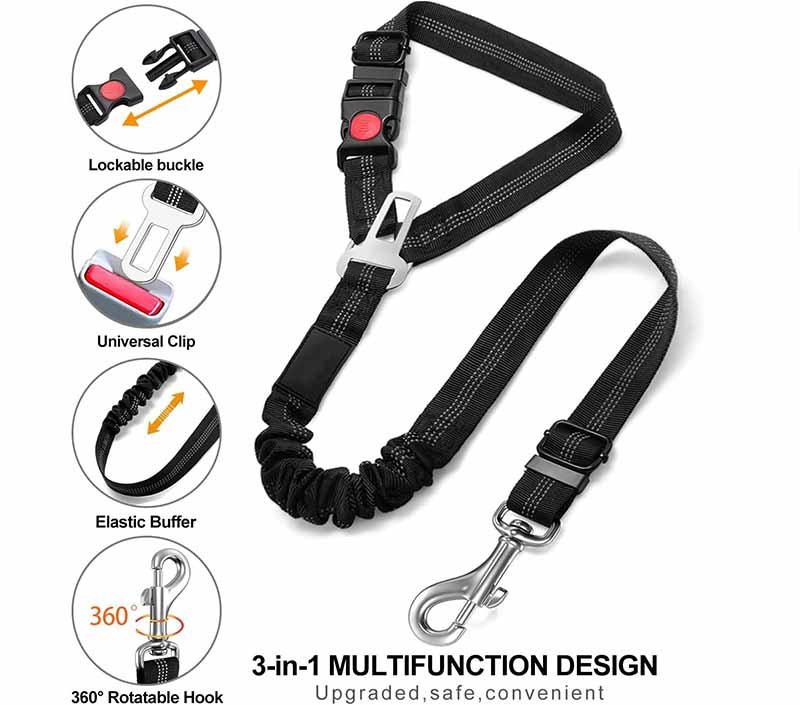
A dog seat belt is a safety tether that clips to a dog harness and anchors to your vehicle’s seat belt or LATCH system, preventing sudden movement or ejection in a crash.
Yes—restraining your dog with a seat belt harness significantly reduces the risk of injury during sudden stops or collisions. It also prevents your dog from distracting you or roaming into the front seat, where they could interfere with driving controls or airbags.
Modern pet safety experts agree that unsecured pets pose a dual hazard: they’re at high risk of injury themselves and can become airborne projectiles that endanger human occupants. According to crash‑test simulations, unrestrained dogs are 12 times more likely to be injured in a collision than those properly secured¹.
Moreover, distraction is a leading cause of road accidents; a dog jumping into the driver’s lap or barking from the front seat can easily divert your attention from the road. By using a dog seat belt, you create a defined “pet zone” in the backseat that keeps your dog comfortable and contained.
Critically, not all seat belt systems are created equal. A standard collar attachment can cause neck strain or choking in sudden stops. That’s why certified dog seat belts always pair with a well‑fitted harness, distributing force across the chest and shoulders rather than the neck.
From daily errands to cross‑country road trips, adopting a dog seat belt habit ensures consistent protection. As more states adopt pet‑restraint regulations, what once was optional is fast becoming a standard of responsible pet ownership and road safety.
Dog seat belts come in basic tether straps, crash‑tested harness systems, and multi‑purpose harnesses with walking leash hooks. Choose based on your dog’s size, vehicle type, and travel needs.
When shopping for a dog seat belt, you’ll encounter several distinct categories:
| Type | Key Features | Best For |
|---|---|---|
| Basic Tether Strap | Simple clip to belt buckle or headrest; nylon webbing | Short trips, budget‑minded owners |
| Bungee‑Style Tether | Elastic insert absorbs shock; metal hardware | Energetic dogs needing cushion |
| Crash‑Tested Harness & Tether | Meets ASTM or Center for Pet Safety standards; padded chest plate | Long journeys, high‑speed roadways |
| Multi‑Use Harness | Dual‑purpose as leash harness; D‑ring attachments | Owners wanting walk‑and‑ride gear |
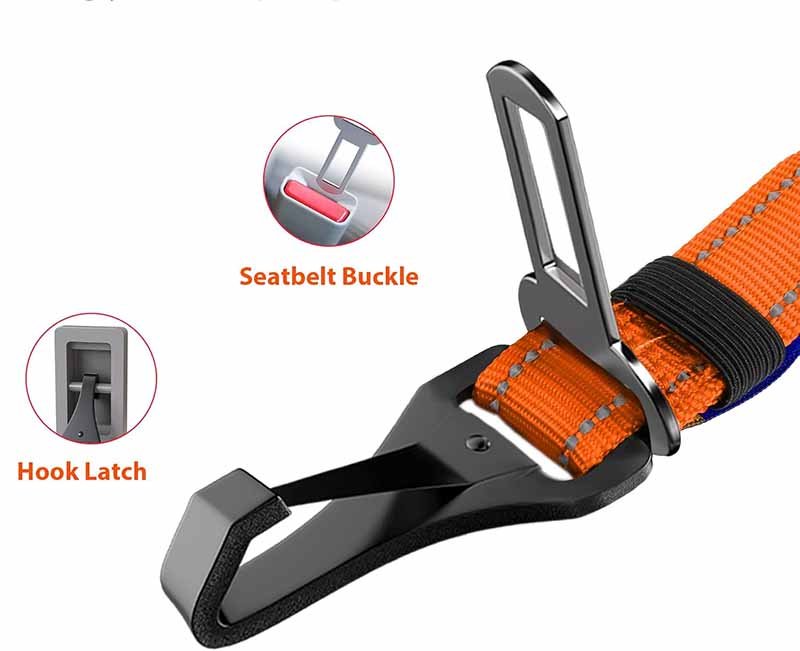
Choosing the right system hinges on your dog’s weight and activity level. For example, a 50‑pound Labrador may benefit most from a crash‑tested harness, whereas a 10‑pound terrier could use a basic strap if you’re mostly running local errands. Always verify weight limits and look for products with metal hardware (rather than plastic) for maximum reliability.
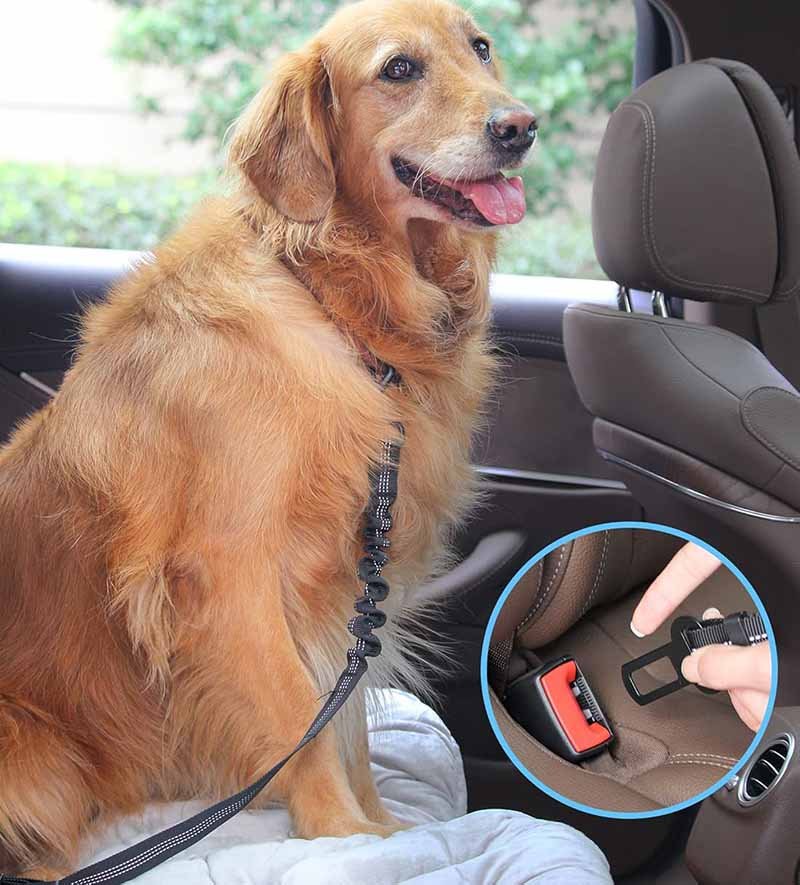
To use a dog seat belt correctly, always attach the tether to a well‑fitted harness (never a collar), anchor it securely to your vehicle’s seat‑belt buckle, LATCH point, or headrest loop, and adjust for about 2–3 inches of slack so your dog can sit or lie down comfortably without roaming forward.
Choose the Right Anchor Point:
Harness Attachment:
Safety Check:
Slack Management:
Range of Motion Test:
Periodic Rechecks:
Common Installation Mistakes to Avoid:
Installing and adjusting a dog seat belt may seem straightforward, but small missteps dramatically reduce its effectiveness. For example, attaching to a collar places all crash forces on the neck, drastically increasing the chance of spinal injury. In contrast, a properly fitted harness disperses energy across the chest—much like a human seat belt—protecting vital areas.
Vehicle anchor choice also matters. While the seat‑belt buckle adapter is the easiest, it isn’t always the most secure if the buckle design doesn’t fully seat the tether clip. LATCH anchors, engineered for heavy child‑seat loads, often provide a more robust hold, especially during high‑speed impacts. However, not all car makes standardize LATCH positions, so test compatibility before relying solely on this method.
Slack tuning is the final—and most frequently overlooked—step. Emergency braking can subject your dog to forces exceeding 20 G. Each extra inch of unnecessary movement allows your pet to build momentum before the harness engages, concentrating force at sudden stop. With proper 2–3 inch slack, you give the harness room to absorb some energy while keeping your dog safely restrained.
By combining a harness‑first approach, careful anchor selection, and regular slack checks, you’ll transform your dog seat belt from a simple accessory into a reliable lifesaver. Consistency is key: every trip, big or small, deserves the same meticulous preparation to protect your four‑legged co‑pilot.
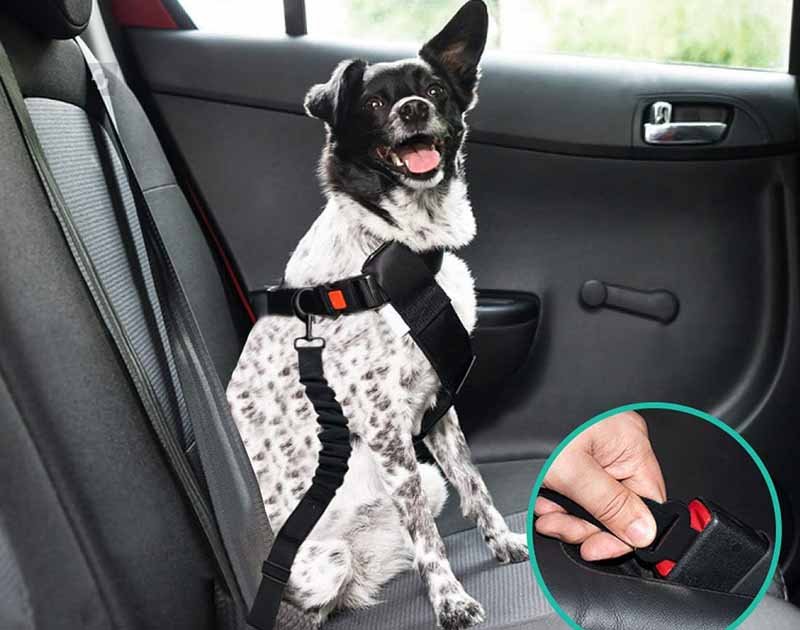
Crash‑testing shows certified dog harnesses reduce pet injury risk by over 80%, with fewer spinal and internal injuries compared to unrestrained dogs.
Studies by pet safety organizations and automotive institutes provide compelling evidence for dog seat belt efficacy:
However, not all restraints are equal. Non‑certified products lacking energy‑absorbing designs fail to dissipate crash forces, potentially causing harness breakage or neck strain. To ensure true protection:
Finally, consider statistics in the context of driving habits. Urban stop‑and‑go traffic may pose fewer high‑impact risks but more opportunities for distraction, underscoring the value of a tether even on local errands. On highways, where speeds—and thus crash forces—increase exponentially, only crash‑tested harness systems should be trusted.
Start with short, positive sessions: fit the harness at home, reward calm behavior, then introduce the tether and car rides gradually, using treats and praise to build positive associations.
Training your dog to tolerate—and eventually enjoy—the seat belt process is vital. For many pups, the initial experience can feel confining or scary. Here’s a progressive plan:
Harness Familiarization (Week 1):
Tether Introduction (Week 2):
Stationary Car Training (Week 3):
Short Drive Trials (Weeks 4–5):
Positive Reinforcement:
Maintenance:
Balancing patience with consistency accelerates acceptance. For especially anxious dogs, consider calming wraps or pheromone sprays in the car. If extreme fear persists, consult a veterinary behaviorist to rule out underlying issues.
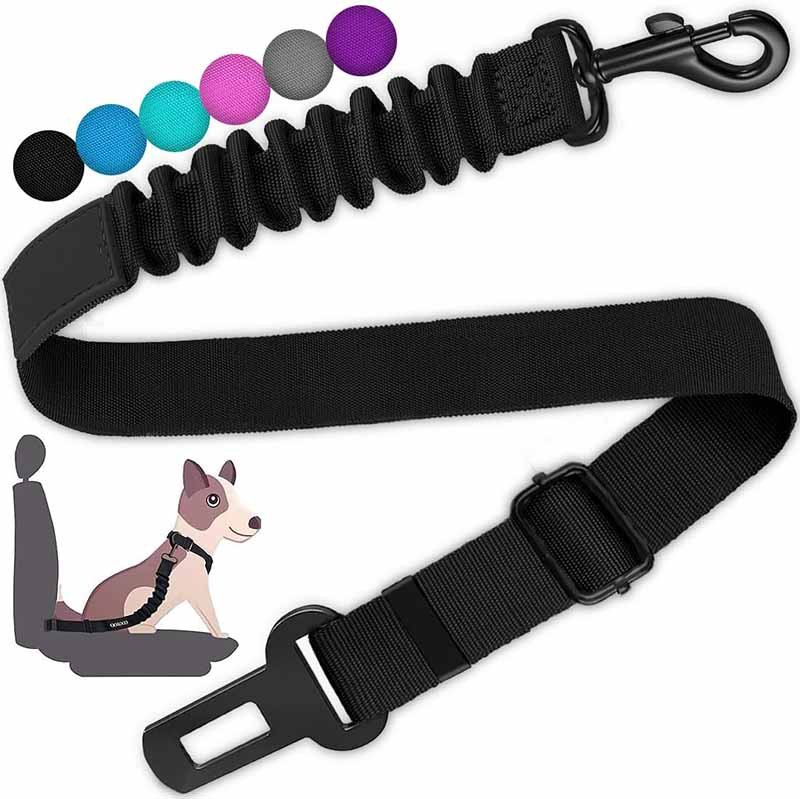
Always attach to a harness, keep your dog in the backseat, inspect equipment regularly, and never leave your pet unattended in a parked car, especially in extreme temperatures.
Beyond proper installation and training, these best practices further enhance safety:
Implementing these guidelines turns a simple seat belt harness into part of a comprehensive safety routine, ensuring peace of mind on every journey.
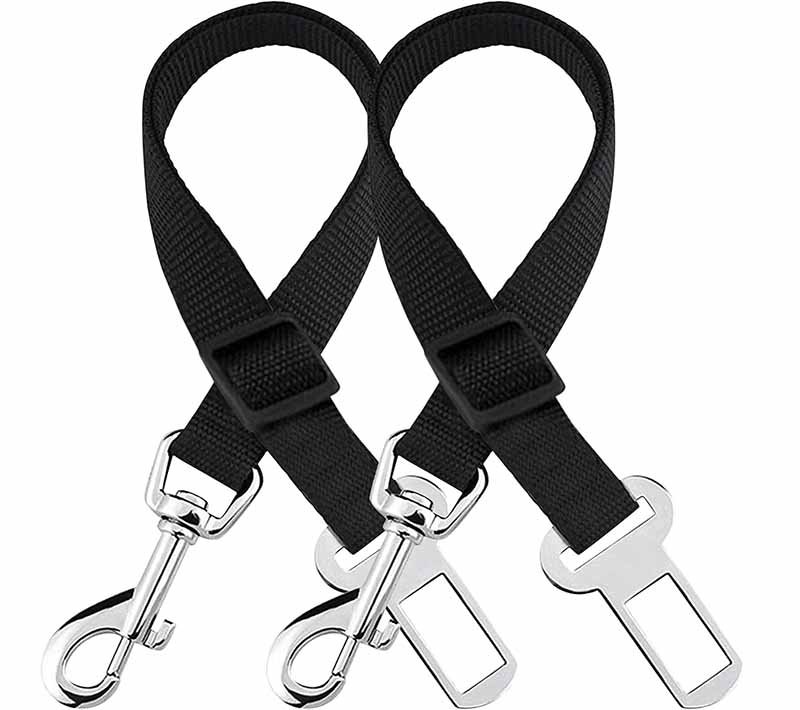
Yes—combining a seat belt tether with a sturdy crate or pet barrier offers layered protection. Ensure each system is properly anchored and does not conflict with the others.
For pet owners seeking ultimate security—such as those who transport service animals or compete in multi‑dog sports—layered restraint solutions provide added confidence:
Seat Belt + Crate Hybrid:
Seat Belt + Pet Barrier:
Booster Seats with Tethers:
Legal & Practical Considerations:
Critically, adding layers should never introduce new hazards—avoid overlapping straps that can tangle or chafe. Instead, plan each system’s path and anchor separately, ensuring clear load directions and easy release in case of emergency.
Investing in your dog’s safety on the road is an investment in peace of mind. At Szoneier, we specialize in precision‑woven webbing and custom pet restraint solutions tailored to your needs—whether you’re a passionate road‑tripper or daily commuter. From heavy‑duty crash‑tested tethers to comfortable bungee‑style straps, our factory’s 18 years of expertise ensure top quality, low MOQ customization, and rapid sampling.
👉 Contact Szoneier today to discuss bespoke dog seat belt manufacturing, custom colorways, branded hardware, or private‑label solutions. Keep your furry companion secure and comfortable on every adventure—reach out for a free design consultation and sample!