
- (+86)13823134897
- info@szoneierwebbing.com
From Inquiry to Delivery
 Skip to content
 From Inquiry to Delivery
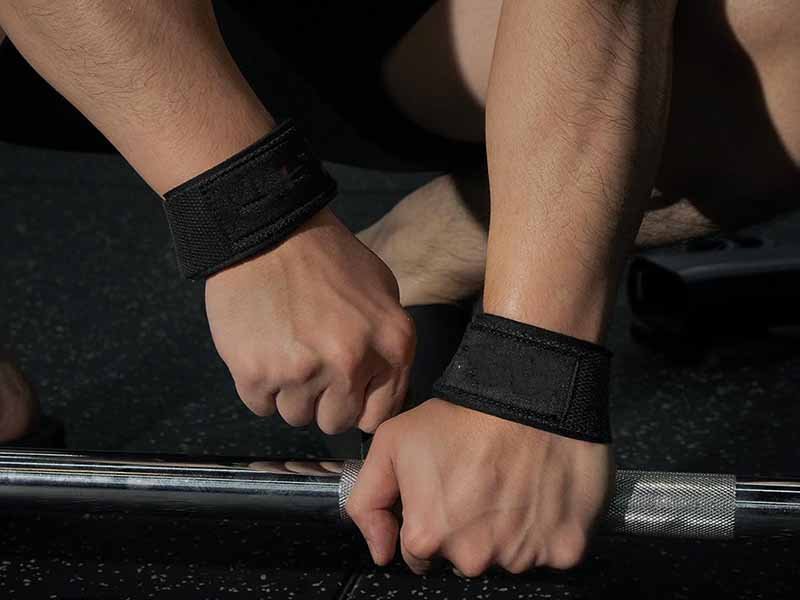
Have you ever felt your grip give out just as you’re about to hit a new personal record? It’s a frustrating moment: all that brute strength ready to move the weight, yet your hands betray you. That’s where lifting straps come in—they’re not just fancy accessories, but game-changing tools that can help athletes, powerlifters, and weekend warriors push past their grip limits and safely tackle heavier loads.
Yes—when used correctly, lifting straps can dramatically improve your ability to hold onto heavy bars by shifting load from fingers to wrists. They enhance grip endurance, reduce hand fatigue, and boost confidence under barbell movements, making them particularly valuable for deadlifts, rows, and pull-ups.
Imagine John, a competitive powerlifter, stuck at 400 lbs on deadlift for months. Frustrated, he tried nylon straps—and suddenly, 450 lbs moved more smoothly. His story isn’t unique: across gyms worldwide, athletes share how a simple strap unlocked new PRs. Ready to discover if straps are your next secret weapon? Let’s dive in.
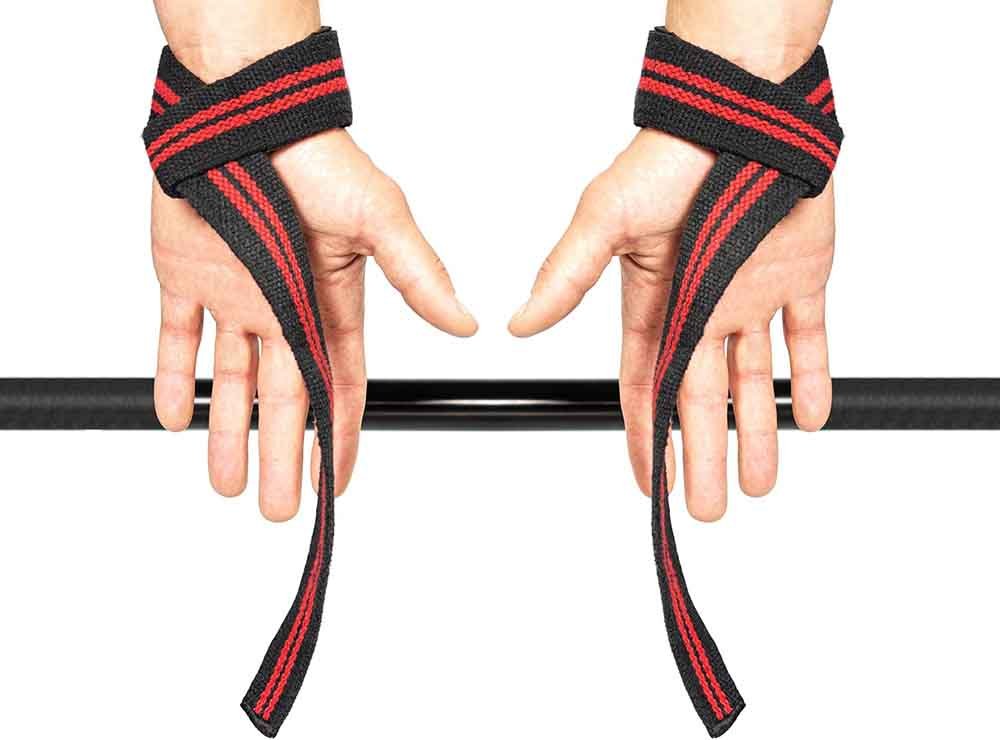
Lifting straps are durable fabric loops—commonly made of cotton, nylon, or polyester—that wrap around the wrist and the bar. By anchoring the bar to your wrist, straps transfer some load off your fingers and forearms, reducing grip fatigue. This design lets you focus power on the target muscles rather than risking a slip, making heavier lifts safer and more controlled.
Lifting straps trace back to early Olympic lifting and strongman competitions, where athletes needed reliable ways to maintain grip under extreme loads. Over decades, manufacturers have refined materials and designs:
Materials & Construction
Design Variations
Mechanical Advantage
When you wrap the strap around the bar, tension shifts some of the vertical force from your fingers to your wrist and forearm. Imagine the rope in a pulley: instead of pulling directly with your hand, the strap acts as a secondary handle that your wrist locks into, reducing slippage.
Practical Impacts
By understanding these fundamentals, you’ll appreciate why lifting straps are more than gym bling—they’re precision tools engineered to maximize your performance and safety.
The ideal strap depends on exercise and personal preference: nylon straps excel for heavy deadlifts and rows due to minimal stretch; cotton straps suit higher-rep workouts where comfort and sweat absorption matter; polyester offers a middle ground. Figure-8 straps provide rapid hook-and-lift ease for Olympic lifts but limit adjustability, while standard loops adapt to varied grips.
Selecting the right strap can be the difference between a supportive boost and an awkward distraction mid-lift. Let’s compare how different materials and designs align with popular lifts:
| Strap Type | Best For | Pros | Cons |
|---|---|---|---|
| Nylon Loop | Deadlifts, Bent-over Rows | Durable, minimal stretch, thin tail | Less comfortable on bare skin |
| Cotton Loop | High-rep Pull-ups, Curls | Soft, sweat-absorbent, easy to wrap | Can stretch under max loads |
| Polyester Loop | Versatile (all lifts) | Durable, moderate comfort, low stretch | Slightly thicker, less “soft” feel |
| Figure-8 Straps | Snatch, Clean variations | Instant hook, super secure | Bulky, fixed grip width |
Deadlifts & Rows
Pull-ups & Chin-ups
Clean & Snatch Drills
Accessory Movements (Curls, Shrugs, Lat Pull-downs)
Hybrid Training
Ultimately, match your strap choice to your training style, grip strength, and workout environment. Trial and error will help you find the sweet spot where support meets comfort.
Lifting straps bolster grip by transferring load to stronger wrist and forearm muscles, reducing finger fatigue. This mechanical aid lets you focus on target muscles—glutes, lats, traps—rather than worrying about bar slippage. By stabilizing form under heavy loads, straps decrease compensatory movements that cause injury, enhancing both performance and safety during high-intensity lifts.
When your grip is the limiting factor, the mind often flags danger before the muscles do. Straps act as an insurance policy, ensuring your hands stay locked onto the bar so you can engage core and prime movers fully:
Grip Endurance Extension
Enhanced Form Consistency
Injury Mitigation
Psychological Confidence
Balanced Muscle Development
By integrating straps thoughtfully—using them on heaviest sets or specific movements—you cultivate stronger target muscles while preserving joint health and reinforcing flawless technique under load.
Straps aren’t just for seasoned lifters. Beginners can benefit by learning proper movement patterns under lighter loads without grip hiccups. However, novices should avoid overuse to ensure natural grip strength develops. Integrating straps selectively—such as on final heavy sets—helps build confidence and technique while still challenging forearm muscles independently on strap-free days.
Lifters new to the gym face a steep learning curve: mastering form, building strength, and developing grip all at once. Here’s how straps fit into that journey:
Early Technique Focus
Beginners often struggle with bar control. Straps can stabilize the bar so they concentrate on hip hinge in deadlifts or scapular retractions in rows. Early success—no matter how assisted—boosts motivation.
Grip Strength Development
Overreliance kills progress. A study of collegiate athletes showed those who used straps on every set had 15 % weaker natural grip after 8 weeks compared to those who used straps sparingly.
Strategic Use Cases
Injury Prevention for Novices
Untrained tendons and ligaments are vulnerable. Straps can protect immature connective tissue from excessive shear forces, especially when form breakdown is likely.
Confidence & Consistency
Beginners intimidated by barbells can gain confidence lifting heavier weights with strap assistance, fostering consistency and adherence—key drivers of long-term progress.
Long-Term Grip Strategy
Balance is key: dedicate specific “grip days” with farmer’s carries, plate pinches, or towel pull-ups to keep hands strong independently of strap-assisted lifts.
Neither method is universally “better”—it depends on goals. Lifting without straps builds raw grip strength, crucial for athleticism and functional fitness. Straps allow you to target prime movers under heavier loads and prevent grip limits from halting progress. For balanced development, alternate strap-free sessions to strengthen forearms with strap-assisted sessions to maximize back and leg overload.
Overusing straps can stunt grip strength and create muscle imbalances. Reliance on straps may mask improper form, increasing injury risk. Ill-fitting or poorly wrapped straps can cut circulation or cause wrist strain. Awareness and moderation are essential—use straps strategically rather than as a crutch.
While lifting straps offer undeniable benefits, no tool is without drawbacks. Let’s scrutinize the potential downsides:
Grip Weakness Over Time
Relying on straps for every heavy set diminishes the stimulus on forearm flexors and hand intrinsic muscles. In a 12-week program, lifters who used straps on ≥ 80 % of sets lost 10–12 % of max pinch strength compared to a 2 % drop in the control group.
Form Masking
Straps can hide improper technique. If your back rounds on deadlift, the strap won’t let you feel the bar shift—potentially reinforcing bad motor patterns that lead to injury later.
Circulation & Nerve Compression
False Performance Metrics
Viewing strap-assisted lifts as a direct gauge of strength can be misleading—your grip-limited max may differ substantially from raw max. Competitors in powerlifting federations don’t allow straps, so overreliance can hinder contest readiness.
Dependency Mentality
Athletes may shy away from learning proper grip techniques (e.g., hook grip, mixed grip) if straps are always on standby. Mental toughness and skill adaptation are just as crucial as muscle strength.
Wrap the strap’s small loop around your wrist, letting the long tail extend toward the bar. Place the tail under the barbell, then twist once or twice depending on desired tightness. Grip the bar over the strap, slide your hands inward, and cinch down by pulling the tail. Maintain even tension on both wrists, and ensure straps aren’t so tight they restrict blood flow.
Mastering strap technique ensures you reap benefits without hazards:
Step-by-Step Wrapping
Grip Positioning
Symmetry & Balance
Always wrap both wrists even if only one feels weaker—imbalanced tension can shift the bar off-center and stress the spine unevenly.
Maintenance & Care
Integration into Training
Straps are powerful allies when harnessed correctly. They enable you to push heavier, train longer, and preserve form under fatigue—accelerating gains in back, legs, and core strength. But like any tool, balance is key: overuse risks grip atrophy, form masking, and false confidence.
Whether you’re a beginner aiming to perfect technique or a veteran chasing new PRs, strategic strap use—coupled with raw grip training—offers the best of both worlds.
Ready to elevate your lifts? Contact Szoneier today to customize premium nylon, polyester, or cotton lifting straps with your logo, low MOQ, free design support, and fast sampling. Let our 18+ years of webbing expertise power your performance—get your custom quote now!


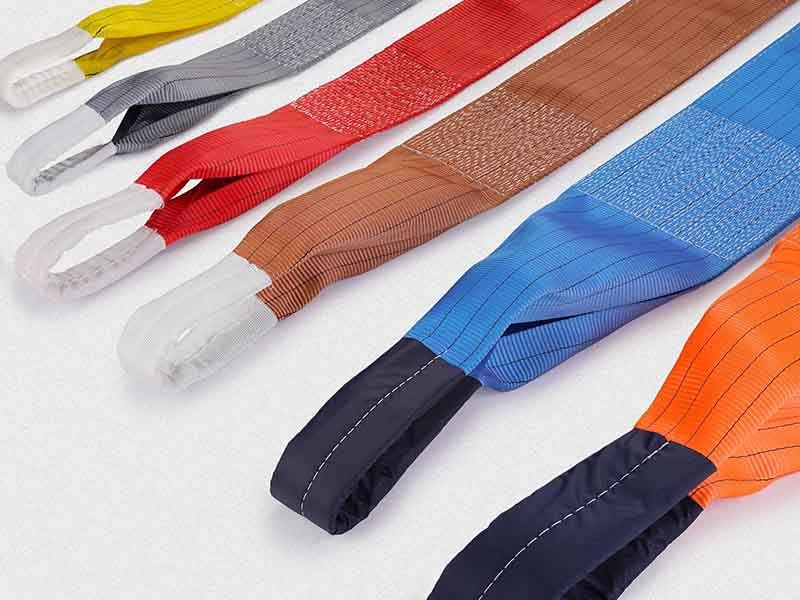
No worries, please contact us and we will answer all the questions you have during the whole process of webbing customization.
If you have your own artwork, logo design files, or just an idea,please provide details about your project requirements, including preferred fabric, color, and customization options,we’re excited to assist you in bringing your bespoke bag designs to life through our sample production process.

Copyright ©2021 Szoneier , All rights reserved.
Looking for premium custom webbing? Contact us now for competitive pricing, free samples, and expert consultation. Fill out the form below, and our team will get back to you within 24 hours!
 Optimized by Seraphinite Accelerator