Skip to content

Ever had a strap dig into your shoulder or stretch out so much your pack sags? Most folks fixate on bag design and forget the humble strap webbing is what really carries the load—literally. Choosing the right webbing means your gear stays secure, your shoulders stay happy, and your pack outlasts every adventure.
The best webbing for backpack straps blends high tensile strength, minimal stretch, UV/moisture resistance, and ergonomic comfort. Premium 1″–1.5″ nylon or polyester webbing with a tight weave and protective PU coating usually tops the list for durability and feel. Knowing your load, environment, and budget helps you pick the perfect strap material.
Picture this: you’re on day three of a canyon hike, battling wind and rain. Your pack’s straps are soaked and slipping—your shoulders scream. Now imagine straps that grip, shrug off moisture, and keep their shape. That’s the power of choosing wisely, and we’ll show you how.
What Fabric Is Used for Backpack Straps?
Most backpack straps use synthetic webbing—nylon, polyester, or polypropylene—woven flat or tubular to balance comfort and toughness.
Backpack straps feature woven nylon, polyester, or polypropylene webbing. Fabric denier (500D–1500D), weave style (plain, twill, tubular), and finishes (PU, UV stabilizers, mildew inhibitors) control strength, stretch, and weather resistance, making each choice a balance of comfort, load capacity, and lifespan.
1. Common Polymers & Denier Ratings
| Material | Denier Range | Approx. Weight (1″×1 yd) | Tensile Strength |
|---|---|---|---|
| Nylon | 500D–1500D | 18 g–45 g | 4,000–6,000 lbf |
| Polyester | 500D–1200D | 16 g–35 g | 3,500–5,000 lbf |
| Polypropylene | 400D–1000D | 12 g–30 g | 2,000–4,000 lbf |
- Denier measures fiber thickness; higher = stronger but heavier.
- Flat vs. Tubular Weave: Flat webbing is firm; tubular is softer and more rounded.
- Weave Types: Plain for cost, twill/herringbone for abrasion resistance.
2. How Fabric Properties Impact Comfort
- Weight vs. Softness: Thicker webbing pads shoulders better but adds grams.
- Edge Feel: Tubular edges reduce digging in; flat edges work with padding.
- Breathability: Some weaves allow air flow—critical on long treks.
3. Finishes & Coatings
- PU (Polyurethane) Coating: Adds water repellence and grip.
- Silicone Finish: Slipper‑resistant in wet conditions.
- UV Stabilizers + Mildew Inhibitors: Extend lifespan in sun and humidity.
How Does Nylon Webbing Perform for Backpack Straps?
Nylon is the workhorse: it boasts top tensile strength and wear resistance, but it absorbs water and can stretch.
Nylon webbing delivers 4,000–6,000 lbf strength and high abrasion resistance, but can absorb 4–5% moisture and stretch up to 10%. UV treatment keeps it from losing 30% strength over 500 hours of sun exposure.
Performance Metrics
| Property | Untreated Nylon | UV‑Stabilized Nylon |
|---|---|---|
| Tensile Strength (lbf) | 4,000 | 4,000 |
| Moisture Absorption (%) | 4–5% | 4–5% |
| Wet Stretch (%) | 8–10% | 8–10% |
| UV Strength Retention (%) | 70% after 500 hr | 90% after 1,000 hr |
| Abrasion Rating (ASTM) | 4.5/5 | 4.5/5 |
Real‑World Insight
A gear company switched from plain nylon to UV‑treated nylon webbing and saw 40% fewer warranty claims for snapped straps during three seasons of alpine treks.
Comfort & Load Considerations
- Stretch Under Load: Up to 10%—expect to re‑tighten on multi‑day trips.
- Wet Conditions: Slight sag; nylon dries fast but may loosen mid‑hike.
- Abrasion: Excellent against rocks and rough gear, making it ideal for technical packs.
How Does Polyester Webbing Perform for Backpack Straps?
Polyester resists UV and moisture better than nylon, stretches just 2–3%, and keeps its shape under varied conditions.
Polyester webbing absorbs <1% moisture, stretches only 2–3%, and retains 95% of tensile strength after 1,000 hours of UV. With PU or silicone coatings, it grips wet shoulders and recovers its shape rapidly, ideal for unpredictable weather.
Side‑by‑Side Comparison with Nylon
| Property | Polyester | Nylon |
|---|---|---|
| Moisture Absorption (%) | <1% | 4–5% |
| Wet Stretch (%) | 2–3% | 8–10% |
| UV Strength Retention (%) | 95% after 1,000 hr | 70% after 500 hr |
| Abrasion Rating (ASTM) | 4.0/5 | 4.5/5 |
| Typical Cost per Yard ($) | $1.00 | $1.20 |
Why Polyester Wins in Sun & Rain
- Minimal Stretch: Keeps load stable in rain or snow.
- Fast Drying: Offers consistent fit day after day.
- Grip Coatings: PU and silicone finishes prevent slipping even when soaked.
Applications & Examples
- Coastal hiking packs use polyester webbing to resist salt spray and UV.
- Ski packs favor silicone‑finished polyester to lock straps in place on cold slopes.
How Does Polypropylene Webbing Perform for Backpack Straps?
Polypropylene is lightweight and cheap, with superior chemical and mildew resistance, but it weakens under heat and carries less load capacity.
Polypropylene webbing weighs only 12 g/yd, absorbs <0.5% water, and resists mildew and chemicals, but melts above 320 °F and softens above 140 °F. Tensile strength is 2,000–4,000 lbf—sufficient for daypacks and marine bags.
Detailed Property Table
| Property | Polypropylene | Polyester | Nylon |
|---|---|---|---|
| Denier Range | 400D–1,000D | 500D–1,200D | 500D–1,500D |
| Weight (1″×1 yd) | 12 g | 16 g | 18 g |
| Tensile Strength (lbf) | 2,000–4,000 | 3,500–5,000 | 4,000–6,000 |
| Moisture Absorption (%) | <0.5% | <1% | 4–5% |
| Chemical Resistance | Excellent | Good | Fair |
| Heat Tolerance | Softens >140 °F | Softens >180 °F | Softens >160 °F |
| Typical Cost per Yard ($) | $0.50 | $1.00 | $1.20 |
Best Use Cases
- Water Sports & Marine Gear: Resistant to salt, chlorine, and mold.
- Food‑Grade Straps: Unaffected by oils or mild acids in kitchens.
- Budget Daypacks: Adequate for loads ≤50 lb at minimal cost.
Drawbacks to Watch
- Heat Exposure: Avoid leaving straps in hot cars or near heat sources.
- Thinner Weave: Less abrasion resistance—add reinforced edges if needed.
What Mechanical and Environmental Factors Affect Webbing Performance?
Your chosen webbing must survive both the pull of your pack and the elements—sun, rain, sand, and sweat.
Breaking strength depends on denier, weave density, and width. UV, moisture cycles, abrasion, and chemicals degrade webbing over time. Protective treatments (UV stabilizers, mildew inhibitors, edge reinforcements) extend service life, balancing toughness and comfort.
1. Load & Safety Factors
- Recommended Safety Factor: Use webbing rated at 3× your maximum load.
- Width Matters: 25 mm vs. 38 mm—wider webbing spreads weight and reduces pressure points.
Load Distribution Table
| Width (mm) | Max Safe Load (lbf) | Shoulder Pressure* |
|---|---|---|
| 25 | 500 | High |
| 38 | 800 | Moderate |
| 50 | 1,200 | Low |
- Pressure felt by average user under 50 lb load.
2. UV & Sunlight
- Photo‑Oxidation: Polymer chains break, reducing strength ~1% per 100 hr if untreated.
- Preventive Steps:
- UV‑stabilized webbing retains >90% strength after 1,000 hr.
- Store packs in shade when not in use.
3. Moisture Cycling & Mildew
- Wet–Dry Fatigue: Repeated swelling and shrinkage can deform weaves.
- Mildew Growth: Untreated webbing in humid zones can harbor mold.
- Solution: Use mildew‑resistant treatments in tropical or marine environments.
4. Abrasion & Contaminants
- Sand & Grit: Finer weaves shed debris; reinforced edges resist fraying.
- Edge Wear: Add nylon binding to polypropylene straps for tougher edges.
How Do I Select the Best Webbing for My Specific Strap Needs?
Pick webbing by defining load, environment, and budget, then test samples under real‑world conditions before committing to production.
Identify max load, usage climate, and aesthetic needs. Request 1 yd samples of 25 mm and 38 mm widths in nylon and polyester with coatings. Test for break strength, stretch under load, and grip on wet shoulders.
Step 1: Define Your Requirements
- Maximum Load: Hiking pack (60 lb) vs. camera bag (15 lb).
- Environment: Alpine, marine, desert, or urban commute.
- Weight Target: Ultralight backpacking vs. heavy gear hauler.
Step 2: Ask Your Supplier
- Material Specs: Denier, weave type, coatings.
- Treatments Offered: UV, mildew, silicone, PU.
- Customization: Colors, reflective stripes, embossing.
Step 3: Sample Testing Protocol
| Test Type | Method | Pass Criteria |
|---|---|---|
| Tensile Break Test | Spring scale ramp to break | ≥ rated tensile strength |
| Stretch Measurement | 50 lb load for 1 hr, measure elongation | ≤ material’s spec stretch |
| Abrasion Simulation | 10 cycles on 400 grit sandpaper | ≥ 90% filament retention |
| Wet Grip Assessment | Coat with water, hand‑pull force gauge | ≥ hold without slippage |
| UV Exposure | 500 hr in UV chamber | Retain ≥ 85% tensile strength |
Step 4: Balance Cost & Performance
| Feature | Budget Setup | Premium Setup |
|---|---|---|
| Material | Polypropylene | UV‑treated Nylon |
| Width | 25 mm | 38 mm |
| Coating | None | PU + Silicone |
| Estimated Lifespan | 1–2 years | 5+ years |
| Cost per Yard ($) | 0.50–0.75 | 1.50–2.00 |
Conclusion:
Ready to upgrade your straps from flimsy to formidable? Reach out to Szoneier for a custom webbing solution—free design mockups, complimentary samples, and flexible color and finish options. Let our decades of R&D and manufacturing expertise craft the perfect webbing for your next backpack or bag project.
Latest blogs
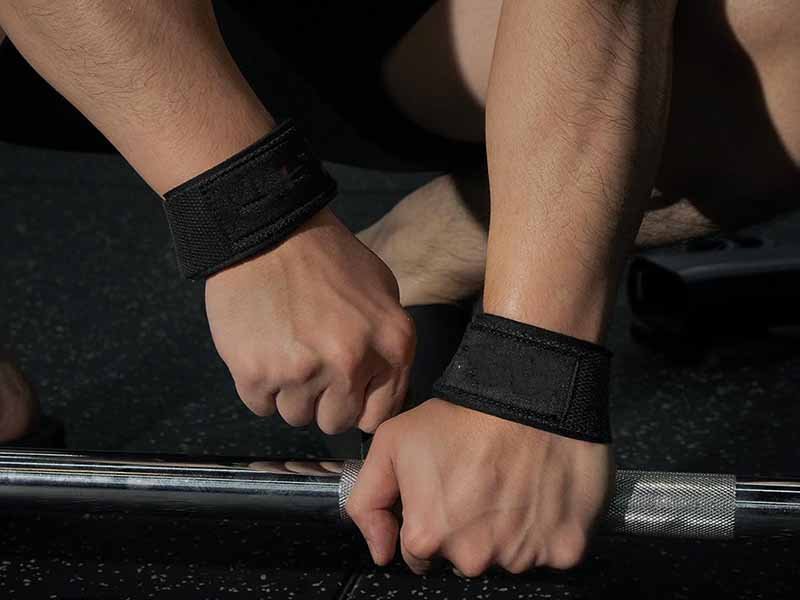
How to Wear Lifting Straps: Step-by-Step Guide for Maximum Grip and Safety
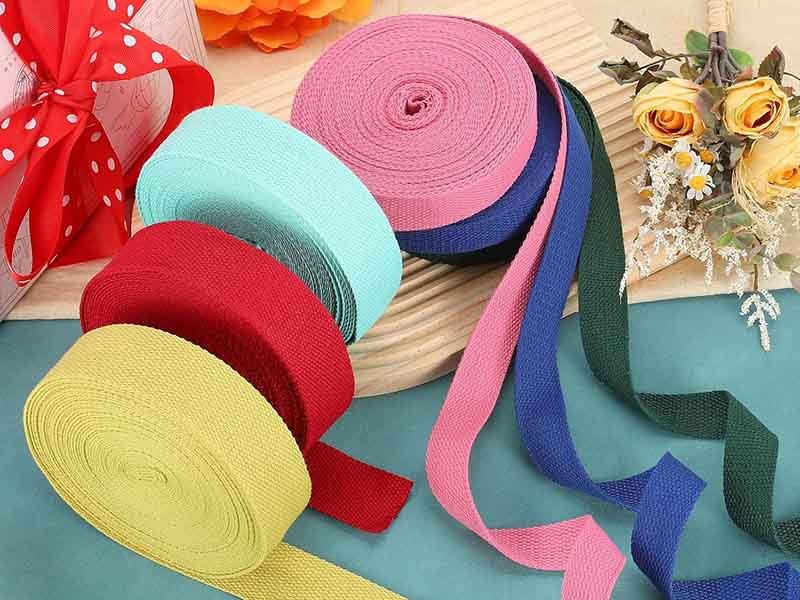
Is Polyester Webbing UV Resistant And Why Does It Matter?
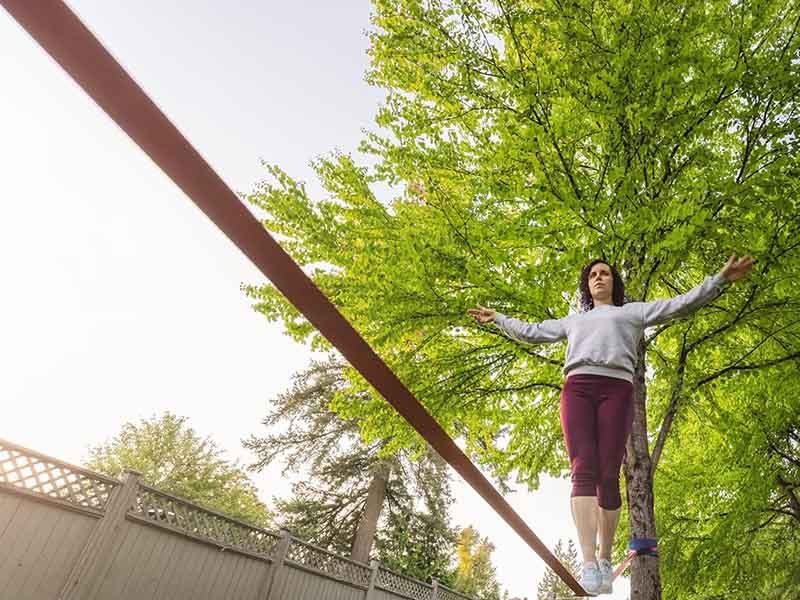
What Is a Slackliner? A Complete Guide to Gear and Techniques

What Is Cotton Twill Tape? Complete Definition & Buyer Insights
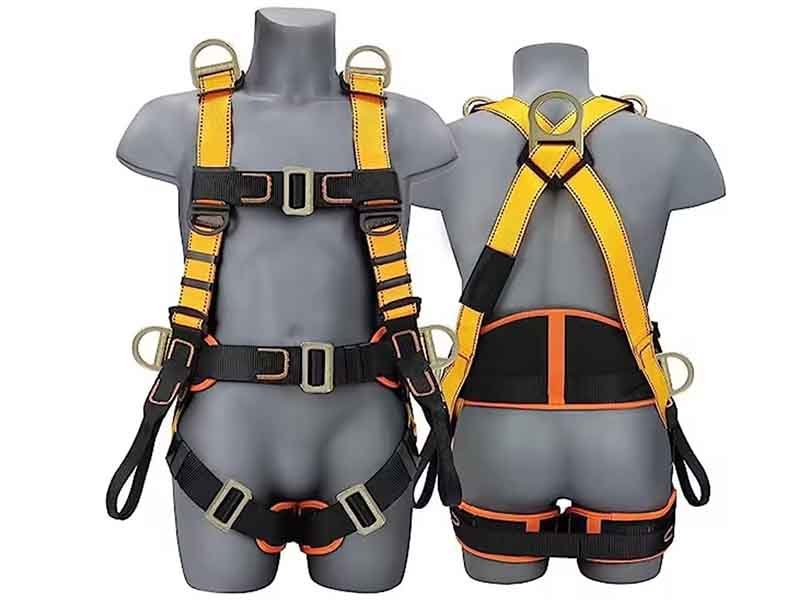
What Is the Safety Belt Used For?
Types of Synthetic Slings: A Complete Guide for Safe Lifting
Can't find the answers?
No worries, please contact us and we will answer all the questions you have during the whole process of webbing customization.
Make A Sample First?
If you have your own artwork, logo design files, or just an idea,please provide details about your project requirements, including preferred fabric, color, and customization options,we’re excited to assist you in bringing your bespoke bag designs to life through our sample production process.