
- (+86)13823134897
- info@szoneierwebbing.com
From Inquiry to Delivery
 Skip to content
 From Inquiry to Delivery
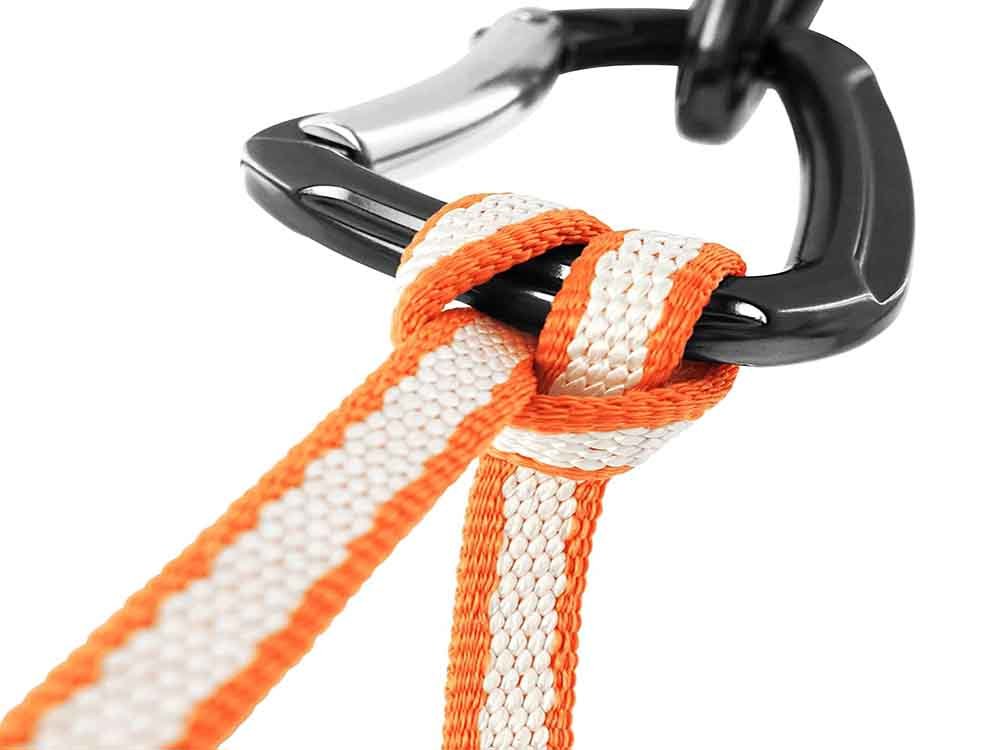
Rock climbing gear has come a long way since the first nylon loops of the 1950s. Today, your rack might include everything from dainty 16 mm Dyneema runners to hefty 25 mm nylon slings. But whether you’re sport-climbing granite faces, racking up trad leads, or chasing alpine objectives, the age-old question persists: What exactly sets runners apart from slings, and when should you pack which?
A climbing runner is a short, sewn loop (30 cm–60 cm) designed primarily to extend protection points and reduce rope drag. A climbing sling is a longer loop (120 cm–240 cm) used for building anchors, equalizing pieces, or wrapping natural features. Though both can be made from nylon, polyester, or Dyneema, their lengths, widths, and stitching patterns cater to distinct roles on the wall. Knowing these roles helps you streamline your rack and climb smarter.
Imagine you’re 30 m up a multi-pitch route, wind howling, and you realize your last runner is buried under a tangle of cams. In that heart-racing moment, grabbing the right piece—runner or sling—can mean smoother climbing or a gruesome shudder. Let’s break it down, section by section, with real numbers, charts, and honest advice.
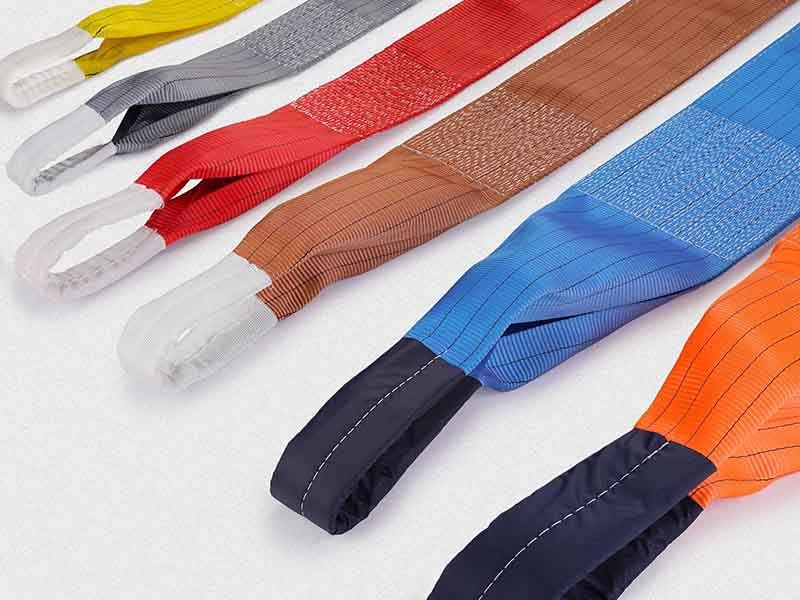
A climbing runner is a sewn loop of webbing—usually 30 cm, 45 cm, or 60 cm long—used to extend protection, minimize rope drag, and enable quick direction changes. Its compact size and color-coded lengths make it perfect for clipping cams, nuts, or bolts without cluttering your harness. Runners keep your rope running smoothly from protection to belayer, reducing force on gear and boosting efficiency on multi-pitch and sport routes.
Nope—but they’re cousins. Both are loops of webbing, but runners are trimmed for compactness, while slings come long for anchor-building. Runners often have a single straight or box-stitch seam, whereas slings may have overlocked edges or reinforced stitching for abrasion resistance.
Key Runner Specs at a Glance
| Length (cm) | Width (mm) | Material | Weight per Loop (g) | Strength (kN) | Typical Use |
|---|---|---|---|---|---|
| 30 | 16 | Polyester | ~45 | 22 | Sport extensions, cams |
| 45 | 25 | Polyester | ~75 | 22 | Moderate reach, trad small |
| 60 | 25 | Nylon | ~90 | 22 | Alpine moderate extensions |
Dive Deeper:
A climbing sling is a continuous loop of webbing—commonly 120 cm, 180 cm, or 240 cm long—used for anchor building, equalizing multiple pieces, or extending placements. Its generous length lets you wrap natural features, configure sliding-X anchors, or tie girth hitches on carabiners. Slings can also be knotted for custom lengths, serving double duty as backup runners or tethers.
Key Sling Specs
| Length (cm) | Material | Weight (g) | Major Axis Strength (kN) | Knot Efficiency | Best Uses |
|---|---|---|---|---|---|
| 120 | Nylon | ~100 | 22 | 70–80% | General anchors, cordelette |
| 180 | Polyester | ~150 | 25 | 70–80% | Equalizing multi-pitch belays |
| 240 | Dyneema (7 mm) | ~90 | 20 | 60–70% | Ultralight alpine, haul-tether backup |
Dive Deeper:
Material choice—polyester, nylon, or Dyneema—directly affects strength, stretch, weight, and UV resistance. Polyester runners stand up to UV and abrasion best, nylon slings soak up shocks on falls, and Dyneema shaves grams for alpine aspirations. Picking the right webbing ensures your gear behaves predictably, whether you’re sport or trad climbing, or high-exposure mountaineering.
Material Comparison at a Glance
| Property | Nylon | Polyester | Dyneema (UHMWPE) |
|---|---|---|---|
| Stretch | 8–10% | 4–6% | <3% |
| Weight per m (25 mm) | ~90 g | ~85 g | ~50 g |
| UV Resistance | Moderate | High | Moderate |
| Abrasion Resistance | High | Very High | Low–Moderate |
| Knot-ability | Excellent | Good | Poor (slips) |
| Water Absorption | Yes (up to 8%) | Minimal | None |
| Typical Use | Slings, some runners | Sport runners, slings | Alpine slings, runners |
Why Stretch Matters:
Weight Savings:
Durability Trade-offs:
Heat & Chemical Sensitivity:
Use runners when you need quick, low-bulk extensions to reduce rope drag on sport or moderate trad climbs. Opt for slings when building multi-piece anchors, equalizing placements, or wrapping natural features like horns or chockstones—especially on multi-pitch and alpine routes. Matching your gear to the climb type ensures efficiency and safety.
Slings shine when you need to:
Usage Scenario Breakdown
| Scenario | Recommended Gear | Why |
|---|---|---|
| Sport Climbing | Runners (30–60 cm) | Minimal bulk, fast clipping |
| Single-Pitch Trad | Mix of runners & slings | Runners for cams; slings for anchors |
| Multi-Pitch Trad | Slings (120 cm) + runners | Build anchors; reduce rope drag |
| Alpine / Big-Wall | Dyneema slings & runners | Ultralight, multi-purpose |
Sport vs Trad
Multi-Pitch Anchors
Alpine Speed-Climbing
Gear Management
Both runners and slings typically bear 20–25 kN along the major axis, but knot-efficiency and off-axis loads differ. A 22 kN sling tied with a water knot drops to ~15–17 kN. Minor‐axis or edge loading can plummet to <7 kN. Always heed manufacturer ratings, inspect your webbing, and load along the major axis for maximum strength.
| Test Condition | Rated Strength (kN) | After Knot (%) | Effective Strength (kN) |
|---|---|---|---|
| Factory Major-Axis (no knot) | 22–25 | N/A | 22–25 |
| Water Knot (nylon) | 22–25 | 70–80% | 15.4–20 |
| Figure-8 Knot | 22–25 | 75–85% | 16.5–21.3 |
| Minor-Axis Loading | 22–25 | 25–35% | 5.5–8.75 |
Testing Standards
Real-World Implications
Knots & Retirement
Redundancy
Pick runner widths of 16 mm for alpine speed, 25 mm for durability, and lengths of 30 cm–60 cm based on typical route style. For slings, 120 cm is your everyday workhorse; add 180 cm or 240 cm if you rig complex multi-pitch anchors. Track which lengths you actually use on climbs and build a personalized rack—save weight and stay efficient.
Length & Width Decision Matrix
| Climbing Style | Runner Width | Runner Lengths | Sling Lengths |
|---|---|---|---|
| Sport | 25 mm | 30, 45 cm | 120 cm (anchor backup) |
| Trad Single-Pitch | 25 mm | 30, 45, 60 cm | 120, 180 cm |
| Multi-Pitch / Alpine | 16 mm | 30, 45, (60) cm | 120, 180, 240 cm |
| Big-Wall / Aid Climb | 16 mm | 30 cm only (minimal) | 120, 180 cm Dyneema |
Slings’ length and knot-ability make them multi-purpose: run ‘em as runners, build anchors, rig rescue systems, or tether gear. Yet dedicated runners win in sport: color-coded, slim, and fast to grab. The ideal rack blends both—using slings for anchors and backup, runners for rapid, low-bulk extensions.
Slings for Everything
Runners for Speed
Balanced Rack Strategy
Wash webbing in warm water with mild soap, air-dry away from sunlight, and store in a cool, dry place. Inspect after every trip—run your fingers along the webbing to detect flat spots, feel for stiff or fuzzy areas, and look for discoloration or frays. Retire any piece with cuts deeper than 1 mm, UV damage (chalky white), or after a severe fall.
Cleaning Routine
Inspection Checklist
Retirement Guidelines
Storage Tips
So there you have it—a no-BS breakdown of climbing runners versus slings. Runners keep your rope dancing smoothly on sport pitches, slings build rock-solid anchors on trad and alpine routes. Material, length, width, and care all play into performance and longevity. Now it’s up to you to assemble a rack that fits your style and keeps you safe—and smiling—up there.
Ready to Customize Your Webbing?
At Szoneier, we’ve spent 18+ years perfecting webbing—from nylon and polyester to PP and cotton, in every color and pattern you can dream of. Whether you want ultralight 16 mm Dyneema runners or beefy 25 mm polyester slings, our low MOQs, lightning-fast sampling, and 100% quality guarantee mean you get exactly the gear you need, when you need it.
Hit us up for a quote today at info@szoneierwebbing.com and let’s rig you out for your next adventure!

No worries, please contact us and we will answer all the questions you have during the whole process of webbing customization.
If you have your own artwork, logo design files, or just an idea,please provide details about your project requirements, including preferred fabric, color, and customization options,we’re excited to assist you in bringing your bespoke bag designs to life through our sample production process.

Copyright ©2021 Szoneier , All rights reserved.
Looking for premium custom webbing? Contact us now for competitive pricing, free samples, and expert consultation. Fill out the form below, and our team will get back to you within 24 hours!
 Optimized by Seraphinite Accelerator