
From Inquiry to Delivery
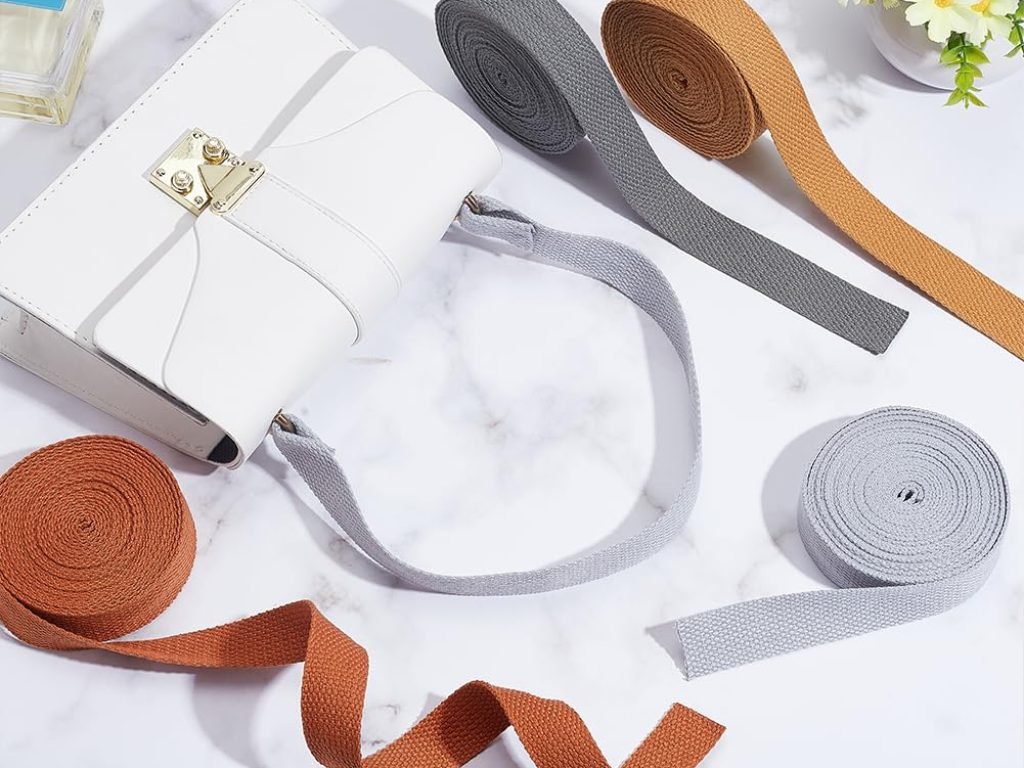
Webbing may not be something you think about every day, but it’s everywhere – in your backpacks, belts, outdoor gear, furniture, and even your pet’s leash. But when it comes time to choose a type of webbing for a product or project, the debate often comes down to cotton vs nylon webbing. Which is stronger? Which lasts longer? And most importantly, which is the right choice for your specific needs?
Cotton webbing is natural, eco-friendly, and comfortable to touch, making it ideal for lifestyle and fashion products. Nylon webbing, on the other hand, is synthetic, incredibly strong, and resistant to water and abrasion, making it perfect for industrial and outdoor use.
Imagine this: you’re designing a custom tote bag line for your eco-conscious brand. Should you go with soft, organic cotton straps or opt for rugged nylon ones that hold up to heavy wear? That decision alone could shape your brand’s entire identity. Stick around, because in this guide, we’re diving deep into the details to help you make the right call.
Webbing is a strong woven fabric used in various products for support, load-bearing, or decorative purposes.
Definition and Origins: Webbing is a woven band of material, traditionally used in military gear and industrial applications. Today, it appears in countless consumer products.
Common Applications: Webbing is found in backpacks, straps, harnesses, belts, furniture, sports equipment, pet leashes, luggage, and safety gear.
What Is the Best Material for Webbing?
When Material Choice Matters: The ideal webbing depends on product use – fashion accessories prioritize comfort and aesthetic, while tactical gear demands durability.
Cotton webbing is a natural fiber strap known for its softness, eco-friendliness, and ease of customization.
Manufacturing Process: Cotton fibers are spun, dyed, and woven into flat or tubular patterns.
What Is Cotton Webbing Used For?
Is Cotton Webbing Strong?
Pros and Cons of Cotton Webbing:
| Pros | Cons |
|---|---|
| Natural and biodegradable | Not water-resistant |
| Soft and comfortable | Can shrink or rot when wet |
| Easy to dye and print | Less abrasion resistance |
Aesthetic Appeal: Cotton has a matte, earthy texture ideal for fashion-conscious brands.
Nylon webbing is a synthetic strap material valued for its high strength, abrasion resistance, and durability in demanding environments.
How It’s Made: Nylon polymers are melted, extruded, and woven into high-tensile bands.
Ideal Uses for Nylon Webbing:
What Is the Lifespan of Nylon Webbing?
Performance Pros and Cons:
| Pros | Cons |
|---|---|
| Very high tensile strength | Can fray over time if edges aren’t sealed |
| Water and abrasion-resistant | Can be slick or stiff |
| Long-lasting in harsh conditions | Not biodegradable |
Technical Strength: Nylon can support loads over 1000 lbs depending on width and weave.
Nylon webbing is stronger and lasts longer; cotton webbing is more comfortable and sustainable.
Let’s break it down even further with real, specific differences you can actually feel, see, and count on when designing your product:
Here’s a simple visual guide to help you compare:
| Feature | Cotton Webbing | Nylon Webbing |
|---|---|---|
| Strength | Medium (300–500 lbs) | High (800–1500 lbs) |
| Comfort | Soft, breathable | Slick, firm |
| Water Resistance | Low | High |
| UV Resistance | Low | High |
| Biodegradable | Yes | No |
| Best Use | Fashion, lifestyle products | Outdoor, tactical, heavy-duty |
| Lifespan | 2–5 years | 5–10+ years |
| Printing/Branding | Excellent | Moderate |
| Price per Yard | Lower | Higher |
So, nylon is like the all-terrain SUV that hauls your gear through mountains and rain. Cotton is your classic, comfy cruiser – smooth, stylish, and eco-aware.
Choose based on your product’s function, your customer’s lifestyle, and your brand values.
When picking between cotton and nylon webbing, you need to think beyond just “which one is stronger.” Instead, think about where and how the product will be used, and what kind of message you want your product to send.
Let’s look at the decision from multiple angles:
Here’s a clearer way to see it:
| Product Type | Best Webbing Choice | Why It Works |
|---|---|---|
| Reusable tote bags | Cotton | Soft, natural texture; good for printing and eco appeal |
| Tactical backpacks | Nylon | Maximum strength and weather resistance |
| Yoga or fitness straps | Cotton | Breathable and soft against the skin |
| Large dog leashes | Nylon | Can withstand pulling force and wear over time |
| Kids’ accessories | Cotton | Safe, soft, non-abrasive, and often organic |
| Outdoor camping gear | Nylon | Durable, mold-resistant, UV-resistant |
| Eco fashion accessories | Cotton | Matches sustainable brand values and aesthetic |
| Industrial straps | Nylon | Meets safety standards with high tensile performance |
Still not sure? Go hybrid. Cotton-nylon blends offer a balance between comfort and performance, and they’re great for products that need to look good and work hard.
Think about how long you want your product to last, how you want it to feel in your customer’s hand, and what statement you want your brand to make. That’s how you choose the right webbing.
Yes. Cotton is plant-based, biodegradable, and significantly better for the environment than petroleum-based nylon.
Let’s look deeper. If sustainability is part of your brand’s mission, your choice of materials matters – and not just for marketing. Cotton webbing, especially when organic or recycled, has a dramatically lower environmental footprint.
Here’s why:
| Sustainability Factor | Cotton Webbing | Nylon Webbing |
|---|---|---|
| Material Source | Renewable (plant-based) | Non-renewable (petroleum-based) |
| Carbon Footprint | Low (esp. with organic) | High due to chemical processing |
| Biodegradability | Yes (3–6 months) | No (30–100+ years) |
| Microplastic Risk | None | High |
| Ease of Recycling | Easy (mechanical) | Limited (industrial only) |
| Eco Brand Appeal | Very High | Low |
In short, cotton webbing is the better option for environmentally conscious brands and consumers. It aligns with ethical sourcing, reduces landfill waste, and communicates a clear sustainability message.
And yes, more and more customers today are paying attention to these things. Choosing cotton over nylon isn’t just a technical decision – it’s a brand story, and a powerful one at that.
Definitely. Cotton needs gentle care; nylon is way more rugged and low-maintenance.
Let’s get into the details so you can confidently maintain your webbing products without early wear and tear:
| Feature | Cotton Webbing | Nylon Webbing |
|---|---|---|
| Washability | Gentle wash only | Machine washable |
| Drying Method | Air dry only | Air or machine dry |
| Mold Resistance | Low (can mildew) | High |
| UV Sensitivity | Can fade | UV resistant |
| Typical Lifespan | 2–5 years (moderate use) | 5–10+ years (even outdoors) |
Takeaway? If your products are likely to get dirty, wet, or be used outdoors, nylon’s low-maintenance qualities make it ideal. Cotton looks and feels great but demands a little extra care to keep it in top condition.
Yes! Cotton-nylon blends combine the best of both worlds: strength and comfort.
These hybrid webbings are engineered to give you nylon’s durability while softening the feel with natural cotton fibers. This makes them ideal for applications where both aesthetics and performance matter.
Blended webbing is perfect for brands that want a technical product with a premium feel. If your customers care about looks and longevity, it’s a great middle ground.
Now that you understand the ins and outs of cotton vs nylon webbing, it’s clear that the right choice depends on your brand’s goals, your product’s purpose, and your customers’ expectations. If sustainability, comfort, and aesthetics matter most, cotton webbing will serve you well. If performance, strength, and longevity are top priorities, nylon is the better bet.
At Szoneier, we specialize in crafting customized webbing solutions tailored to your product vision. Whether you’re creating stylish cotton straps or heavy-duty nylon harnesses, we offer free design, free samples, and guaranteed quality. Contact us today to get expert guidance and a competitive quote on your custom webbing needs!


No worries, please contact us and we will answer all the questions you have during the whole process of webbing customization.
If you have your own artwork, logo design files, or just an idea,please provide details about your project requirements, including preferred fabric, color, and customization options,we’re excited to assist you in bringing your bespoke bag designs to life through our sample production process.

Copyright ©2021 Szoneier , All rights reserved.
Looking for premium custom webbing? Contact us now for competitive pricing, free samples, and expert consultation. Fill out the form below, and our team will get back to you within 24 hours!
