
From Inquiry to Delivery
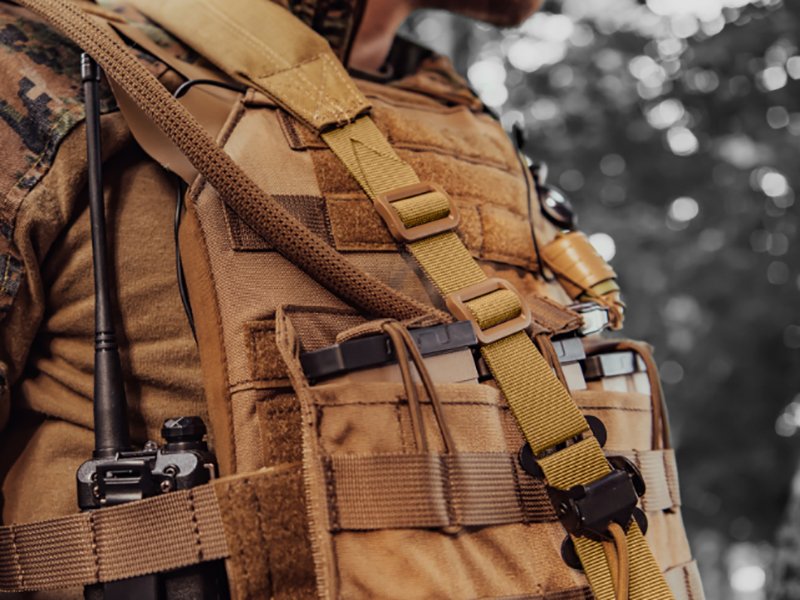
Imagine gearing up for an outdoor adventure or a high‑stakes tactical mission. Your backpack isn’t just a backpack—it’s a customizable hub that adapts to every twist and turn of your journey. At the heart of this adaptability lies MOLLE webbing: a simple grid of heavy‑duty straps that revolutionized modular load‑carrying systems.
MOLLE (Modular Lightweight Load‑carrying Equipment) webbing is a series of heavy‑duty, nylon attachment straps arranged in horizontal rows. Originally developed for military use in the 1990s, it lets you quickly attach and detach pouches, holsters, and accessories, creating a customizable gear layout that balances load distribution, accessibility, and durability.
Picture this: you’re scrambling up a rocky trail when your first‑aid kit snaps off your pack—only you’ve woven it so snugly into the webbing that it stays put. That moment of “wow” is what keeps every adventurer and operator hooked. Let’s dive in and see exactly how this ingenious webbing works, why it outperforms older systems, and how you can get the most out of it.
MOLLE webbing is a grid of horizontal nylon straps first fielded by the U.S. military in 1997. Inspired by earlier PALS designs, it provides a standardized platform for modular attachments, enabling soldiers to customize load‑carrying configurations based on mission requirements.
MOLLE’s core function is to let you configure pouches, holsters, and tools in optimal positions—whether on vests, backpacks, or belts—so that gear sits securely without shifting, reducing fatigue and improving accessibility.
Over time, soldiers asked for lighter, more flexible gear than the old ALICE system (1970s vintage). By 1997, after arctic and jungle testing, MOLLE’s grid won out—standardizing attachments across helmets, plate carriers, and rucksacks. Soon after, NATO and civilian outdoor brands adopted it, cementing its place as the gold standard of modular load carriage.
| Year | Milestone |
|---|---|
| 1980s | PALS grid concept first developed |
| 1997 | U.S. Army fields MOLLE I in Bosnia |
| 2001 | MOLLE II with improved backing introduced |
| 2005+ | NATO & civilian gear adopt PALS/MOLLE standard |
You weave accessory straps through alternating rows of PALS webbing and the accessory’s own webbing. This “through‑and‑back” interlacing locks pouches firmly in place, preventing lateral movement and ensuring that gear stays put under stress.
| Step | Action | Tip |
|---|---|---|
| 1 | Align straps | Start at the top-middle of the grid |
| 2 | Insert through first row | Push all the way until it clicks |
| 3 | Weave back through the pouch’s next row | Keep straps flat—no twists |
| 4 | Repeat until snap/Velcro | Check tension; not too loose or tight |
| 5 | Fasten snap or Velcro | Tug lightly to confirm secure attachment |
MOLLE webbing is typically 500–1000 denier nylon, heat‑sealed at edges to prevent fraying. High‑tensile polyester variants also exist. Reinforced with cross‑stitching at stress points, the webbing balances abrasion resistance, UV stability, and lightweight flexibility.
| Material | Denier | Weight (oz/yd) | Tensile (lb) | Abrasion (cycles) | UV Rating |
|---|---|---|---|---|---|
| Nylon 500 D | 500 | 4.5 | 800 | 10,000 | Moderate |
| Nylon 1000 D | 1000 | 8.0 | 1,500 | 25,000 | High |
| High‑Tensile Polyester | 600–800 | 6.5 | 1,000 | 20,000 | Very High |
Properly sewn 1000 denier MOLLE webbing can withstand loads of 300–500 lb before failure. Real‑world tear tests report safe working loads around 150–200 lb. Strength depends on denier, stitch pattern, and backing material.
| Test Type | Denier | Stitch Pattern | Failure Load (lb) | Safe Working Load (lb) |
|---|---|---|---|---|
| Lab tensile test | 1000 | box‑X | 520 | 200 |
| Field drop test | 1000 | box‑X | 450 | 180 |
| Vibration fatigue test | 500 | straight | 300 | 120 |
PALS (Pouch Attachment Ladder System) is the grid of 1 in. horizontal nylon straps spaced 1 in. apart on backing material. Accessories with matching webbing straps interlock with this grid, creating friction and snap closures that secure attachments firmly.
PALS refers strictly to the webbing grid sewn onto gear. MOLLE describes the entire modular system: PALS grid + compatible pouches + attachment techniques. In practice, “MOLLE webbing” often means the grid itself.
MOLLE offers unparalleled modularity, customizable load distribution, and quick reconfiguration. Low‑profile attachment minimizes snag hazards. Standardization across manufacturers ensures interoperability, letting you mix and match gear from different brands freely.
| Benefit | Why It Matters | Real‑World Example |
|---|---|---|
| Modularity | Swap gear on the fly | From daypack to assault vest |
| Load Distribution | Reduce fatigue and back pain | Heavy ammo vs. first‑aid pouch |
| Interoperability | Mix brands without compatibility worries | Outdoor vs. tactical gear brands |
| Low Profile | Avoid snags in brush or tight spaces | Caving, urban CQB |
| Cost Savings | Base gear remains; only replace accessories | Buy new pouches, keep your pack |
Clean MOLLE webbing with mild soap, rinse thoroughly, and air‑dry away from direct sunlight. Inspect stitches and heat seals after heavy use. Avoid machine washing high‑denier webbing to prevent abrasion and loss of tensile strength.
| Task | Dos | Don’ts |
|---|---|---|
| Inspection | Check after every major trip | Don’t ignore small frays |
| Cleaning | Use mild detergent; rinse completely | Avoid bleach and machine dryers |
| Drying | Air‑dry away from direct sun | Don’t use heat sources (ovens, dryers) |
| Repair | Reinforce with matching nylon thread | Don’t patch with incompatible materials |
| Storage | Hang or lay flat in cool, dry area | Avoid stacking under heavy weight |
At Szoneier, we combine decades of webbing R&D with free design services and sample provision to deliver exactly what you need—whether you’re a small overseas buyer or a high‑end tactical outfitter. From 500 D to 1000 D nylon (and marine‑grade polyester), custom colors, and precision stitching, we’ve got you covered.
Request a quote now and let us craft the perfect modular webbing solution for your brand. Whether you need heavy‑duty military spec gear or lightweight outdoor attachments, Szoneier delivers reliability, quality, and customization every step of the way.
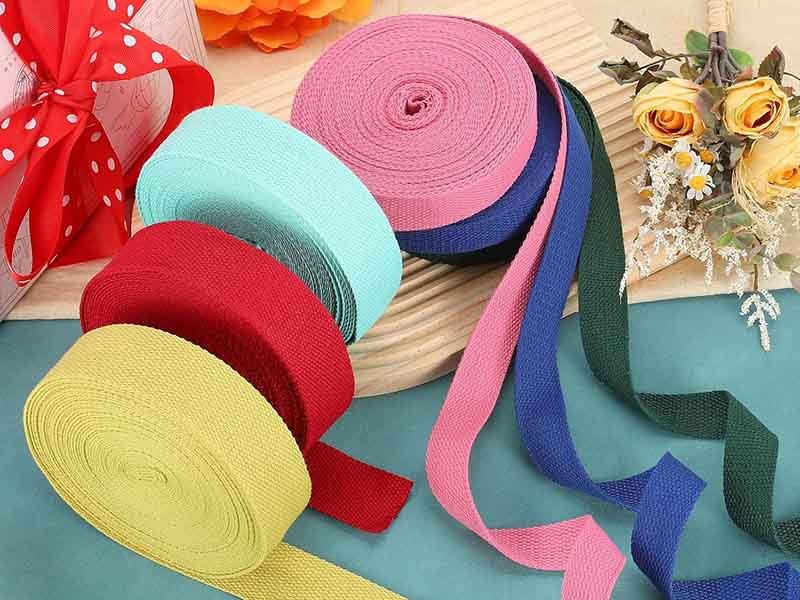


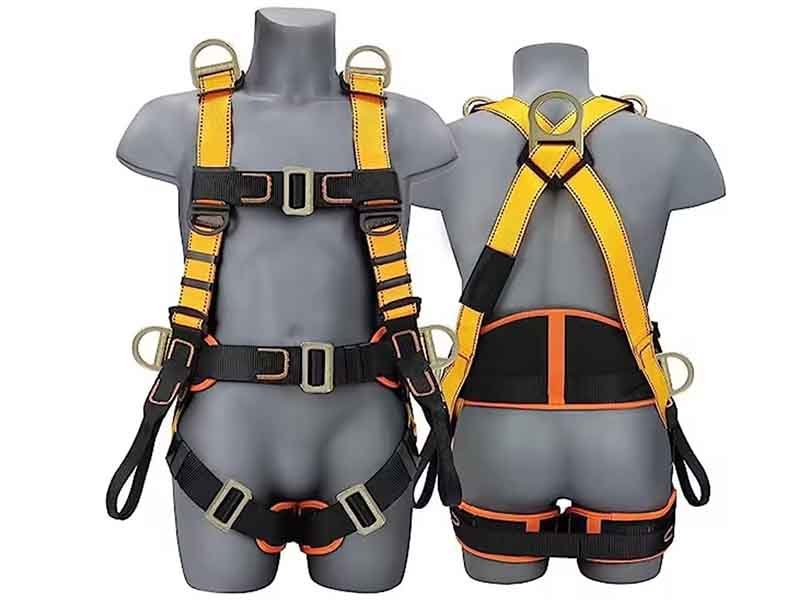
No worries, please contact us and we will answer all the questions you have during the whole process of webbing customization.
If you have your own artwork, logo design files, or just an idea,please provide details about your project requirements, including preferred fabric, color, and customization options,we’re excited to assist you in bringing your bespoke bag designs to life through our sample production process.

Copyright ©2021 Szoneier , All rights reserved.
Looking for premium custom webbing? Contact us now for competitive pricing, free samples, and expert consultation. Fill out the form below, and our team will get back to you within 24 hours!
