
- (+86)13823134897
- info@szoneierwebbing.com
From Inquiry to Delivery
 Skip to content
 From Inquiry to Delivery
When you think about webbing, the finishing of its ends might seem like a small detail—but in reality, it can make or break your product. Whether you’re manufacturing military straps, outdoor gear, belts, backpacks, pet accessories, or fashion items, how you finish the ends of the webbing determines not only aesthetics but also durability and safety. A frayed strap isn’t just unsightly—it can lead to product failure, customer complaints, and ultimately, brand damage.
To finish webbing ends properly, methods like heat sealing, ultrasonic cutting, stitching, and binding are commonly used. The best method depends on the webbing material—synthetics like nylon and polyester are heat-sealed, while cotton or polypropylene may require stitching or tape. Clean finishes prevent fraying, add durability, and improve product appearance.
Let’s face it: no one wants a beautiful, functional product with messy, unraveling edges. That’s why choosing the right finishing method is not only technical but strategic. And just like clothing hems or seams in upholstery, your webbing’s end finishing reflects your overall product quality. So, how do you choose the right method? That’s where this guide comes in.
At Szoneier, with over 18 years of expertise in OEM and private-label webbing manufacturing, we’ve seen how proper edge finishing can improve product integrity and customer satisfaction. In the following sections, we’ll unpack each method—its pros, cons, compatibility by material, and application best fits. You’ll even get sustainability tips, method comparisons, and ideas for turning webbing ends into a branding opportunity. Ready to dive in?
The most common webbing end-finishing methods include heat sealing, ultrasonic cutting, stitching (folded or boxed), binding tape, and end caps for decorative or functional use.
When it comes to finishing the ends of webbing, manufacturers and designers have several reliable techniques to choose from. The “right” method often depends on your webbing material, the use scenario, production scale, and even the design appeal you want to achieve.
Let’s break down the six most common methods and their typical applications:
| Method | Best For Materials | Application Examples | Fray Protection | Scalability |
|---|---|---|---|---|
| Heat Sealing | Nylon, Polyester | Outdoor straps, tactical gear | Excellent | High |
| Ultrasonic Cutting | Nylon, Polyester | High-volume synthetic webbing | Excellent | Very High |
| Folded Stitching | Cotton, PP, heavy-duty use | Backpacks, seatbelts, work gear | Good | Medium |
| Binding Tape | Cotton, PP, decorative webbing | Pet collars, fashion belts | Moderate | Medium |
| End Caps/Tips | All types | Bags, accessories, fashion items | Decorative | Low-Medium |
| Liquid Sealants | Cotton, mixed materials | DIY, low-volume specialty straps | Light | Low |
Heat sealing involves cutting and melting the webbing end at the same time to fuse the fibers. This is the industry standard for synthetic materials such as nylon or polyester. It is cost-effective, fast, and provides excellent fray resistance.
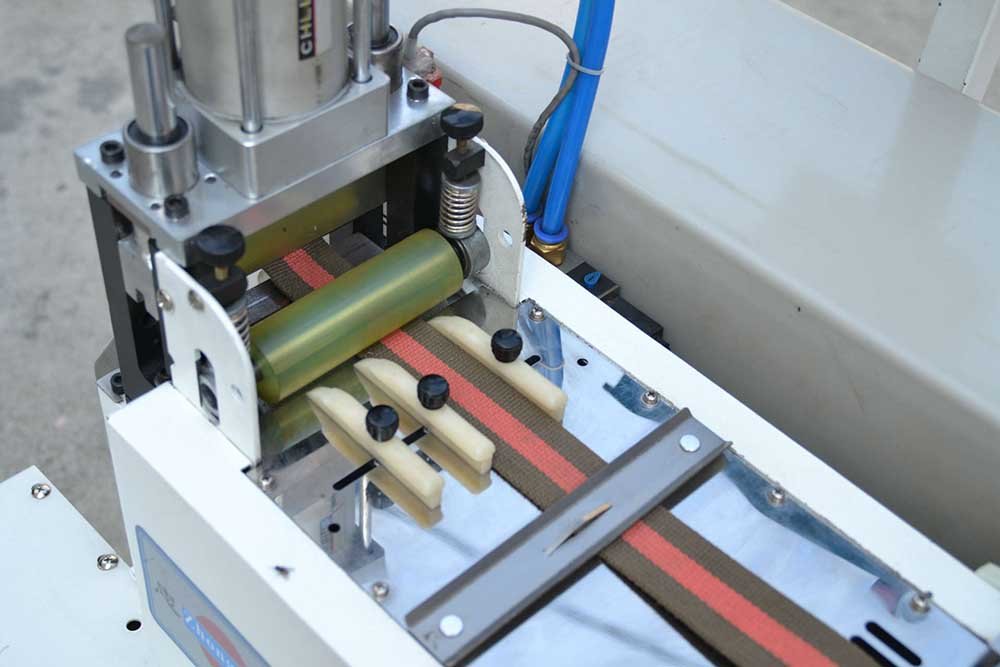
This method uses high-frequency vibrations to slice and seal synthetic webbing. It’s especially useful in mass production, offering smoother cuts and more consistent results than flame or hot knife methods.
A preferred method for cotton or PP webbing, where heat sealing doesn’t work. The webbing is folded back on itself and sewn down, typically with box stitches or bar tacks for strength.
This method wraps the raw edge in another material—often polyester or cotton tape—and stitches it. It offers a neat, polished look, often seen in fashion or decorative webbing uses.
End caps are added for both aesthetic and functional reasons. Metal tips give premium appeal to belts or bag handles, while plastic tips can help prevent fray and add branding potential.
Used mostly in DIY or small production, this is a chemical treatment applied to the cut ends. While fast and easy, it’s not always durable and is rarely used in high-end products.
Synthetic webbing like nylon and polyester responds best to heat sealing because their thermoplastic fibers melt and fuse together, preventing fraying and creating clean, sealed edges.
Heat sealing is by far one of the fastest and most effective ways to finish the ends of synthetic webbing—but why does it work so well?
The science lies in the thermoplastic nature of synthetic fibers like nylon and polyester. When exposed to high heat, these materials melt instead of burning, allowing the fibers to fuse together into a solid edge that’s smooth, durable, and fray-resistant. This makes it ideal for mass production where speed and consistency matter.
| Webbing Material | Heat Sealable | Melting Point (°C) | Typical Application |
|---|---|---|---|
| Nylon | ✅ Yes | 220–260°C | Tactical straps, outdoor gear |
| Polyester | ✅ Yes | 250–270°C | Backpacks, seatbelts, tie-downs |
| Polypropylene | ⚠️ Caution | 160–170°C | Budget-friendly straps, packaging |
| Cotton | ❌ No | Burns, doesn’t melt | Fashion, accessories, soft goods |
Pro Tip: Polypropylene can be heat sealed, but at lower temperatures. However, it’s more prone to inconsistent melting or deformation, making other methods like stitching or binding more reliable.
For brands working with outdoor gear, tactical equipment, or luggage, heat sealing is not just a recommendation—it’s often a necessity. At Szoneier, we use precision-controlled hot knife cutters to ensure consistent sealing, even across large-volume production orders. We also offer edge testing samples on request so you can evaluate the exact finish before finalizing your order.
Folded and box-stitched webbing ends offer reliable strength for heavy-duty use. This method is ideal for cotton, PP, or thick webbing where melting isn’t possible or sufficient.
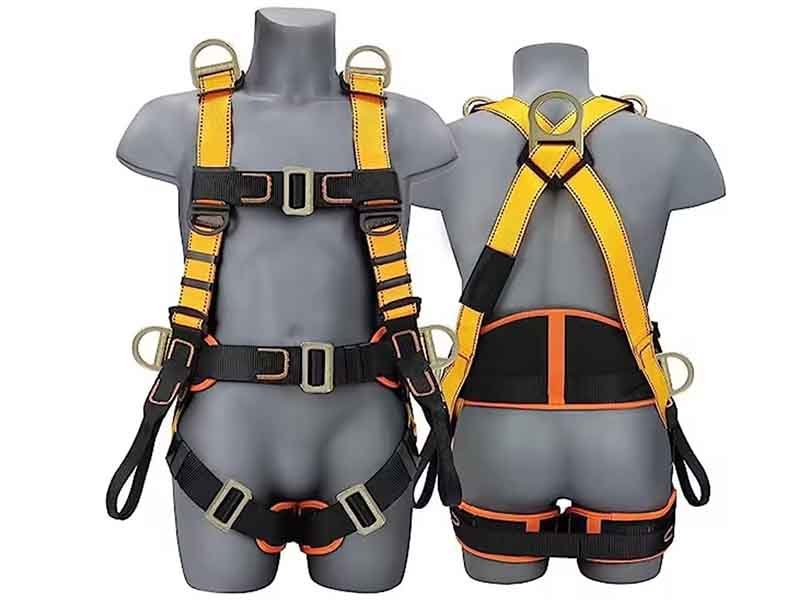
When webbing is used in load-bearing applications—like fall protection harnesses, safety straps, backpack shoulder belts, or work gear—it’s not just about appearance. The finish must handle tension, friction, and long-term wear. This is where stitching becomes essential.
Stitching provides a mechanical solution to webbing edge integrity—especially in materials that can’t be heat sealed (like cotton) or when a reinforced grip is required beyond what heat sealing can offer.
| Stitching Style | Strength Level | Best For Materials | Common Use Case |
|---|---|---|---|
| Single Fold | Medium | Cotton, PP, polyester | Bags, belts, pet collars |
| Double Fold | High | All materials | Safety harnesses, tactical straps |
| Box Stitch | Very High | Nylon, polyester | Outdoor, heavy-duty, lifting gear |
| Zigzag Stitch | Medium-High | Stretch or soft webbing | Fashion, sports gear |
Fun Fact: In industrial tests, box-stitched webbing can handle over 2,000 pounds of tension when done properly.
Szoneier provides CNC-programmed stitching services for large orders, allowing for precise patterns and reinforcements. We also offer sample mock-ups with various stitch options so clients can evaluate strength and look before confirming bulk production.
Yes, ultrasonic cutting provides smooth, sealed, and fray-free edges for synthetic webbing. It’s ideal for high-volume production and delivers precise, clean results.
If you’re manufacturing thousands of nylon or polyester straps per day, speed and consistency matter. That’s where ultrasonic cutting comes in—a technique that uses high-frequency sound vibrations to both cut and seal webbing in one motion, without burning or manual intervention.
| Industry | Application |
|---|---|
| Military / Tactical Gear | Gun slings, tactical belts |
| Outdoor Equipment | Backpack straps, tent tie-downs |
| Pet Accessories | Collars, leashes |
| Automotive | Seatbelt harnesses, cargo straps |
| Industrial Manufacturing | Safety straps, cable ties |
Did You Know? Ultrasonic cutters can make angled or rounded ends, enhancing both function and aesthetics for high-end product lines.
At Szoneier, we’ve integrated ultrasonic cutting into our core manufacturing lines. For clients needing high-volume, precision-cut webbing, this method ensures professional results every time—with options to pre-test your materials before full production.
Cotton webbing should be finished using stitching, binding tape, or fray-preventive coating, as it cannot be melted or fused like synthetic webbing.
Cotton webbing is loved for its softness, breathability, and eco-friendly appeal. But its non-thermoplastic structure means heat sealing is off the table. Unlike nylon or polyester, cotton burns rather than melts, so you’ll need mechanical or chemical finishing methods.
| Product Type | Recommended Finish |
|---|---|
| Tote Bag Straps | Folded + stitched |
| Fashion Belts | Bound or capped |
| Curtain Tiebacks | Decorative binding |
| Key Straps | Liquid seal + rivet |
Eco Tip: Choose biodegradable cotton thread and natural binding tape for 100% compostable products.
At Szoneier, we offer various cotton webbing end finishes depending on your MOQ, design needs, and sustainability goals. Clients can also request design consultation for customized cotton edge finishing, including vintage washes, natural dye applications, and branding tags.
Yes, end tips enhance webbing’s appearance, prevent fraying, and offer branding potential, especially in belts, straps, or luxury applications.
Plastic or metal end tips—also known as end caps or tips & ferrules—are often overlooked in industrial design, yet they add both form and function. A well-applied tip not only seals the webbing but also enhances its tactile feel and allows for brand expression.
| Type | Material | Application | Branding Option |
|---|---|---|---|
| Flat Metal Tip | Brass, Zinc | Fashion belts, straps | ✅ Laser Engrave |
| Rounded Tip | Steel, Alloy | Handles, luggage | ✅ Deboss/Print |
| Plastic Insert | ABS, Nylon | DIY, commercial straps | ❌ None |
| Sew-On Cap | Faux Leather | Gift items, apparel | ✅ Sew-in Labels |
Pro Insight: Metal tips can be used as color-coded identifiers (e.g., red tips for adjustable straps, black tips for static lines).
Szoneier supports custom end tips, including sourcing, engraving, and bulk application. Want eco-friendly versions? We offer bioplastic tips and low-lead metal alloys for sustainable brands.
Choose your webbing end finish based on its function: use heat sealing or ultrasonic for strength, stitching for natural materials, and caps for design or branding.
Not all webbing ends are created equal—and neither are the requirements. The finishing method should always match the use case, customer expectations, design constraints, and production scale.
Let’s explore how to think like a product developer.
| Factor | Best Fit Finishing Type |
|---|---|
| Load-Bearing Use | Folded stitching, box stitch |
| Decorative Function | Binding tape, end caps |
| High Volume Orders | Heat sealing, ultrasonic cutting |
| Eco-Friendly Products | Sewn edges, bio-degradable binding |
| Branding Integration | Engraved metal tips, printed labels |
Szoneier’s custom project team offers free consultation to evaluate your product concept and suggest the ideal finishing method. We can prototype 2–3 finishing styles per project so you can test durability and user experience in real-life conditions.
Yes. Use biodegradable binding tape, stitched finishes, and recyclable end tips to create eco-friendly webbing products without using heat or chemicals.
In today’s eco-conscious market, finishing methods need to be more than functional—they must be sustainable. Brands are now shifting away from chemical fray-sealants or petroleum-based plastics and moving toward sewn finishes, plant-based binding, and recyclable components.
| Conventional Method | Eco Alternative |
|---|---|
| Heat Sealing | Sewn fold using organic thread |
| Plastic End Caps | Corn-starch bioplastic tips |
| Chemical Fray Check | Wax-based or water-soluble fabric glue |
| Polyester Binding Tape | Cotton or bamboo-fiber tape |
Szoneier offers webbing made from recycled yarns and plant-based finishes, ideal for brands targeting zero-waste packaging or compostable goods.
From rugged, heat-sealed tactical gear to soft, decorative cotton straps with eco-friendly binding, how you finish the ends of webbing defines product quality. A poorly finished strap could fray, fail, or feel cheap—whereas a cleanly cut, sealed, or stitched end gives your product polish, durability, and brand power.
At Szoneier, we don’t just make webbing—we engineer finishes that sell. With over 18 years of manufacturing expertise, we offer:
Ready to upgrade your webbing quality?
Contact us now at www.szoneierwebbing.com or email info@szoneierwebbing.com for a free consultation or custom quote.
Let Szoneier finish your webbing the way your brand deserves.


No worries, please contact us and we will answer all the questions you have during the whole process of webbing customization.
If you have your own artwork, logo design files, or just an idea,please provide details about your project requirements, including preferred fabric, color, and customization options,we’re excited to assist you in bringing your bespoke bag designs to life through our sample production process.

Copyright ©2021 Szoneier , All rights reserved.
Looking for premium custom webbing? Contact us now for competitive pricing, free samples, and expert consultation. Fill out the form below, and our team will get back to you within 24 hours!
 Optimized by Seraphinite Accelerator