
- (+86)13823134897
- info@szoneierwebbing.com
From Inquiry to Delivery
 Skip to content
 From Inquiry to Delivery
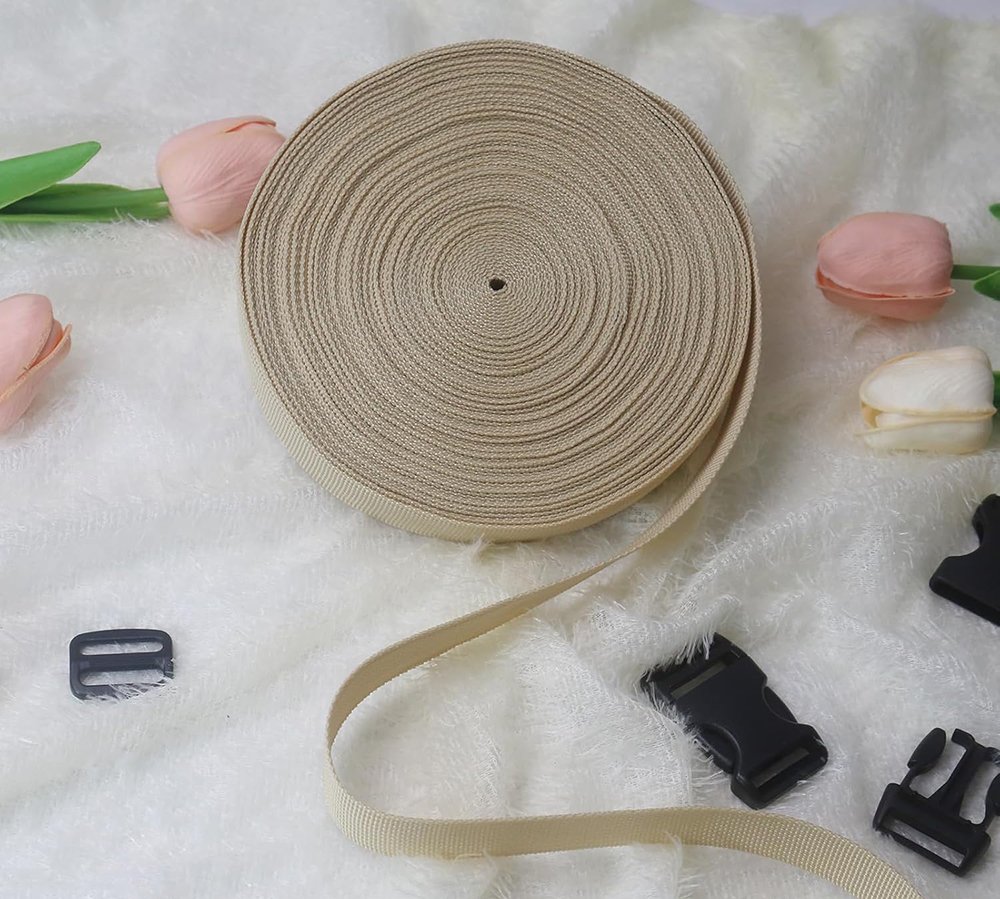
Picture this: you’ve just loaded up your mountain bike, kayak, camping gear, and even Fido’s crate into your SUV. You pull out a handful of webbing straps, cinch everything down, and hit the trail—confident nothing will budge. But have you ever stopped to wonder what makes those simple straps so reliable? Believe it or not, there’s an entire science—and a surprising amount of data—behind webbing straps, from the fibers that form the fabric to the hardware used to secure them. Let’s dive in.
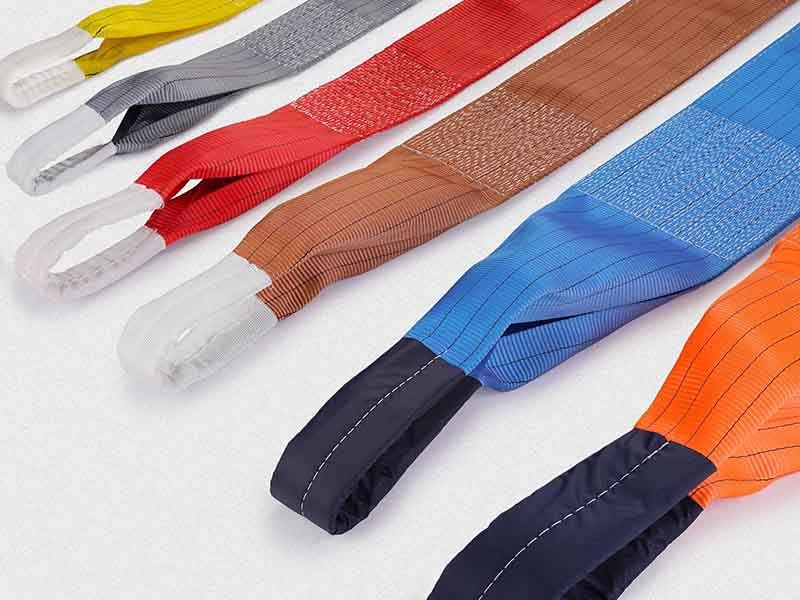
Webbing straps are woven flat tapes made of high-strength fibers—usually polyester, nylon, or specialty materials—available in widths from 12 mm to 100 mm and rated for breaking strengths between 1 kN (≈225 lbf) up to 50 kN (≈11,240 lbf). Paired with buckles, cam locks, or ratchets, they safely secure loads with working load limits defined by a 4:1 safety factor.
Ready to geek out on webbing specs? Stick around—we’ve got data-packed tables, real-world examples, and pro tips to make your load-securing foolproof.
Webbing straps are flat, woven tapes—typically polyester or nylon—engineered for high tensile strength, low stretch, and abrasion resistance, used with quick-release buckles or tensioning hardware to tie down, lift, or support loads across outdoor, industrial, and consumer applications.
Webbing is produced by weaving continuous filaments of synthetic polymers. Most common:
These numbers translate to breaking strengths (MBS) from ~1 kN (≈225 lbf) for narrow PP to >50 kN (≈11,240 lbf) for ultra-high-molecular-weight polyethylene (UHMWPE) or aramids.
| Webbing Width | Typical Fiber | MBS Range | WLL (4:1 Safety) | Common Uses |
|---|---|---|---|---|
| 12 mm (½″) | PP, PET | 1–5 kN | 0.25–1.25 kN | Light gear, pet leashes |
| 25 mm (1″) | PET, Nylon | 5–15 kN | 1.25–3.75 kN | Kayak tie-downs, backpack straps |
| 50 mm (2″) | PET, Nylon | 15–25 kN | 3.75–6.25 kN | General cargo, tie-downs |
| 75 mm (3″) | PET, Aramid | 25–40 kN | 6.25–10 kN | Lifting slings, racing harnesses |
| 100 mm (4″) | Aramid, UHMWPE | 40–50 kN | 10–12.5 kN | Heavy machinery lifting, aerospace |
Choose polyester for sun-exposed or moisture-resistant uses, nylon for high toughness, polypropylene for budget/light duty, and specialty fibers like aramid or UHMWPE when maximum strength-to-weight is critical.
| Material | Tensile Strength (MPa) | Elongation at Break | UV Resistance | Moisture Absorption | Typical Weave Density (picks/cm) |
|---|---|---|---|---|---|
| Polyester (PET) | 800–1,000 | 10–20 % | Excellent (>500 h) | <0.5 % | 40–60 |
| Nylon 6,6 | 900–1,100 | 15–35 % | Good (~300 h) | 2–3 % | 30–50 |
| Polypropylene | 300–600 | 10–25 % | Fair (<100 h) | <0.1 % | 35–55 |
| Aramid (Kevlar®) | 2,500–3,000 | 3–5 % | Outstanding (>1,000 h) | ~0.5 % | 50–70 |
| UHMWPE (Dyneema®) | 2,800–3,600 | 3–4 % | Excellent (>1,000 h) | <0.1 % | 45–65 |
Higher pick density yields better abrasion resistance but also increases stiffness. For paddling gear, a 50 picks/cm plain weave polyester is ideal; for comfort straps, a 35 picks/cm basket weave feels softer.
Coated webbing can see 20–30 % improvement in abrasion cycles (ASTM D6770) and 10–15 % better UV retention (ASTM G154).
Match your load’s weight and environment to a strap’s working load limit (WLL), width, and hardware type—using a ≥4:1 safety factor for tie-downs, 5:1 for life-safety—to ensure reliable performance.
| Parameter | Consideration | Recommendation |
|---|---|---|
| Breaking Strength (MBS) | Must exceed payload×Safety Factor (4:1 or higher) | For 1,000 kg load, choose MBS ≥4,000 kg (≈40 kN) |
| Width | Balances handling and load distribution | 25 mm for ≤500 kg; 50 mm for 500–2,500 kg |
| Hardware | Interface must match webbing WLL | Cam buckles ≤1,000 kg; ratchets ≥1,000 kg |
| Environment | UV, chemicals, temperature extremes | UV-stabilized polyester for outdoors; aramid for heat |
| Flexibility | Ease of use vs stiffness | Basket weave for softer feel; plain weave for stiffness |
Wider straps reduce unit pressure on load surfaces. A 50 mm strap spreads 4 kN over 50 mm width, exerting 80 N/mm—less likely to cut into soft cargo than a 25 mm strap at 160 N/mm.
| Hardware | Max WLL | Adjustability | Bulk & Weight |
|---|---|---|---|
| Cam Buckles | ≤6 kN | Quick slip-lock | Light, low bulk |
| Ratchet Straps | ≥10 kN | Fine tensioning | Heavier, larger |
| D-rings | ≤4 kN | Simple loop tie | Minimal bulk |
| Snap Hooks | 2–8 kN | Fast connect | Medium bulk |
Consider glove use in cold: lever-action ratchets easier with gloves. For high UV, choose polyester with ≥500 h UV rating. In marine settings, avoid hardware prone to rust—use stainless steel or coated alloys.
Use appropriate knots (e.g., figure-eight for non-critical ties), sewn loops for permanent attachments, and hardware—cam locks or ratchets—to apply consistent tension and prevent slippage or overload.
| Method | Strength (% MBS) | Pros | Cons |
|---|---|---|---|
| Figure-eight Knot | 75 % | No hardware needed | Can slip if not dressed |
| Double Fisherman’s | 80 % | Very secure | Hard to untie under load |
| Box-X Stitch | 90–95 % | Permanent, high strength | Requires sewing equipment |
| Cam Buckle | 85–100 % | Quick adjust, reusable | Limited max tension |
| Ratchet | 100 % | Highest tension, minimal slip | Bulkier, slower adjustment |
Knots reduce webbing strength—choose wisely. For critical loads, rely on sewn terminations or buckles certified for the webbing’s MBS.
Pro Tip: Leave a 10 cm tail beyond any buckle or knot to prevent slippage; avoid twists in webbing as they create uneven loading.
Inspect anchor points for sharp edges—add corner protectors or use soft loops to distribute pressure. Rotate hardware orientation occasionally to even out wear.
Always respect WLL and safety factors (4:1 or 5:1), inspect straps daily for damage, heed environmental limits (UV, chemicals), and label each strap with manufacture date, batch, and WLL.
| Checklist Item | Frequency | Criteria |
|---|---|---|
| Visual Inspection | Before every use | No fraying, cuts, discoloration, deformation |
| Functional Test | Weekly | Test buckle engagement, tension consistency |
| Full Audit | Monthly | Check stitching, coatings, hardware torque |
| Replacement Interval | 1–5 years | Based on use intensity and environmental exposure |
| Label Review | At each audit | Confirm WLL, MBS, manufacture date within service life |
Working Load Limit (WLL) = MBS ÷ Safety Factor. For life-safety harnesses, use 5:1; for cargo, 4:1. Never exceed WLL—even briefly.
Chemicals like acids or solvents can degrade fibers. UV causes polymer chain scission—look for chalky white spots. Store straps away from direct sun and corrosive fumes.
Label each strap with a durable tag showing WLL, manufacture date, and batch code. Train users on safe load calculation, inspection criteria, and proper fastening.
Visually inspect for damage, wash with mild detergent at ≤40 °C, air-dry away from direct UV, coil neatly, and replace straps showing >10 % width loss or fraying beyond 5 mm.
Sustainable choices include rPET (28 % lower CO₂e than virgin), bio-based PA11 (from castor oil), and upcycled industrial textiles—providing comparable performance with reduced environmental impact.
| Option | CO₂e (kg/kg) | Strength vs Virgin | Cost Impact | Certification |
|---|---|---|---|---|
| rPET | 1.55 (vs 2.15) | 95 % | –5 % | GRS, Oeko-Tex® |
| Bio-PA11 | 1.2–1.8 | 90 % | +20 % | USDA BioPreferred |
| PLA (Corn-based) | 1.2 | 80 % | +15 % | OK Compost, BPI |
| Upcycled Airbag | 2.0 | 100 % | –10 % | Internal Audit |
Petroleum-derived PET bottles are washed, chopped, melted, and extruded into filaments. rPET exhibits 95 % of virgin PET strength, slashes CO₂e by 28 %, and diverts waste from landfills. Leading outdoor brands now specify GRS-certified webbing.
Donated airbags (nylon 6,6) and military-grade webbing are cleaned, tested, and respooled. These high-performance materials find second lives in non-critical applications—cutting landfill waste by 1.2 million tons annually in major markets.
Automotive and outdoor gear OEMs increasingly require 30–50 % recycled content. Some specify full chain-of-custody to ensure transparency, driving innovation in recycled webbing technologies.
Securing your load—or designing the perfect custom strap—doesn’t have to be guesswork. Armed with these specs, tables, and best practices, you can choose, attach, tighten, and maintain webbing straps like a pro.
Ready to elevate your webbing game? Reach out to Szoneier for free design services, complimentary samples, and tailored OEM/ODM production. Let’s engineer the ideal webbing solution for your next project!
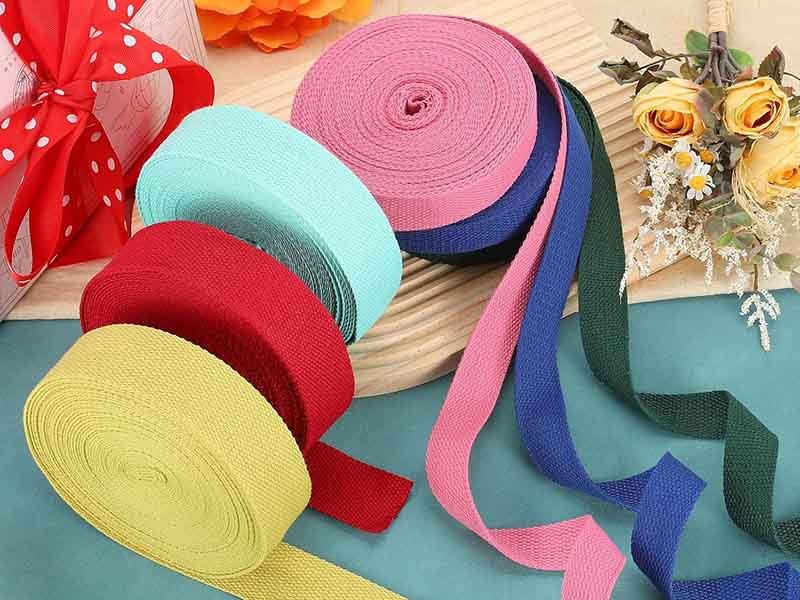


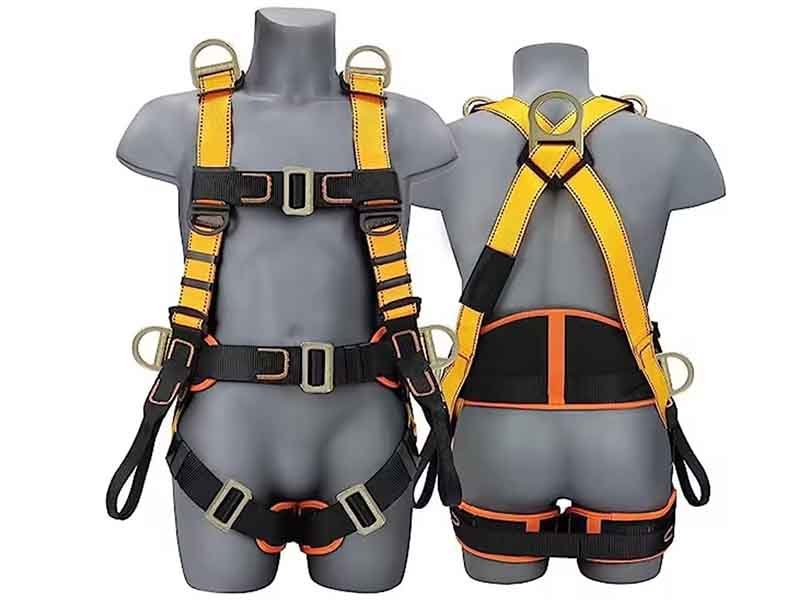
No worries, please contact us and we will answer all the questions you have during the whole process of webbing customization.
If you have your own artwork, logo design files, or just an idea,please provide details about your project requirements, including preferred fabric, color, and customization options,we’re excited to assist you in bringing your bespoke bag designs to life through our sample production process.

Copyright ©2021 Szoneier , All rights reserved.
Looking for premium custom webbing? Contact us now for competitive pricing, free samples, and expert consultation. Fill out the form below, and our team will get back to you within 24 hours!
 Optimized by Seraphinite Accelerator