- (+86)13823134897
- info@szoneierwebbing.com
From Inquiry to Delivery
 Skip to content
 From Inquiry to Delivery
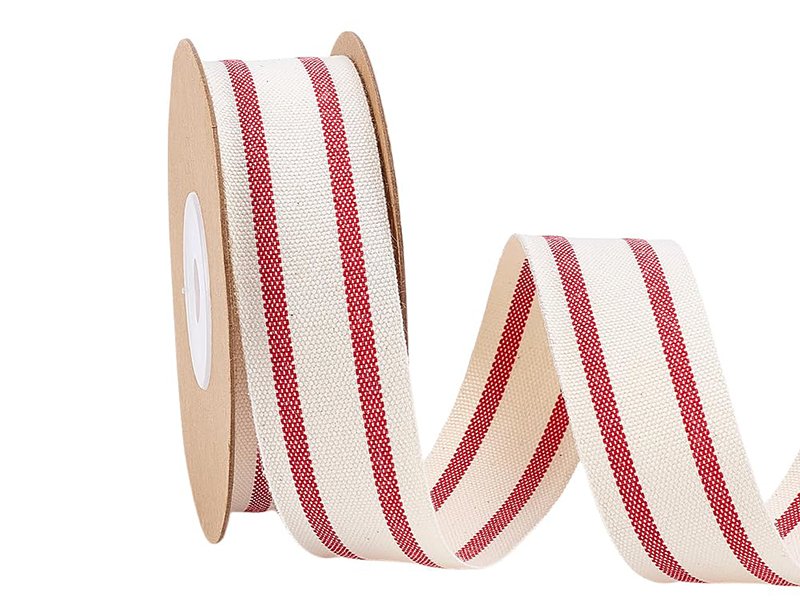
If you’re in the business of designing or sourcing backpacks, pet leashes, safety harnesses, or outdoor gear, you’ve probably come across three common materials for webbing: nylon, polyester, and polypropylene. Each has its fans and unique strengths—but how do you know which one fits your product best?
Nylon, polyester, and polypropylene webbing differ in strength, stretch, UV resistance, water absorption, and cost. Nylon is the strongest and most flexible, polyester offers excellent UV and abrasion resistance, and polypropylene is lightweight and water-resistant but less durable. Choosing the right one depends on your project’s specific use case.
Let’s break it all down so you can confidently select the best webbing for your brand, budget, and customer needs. And we’ll also share insights from our manufacturing floor, where we help international clients customize all three types to perfection.
Webbing is a strong woven fabric used in straps, belts, and load-bearing gear, and choosing the right material impacts durability, safety, and cost.
Webbing is everywhere: seat belts, backpacks, climbing harnesses, military gear, pet collars, and more. It replaces rope or leather in many applications because it’s lightweight, affordable, and strong.
Different materials behave differently under stress, weather, abrasion, and weight. Choosing the wrong one can lead to early wear, customer complaints—or worse, product failure.
Choosing the right webbing material isn’t just technical—it can mean the difference between a product that lasts and one that fails.
Nylon is strong and flexible, polyester resists UV and abrasion, and polypropylene is lightweight and water-resistant.
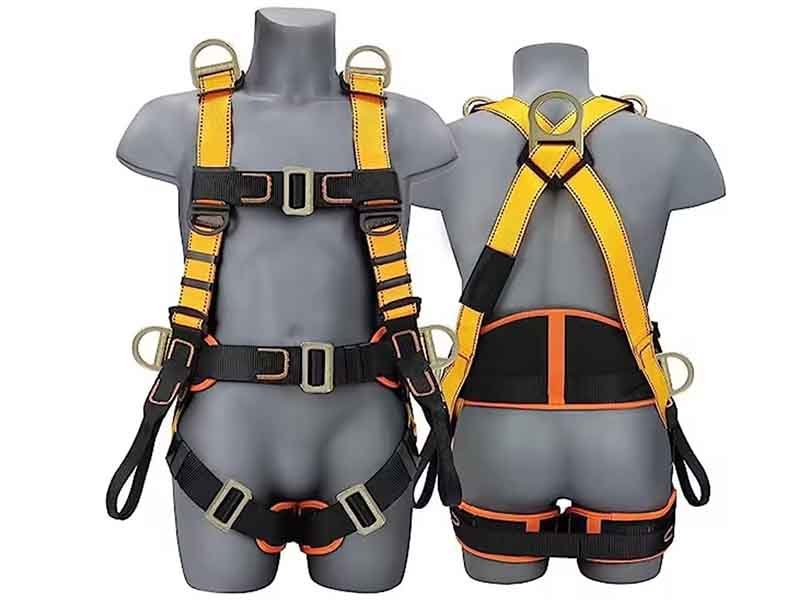
Nylon is known for high tensile strength and stretch. It’s great for weight-bearing applications like safety harnesses or military packs.
Polyester offers a good balance—strong like nylon, but with better UV resistance and less water absorption. It’s common in outdoor use.
Polypropylene is very lightweight and resists mildew and moisture well, but it’s less durable under friction or heavy loads.
| Property | Nylon | Polyester | Polypropylene |
|---|---|---|---|
| Tensile Strength | Very High | High | Moderate |
| UV Resistance | Poor | Excellent | Good |
| Water Absorption | Moderate (4-10%) | Low (<1%) | Very Low (<0.01%) |
| Abrasion Resistance | High | Very High | Low |
| Flexibility | High | Medium | Medium |
| Cost | Higher | Moderate | Lower |
Nylon webbing has the highest strength, while polyester offers better long-term durability due to its UV and abrasion resistance.
| Material | UV Resistance | Abrasion | Water | Stretch | Overall Durability |
|---|---|---|---|---|---|
| Nylon | 2 | 4 | 3 | 5 | 4 |
| Polyester | 5 | 5 | 4 | 3 | 5 |
| Polypropylene | 4 | 2 | 5 | 2 | 3 |
If your product will live outdoors—go with polyester. If you need strength and flexibility, nylon wins.
Polyester and polypropylene webbing resist UV and water better than nylon, making them ideal for outdoor gear.
For boats, beach gear, or outdoor bags, polyester is your go-to. It won’t fade or break down in UV and handles rain or splashes with ease.
Nylon, polyester, and polypropylene each shine in specific product categories.
| Application Area | Recommended Webbing | Reason |
|---|---|---|
| Hiking/Outdoor Gear | Polyester | UV and water-resistant, durable |
| Safety Harness/Lifting | Nylon | Strongest tensile performance |
| Pet Accessories | Polyester/Nylon | Strength + comfort |
| Marine Gear | Polyester | Resists saltwater and sun |
| Budget Light Straps | Polypropylene | Cost-effective, water-safe |
Polypropylene is the most affordable, but polyester provides the best long-term value for many use cases.
No. While polypropylene saves money short-term, it may wear out quickly. Polyester balances cost and durability—especially in commercial-grade gear.
Choose your webbing material based on your product’s function, user environment, and branding goals.
Ask these questions:
At Szoneier, we always help our customers consider:
We offer custom sampling, fast prototyping, and technical support to help brands choose and test the right materials.
Choosing the right webbing material isn’t just a technical decision—it’s a strategic one that directly affects product quality, customer satisfaction, and brand reputation. Each material brings unique advantages to the table:
If you’re a brand owner, designer, or buyer, the real challenge lies in balancing cost, performance, and user experience. Instead of choosing what’s popular, choose what’s purposeful for your product’s end use.
At Szoneier, we work closely with OEM/ODM clients across industries to deliver customized webbing solutions that match real-world demands. From fabric selection to final testing, we ensure every inch of webbing meets your performance goals and reflects your brand’s quality promise.
Whether you’re building tactical gear, pet products, outdoor backpacks, or industrial safety equipment—we have the right materials, expertise, and production capabilities to support you every step of the way.
Let’s collaborate to turn your webbing ideas into high-performance, high-value products your customers will trust.
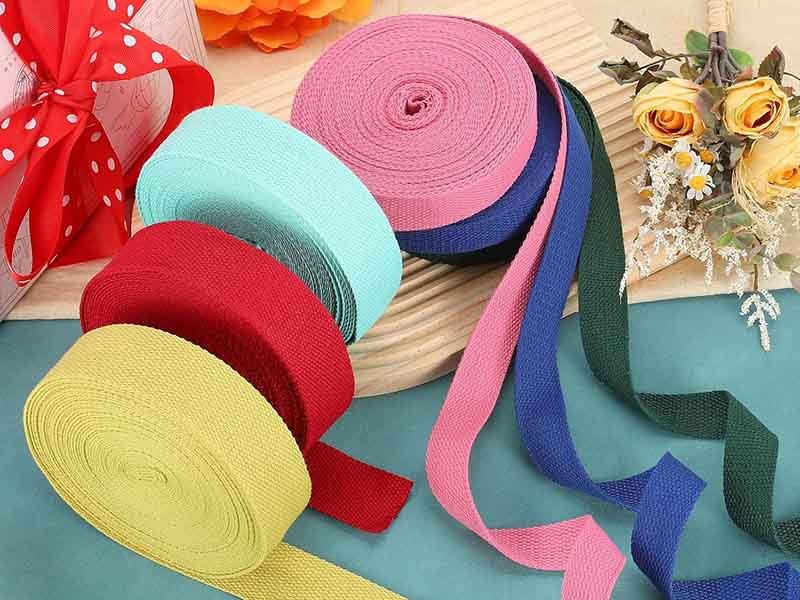


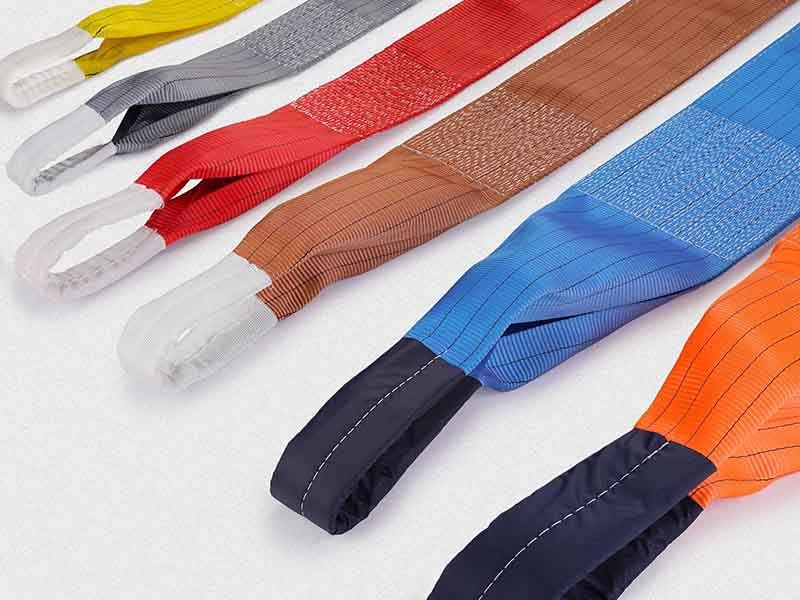
No worries, please contact us and we will answer all the questions you have during the whole process of webbing customization.
If you have your own artwork, logo design files, or just an idea,please provide details about your project requirements, including preferred fabric, color, and customization options,we’re excited to assist you in bringing your bespoke bag designs to life through our sample production process.

Copyright ©2021 Szoneier , All rights reserved.
Looking for premium custom webbing? Contact us now for competitive pricing, free samples, and expert consultation. Fill out the form below, and our team will get back to you within 24 hours!
 Optimized by Seraphinite Accelerator