
- (+86)13823134897
- info@szoneierwebbing.com
From Inquiry to Delivery
 Skip to content
 From Inquiry to Delivery
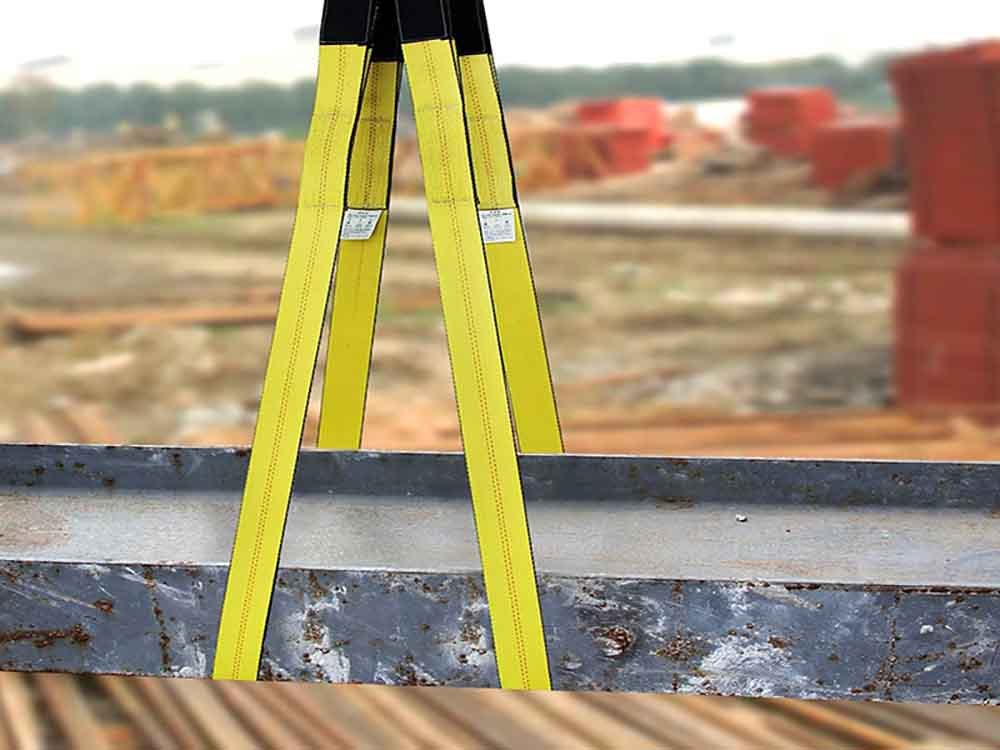
In high-stakes industrial lifting operations, safety starts with one question: how strong is your sling? This seemingly simple question is rooted in the complex science of webbing material. Nylon, polyester, polypropylene, and cotton may look similar at first glance—but each webbing material delivers a unique combination of tensile strength, stretch resistance, chemical compatibility, and load-bearing reliability. For B2B buyers in construction, logistics, oil & gas, and manufacturing, choosing the right web sling can be the difference between safe lifting and critical failure.
Web sling strength is primarily determined by the type of webbing material used. Nylon offers flexibility and strength but absorbs moisture, while polyester resists UV and chemicals with slightly lower stretch. Polypropylene is lightweight and cost-effective for general use. Each material’s strength is further influenced by webbing width, weave, and sling construction. Understanding these properties is essential for choosing the right sling for safe and effective lifting.
At Szoneier, we’ve worked with thousands of brand buyers and OEM clients globally. One of our clients in Germany once unknowingly ordered polyester webbing slings for use in a high-moisture, oil-rig environment—until our engineering team flagged the mismatch. We quickly offered a nylon upgrade with a double-layer edge reinforcement, saving them from a costly recall and building a five-year partnership. Let’s explore how to make the right sling decisions—starting with material.
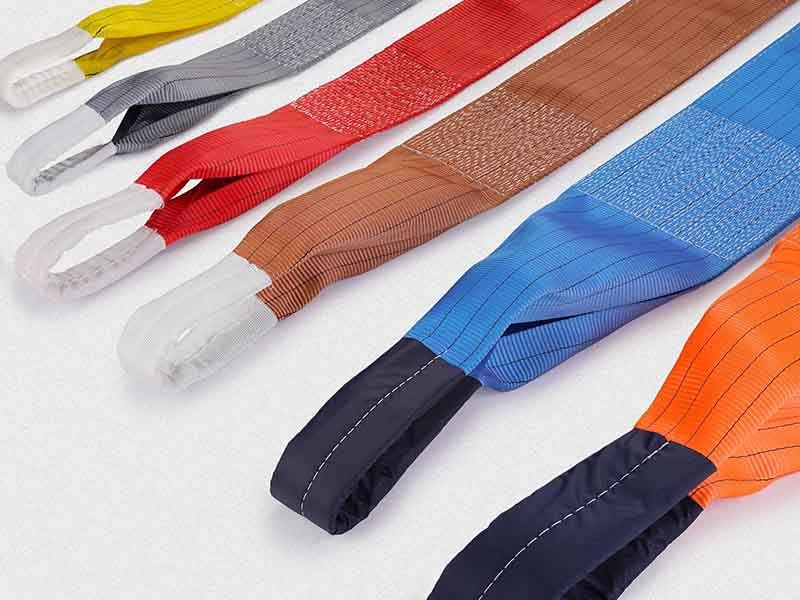
A web sling is a flexible, fabric-based lifting tool used to move heavy loads safely in industrial settings. Made from woven synthetic fibers like nylon or polyester, web slings distribute weight evenly across a load and are often used with cranes, hoists, and forklifts.
Web slings are essential tools in construction, shipping yards, warehouses, and manufacturing plants. Unlike chains or wire rope slings, they’re lightweight, easy to maneuver, and less likely to damage delicate or finished surfaces. They’re also cost-effective and can be manufactured in various shapes and configurations—most notably, endless slings (looped) and eye-and-eye slings (with reinforced ends).
Their flexibility makes them ideal for uneven or irregular loads. However, they must be matched carefully to the application to prevent failure. Key parameters include the working load limit (WLL), material type, sling length, and how the sling is applied (vertical, basket, or choker hitch). Understanding the basic role of web slings in lifting operations is critical before diving into material comparisons.
The most common materials for web slings are nylon, polyester, polypropylene, and cotton. Each offers different properties in terms of strength, stretch, environmental resistance, and cost. Nylon is best for high loads and flexibility, while polyester is more UV and acid resistant. Polypropylene is suited for light-duty applications.
Choosing the right material depends not only on load weight but also on the environment and load geometry. Below is a quick comparison:
| Material | Tensile Strength | Stretch Under Load | Chemical Resistance | UV Resistance | Cost |
|---|---|---|---|---|---|
| Nylon | High | Moderate (6–10%) | Poor (esp. with acids) | Moderate | Medium |
| Polyester | Medium-High | Low (3–5%) | Excellent | High | Medium-High |
| Polypropylene | Medium | Moderate (5–8%) | Very Good | Low | Low |
| Cotton | Low | Moderate | Poor | Poor | Low |
Nylon is the go-to material for most heavy-duty industrial slings. It offers excellent strength and a bit of give, which is useful for absorbing dynamic shocks. But it absorbs water and can lose strength when wet.
Polyester slings are preferred where moisture, UV exposure, or chemicals are present. They offer more consistent strength under variable conditions.
Polypropylene is often used in economy-grade slings for light applications or short-term use, particularly in logistics or packaging.
Cotton webbing slings are uncommon in industrial settings but are sometimes used in textile or food-handling environments where synthetic materials may pose contamination risks.
In short, the choice of webbing material must align with the expected load behavior, environment, and safety regulations.
Each webbing material affects sling strength differently. Nylon has high tensile strength and stretch, polyester is lower stretch with high chemical resistance, while polypropylene is less strong but affordable. Load capacity depends on both the material and its construction.
To determine how strong a sling truly is, you must consider how material properties translate into real-world performance.
Further, manufacturers may reinforce these materials through:
Understanding the interplay of material and construction allows buyers to confidently predict the sling’s working load limit (WLL), breaking strength, and durability across environments.
Nylon is stronger in terms of tensile strength and better for absorbing shock loads. Polyester, while slightly less strong, performs better in UV, moisture, and acidic environments. The best choice depends on your specific use case.
Though both materials are high-performance, their strengths serve different industrial needs.
Nylon:
Polyester:
Buyers should consider not just the “stronger” material but the safer one in context. For example, polyester may outperform nylon in corrosive warehouse or marine environments despite its lower tensile rating.
Web sling strength is regulated by ASME B30.9 and OSHA standards. These define working load limits (WLL), safety factors, and testing requirements. Always read the sling tag for specs.
Global safety compliance starts with understanding key rating terms:
How to Identify Web Sling Capacity Using Labels, Tags, and Color Codes:
These tags and ratings are not optional—they’re legal and safety requirements that reduce liability.
Yes, webbing width and weave type significantly affect sling strength. Wider slings distribute load more evenly and resist tearing, while tight weave patterns add reinforcement.
Dive Deeper: It’s a misconception that length increases strength. In reality:
How a Web Sling Gets Its Strength Based on Its Width, Not Its Length:
Weaving Patterns:
Consider this comparison:
| Width (inches) | Nylon Sling WLL (lbs) |
|---|---|
| 1″ | 3,200 |
| 2″ | 6,400 |
| 4″ | 12,800 |
Choosing width based on load—not just object size—is critical.
Select webbing based on your load’s weight, environment, frequency of use, and regulatory needs. Nylon suits dynamic indoor lifts, polyester suits outdoor or chemical-heavy jobs.
Not every sling fits every job. Ask:
Custom Sling Recommendations:
Szoneier offers free material consultation and fast sampling for all OEM/ODM clients.
OEM slings allow custom selection of materials, weave, and stitching, which can enhance strength. Off-the-shelf slings meet general needs but lack tailored optimization.
Why Choose OEM Web Slings:
Off-the-Shelf Risks:
For example, a U.S. mining client saved $20K in annual damage claims by switching from shelf polyester to Szoneier OEM nylon slings with a triple-seam edge design.
Whether you’re a brand client, wholesaler, or supply chain buyer, Szoneier provides:
Contact Szoneier now to discuss your custom web sling needs and get a fast quote. Your operations deserve safety, reliability, and expert engineering.
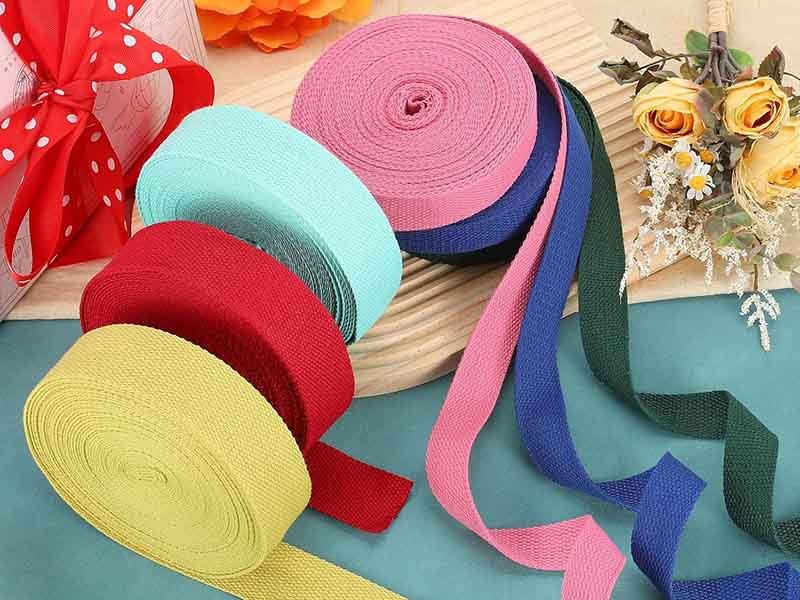


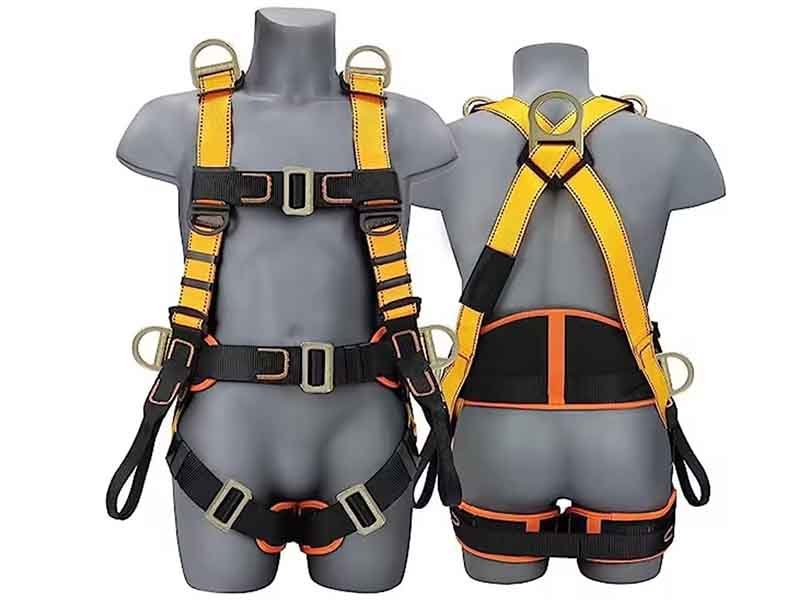
No worries, please contact us and we will answer all the questions you have during the whole process of webbing customization.
If you have your own artwork, logo design files, or just an idea,please provide details about your project requirements, including preferred fabric, color, and customization options,we’re excited to assist you in bringing your bespoke bag designs to life through our sample production process.

Copyright ©2021 Szoneier , All rights reserved.
Looking for premium custom webbing? Contact us now for competitive pricing, free samples, and expert consultation. Fill out the form below, and our team will get back to you within 24 hours!
 Optimized by Seraphinite Accelerator