- (+86)13823134897
- info@szoneierwebbing.com
From Inquiry to Delivery
 Skip to content
 From Inquiry to Delivery
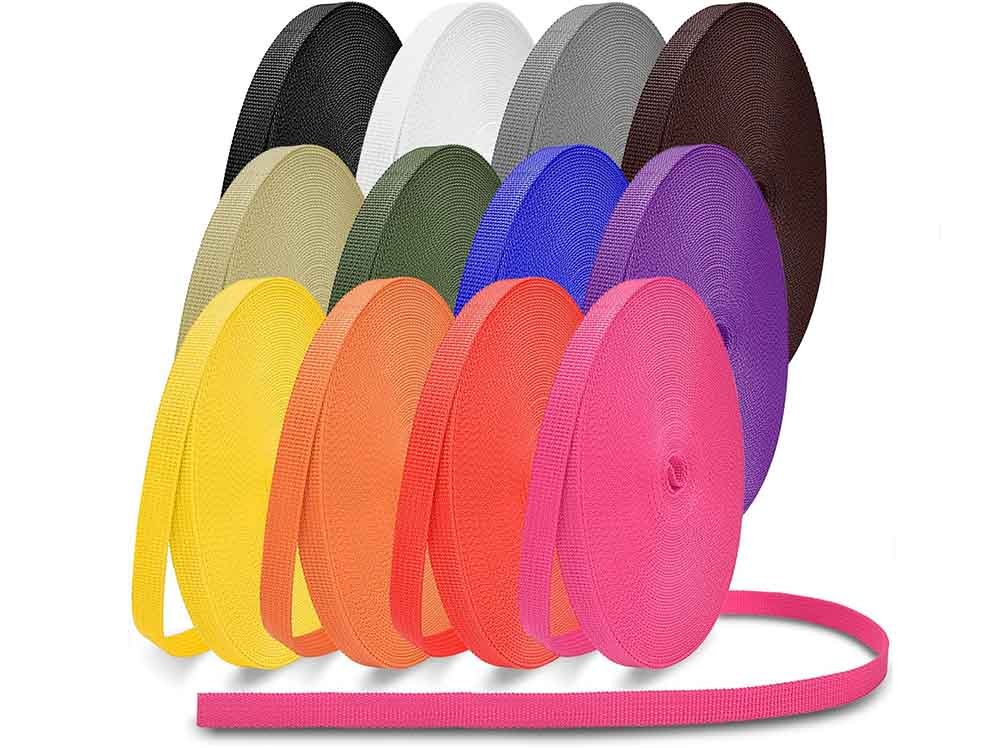
In the world of design, gear, and manufacturing, few components are as overlooked yet critical as webbing. Whether it’s the strap on your backpack, the leash for your pet, or a high-tension industrial sling, webbing plays a fundamental role in both function and style. For brands, startups, and product developers, understanding the nuances of webbing is essential for both performance and cost-effectiveness.
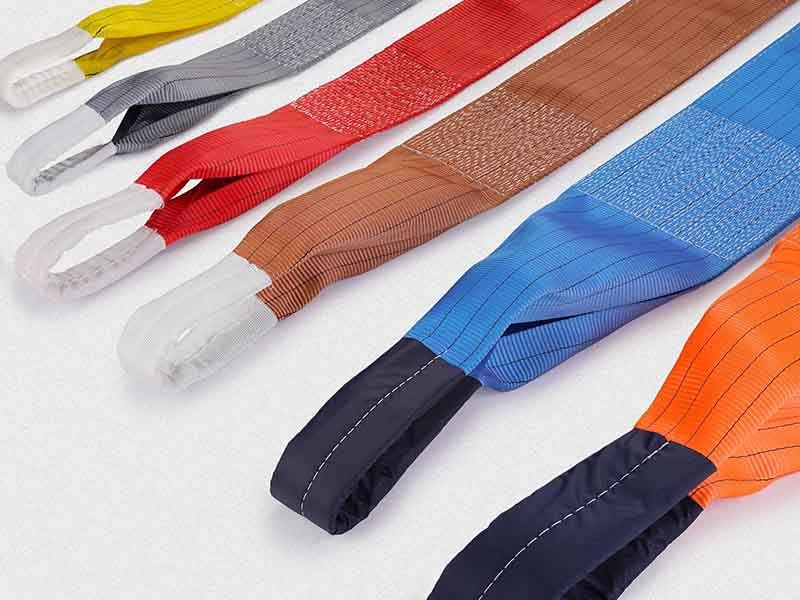
Webbing is a strong, woven fabric strip used in various industries such as outdoor gear, fashion accessories, pet products, industrial equipment, and more. It’s valued for its durability, flexibility, and wide customization options in material, width, color, and weave.
If you’ve ever wondered why one strap holds better than another, or how to create custom webbing that reflects your brand, this guide is for you. Let’s break it all down with real-world insights, practical tips, and a little story from the manufacturing trenches that shows how the right webbing saved a whole product line from failure…
Webbing is a flat or tubular woven fabric used to reinforce, carry, tie down, or support weight across a wide range of applications.
Webbing is like the hidden hero of many of our daily products. Whether you’re walking your dog, hiking with a backpack, or buckling up in your car, you’re relying on some form of webbing. Its ability to combine flexibility, strength, and customizability makes it essential in dozens of industries.
| Feature | Why It Matters |
|---|---|
| High Strength | Withstands heavy loads without breaking |
| Lightweight | Keeps overall product weight down |
| Versatile Design | Can be printed, dyed, or woven with logos |
| Resistance | Can resist UV, mold, moisture, and abrasion |
| Affordable | Low cost for high utility |
Insight: One of our clients once replaced plastic handle straps with cotton webbing on their canvas bags. Not only did returns drop by 42%, but customer reviews also praised the comfort and “eco-look” of the upgraded design.
The most common webbing materials are nylon, polyester, polypropylene (PP), and cotton—each with distinct properties suited for specific uses.
Each material has its own strengths. Some resist water better, others stretch more, some feel more luxurious, while others are built for brute strength. Picking the right material isn’t just technical—it’s about matching purpose, feel, and brand value.
| Material | Strength | Stretch (%) | UV Resistance | Water Resistance | Texture | Cost Level | Best Used For |
|---|---|---|---|---|---|---|---|
| Nylon | Very High | 20-30% | Moderate | Moderate | Smooth | $$ | Climbing gear, leashes, bags |
| Polyester | High | 5-15% | High | High | Slightly rough | $$ | Outdoor straps, safety gear |
| Polypropylene | Medium | 10-20% | Good | Excellent | Waxy | $ | Budget items, casual bags |
| Cotton | Low | <5% | Poor | Poor | Soft | $$$ | Fashion straps, eco-friendly lines |
Fun Fact: Nylon webbing can hold 5,000+ lbs per inch in breaking strength. That’s literally strong enough to tow a small car with a 1-inch strap.
Webbing is categorized by weave style (like flat or tubular) and by its special function (elastic, reflective, military-grade, etc.).
There’s more than meets the eye when it comes to webbing styles. A product’s comfort, appearance, and strength can all hinge on weave style alone. Here’s what you need to know:
| Type | Weave Style | Key Features | Typical Applications |
|---|---|---|---|
| Flat Webbing | Plain weave | Strong, rigid, easy to stitch | Belts, pet leashes, bag straps |
| Tubular Webbing | Tube weave | Flexible, thicker, abrasion-resistant | Climbing, rescue, slings |
| Elastic Webbing | Knit/Weave | Stretchy, returns to shape | Sports gear, braces, accessories |
| Reflective Webbing | Plain/tape | Embedded with reflective yarn or film | Safety vests, pet collars, gear |
| MIL-SPEC Webbing | Dense weave | Certified for tactical strength/durability | Military, survival, tool belts |
Pro Tip: Tubular webbing is ideal for applications that involve dynamic motion or require threading through hardware. It bends without folding, which is safer in climbing or rescue scenarios.
Jacquard webbing has the design woven directly into the strap, while printed webbing uses surface printing.
Understanding this difference matters when branding, especially if your product is going through sun, wash, or rugged use.
| Feature | Jacquard Webbing | Printed Webbing |
|---|---|---|
| Durability | High | Medium |
| Visual Detail | Medium | High (photo-quality) |
| Color Longevity | Excellent | Can fade over time |
| MOQ & Setup Cost | Higher | Lower |
| Feel & Texture | Woven-in design | Smooth surface |
Real Example: A sports brand ordered 3,000 Jacquard-logo yoga straps, which were washed repeatedly by users. Two years later, 90% still retained logo clarity. By contrast, printed samples lost 20% color after 40 washes.
Choosing the right webbing depends on your product’s use case, durability needs, branding, and budget.
Whether you’re launching a backpack brand or sourcing leashes for pets, the wrong strap can ruin function and feel. Here’s how to choose smartly.
| Product Type | Best Material | Preferred Weave | Branding Style | Cert. Needed? | Final Tip |
|---|---|---|---|---|---|
| Pet Leash | Polyester/Nylon | Flat | Jacquard | OEKO-TEX | Comfort padding adds value |
| Backpack Strap | Polyester | Tubular | Printed/Jacquard | Yes | Use color-matched thread |
| Yoga Strap | Cotton | Flat | Printed | Optional | Add logo patch for contrast |
| Outdoor Belt | Nylon | Tubular | Jacquard | MIL-SPEC | Stitch strength = key |
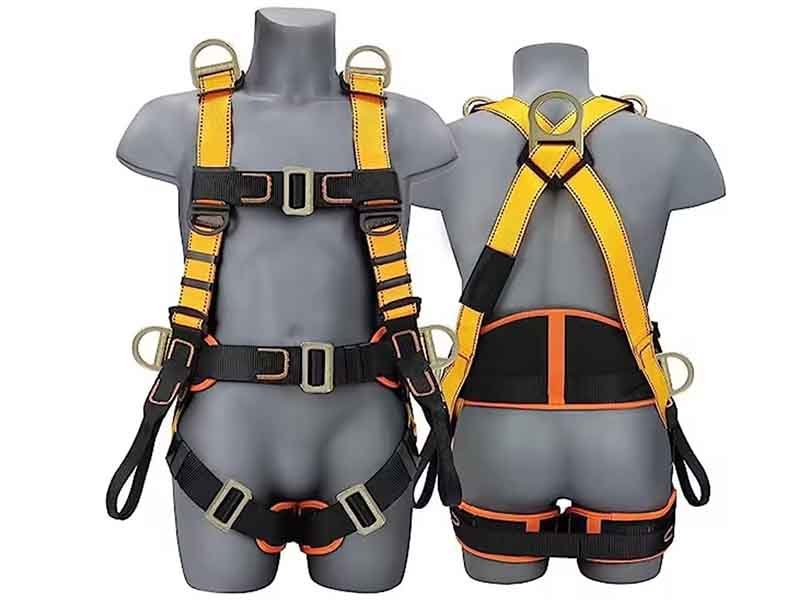
| Safety Harness | Polyester | Tubular | Solid color | Required | Always test pull rating |
Finding the perfect webbing isn’t just about strength or looks—it’s about aligning your material choice with your product vision, branding goals, and functional needs. Whether you’re developing premium backpacks, durable dog leashes, or branded promotional straps, Szoneier is ready to bring your ideas to life.
We’ve been crafting custom webbing for over 18 years with global clients who demand high quality, fast turnaround, and full-service customization. From jacquard logo integration to eco-friendly cotton webbing, we offer free design, low MOQs, and quick sampling.
Ready to get started? Reach out to Szoneier today to discuss your project, request free samples, or get a quote tailored to your specs.
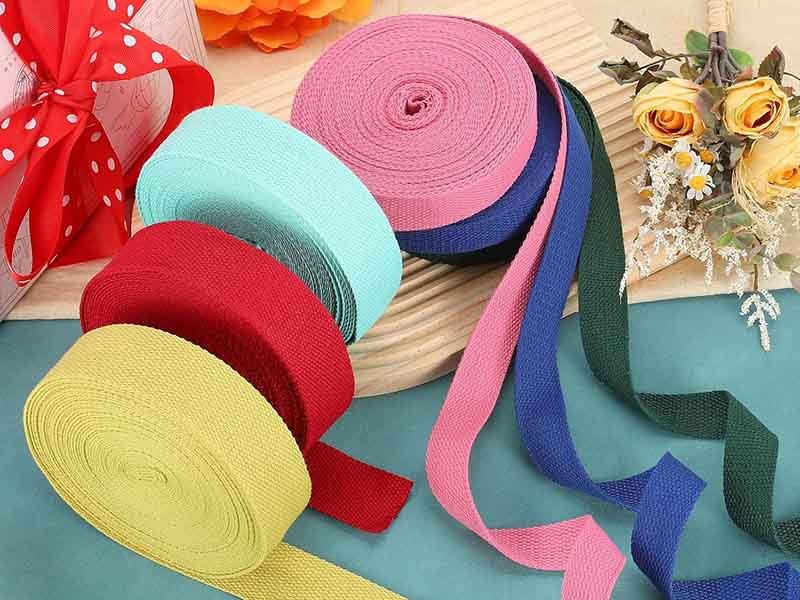


No worries, please contact us and we will answer all the questions you have during the whole process of webbing customization.
If you have your own artwork, logo design files, or just an idea,please provide details about your project requirements, including preferred fabric, color, and customization options,we’re excited to assist you in bringing your bespoke bag designs to life through our sample production process.
Copyright ©2021 Szoneier , All rights reserved.
Looking for premium custom webbing? Contact us now for competitive pricing, free samples, and expert consultation. Fill out the form below, and our team will get back to you within 24 hours!
 Optimized by Seraphinite Accelerator