
- (+86)13823134897
- info@szoneierwebbing.com
From Inquiry to Delivery
 Skip to content
 From Inquiry to Delivery
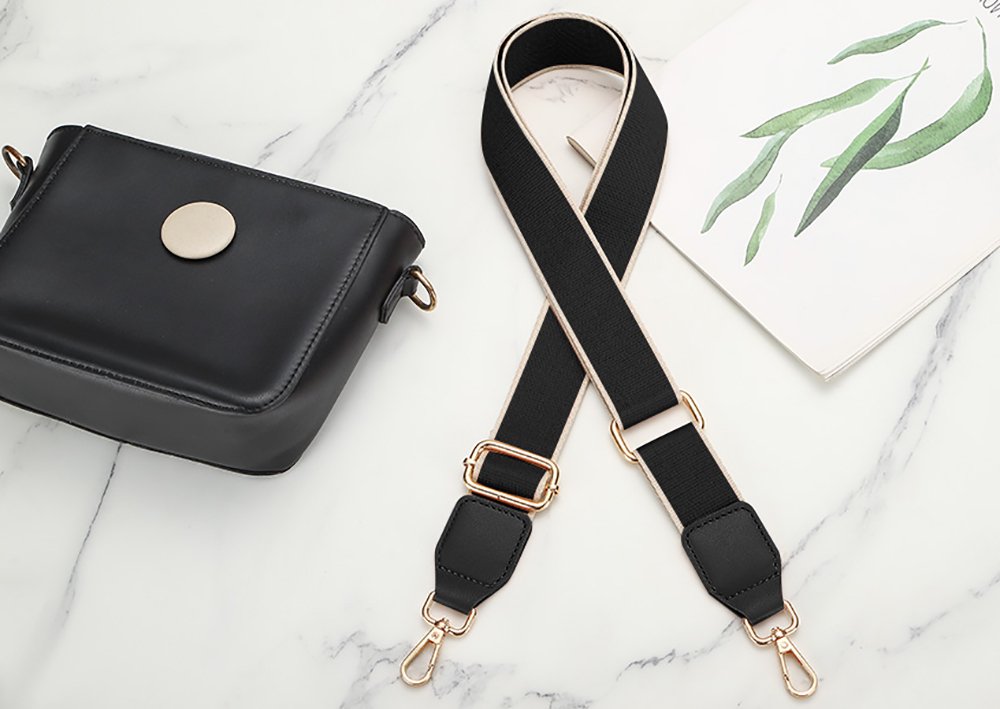
Ever grabbed your favorite tote or backpack only to feel that strap digging into your shoulder? Bag straps are more than mere handles—they’re engineered pieces of webbing, leather, fabric, or hardware that bear our everyday loads. From luxury handbags to rugged hiking packs, the secret lies in what those straps are made of.
Bag straps can be crafted from natural fibers (cotton, jute), synthetic webbing (nylon, polyester), premium leathers, or combinations thereof, often paired with metal or plastic hardware to balance strength, durability, and style. These material choices directly influence comfort, longevity, and price.
Picture a college freshman hauling textbooks through campus. The difference between a flimsy cotton strap and a padded nylon webbing? Night and day—no more red‑raw shoulders. Ready to explore the nuts and bolts of bag strap materials and find the perfect strap match? Let’s dive in!
Bag straps often use heavy‑weight fabrics like canvas, twill, leather-backed cotton, neoprene, and duck cloth—each chosen for strength, abrasion resistance, and aesthetic appeal.
Canvas & Duck Cloth
Cotton Twill & Webbing
Neoprene
Leather-Backed Cotton
Decorative Fabrics
| Fabric Type | Weight (oz/sq yd) | Tear Strength (lbs) | Water Resistance | Typical Use |
|---|---|---|---|---|
| Canvas (waxed) | 12–16 | 250–350 | High | Outdoor totes, tool bags |
| Cotton Twill | 10–14 | 200–300 | Low | Fashion handbags, backpacks |
| Neoprene (3 mm) | N/A | N/A | High | Padded straps, laptop bags |
| Leather-Backed Cotton | N/A | 300–400 | Medium | Premium crossbody straps |
| Jacquard Decorative | 8–12 | 150–250 | Low | Fashion embellishments |
Nylon webbing (1″–2″ width) stands out for its high tensile strength (~1,500 lbs), UV resistance, and low stretch, making it the top choice for versatile, durable bag straps.
School bags use thick, padded straps to distribute heavy textbook weight evenly across shoulders, reducing pressure and preventing muscle strain during long campus walks.
Ergonomics & Pressure Distribution
Design for Growth
Aesthetic & Branding
Nylon Webbing
Polyester Webbing
Polypropylene Webbing
UHMWPE (Dyneema®) Webbing
| Webbing Material | Tensile Strength | Stretch (%) | UV Resistance | Cost Relative | Floatability |
|---|---|---|---|---|---|
| Nylon | 1,500 lbs | <5 | Medium | $$ | No |
| Polyester | 1,000 lbs | 4–7 | High | $$ | No |
| Polypropylene | 300 lbs | <3 | Low | $ | Yes |
| UHMWPE (Dyneema®) | 4,500 lbs | <1 | High | $$$$ | No |
Synthetic webbing is woven on high‑speed looms from yarns (nylon, polyester), then heat‑set, dyed, and optionally finished with coatings for UV or abrasion resistance before cutting and hardware assembly.
Yarn Production
Weaving Process
Heat‑Setting & Finishing
Cutting & Assembly
Quality Control
Natural fibers can be durable—cotton twill reaches 200 lbs tear strength—but they absorb moisture, stretch, and degrade faster than synthetics unless treated with wax or synthetic blends.
Cotton Fiber Traits
Jute Fiber Characteristics
Blended Options
Use Cases & Aesthetics
| Fiber Type | Tear Strength (lbs) | Water Absorption (%) | UV Resistance | Biodegradability | Cost Relative |
|---|---|---|---|---|---|
| Cotton Twill | 200 | 25 | Low | Yes | $$ |
| Jute | 150 | 30 | Low | Yes | $ |
| Cotton‑Nylon Blend | 250 | 15 | Medium | Partially | $$$ |
Yes—hardware (buckles, D‑rings, slides) in stainless steel or zinc alloy ensures corrosion resistance, durability (500–1,000 kg break rating), and smooth operation, directly impacting strap lifespan and user experience.
Material Options
Finish & Corrosion Protection
Mechanism Types
Wear & Tear Considerations
| Hardware Type | Break Strength (kg) | Corrosion Resistance | Weight Impact | Cost Relative |
|---|---|---|---|---|
| Stainless Steel | 1,000 | High | Heavy | $$$ |
| Zinc Alloy | 500 | Medium | Medium | $$ |
| Plastic (Acetal) | 200 | Low | Low | $ |
UHMWPE (Dyneema®) or heavy‑duty nylon webbing paired with stainless steel hardware offers the best durability: ultra‑high strength, minimal stretch, excellent abrasion resistance, and wide temperature tolerance.
UHMWPE (Dyneema®)
Heavy‑Duty Nylon
Outdoor Coatings
Real‑World Test Data
| Strap Material | Abrasion Cycles to Failure | Tensile Strength (lbs) | Stretch (%) |
|---|---|---|---|
| UHMWPE | 200,000 | 4,500 | <1 |
| Coated Nylon (PU) | 50,000 | 1,500 | 5 |
| Polyester (Uncoated) | 30,000 | 1,000 | 7 |
User Scenarios
Match purpose (fashion vs. utility), weight load, environmental exposure, and budget to material properties—use tables of tensile strength, abrasion life, and moisture handling to guide your choice.
Define Your Needs
Budget & Aesthetics
Comfort & Ergonomics
Hardware Compatibility
Supplier & Custom Options
| Factor | Light Use | Moderate Travel | Heavy/Duty Use |
|---|---|---|---|
| Material | Cotton/Jute | Nylon Webbing | Dyneema®/Coated Nylon |
| Hardware | Plastic Acetal | Zinc Alloy | Stainless Steel |
| Padding | Minimal | 0.5″ Foam Pad | 1″ High‑Density Pad |
| Cost Range (per set) | $2–$5 | $10–$20 | $25–$50 |
Whether you need eco‑friendly cotton for a market tote, heavy‑duty Dyneema® for alpine packs, or stylish leather‑backed webbing for premium handbags, the right strap material makes all the difference. At Szoneier, we combine 18+ years of R&D and manufacturing excellence to deliver:
Contact Szoneier today for a free quote and start crafting bag straps that blend comfort, strength, and style—tailored exactly to your brand’s needs!
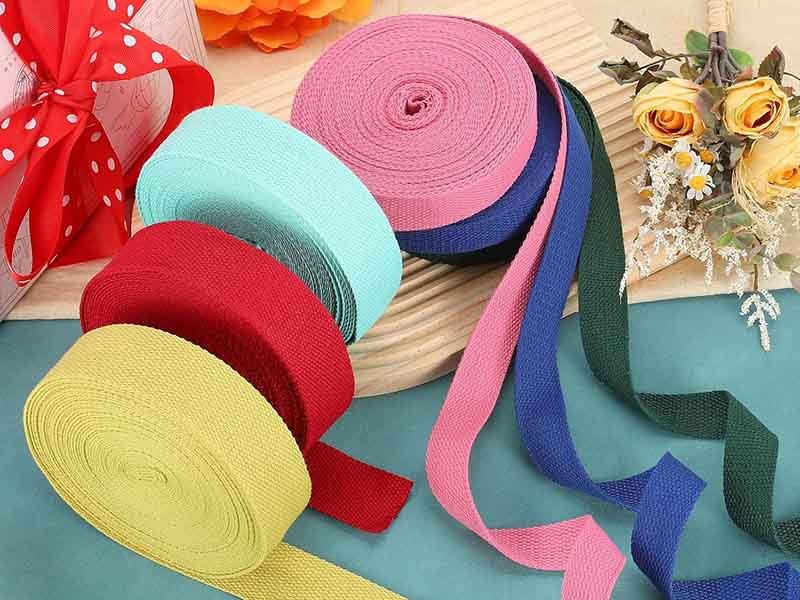


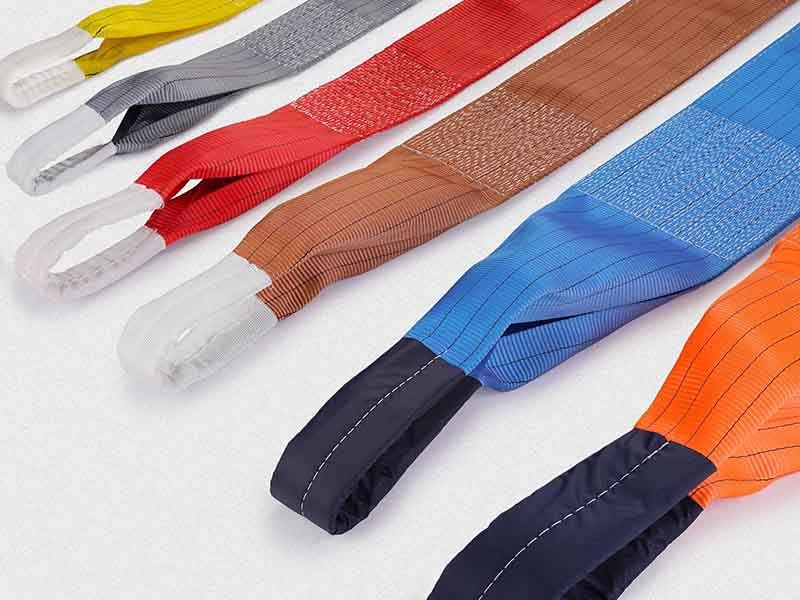
No worries, please contact us and we will answer all the questions you have during the whole process of webbing customization.
If you have your own artwork, logo design files, or just an idea,please provide details about your project requirements, including preferred fabric, color, and customization options,we’re excited to assist you in bringing your bespoke bag designs to life through our sample production process.

Copyright ©2021 Szoneier , All rights reserved.
Looking for premium custom webbing? Contact us now for competitive pricing, free samples, and expert consultation. Fill out the form below, and our team will get back to you within 24 hours!
 Optimized by Seraphinite Accelerator