
From Inquiry to Delivery
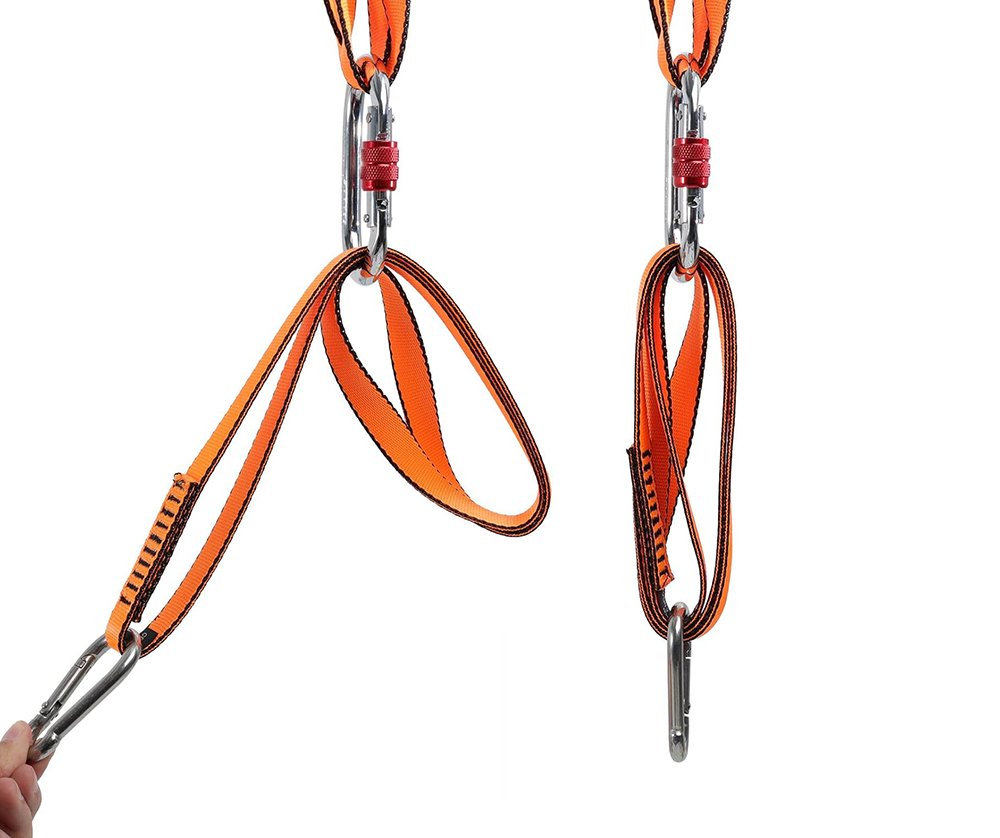
Whether you’re gearing up for your first multi‑pitch adventure or fine‑tuning your alpine rack, climbing slings are the unsung heroes that tie your system together. From extending protection to equalizing anchors, slings play countless roles—yet many climbers overlook their true versatility until they’re mid‑route and need that critical extender.
Climbing slings are versatile loops of webbing or cord used to extend protection, build anchors, equalize forces, and prevent rope drag. They come in various materials—nylon or Dyneema®—and constructions—sewn or tied—each tailored to specific climbing disciplines. Understanding sling types and uses is essential for safe, efficient climbing and rescue scenarios.
Imagine you’re dangling over a 200‑foot face, your last piece of gear pecking at loose rock. A well‑placed sling could be the difference between a smooth rappel and a nerve‑racking pendulum. Ready to master slings? Let’s dive deep.
A climbing sling is a loop of strong webbing or cord—typically sewn into a fixed length—that climbers use to extend gear, build anchors, or rappel.
A climbing sling is a sewn or tied loop of webbing/cord used to extend protection, construct anchors, reduce rope abrasion, and serve as a personal tether. They’re made from nylon or Dyneema® in lengths from 30 cm to 240 cm for versatile applications.
Materials & Constructions:
Length Variations & Strength Ratings:
| Length (cm) | Typical Use | Minimum Breaking Strength | Weight per Meter |
|---|---|---|---|
| 30 | Quickdraw extender | 22 kN | 25 g |
| 60 | Runner for cams or nuts | 22 kN | 35 g |
| 120 | V‑anchor or anchor extension | 22 kN | 70 g |
| 240 | Multi‑point anchor equalization | 22 kN | 140 g |
Sewn vs Tied Slings:
What Can Slings Be Used For?
What Is a Sling Used for in Mountain Climbing?
What Do You Use a Sling for Climbing?
Not all slings are created equal. Your discipline—sport, trad, alpine, or ice—dictates the optimal sling choice.
Sport climbers favor lightweight Dyneema® runners; trad climbers lean on durable nylon slings for versatility; alpinists choose low‑weight cordelettes; ice climbers use sewn nylon slings with steel‑edge protection. Each sling type addresses unique environmental and technical demands.
Sport Climbing:
Trad Climbing:
Alpine & Mountaineering:
Ice & Mixed Climbing:
Big Wall & Aid Climbing:
Anchors bear the full weight of the climber and gear; slings let us distribute that load safely across multiple points.
Slings form anchor master points by connecting multiple protection pieces—cams, nuts, bolts—using cordelettes or long slings. Proper equalization ensures each piece shares the load evenly, reducing failure risk in critical scenarios.
V‑Anchors vs Master Point:
Critical Angles & Force Calculations:
| Angle Between Legs | Force on Each Arm (as % of load) |
|---|---|
| 30° | 52% |
| 60° | 100% |
| 90° | 141% |
| 120° | 200% |
Materials & Stretch Considerations:
Redundancy & Extension: Always use two independent pieces; slings allow you to extend bolts away from the rock for better angles.
As you climb, the rope can rub against rough edges—slings keep the rope path smooth and the fall factor low.
Runners made from slings—either over cams or nuts—extend protection points, aligning them with the rope’s path. This reduces rope drag, makes clipping easier, and ensures cleaner, safer falls.
Quickdraw vs Runner:
Edge Protection:
Fall Factor Impact:
Case Study:
Sling‑based anchors form the backbone of rappels and hauling—done right, they’re rock‑solid; done wrong, they’re disaster.
Slings create equalized anchor points for rappels and join haul lines in big‑wall systems. When constructed with proper knots or sewn terminations and rated to EN 795 or UIAA standards, they provide reliable support under multi‑directional loads.
Rappel Anchor Construction:
Hauling Systems:
Safety Factors & Standards:
Common Mistakes:
Just like your rope, slings require regular checks. A tiny cut can spell big trouble.
Inspect slings before every use: check for cuts, abrasion, UV damage, chemical exposure, and loose threads. Retire slings showing >10% wear in critical areas or after a major fall. Store in cool, dark places away from sunlight and contaminants.
Visual & Tactile Checks:
Retirement Guidelines:
| Condition | Action |
|---|---|
| Visible cuts or tears | Retire immediately |
| >10% sheath abrasion | Retire or re‑inspect |
| Chemical exposure (solvents) | Retire |
| Major fall (UIAA fall factor 2) | Retire or test in lab |
Cleaning & Storage:
Choosing material affects weight, durability, and performance under load.
Nylon slings offer elasticity (10–15%), superior edge abrasion resistance, and UV durability (85% strength after 1,000 h). Dyneema® slings weigh ~40% less, float, and stretch <5%, but are more prone to UV degradation and heat damage.
Elasticity & Shock Absorption:
UV & Heat Sensitivity:
| Property | Nylon | Dyneema® |
|---|---|---|
| UV Retention @1,000 h | 85% | 60% |
| Melting Point | 260 °C | 144 °C |
| Float on Water | No | Yes |
Durability & Abrasion:
Weight Comparison:
Cost & Availability:
At Szoneier, we’ve honed sling design and manufacturing for over 17 years. Whether you need:
We offer:
Hit Contact Us below to request your custom quote and equip your next climb with Szoneier’s premium slings!


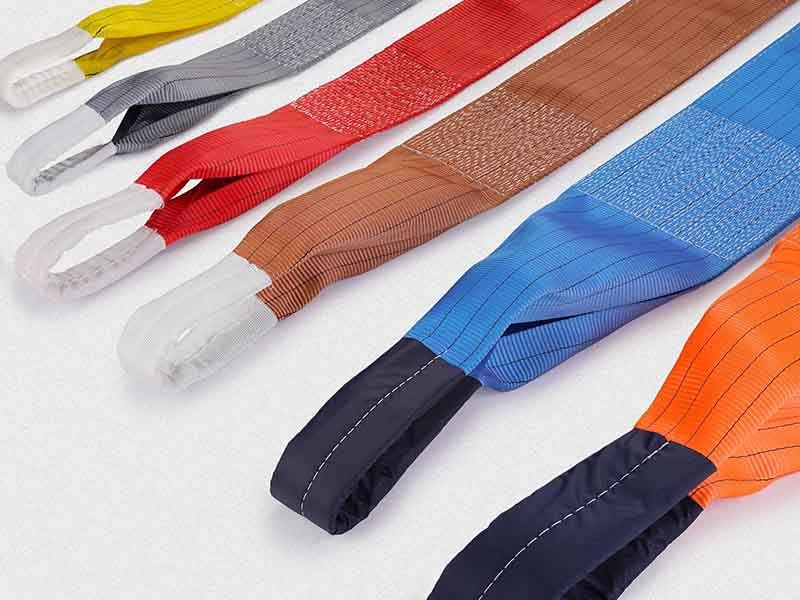
No worries, please contact us and we will answer all the questions you have during the whole process of webbing customization.
If you have your own artwork, logo design files, or just an idea,please provide details about your project requirements, including preferred fabric, color, and customization options,we’re excited to assist you in bringing your bespoke bag designs to life through our sample production process.

Copyright ©2021 Szoneier , All rights reserved.
Looking for premium custom webbing? Contact us now for competitive pricing, free samples, and expert consultation. Fill out the form below, and our team will get back to you within 24 hours!
