- (+86)13823134897
- info@szoneierwebbing.com
From Inquiry to Delivery
 Skip to content
 From Inquiry to Delivery
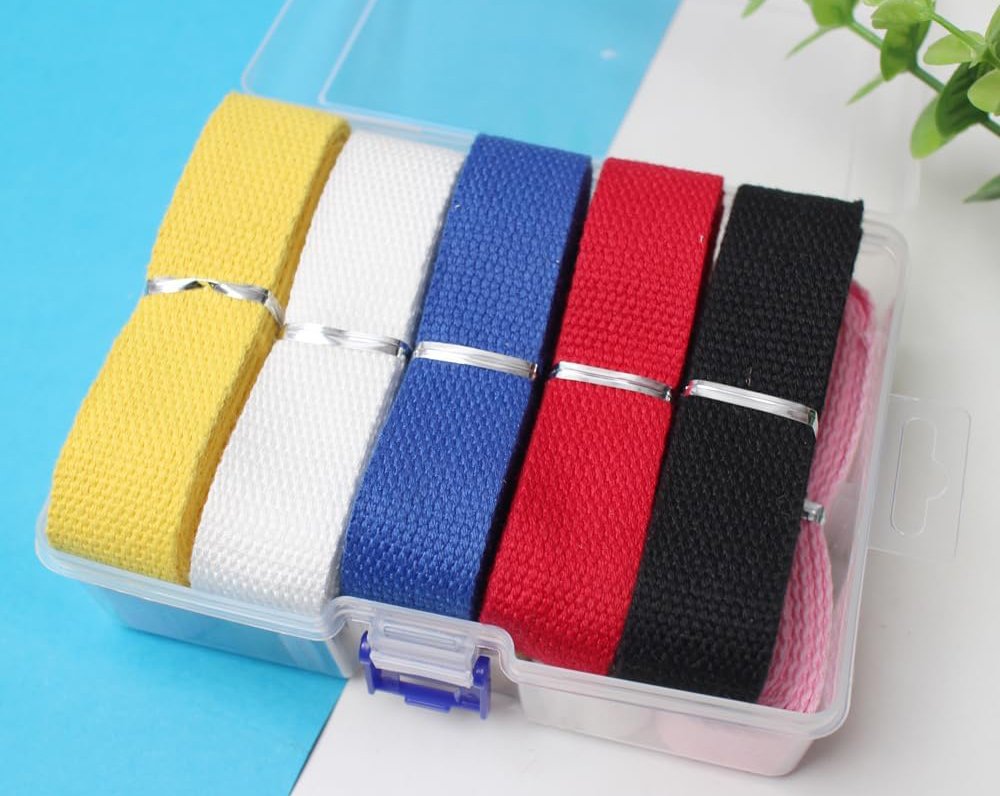
Webbing straps are everywhere—from your backpack harness to industrial lifting slings. These humble loops of woven material quietly keep us safe, organized, and on the move. But beyond the everyday glance, webbing straps power critical applications in outdoor gear, industry, healthcare, and even fashion.
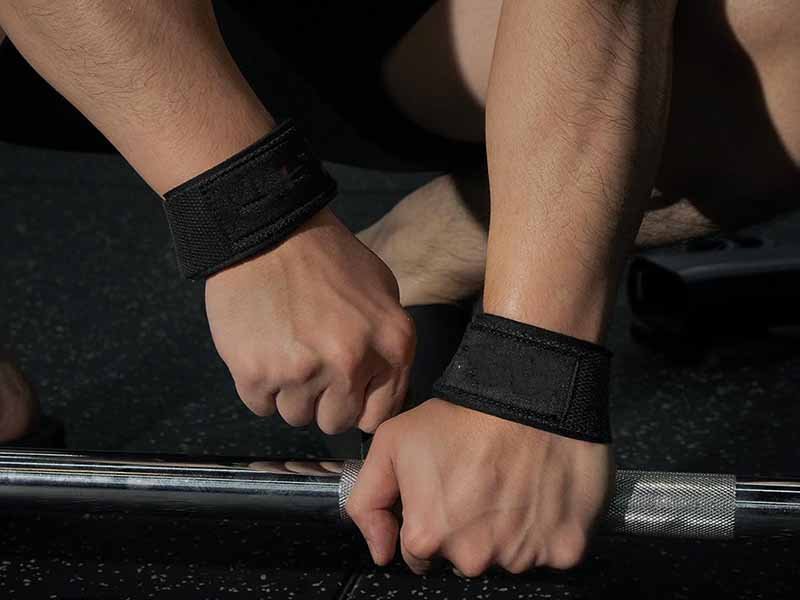
Webbing straps are woven bands made of nylon, polyester, or polypropylene, used to secure loads, create adjustable harnesses, form protective slings, and add ergonomic handles. Their high strength‑to‑weight ratio, abrasion resistance, and easy customization make them indispensable in camping equipment, safety systems, cargo transport, and wearable accessories.
Picture this: you’re on a windswept ridge, your pack’s load rocking side to side. A quick cinch on your adjustable webbing strap transforms your gear into a rock‑steady fortress—letting you focus on the summit. Ready to explore every twist and loop? Let’s dive in.
Webbing straps are narrow strips of strong, woven yarns—typically nylon, polyester, or polypropylene—designed for load bearing, adjustment, and secure attachment. They come in flat or tubular profiles, with tensile strengths ranging from 1 kN to over 30 kN for high‑demand uses.
Profiles & Construction:
Yarn Types & Properties:
Typical Widths & Strengths:
| Width (mm) | Material | Avg. Breaking Strength (kN) | Weight/m (g) |
|---|---|---|---|
| 12 | Nylon | 5 | 20 |
| 25 | Polyester | 15 | 60 |
| 38 | Nylon Tubular | 24 | 90 |
| 50 | UHMWPE Tubular | 30 | 70 |
Edge Finishes & Coatings: Heat‑sealed edges, PU for water resistance, silicone for heat protection.
Why We Love Webbing: Versatility across industries, ease of customization, and rapid prototyping.
Market offerings include flat, tubular, ladder, jacquard, and hook‑and‑loop webbing in various polymers. Specialty options feature reflective weaves, high‑temperature aramids, and elastic stretch webbing for compression or recoil applications.
Flat vs. Tubular vs. Ladder Webbing:
Elastic & Stretch Webbing: For adjustable waistbands, medical braces, and compression gear.
Reflective & High‑Vis Webbing: Integrated glass beads or reflective yarns for safety vests and pet leads.
Temperature‑Resistant Webbing: Kevlar®, Nomex®, and Vectran® for firefighting, automotive, and aerospace.
Specialized Finishes: Antimicrobial coatings for medical slings, waterproof TPU laminates for marine use.
Quick‑Reference Table:
| Type | Use Case | Key Benefit |
|---|---|---|
| Flat Polyester | Backpack straps, fashion belts | Printing surface |
| Tubular Nylon | Climbing slings, watercraft tie‑downs | Knot security |
| Ladder Elastic | Cargo ratchet straps | Adjustable tension |
| Reflective Jacquard | Safety gear, pet products | Night‑time visibility |
| Aramid Heat‑Resistant | Firefighter harnesses | Flame resistance |
Webbing straps secure cargo, build harnesses, craft dog leashes, form diving harnesses, and even mount medical slings—virtually anywhere you need a strong, adjustable binding.
Webbing underpins sectors like outdoor recreation, logistics, automotive, aerospace, medical, military, and fashion. Its load capacity, adaptability, and customization make it ideal for safety harnesses, cargo tie‑downs, aircraft seat belts, surgical slings, and branded wearable accessories.
In outdoor gear, webbing straps form shoulder harnesses, adjust frame fits, anchor tent guy‑lines, and secure equipment. Specialized tubular runners and ladder webbing adjust gear load distribution, minimize rope drag, and enhance user comfort on multi‑day expeditions.
Backpack Harness Systems:
Climbing & Mountaineering:
Camping & Shelters:
Water Sports:
Data & Field Study:
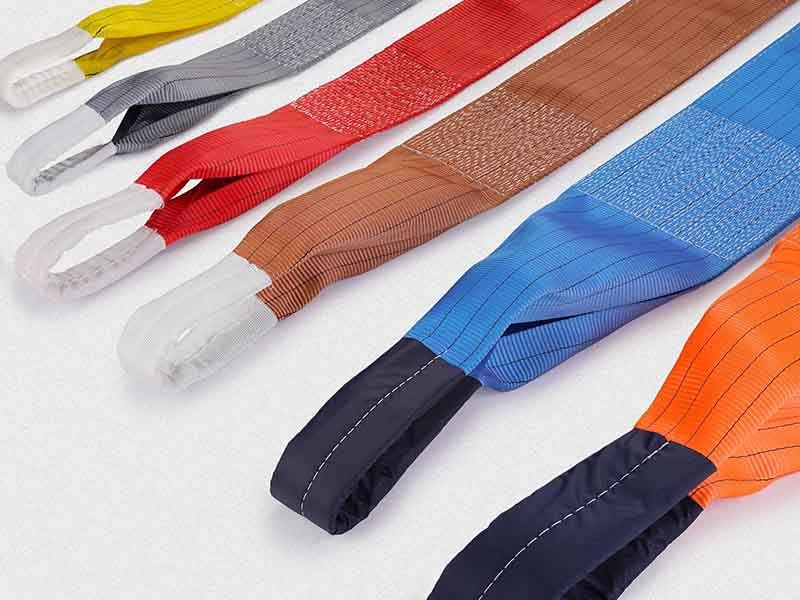
Webbing slings—tubular loops of nylon or Dyneema®—extend anchor points in climbing, secure paddles to boats, and form lifting loops in arborist lines.
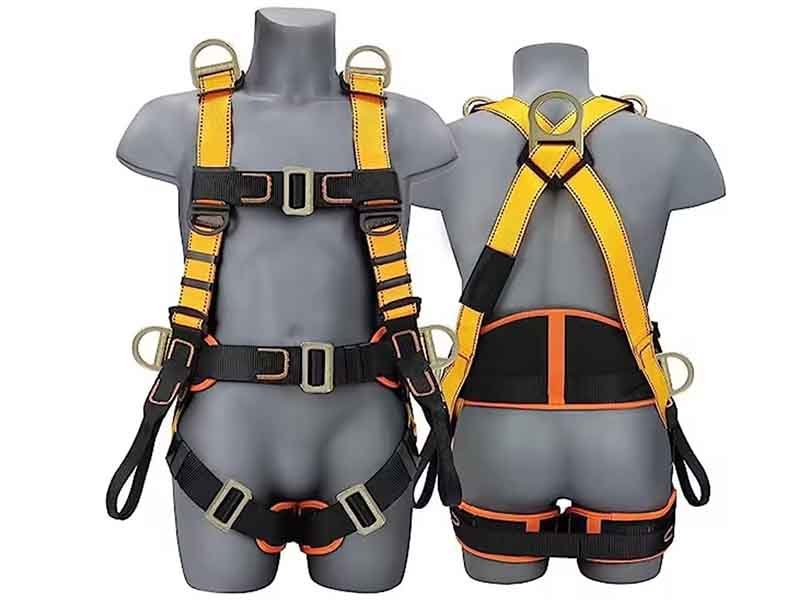
Industrial webbing supports lifting slings, fall‑arrest harnesses, rescue stretchers, tow straps, and barrier gates. Rated to 50 ton, coated for chemical resistance, and inspected per OSHA/EN standards, they’re the backbone of workplace and public safety systems.
Material Handling & Lifting:
Fall Protection:
Marine & Offshore:
Emergency Services:
Cross‑Industry Analysis:
While 8 mm accessory cord has a break strength of ~15 kN, 25 mm tubular webbing can exceed 24 kN. Webbing spreads load over a wider area, reducing edge stress—making it stronger per gram in many safety applications.
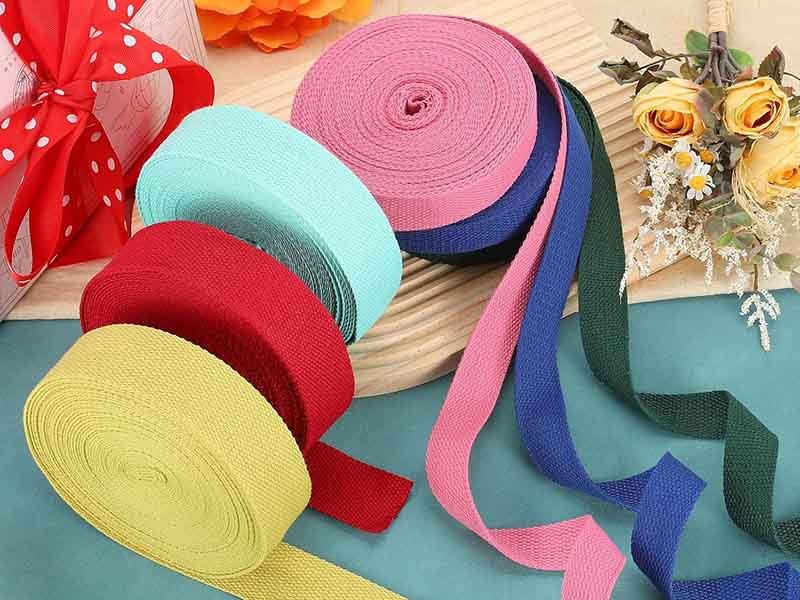
Modern weaving looms enable custom logos, pantone‑matched colors, jacquard patterns, and varied widths up to 100 mm. Coating options—PU, TPU, silicone—further tailor webbing for water resistance, heat shielding, or tactile finishes, perfect for branded consumer goods.
Jacquard vs. Dye‑Sublimation Printing:
Color Matching & Pantone Selection:
Special Weaves & Logos:
Finish Options:
Customization Turnaround & MOQ:
Inspect webbing for cuts, UV damage, chemical staining, and broken fibers. Clean in mild detergent, air‑dry away from UV. Retire straps showing >10% strength loss or visible damage. Proper storage—coiled or flat, in cool, dark places—extends service life up to 5 years.
Visual & Tactile Checks:
Cleaning Protocols:
Drying & Storage:
Retirement Guidelines & Standards:
| Condition | Action |
|---|---|
| Visible cuts or wear >10% | Retire |
| Prolonged UV exposure (>2,000 h) | Replace or re‑inspect |
| Chemical contamination (solvent) | Retire |
| Fading/coating delamination | Service or replace |
Under normal use—properly cleaned, stored, and inspected—high‑quality webbing lasts 3–5 years. In harsh UV or chemical environments, lifespan may shrink to 1–2 years.
At Szoneier, we’ve engineered and manufactured premium webbing since 2005. Whether you need:
We offer:
Contact us today to request your personalized quote—let Szoneier’s expertise elevate your next webbing project!


No worries, please contact us and we will answer all the questions you have during the whole process of webbing customization.
If you have your own artwork, logo design files, or just an idea,please provide details about your project requirements, including preferred fabric, color, and customization options,we’re excited to assist you in bringing your bespoke bag designs to life through our sample production process.
Copyright ©2021 Szoneier , All rights reserved.
Looking for premium custom webbing? Contact us now for competitive pricing, free samples, and expert consultation. Fill out the form below, and our team will get back to you within 24 hours!
 Optimized by Seraphinite Accelerator