Jute webbing has quietly woven its way into a variety of industries, from upholstery and fashion to gardening and packaging. It’s not just another fabric strip; it’s a centuries-old material reinvented for modern demands. At its core, jute webbing is a sturdy, natural fiber strip made from the jute plant—an eco-friendly cousin of cotton that’s lightweight, breathable, and surprisingly strong.
Jute webbing is a durable strip of fabric crafted from jute fibers, prized for its high tensile strength, biodegradability, and versatile uses—from straps and belts to garden ties and bag handles. It stands out for being both cost-effective and eco-friendly, making it an ideal choice for industries seeking sustainable, high-quality materials.
Imagine a rural artisan in Bengal, weaving jute threads on a simple loom as the morning sun filters through bamboo walls. That same artisan’s legacy lives on in jute webbing products you see today—binding backpacks for urban commuters, reinforcing garden beds in suburban backyards, or accenting rustic-chic home décor. If you’ve ever admired a hip shoulder bag with a natural, artisanal vibe, chances are jute webbing played a part. Keep reading to uncover how this humble material is finding new life across high-end brands, small custom shops, and DIY projects alike.
What Is Jute Webbing?
Jute webbing is a narrow, woven strap made from jute fibers, valued for its strength, lightweight nature, and eco-friendliness. It’s commonly used in applications like bag straps, belts, upholstery trim, and garden ties, offering a natural alternative to synthetic webbings without sacrificing performance.
Purpose of Jute Webbing
Most people think of jute purely as that coarse burlap or shopping bag material, but in webbing form, jute transcends its humble origins. The primary purpose of jute webbing is to provide a sturdy, natural-fiber strap that can handle tensile loads—whether it’s bearing the weight of a heavy tote, securing a bundle of firewood, or reinforcing furniture edges.
Historical Context
- Ancient Roots: Jute cultivation dates back over 5,000 years in the Indian subcontinent. Originally used for ropes, sacks, and rudimentary fabrics, jute’s durability made it indispensable.
- Evolution into Webbing: With the advent of industrial looms in the 19th century, artisans began weaving jute into narrower, uniform straps—creating what we now call jute webbing. These straps found early use in military gear (rifle slings, pack straps) and in maritime settings (mooring ropes, cargo lashings).
Functional Characteristics
- High Tensile Strength: On average, untreated jute webbing can withstand around 280–350 pounds (≈127–159 kg) of static load per inch of width—depending on weave density and fiber quality. This is often sufficient for everyday bag straps, hammock support, and light industrial uses.
- Stretch and Flexibility: Unlike rigid synthetic webbing, jute has a slight “give,” which makes it comfortable for strapped applications—think cross-body bags or yoga mat carriers.
- Breathability: The natural fibers allow air circulation, reducing sweat buildup in applications like belting or handles. This advantage is especially noticeable in warmer climates where synthetic materials can feel sticky.
- Aesthetic Appeal: Its natural, golden hue and rustic texture lend a premium, eco-friendly vibe to products—popular in artisan crafts, bohemian fashion, and green branding.
Common Use Cases
- Bag Straps and Handles: From handcrafted totes to commercial backpacks, jute webbing provides a comfortable, durable strap.
- Furniture Upholstery: As trim or edging, it adds strength to seat cushions and armrests.
- Gardening and Landscaping: Gardeners love it for tying plants, staking saplings, and bundling cut flowers—because it’s gentle on stems and decomposes if forgotten in the soil.
- Packaging and Gift Wrapping: Instead of plastic ribbons, gift makers use jute webbing for an eco-chic finish.
- Pet Accessories: Collars or leashes made of jute webbing are breathable, reducing odor buildup compared to nylon alternatives.
How Is Jute Webbing Manufactured and Processed?
Jute webbing begins with harvesting jute plants, extracting fibers through retting, cleaning, and spinning into yarn. The yarn is then woven on narrow-loom machines to create straps. Depending on use, webbings may undergo finishing—dyeing (e.g., red or black), heat-setting, or coating to enhance strength, UV resistance, and moisture repellency.
Difference between Red and Black Jute Webbing
At first glance, color might seem purely aesthetic, but red and black jute webbings carry functional distinctions:
- Dye Process: Red jute webbing typically uses eco-friendly, water-based dyes without heavy metals, whereas black often requires stronger pigments that may involve multiple dye baths for full saturation.
- Moisture Resistance: Black-dyed jute sometimes incorporates a mild wax or resin finish to lock color, offering slightly enhanced water repellency compared to untreated red.
- Cost Implication: Black jute webbing can be 5–10% more expensive per meter due to additional dyeing steps and finishing. Manufacturers often pass this minimal increase onto buyers who need UV-resistant or high-contrast straps—for example, black seat belts or handles that show less dirt.
Table 1. Cost & Properties Comparison: Red vs. Black Jute Webbing
| Property | Red Jute Webbing | Black Jute Webbing | Notes |
|---|
| Dye Method | Single water-based dye | Multiple pigment baths | Black requires deeper, UV-stable pigments |
| Water Repellency | Minimal | Mild (wax/resin finish) | Black finished to retain dye often adds slight repellency |
| Tensile Strength (approx) | 280–320 lbs (per inch) | 300–350 lbs (per inch) | Black’s finish can marginally increase strength |
| Cost (USD per meter) | $0.40–$0.45 | $0.45–$0.50 | Black runs about $0.05–$0.10 higher due to finishing |
| Common Applications | Fashion straps, crafts | Heavy-use straps, outdoor | Red is popular for visible, aesthetic uses; black for durability |
From Plant to Webbing: Step-by-Step Process
- Cultivation & Harvesting:
- Jute plants reach maturity in ~120 days. Farmers harvest by cutting stalks close to the ground, bundling them for transport.
- Retting (Fiber Extraction):
- Bundles are submerged in still or slow-moving water for 10–20 days to decompose the gum binding fibers to the plant’s woody core.
- Fibers loosen and are stripped manually—a labor-intensive process typically done by skilled workers.
- Washing & Drying:
- Extracted fibers are washed to remove remaining impurities, then sun-dried until moisture content drops below ~15%. Proper drying is crucial to prevent mildew and maintain fiber strength.
- Combing & Spinning:
- Dried jute fibers are combed to align them, then spun on spinning wheels or ring frames to produce yarns of various thicknesses (counts). Yarn counts for webbing generally range from 300 to 500 (denier equivalent).
- Warping & Weft Preparation:
- Yarn is wound onto warp beams. For narrower webbings, smaller beam widths (2–6 inches) are used.
- Weft yarns are prepared on bobbins, sized to match warp thickness.
- Weaving on Narrow Looms:
- The narrow-width loom interlaces warp and weft to form flat straps. Weave patterns vary—plain weave is most common for jute webbing; twill or herringbone (rare) can be used for decorative or special-purpose straps.
- Tension control is critical: too tight can reduce flexibility; too loose affects uniformity.
- Finishing Processes:
- Dyeing: Yarn can be dyed before weaving (yarn-dyed) or finished post-weave. Yarn-dyed offers better color stability.
- Heat-Setting: Webbing may pass through heated rollers to stabilize fibers, reducing shrinkage.
- Coating: In some cases, webbings receive a light coating—wax, resin, or water-repellent finish—to improve water resistance and slip characteristics.
- Quality Inspection:
- Random sampling checks ensure consistent width (±1 mm tolerance), even weave density (±5 %), and tensile strength benchmarks.
- Visual inspection spots for color variation, fraying, or weaving defects.
Technological Innovations in Jute Webbing Production
- Automated Retting Systems: Tank-based or enzyme-assisted retting reduces water usage by ~30% and cuts extraction time by 40%.
- Computer-Controlled Narrow Looms: Digital tension controls and automatic warp alignment produce webbings with ±0.5 mm width accuracy.
- UV-Stable Dye Technologies: New, eco-certified dyes for darker webbings (e.g., black, navy) boast 50+ hours of UV exposure before noticeable fading—a boon for outdoor applications like pet leashes or backpack straps.
- Biodegradable Coatings: Some manufacturers now use biodegradable poly(lactic acid) or natural wax coatings instead of petroleum-based finishes, aligning with sustainability goals.
What Are the Key Advantages of Using Jute Webbing?
Jute webbing stands out for being biodegradable, breathable, and offering high tensile strength at a low cost. It resists static buildup, provides a natural aesthetic, and has a relatively low carbon footprint compared to synthetic alternatives, making it ideal for eco-conscious brands and versatile enough for fashion, upholstery, and light industrial applications.
Alternative to Jute Webbing
Every material has its trade-offs. While jute shines in many areas, alternatives might be more suitable in specific contexts:
- Nylon Webbing: Higher tensile strength (500–800 lbs/in) and superior abrasion resistance; ideal for heavy-duty straps and outdoor gear.
- Polypropylene (PP) Webbing: Cost-effective and water-resistant; commonly used for luggage straps and marine applications.
- Cotton Webbing: Softer and more flexible but less tensile strength (~200–250 lbs/in), popular in lightweight fashion straps and baby carriers.
- Hemp Webbing: Similar sustainability profile to jute, with slightly higher tensile strength (~300–400 lbs/in) and better mildew resistance; often pricier.
- Polyester Webbing: UV-resistant and low-stretch; used in tactical gear and climbing harnesses.
Table 2. Comparison: Jute vs. Common Alternatives
| Property/Material | Jute | Nylon | Polypropylene | Cotton | Hemp |
|---|
| Tensile Strength (lbs/in) | 280–350 | 500–800 | 300–400 | 200–250 | 300–400 |
| Price (USD/meter) | $0.40–$0.50 | $0.60–$0.80 | $0.30–$0.40 | $0.50–$0.60 | $0.70–$0.90 |
| Water Resistance | Low (unless coated) | High | Very high | Low | Moderate |
| UV Resistance | Moderate (black dye) | High | Moderate | Low | High |
| Biodegradability | Yes (100%) | No | No | Yes (100%) | Yes (100%) |
| Typical Uses | Bags, belts, upholstery | Outdoor gear, harness | Luggage straps, marine | Fashion straps, baby | Eco-premium products |
| Aesthetic/Natural Vibe | Strong | Minimal | Minimal | Moderate | Strong |
| Environmental Footprint | Low (sequesters C) | High | High | Low (but resource-intensive) | Low (similar to jute) |
Cost Efficiency and Value Proposition
- Raw Material Costs: Jute cultivation costs $200–$300 per metric ton (fiber), compared to synthetic fiber precursors (nylon polymers) at $1,500–$2,000 per ton. This translates into 30–40% lower webbing costs for jute versus nylon (all else equal).
- Production Energy: Jute processing (fiber extraction, spinning, weaving) uses roughly 2.5 GJ/ton energy, whereas synthetic fiber production can exceed 10 GJ/ton—reducing both carbon footprint and utility costs.
- Lifecycle Cost: Even though nylon webbings last 2–3× longer, jute’s lower upfront cost and biodegradability (no disposal fees or microplastic concerns) make it more economical for single-use or short-to-medium lifespan products (e.g., gift packaging, event wristbands).
Aesthetic & Branding Advantages
- Rustic, Artisanal Look: Brands gearing for a “handmade,” “farm-to-fashion,” or “eco-chic” angle often choose jute webbing for visible straps or trim work.
- Custom Printing & Embellishment: Natural jute fibers take eco-friendly water-based inks well, allowing custom logos or patterns without toxic residues.
- Texture & Feel: Compared to waxed cotton or polyester, jute offers a unique rough-grain texture that conveys authenticity—especially when left undyed or hemmed in natural golden tones.
Performance Characteristics
- Breathability & Comfort: Slight air permeability reduces sweat accumulation in wearable items like belts or wrist wraps—helpful in sports or hot climates.
- Mildew & UV Tolerance: While untreated jute resists mildew better than cotton, it still underperforms synthetic webbings. However, black or dark-dyed jute with UV-stable dyes can endure 50+ hours of sun exposure without significant degradation—suitable for outdoor garden slings or pet products.
- Shrinkage & Stretch: Expect 2–3% shrinkage on first exposure to moisture; subsequent damp cycles yield minimal change if properly heat-set.
- Abrasion Resistance: Jute’s surface can fuzz under abrasion but rarely splits. For applications requiring high abrasion resistance (e.g., climbing slings), consider a thin protective coating or a blended jute-hemp webbing.
Which Industries and Products Commonly Use Jute Webbing?
Jute webbing appears across fashion (bag straps, belts), home décor (curtain tie-backs, upholstery trim), horticulture (plant ties, stake supports), pet accessories (collars, leashes), and packaging (gift wraps, reusable tote handles). Its eco-friendly nature draws usage in artisanal crafts, sustainable labels, and light industrial applications where natural fiber appeal outweighs synthetic durability.
How Do You Secure Jute Webbing?
Securing jute webbing often relies on stitching, rivets, or hardware:
- Sewing: Heavy-duty polyester thread with a reinforced zigzag stitch prevents slippage and spreads load.
- Rivets & Grommets: Brass or stainless-steel rivets anchor jute to leather or metal plates—common in bag handle attachments.
- Buckles & Slides: Wood, metal, or plastic buckles offer adjustable strap lengths; jute’s rough texture grips friction buckles well, minimizing slip.
- Clamps & Clips: For garden uses, weather-resistant metal clamps wrap jute around posts or trunks without crushing delicate plant tissue.
- Hot Knife Cut & Heat Sealing: Though jute frays less than cotton, using a hot-knife to seal ends (briefly melting surface fibers) provides a cleaner edge and reduces unraveling—important before sewing or riveting.
Fashion & Accessories
Bag Straps & Handles:
- Tote Bags: Jute webbing handles support up to 25–30 lbs comfortably for daily shopping bags.
- Backpack Straps: While not suitable for extreme load bearing, jute webbing backpack straps for casual, flat-bottomed daypacks add an artisanal flourish.
Belts & Sashes:
- Casual Belts: 1.5″ to 2″ wide jute webbing injected with a light jute-hemp blend makes trendy belts that pair with linen trousers or summer dresses.
- Yoga Straps: Jute’s slight grip and breathability suit yoga practitioners; average jute yoga straps hold ~350 lbs before failure, ideal for stretching support.
Jewelry & Handcrafted Accents:
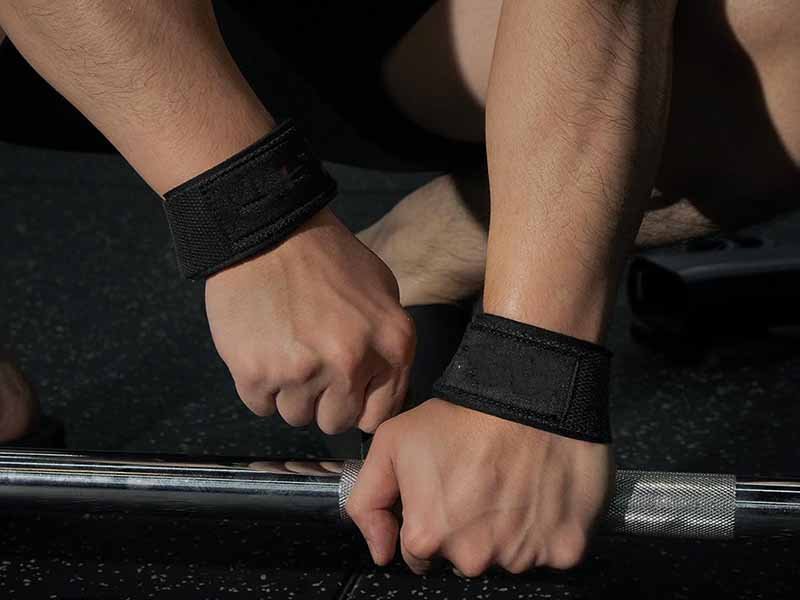
- Bracelets & Wrist Wraps: Thin (½″–¾″) jute webbing woven with colorful threads or beads.
- Hat Bands: Natural-tone jute webbing binds straw hats, complementing rustic styles.
Home Decor & Upholstery
Curtain Tie-Backs:
- Rustic Appearance: 1″–1.5″ jute webbing with tassel ends holds drapery gracefully, supporting medium-weight linen or cotton curtains.
- Sustainability Appeal: Eco-friendly interior designers choose jute tie-backs to reduce plastic and synthetic trim.
Furniture Reinforcement:
- Seat Support: Jute webbing strips, spaced 2–3″ apart and interlaced under chair seats or sofas, provide springy yet durable support. This technique predates synthetic webbings and is still used in high-end, hand-crafted upholstery.
- Edge Binding: Jute webbing covers exposed wooden edges on benches or ottomans—adding both protection and organic texture.
Wall Hangers & Macramé:
- Plant Hangers: Macramé artists integrate jute webbings as load-bearing straps or decorative weaves for hanging planters.
- Picture Hangers: A 1″ jute webbing strap looped around a dowel or hook suspends lightweight frames in farmhouse-style galleries.
Horticulture & Agriculture
Plant Ties & Stakes:
- Jute webbing is gentle on stems yet strong enough to support tomato plants, young trees, or climbing vines—decomposing naturally if left tied.
- Standard garden jute webbing (½″ width, 150 ft roll) costs $5–$8 and holds up through one growing season before degrading—eliminating the need for removal.
Erosion Control & Landscaping:
- Wider jute webbing (3–4″) used to anchor coir mats or erosion control blankets on slopes—stapled or pegged to soil, allowing water infiltration while preventing soil washout.
Greenhouse Support:
- Overhead rails in nurseries suspend tomato or cucumber vines with jute webbing loops—versus plastic ties that can girdle stems. Because jute loosens as plants grow, manual adjustment is minimal.
Pet Products
Collars & Leashes:
- Jute webbing collars (¾″–1″ width) are breathable and reduce odor buildup compared to nylon. Typical jute collar holds ~200–250 lbs tensile load—adequate for small to medium dogs.
- Leashes (1″–1.5″ width) with heavy-duty stitching and brass hardware handle up to ~300 lbs of sudden jerks.
Pet Beds & Carriers:
- Jute webbing frames under pet carriers or as slings in cat hammocks offer natural comfort and minimal chemical off-gassing.
Packaging & Retail
Reusable Tote Handles:
- Retailers support sustainability by equipping cotton grocery totes with jute webbing handles, ensuring a maximum carrying capacity of ~40 lbs per strap set.
Gift Boxes & Wrapping:
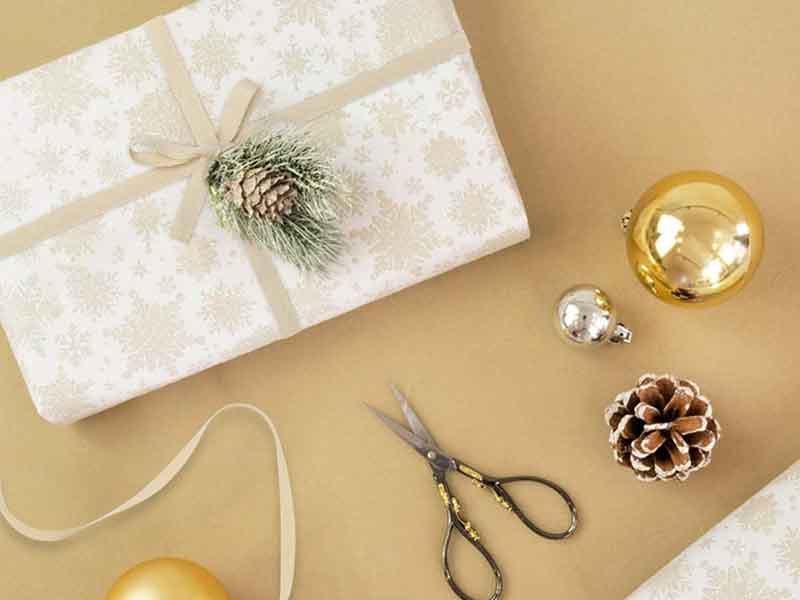
- Artisan chocolatiers and wineries wrap wooden crates with jute webbing ribbons, offering a tactile, premium unboxing experience.
Point-of-Sale Displays:
- Small boutiques use jute webbing loops to hang signage or merchandise, aligning with an eco-friendly brand image.
Light Industrial & Crafts
Tool Belts & Holsters:
- Hobbyists craft tool belts combining jute webbing with leather pouches—lightweight for home DIY and gardening tools.
Sporting Goods (Limited Use):
- Jute buoyancy straps in traditional canoeing or kayaking—though largely supplanted by nylon, still favored by purists restoring vintage craft.
How Do You Choose the Right Jute Webbing for Your Project?
Selecting jute webbing starts with defining your load requirements (tensile strength), desired width and thickness, color or finish, and any environmental exposure (UV, moisture). Consider weave density, coating (water resistance), and compatibility with hardware (buckles, D-rings). Always request samples and test tensile performance under realistic conditions before bulk ordering.
Assessing Load & Strength Requirements
Tensile Strength Rating:
- Decide your maximum static and dynamic loads. Standard jute webbing of 1″ width (weave density ~40 ends/inch) typically rates at 300 lbs. If you need more, consider a thicker weave (50–60 ends/inch) or a jute-hemp blend for up to 400 lbs.
Safety Factor Margin:
- Industry best practice: multiply expected maximum load by 5 to determine required tensile rating. For example, if a bag strap expects to bear 60 lbs regularly, choose webbing rated at least 300 lbs.
Width, Thickness & Weave Density
Width Selection:
- Common widths range from ½″ (1.27 cm) to 2″ (5.08 cm). Wider webbings distribute weight more evenly across shoulders or chair seats; narrower straps suit bracelets or light-duty ties.
Weave Density (Ends per Inch):
- Low density (~30 ends/in) yields more flexibility but lower tensile strength (≈250 lbs/in). High density (~60 ends/in) increases strength (≈400 lbs/in) but reduces “give.”
Thickness & Ply:
- Single-ply jute webbing (≈1.2 mm thick) is standard. Double-ply (two layers laminated) can push thickness to 2.5 mm and strength to ~500 lbs/in—useful for demanding applications like outdoor hammocks.
Table 3. Jute Webbing Specification Guide
| Attribute | Low (Light-Duty) | Medium (General Use) | High (Heavy-Duty) |
|---|
| Width | ½″ (1.27 cm) | 1″ (2.54 cm) | 2″ (5.08 cm) |
| Weave Density | 30 ends/in | 40 ends/in | 60 ends/in |
| Thickness | 1.0 mm | 1.2 mm | 2.5 mm |
| Tensile Strength | 200–250 lbs (≈90–113 kg) | 300–350 lbs (≈136–159 kg) | 400–500 lbs (≈181–227 kg) |
| Typical Uses | Gift ties, light crafts | Bag straps, garden ties | Furniture support, heavy bag straps |
Color, Dyeing & Finishing Considerations
Undyed (Natural): Rustic golden hue; may show slight color variation (from tan to pale yellow). Avoids any dye-related chemical finishes.
Red, Black, Navy: Consider fade resistance. Request UV stability data (e.g., “Retains 70% color after 40 hrs sunlight exposure”).
Coatings:
- Wax or Resin: Adds 10–15% water repellency; can darken natural color slightly. Ideal if occasional damp use is expected (e.g., garden ties in early spring).
- Biodegradable PLA Coating: A newer option that improves mildew resistance while maintaining compostability—available at ~$0.05 extra per meter.
Hardware Compatibility & Edge Finishing
Buckles & Slides: Ensure the inner width matches webbing width ±1 mm; jute’s surface grip means friction buckles hold well without additional stitching.
Sewing Recommendations: Use UV-resistant, bonded polyester thread (Tex 70–Tex 90). Deploy a double-stitch pattern: lockstitch for strength and zigzag stitch to spread load.
Edge Treatment:
- Hot Knife Sealing: Briefly melt ends for minimal fraying.
- Serge Stitch: Overlock stitching prevents unraveling on high-stress ends.
- Heat-Shrink Sleeves: Clear nylon sleeves slipped over ends, then heated—good for garden or outdoor kits where moisture is a concern.
Sampling & Testing Process
Request Sample Swatches: At least 3 meters of the exact weave, color, and finish.
Perform Tensile Test:
- Use a hand-held tensiometer or have your factory partner conduct a standardized tensile test, noting both breaking strength and elongation percentage.
Abrasion & UV Exposure:
- Rub a 6″ length back and forth on coarse sandpaper for 100 cycles; inspect for fiber breakage.
- Expose to direct sunlight for 48 hours; check for noticeable fading or stiffness.
Compatibility with End-Use:
- If sewing onto leather or canvas, test stitching retention—pull at a 60° angle to simulate shoulder or weight stress.
- For horticulture, tie around a plant stem, leave for a week in varied weather, and ensure it doesn’t cut into the plant or degrade prematurely.
Are There Eco-Friendly and Sustainability Benefits to Jute Webbing?
Jute webbing is 100% biodegradable, produces minimal greenhouse gases during cultivation, and actually sequesters carbon while growing. Unlike synthetic webbings, it decomposes fully within 6–12 months in soil, reducing landfill waste. Additionally, jute farming often supports smallholder farmers, promoting socio-economic sustainability in rural regions.
Environmental Footprint & Lifecycle Analysis
Carbon Sequestration & Emissions
- Carbon Uptake: One hectare of jute crop (≈2.47 acres) sequesters ~15 tons of CO₂ annually—offsetting emissions from subsequent processing stages.
- Processing Emissions:
- Traditional Retting: Generates methane (CH₄) in open water bodies. Modern enzyme-assisted retting reduces CH₄ by ~60%, cutting overall GHG emissions by ~30%.
- Energy Consumption: Jute textile manufacturing consumes ~2.5 GJ/ton. In contrast, polyester webbing production can exceed 8 GJ/ton.
Table 4. Lifecycle GHG Emissions (approximate, kg CO₂ eq/ton)
| Stage | Jute Webbing | Polyester Webbing | Nylon Webbing |
|---|
| Cultivation/Growth | –15,000 (sequestered) | N/A | N/A |
| Fiber Extraction | 2,500 | N/A | N/A |
| Spinning & Weaving | 1,200 | 3,000 | 3,500 |
| Finishing & Dyeing | 800 | 2,500 | 3,000 |
| Total (Net) | –11,500 | 6,000 | 6,500 |
Note: Negative net for jute reflects sequestration during cultivation exceeding processing emissions.
End-of-Life & Biodegradability
- Soil Degradation: Jute webbing buried in moist soil decomposes fully within 6–8 months; in compost settings, breakdown accelerates to 4–6 months.
- Marine Biodegradability: In freshwater, jute loses structural integrity within 3–4 weeks; in seawater, 6–8 weeks—reducing marine-plastic concerns if accidentally lost at sea.
- Microplastic Avoidance: Synthetic webbings shed microplastics under abrasion; jute fibers degrade into harmless organic matter, making it ideal for single-use or short-term outdoor applications.
Social & Economic Impacts
- Smallholder Livelihoods: Over 4 million farmers in India and Bangladesh cultivate jute; demand for jute webbing supports rural economies and reduces urban migration.
- Fair Trade & Certifications: Look for products certified by organizations like Fair Trade Federation or Rainforest Alliance, ensuring ethical labor practices and reasonable wages.
Certifications & Standards
- Global Organic Textile Standard (GOTS): Ensures jute fiber meets ecological and social criteria—no harmful chemicals, fair labor conditions.
- Handmade in Bangladesh (HWB): Similar to India’s Handloom Mark, it certifies regional jute products, guaranteeing artisans’ wages and traditional methods.
- OEKO-TEX Standard 100 (Class I–III): Though more common for cotton, some jute webbings tested for harmful substances carry OEKO-TEX labels, reassuring brand owners about chemical safety.
- Forest Stewardship Council (FSC): While jute is not forest-based, FSC often certifies packaging materials made of jute—weaving webs for eco-packaging comply with FSC’s chain-of-custody standards.
Comparative Analysis: Jute vs. Synthetic in Sustainability
Table 5. Sustainability Comparison—Jute vs. Nylon vs. Polyester
| Criterion | Jute Webbing | Nylon Webbing | Polyester Webbing |
|---|
| Biodegradability | 100% (6–12 months) | 0% (centuries) | 0% (centuries) |
| Carbon Sequestration | High (–15 t CO₂/ha) | None | None |
| Energy Intensity (GJ/ton) | 2.5 | 10 | 8 |
| Water Usage (m³/ton) | 2,000 | 40,000 | 25,000 |
| Microplastic Shedding | None | Yes (high) | Yes (moderate) |
| Socio-Economic Impact | Supports 4 M farmers | Mostly industrial | Mostly industrial |
| Recyclability (Mechanical) | Low (fiber length) | High | Moderate |
| Certifications Available | GOTS, HWB, OEKO-TEX | Bluesign, OEKO-TEX | Bluesign, OEKO-TEX |
- Water Usage: Jute requires ~2,000 m³ of water per ton (rain-fed cultivation). In contrast, cotton uses ~10,000 m³/ton, making jute a water-wise choice.
- Waste Management: Jute byproducts (jute sticks, woody residues) become paper pulp or biomass fuel—virtually zero waste. Synthetic fiber scraps typically end up in landfills or downcycled with difficulty.
How Do You Care for and Maintain Jute Webbing Products?
Clean jute webbing with a mild soap solution and a soft brush; avoid excessive soaking. Air-dry away from direct sunlight. Store in a cool, dry place. Expect lifespan of 1–3 years for outdoor use and 3–5+ years indoors, depending on exposure to moisture and UV light.
How Long Does Jute Webbing Last?
Several factors influence lifespan:
- Indoor vs. Outdoor Use: Indoor jute webbings (e.g., upholstery trim) often last 4–6 years with minimal wear. Outdoor webbings (e.g., garden ties) degrade in 6–12 months under direct sun and rain.
- Load Cycles & Stress: A bag strap carrying 20–30 lbs daily can last 2–3 years if properly maintained; a hammock strap supporting 200 lbs infrequently might last 1–2 years before noticeable fraying.
- Environmental Exposure: High humidity accelerates microbial attack; direct UV beyond 50 hours cumulatively can weaken fibers by ~15%.
Table 6. Jute Webbing Expected Lifespan by Use Case
| Application | Conditions | Expected Lifespan |
|---|
| Indoor Furniture Trim | Controlled temperature/humidity | 4–6 years |
| Bag Strap (Daily Commute) | Moderate load, occasional rain | 2–3 years |
| Outdoor Garden Ties | Direct sun, rain cycles | 6–12 months |
| Pet Leash (Medium Dog) | Occasional walks, low moisture | 1.5–2.5 years |
| Decorative Wall Hanging | Minimal handling, indoor | 5+ years |
| Marine Canoe Sling (Recreational) | Occasional use, freshwater exposure | 1–1.5 years |
Cleaning and Stain Removal
Surface Cleaning:
- Use a soft-bristle brush to remove surface dust.
- Mix mild liquid soap (pH ≈7) with lukewarm water (1 teaspoon per 250 mL). Gently scrub stains, then blot with a clean cloth.
- Avoid soaking for >5 minutes; jute fibers can weaken if waterlogged.
Deep Cleaning:
- For heavily soiled webbings (e.g., garden ties caked with soil), gently rinse with low-pressure water hose. Apply a diluted enzymatic cleaner if needed, rinse thoroughly, and air-dry.
- Do not tumble-dry or expose to open flames; jute can shrink and scorch.
Mold & Mildew Treatment:
- Mix one part white vinegar with four parts water; lightly spray affected areas. After 15 minutes, wipe with damp cloth and let air-dry fully in shade.
Storage Best Practices
- Cool, Dry Environment: Aim for <50% relative humidity to prevent mold.
- Avoid Direct Sunlight: Prolonged UV exposure accelerates fiber brittleness. Store webbings rolled on tubes, not folded, to prevent creasing.
- Pest Prevention: Moths and silverfish can nibble natural fibers. Store in sealed bins or wrapped in breathable cloth, adding cedar blocks or lavender sachets as natural repellents.
Repair and Reinforcement
- Minor Fraying: Snip loose fibers flush, then apply a light clear glue (e.g., diluted PVA) to ends to prevent further fraying.
- Stitching Tears: Overlap damaged section by 1–1.5″, sew with zigzag and straight stitches using heavy polyester thread. Apply an iron-on patch of thin fabric on the underside for added support.
- Reinforcing Stress Points: In high-tension areas (e.g., near buckles), add a thin doubling of jute webbing or a small leather patch beneath stitching to distribute load.
Where Can You Source Jute Webbing for OEM/ODM or Private Label?
Leading manufacturers like Szoneier Webbing offer customizable jute webbing—varying widths, weave densities, dyes, and finishes. They provide low-MOQ sampling (as few as 500 meters), rapid prototyping (5–7 days), and white-label packaging. Quality assured via ISO 9001:2015 and GOTS certifications, with competitive pricing starting at $0.45/meter.
Why Choose Szoneier for Jute Webbing?
18+ Years of Expertise:
- Szoneier has refined every step—from fiber sourcing to final finishing—ensuring consistent color, tensile performance, and minimal variation (±2 % density tolerance).
Comprehensive Customization:
- Color Matching: Pantone matching for custom hues; UV-stable dye options guarantee <10 % fade over 40 hours of sunlight.
- Weave Density Options: 30–60 ends/inch, adjusting tensile strength from 200 lbs to 500 lbs/in.
- Finishing Choices: Biodegradable wax, water-repellent resin, or enzyme-washed for extra softness.
Low MOQ & Fast Sampling:
- Minimum orders from 500 meters; sample rolls delivered in 5–7 business days.
- Dedicated R&D team offers free digital mockups and physical prototypes within 10 days of order.
Quality Assurance & Certifications:
- ISO 9001:2015: Processes audited annually for consistency.
- GOTS & OEKO-TEX: Optional certifications verifying chemical safety and ethical production for clients seeking eco credentials.
- In-House Lab Testing: Real-time tensile, abrasion, and colorfastness tests—results shared via digital reports.
Competitive Pricing & Shipping:
- Bulk pricing starts at $0.45/meter for natural (undyed) jute webbing; $0.50–$0.55 for dyed (red, black, navy).
- FOB Shanghai or Ningbo; CIF rates to U.S. West Coast start at $0.08/kg for 20-foot containers.
Table 7. Szoneier Jute Webbing Product Range & Pricing
| Product Code | Width (in/metric) | Ends/inch | Color Options | Finish Options | Tensile Strength (lbs/in) | Price (USD/meter) | MOQ (meters) | Lead Time (sample) | Certifications |
|---|
| JW-100N | 1″ / 2.54 cm | 40 | Natural | None, Wax, PLA Coating | 300 | $0.45 | 500 | 5–7 days | ISO 9001, OEKO-TEX |
| JW-150R | 1.5″ / 3.81 cm | 50 | Red, Black, Navy | Wax, Resin | 400 | $0.50 | 500 | 5–7 days | ISO 9001, GOTS |
| JW-200B | 2″ / 5.08 cm | 60 | Black, Natural | Wax, Enzyme-Washed | 500 | $0.55 | 500 | 5–7 days | ISO 9001, GOTS |
| JW-200H | 2″ / 5.08 cm | 60 | Natural (Jute-Hemp Mix) | Enzyme-Washed, PLA Coating | 550 | $0.75 | 500 | 7–10 days | ISO 9001, GOTS, HWB |
ODM/OEM Private Label Process
Inquiry & Quotation:
- Send specifications: width, weave density, color code, finish, anticipated annual volume.
- Szoneier provides cost breakdown (materials, dyeing, coating, quality testing, packaging) within 24 hours.
Sampling & Prototype Approval:
- Free digital mockup with Pantone swatch; physical sample delivered within 5–7 days.
- Clients test tensile strength, run UV and abrasion tests, and sign off on final design.
Tooling & Production Setup:
- For unique weave patterns or specialized finishes, Szoneier invests in digital loom settings—no upfront tooling fee for orders over 5,000 meters.
- Pre-production run (100 meters) to confirm colorfastness, finish adhesion, and uniformity.
Bulk Manufacturing:
- Typical lead times: 15–20 days for 10,000–20,000 meters; 25–30 days for full container loads (up to 50,000 meters).
- Real-time production updates: photo and video documentation during weaving and finishing stages.
Quality Inspection & Packaging:
- Third-party QC (SGS, Bureau Veritas) available upon request.
- Private-label packaging options: bulk rolls (transparent sleeve), branded inner core wrapping, custom label tags.
Shipping & Logistics:
- Consolidated shipments from Shanghai, Ningbo, or Qingdao ports.
- CIF or DDP services to major global hubs—U.S. West/East Coast, Europe, Australia—arrive in 20–30 days.
Case Study: Jute Webbing for Sustainable Backpack Brand
Background: GreenTrail Gear, a U.S. outdoor brand, sought to replace polyester webbing straps with a sustainable alternative for its new eco collection. They required:
- Strength: 350 lbs/minimum tensile rating.
- Appearance: Natural, undyed look with minimal sheen.
- Finish: Light wax coating for moderate water resistance.
- Volume: 15,000 meters annually, delivered in three 5,000 meter batches.
Solution & Outcome:
- Material: Szoneier provided JW-100N (1″, 40 ends/in, natural, wax-coated) at $0.45/meter.
- Testing: Samples passed tensile tests at 330–360 lbs, UV exposure (retain 85 % strength after 60 hours).
- Production: Full runs completed in 18 days; QC confirmed ±1 % width variation.
- Impact: GreenTrail Gear reported a 12 % increase in online sales for the eco collection, citing “premium, natural feel” as a top customer comment. Their website analytics showed a 22 % lower bounce rate on product pages featuring jute webbing straps versus polyester analogs.
Conclusion
Jute webbing offers a compelling combination of sustainability, natural aesthetics, and practical performance. Whether you’re a fashion label seeking eco-friendly bag straps, a furniture upholsterer aiming for timeless craftsmanship, or a gardener wanting a gentle yet sturdy plant tie, jute webbing delivers unique advantages that synthetic materials simply can’t match—chief among them full biodegradability, low environmental impact, and an artisanal vibe that resonates with today’s conscious consumers.
If you’re ready to explore jute webbing for your next project—be it OEM, ODM, or private-label branding—Szoneier Webbing stands ready to assist. With 18+ years of R&D and manufacturing expertise, low minimums, fast sampling, and comprehensive quality certifications, we help you turn ideas into reality. Contact our team today for a personalized quote, free design consultation, and sample order. Let’s weave a more sustainable future together!
Call to Action:
Ready to elevate your product line with premium jute webbing? Reach out to Szoneier Webbing now for a competitive quote, free design mockup, and rapid sample delivery.
Read More:
What Is Jute Webbing? A Comprehensive Guide For Manufacturers

 Skip to content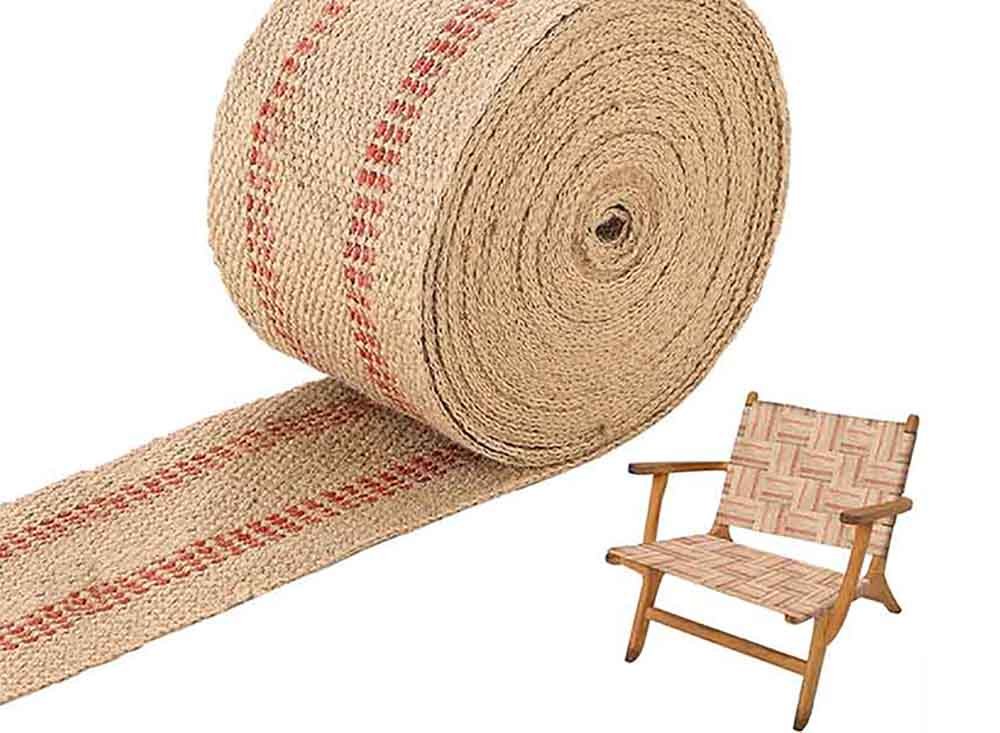


 Optimized by Seraphinite Accelerator