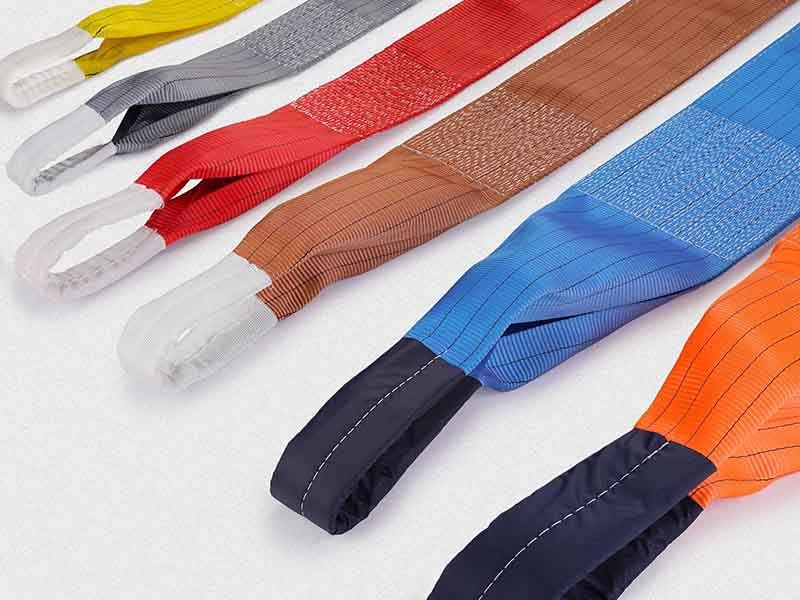
Have you ever wondered what keeps your backpack straps from snapping under a heavy load, or why some dog leashes last through years of tugging? The secret often lies in the webbing material. Webbing material refers to strong, woven or braided textiles—nylon, polyester, cotton, and more—designed for load-bearing applications across industries.
Webbing material is a durable, high-tensile textile—usually nylon, polyester, or cotton—woven or braided for strength and flexibility. It’s found in backpacks, safety harnesses, pet leashes, and more. Choosing the right webbing depends on your product’s load requirements, environmental exposure, and aesthetic preferences.
Imagine you’re on a mountain trail, hauling gear in a backpack with frayed straps. Not fun, right? Stick around as we dig into everything from raw fibers to finishing touches, so you can pick the perfect webbing for your next project.
What Is Webbing Material and Why Does It Matter?
Webbing material is a flat, woven or braided textile designed to bear loads. It matters because the right webbing ensures safety, durability, and comfort—whether you’re scaling cliffs, strapping down cargo, or crafting a pet leash that won’t fail you.
Definition & Composition:
- Flat vs. Tubular: Flat webbing is a single plane of fibers; tubular webbing is woven around a hollow core for extra strength and flexibility.
- Fiber Origin: Natural (cotton, jute) vs. synthetic (nylon, polyester).
Typical Uses:
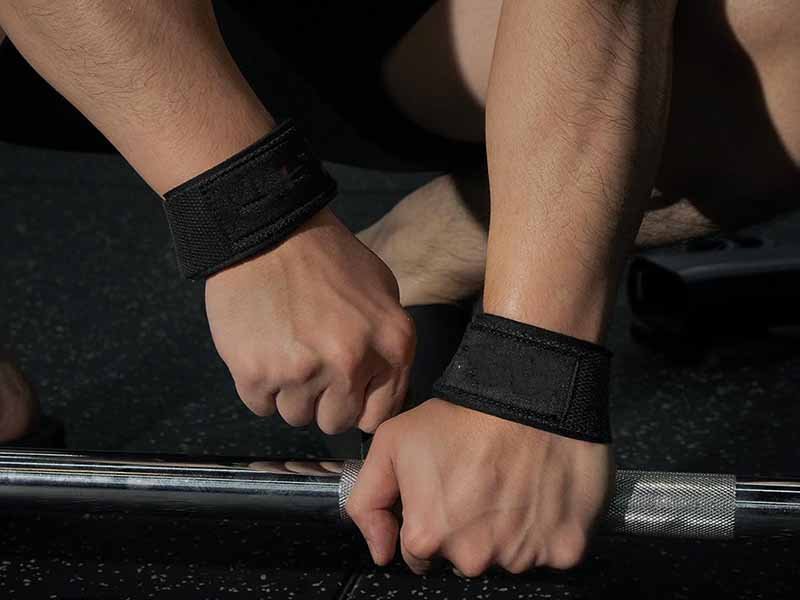
- Outdoor Gear: Backpack straps, climbing harnesses.
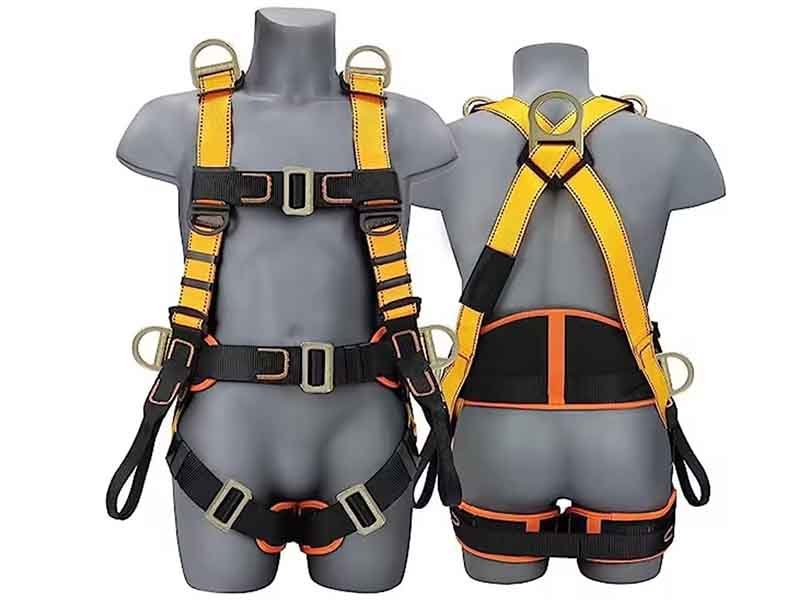
- Industrial Applications: Cargo tie-downs, safety belts.
- Everyday Products: Pet collars, luggage handles, seat belts.
Key Advantages:
- High Strength-to-Weight Ratio: Can hold hundreds of kilograms with minimal bulk.
- Flexibility & Comfort: Molds to shapes, comfortable under tension.
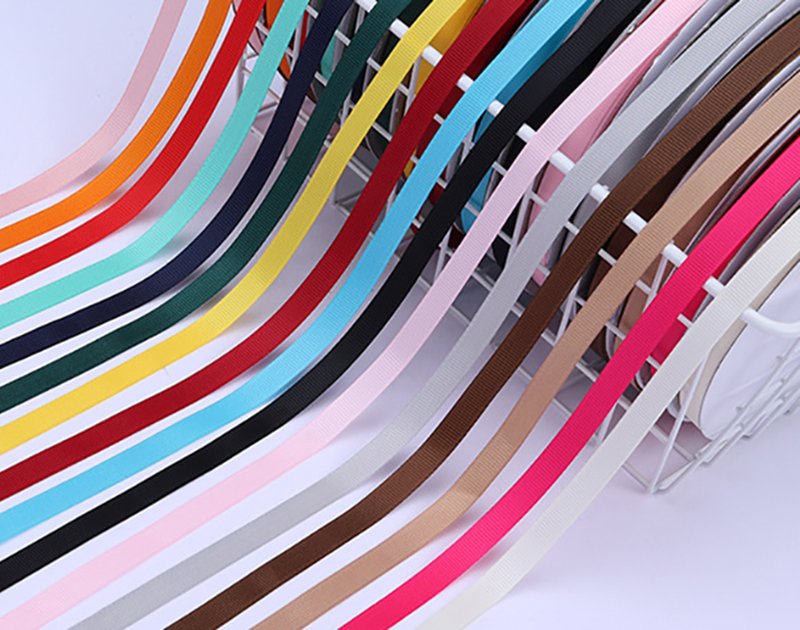
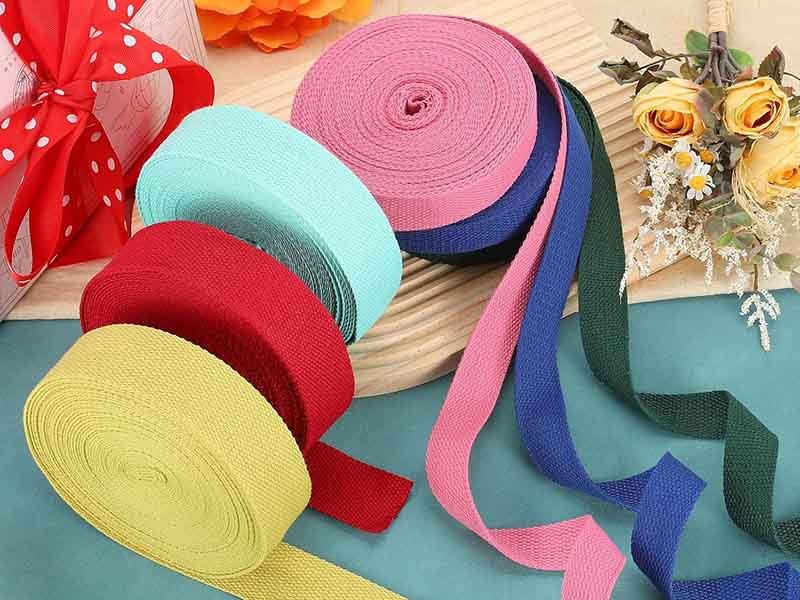
- Customizability: Colors, patterns, and coatings allow branding and specialized performance.
Which Materials Are Commonly Used for Webbing?
The most common webbing materials are nylon, polyester, and cotton. Nylon offers top strength and elasticity, polyester excels outdoors with UV and moisture resistance, and cotton provides a soft, eco-friendly option ideal for fashion or light-duty uses.
Nylon Webbing
- Strength & Elasticity: Tensile strength up to 1,200 kgf, elongation up to 30%.
- Best For: Climbing gear, heavy-duty straps, tactical applications.
Polyester Webbing
- UV & Moisture Resistance: Retains 95% strength after 2,000 hours UV exposure; water absorption < 2%.
- Best For: Marine, outdoor furniture, pet leashes.
Cotton & Natural Fibers
- Eco Appeal: Biodegradable, breathable, soft to the touch.
- Best For: Fashion accessories, eco-friendly bags, yoga straps.
| Material |
Tensile Strength (kgf) |
Elongation (%) |
UV Resistance |
Cost per Meter (USD) |
Ideal Use-Cases |
| Nylon |
700–1,200 |
15–30 |
Moderate |
0.25–0.40 |
Climbing, tactical, heavy-duty straps |
| Polyester |
600–1,000 |
10–15 |
High |
0.20–0.35 |
Marine, outdoor, pet accessories |
| Cotton |
300–500 |
5–10 |
Low |
0.15–0.30 |
Fashion, eco-friendly bags |
What Is the Best Webbing Material?
- Strength vs. Environment: Choose nylon for max load, polyester for UV durability, cotton for aesthetics.
- Cost-Benefit Balance: Polyester often offers the best value for outdoor use.
How Is Webbing Material Manufactured?
Webbing is made by weaving or braiding yarns—usually synthetic fibers—under controlled tension, then finishing with heat-setting, coatings, or dyeing. Quality checks include tensile testing, abrasion resistance, and colorfastness to ensure consistent performance.
Weaving vs. Braiding
- Weaving: Yarn interlaced on loom; offers tighter structure and high tensile strength.
- Braiding: Yarn twisted around core; provides flexibility and has a tubular profile.
Finishing Treatments
- Heat-Setting: Stabilizes shape, reduces shrinkage.
- Coatings: PU or PVC coatings enhance water resistance or abrasion resistance.
- Dyeing & Colorfast Processes: Achieve vibrant, long-lasting colors without weakening fibers.
Quality Control
- Tension Checks: Ensure even tightness across width.
- Abrasion Testing: Webbing must withstand 10,000+ rub cycles in many applications.
- Final Inspections: Visual check for weave consistency, flaws, and accurate dimensions.
What Is the Process of Webbing?
- Fiber Preparation: Synthetic pellets → extruded into yarns.
- Yarn Warping: Yarns aligned on warp beam.
- Weaving/Braiding: Yarns formed into webbing.
- Finishing: Heat-set, coated, dyed.
- Quality Testing & Rolling: Cut, inspect, roll onto spools.
What Key Properties Should You Look for in Webbing?
Key properties include tensile strength (load capacity), abrasion resistance (wear longevity), UV stability (sun exposure durability), thickness/width (fit and comfort), and flexibility (ease of handling).
Tensile Strength & Load Capacity
- Importance: Safety-critical for harnesses and tie-downs.
- Measurement: ISO 10325 / ASTM D6775.
- Example: 50 mm nylon webbing often rated for 3,000 kgf.
Abrasion & UV Resistance
- Abrasion Testing: Martindale or Taber Abrader tests simulate wear.
- UV Testing: Weeks/months in UV chamber; measure strength retention.
Thickness, Flexibility & Weight
- Thickness: Thicker webbing holds more load, but may reduce flexibility.
- Flexibility: Ease of bending; critical for seamless folding and comfort.
- Weight: Affects overall product weight; lighter webbing suits backpacks, heavier webbing suits safety belts.
Are There Synthetic vs. Natural Webbing Materials?
Synthetic webbing (nylon/polyester) provides consistent strength, durability, and weather resistance, while natural webbing (cotton, jute) offers breathability and a sustainable profile but lower abrasion resistance and UV stability.
Synthetic Benefits
- Durability: Resistant to rot, mildew, and abrasion.
- Consistency: Uniform performance batch to batch.
- Cost: Often cheaper at scale.
Natural Fiber Benefits
- Aesthetics: Soft, matte finish popular in fashion.
- Breathability: Comfortable against skin.
- Eco Credentials: Biodegradable end-of-life.
Environmental Impact
- Lifecycle Analysis: Synthetic fibers have higher carbon footprint but longer lifespan.
- Recyclability: Some polyester webbing can be recycled.
- Biodegradables: Cotton breaks down in months under compost conditions.
How Do Industry Standards and Certifications Affect Webbing Quality?
Standards like ISO, ASTM, and EN define testing protocols for tensile strength, abrasion, and flame resistance. Certifications (RoHS, REACH) ensure safety and environmental compliance, guiding manufacturers and end-users in selecting reliable webbing.
ISO & ASTM Specifications
- ASTM D6775: Measures breaking strength.
- ISO 10325: Tests elongation and abrasion.
Safety Standards
- Flame Resistance: NFPA 701 for flame-retardant webbing.
- Load-Bearing: EN 358 for industrial safety slings.
Environmental Compliance
- RoHS: Restricts hazardous substances.
- REACH: Regulates harmful chemicals in the EU.
- Eco-Labels: Oeko-Tex® Standard 100 for skin-friendly textiles.
How Do You Choose the Right Webbing Material for Your Project?
Match webbing to your application: for bags, prioritize a balance of strength and flexibility (polyester/nylon); for outdoor gear, choose UV-resistant polyester; for eco-fashion, opt for organic cotton or recycled polyester.
Application Assessment
- Load Needs: Cargo straps vs. decorative handles.
- Work Environment: Indoor, outdoor, marine, or high-heat settings.
- Aesthetic Goals: Color, texture, branding options.
Cost vs. Performance
- Budget Constraints: Synthetic is often cost-effective; premium fibers demand higher price.
- Volume Discounts: Large rolls reduce unit cost.
Supplier & Customization Options
- MOQ & Lead Times: Szoneier offers low minimums and 7–10 day sample lead times.
- Free Samples & Design: Test webbing before committing to full runs.
What Is the Best Webbing for Bags?
- Backpacks & Travel Bags: 25–50 mm polyester or nylon for strength and abrasion resistance.
- Handbags & Totes: Cotton or cotton-blend webbing for a premium feel.
- Specialty Bags: Reflective or coated webbing for safety and water resistance.
What Maintenance and Care Does Webbing Material Require?
Keep webbing clean with mild soap and water, inspect regularly for fraying or UV damage, store in a cool, dry place, and re-tension if loosened to maximize lifespan and performance.
Cleaning Best Practices
- Mild Detergent: Avoid harsh chemicals.
- Gentle Scrub: Soft brush; rinse thoroughly.
- Air Dry: No direct sunlight.
Periodic Inspections
- Visual Checks: Look for abrasion, discoloration, or broken fibers.
- Tensile Testing: Sample test for critical applications.
Storage & Longevity Tips
- Proper Coiling: Prevent kinks and creases.
- Moisture Control: Store away from damp areas.
- Re-tensioning: Stretch before use if webbing loosens over time.
Ready to Source Premium Webbing Material?
From raw fibers to finished rolls, Szoneier is your go-to webbing manufacturer with years of R&D and production expertise. We customize any style, offer free design support, and provide samples at no charge. Contact Szoneier today to discuss your project needs and get tailored webbing solutions that stand up to real-world demands.