
From Inquiry to Delivery
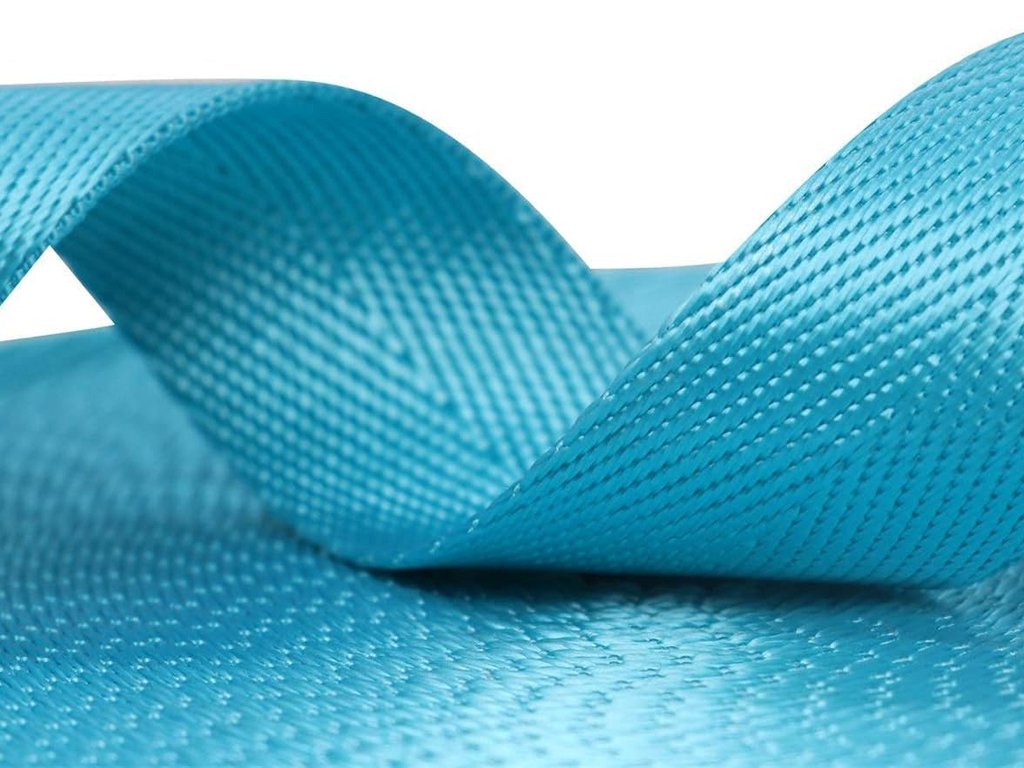
Webbing tape quietly powers everyday gear—from your backpack straps to kayak tie‑downs. But have you ever stopped to wonder why this simple woven strip makes such a huge difference?
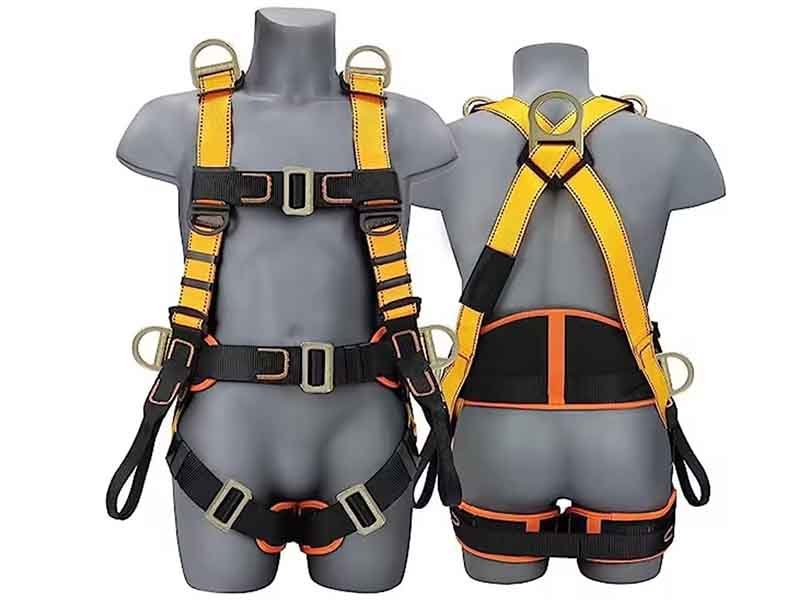
Webbing tape is a durable, woven fabric strip—often made of nylon or polyester—designed for tension, reinforcement, and connection in products like safety harnesses, outdoor gear, and furniture. Its high tensile strength (up to 6,500 lbs), abrasion resistance, and versatile widths (6 mm to 100 mm) make it essential across industries.
Imagine you’re on a mountain trail, buckling your hiking boots or securing your pack—webbing tape is the unsung hero keeping everything snug and safe. Stick around; we’ll unpack exactly what it is, how it’s made, and how to pick the perfect type for your project.
Webbing tape is a woven fabric strip—6 mm to 100 mm wide—crafted from high‑strength fibers like nylon or polyester for load‑bearing, reinforcement, and secure connections in products ranging from backpacks to safety harnesses.
Webbing fabric refers to the base material woven from yarns—typically nylon, polyester, polypropylene, or cotton—that gives webbing its characteristic strength, flexibility, and hand‑feel. Typical yarn deniers range from 210 den to 1680 den.
Nylon, polyester, polypropylene, and cotton are key fibers. Nylon offers up to 6,500 lbs tensile strength; polyester resists UV/moisture; polypropylene floats and resists chemicals; cotton gives a natural look and feel.
Strength & Stretch:
Environmental Resistance:
Cost & Sustainability:
| Material | Tensile Strength (lbs) | Elongation (%) | Water Absorption | UV Retention | Common Use |
|---|---|---|---|---|---|
| Nylon | 5,500–6,500 | 15–25 | 4% | 70% @200 hrs | Climbing harnesses, heavy-duty |
| Polyester | 4,000–5,500 | 10–15 | <0.5% | 90% @500 hrs | Upholstery, marine gear |
| Polypropylene | 2,000–3,000 | 20–30 | 0% | N/A | Floatation, chemical straps |
| Cotton | 1,500–2,500 | 5–10 | 8% | Poor | Fashion bags, belts |
Example: A climbing sling uses 25 mm nylon webbing rated 6,000 lbs, absorbing peak falls without breaking.
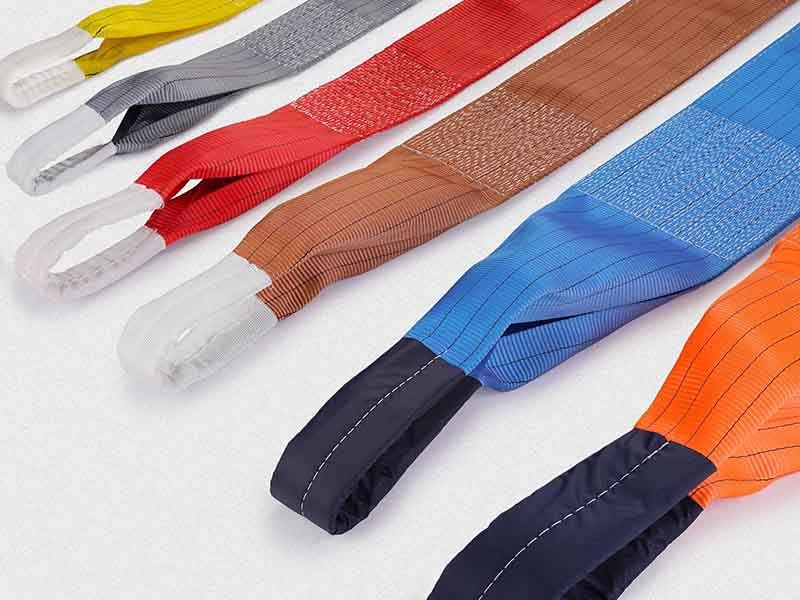
Flat, tubular, bifurcated, ladder, reflective, and elastic webbings each serve specific roles—flat for load straps, tubular for climbing loops, ladder for adjustables, reflective for safety, and elastic for flexibility.
Use webbing by cutting clean ends, heat‑sealing edges (to prevent fray), and stitching or attaching hardware like tri‑glides, D‑rings, or cam buckles. For 25 mm × 2 mm webbing under 500 lbs, a box‑X stitch (6 mm away from edge) is standard.
Flat Webbing:
Tubular Webbing:
Bifurcated Webbing:
Dual‑layer; lays flat but functions like tube. Used in stretcher handles, heavy‑duty luggage.
Ladder Webbing:
Reflective Webbing:
Elastic Webbing:
Tip: Always verify hardware compatibility—25 mm webbing fits standard 25 mm buckles, but thickness (>2.5 mm) may require low‑profile rings.
Woven on shuttle or rapier looms, then heat‑set and treated (UV, flame retardant). Tested per ASTM D6775 (tensile), ISO 2286 (width), and certified under ISO 9001, MIL‑SPEC, or EN 358 for safety harnesses.
Loom Types:
Heat‑Setting & Finishing:
Testing & QC:
Certifications:
Match maximum load with tensile rating (+ safety factor), consider environmental exposure (UV, chemicals), check abrasion index, width/hardware fit, and aesthetic needs like printability or texture.
Calculate Load:
Environment Check:
Flexibility & Wear:
Hardware Compatibility:
Branding & Appearance:
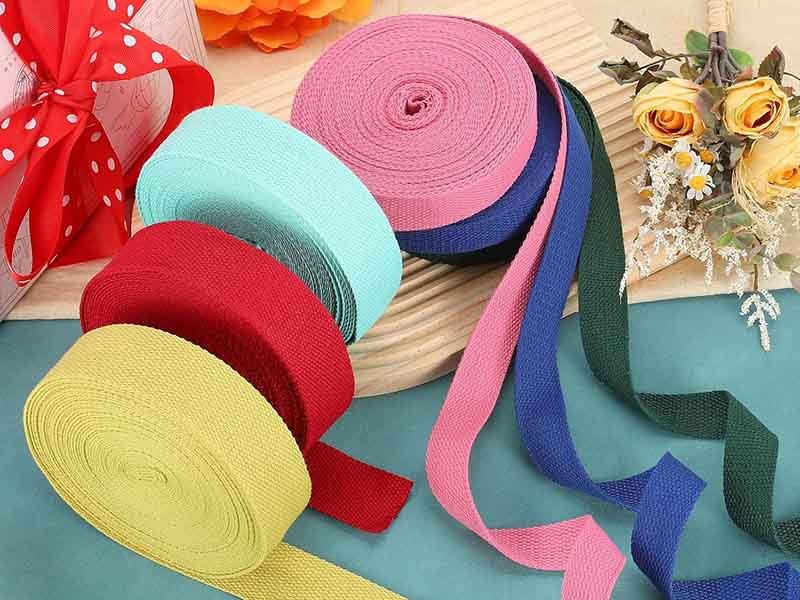
Absolutely—custom widths (6–100 mm), Pantone‑matched colors, digital print, reflective inlays, anti‑microbial or FR coatings, and unique fiber blends (e.g., Kevlar-reinforced) are all on the table.
Dimensions & Color:
Graphics & Logos:
Functional Coatings:
Prototype & Sampling:
Resistance depends on material and treatment: polyester holds 90% strength after 500 hrs UV; nylon absorbs 4% water (treatable with DWR); cyclic load tests show <10% creep at 25% break load.
Water Resistance:
UV Stability:
Load Creep:
Abrasion:
Snippet (≤40 words):
Yes—rPET webbings cut CO₂ emissions by 60%. Bio‑based PLA options are compostable industrially. Look for GRS and Oeko‑Tex® certifications to ensure toxic-free, traceable materials.
Recycled Content:
Bio‑Based Fibers:
Certifications:
Lifecycle Analysis:
Take-Back Programs:
Whether you need ultra‑strong nylon for industrial lifts or eco‑friendly rPET for consumer goods, Szoneier’s 18+ years of R&D and manufacturing can deliver exactly what you need. Contact us at info@szoneier.com for free samples, custom designs, and rapid turnaround—let’s craft your perfect webbing tape solution!


No worries, please contact us and we will answer all the questions you have during the whole process of webbing customization.
If you have your own artwork, logo design files, or just an idea,please provide details about your project requirements, including preferred fabric, color, and customization options,we’re excited to assist you in bringing your bespoke bag designs to life through our sample production process.

Copyright ©2021 Szoneier , All rights reserved.
Looking for premium custom webbing? Contact us now for competitive pricing, free samples, and expert consultation. Fill out the form below, and our team will get back to you within 24 hours!
