- (+86)13823134897
- info@szoneierwebbing.com
From Inquiry to Delivery
 Skip to content
 From Inquiry to Delivery
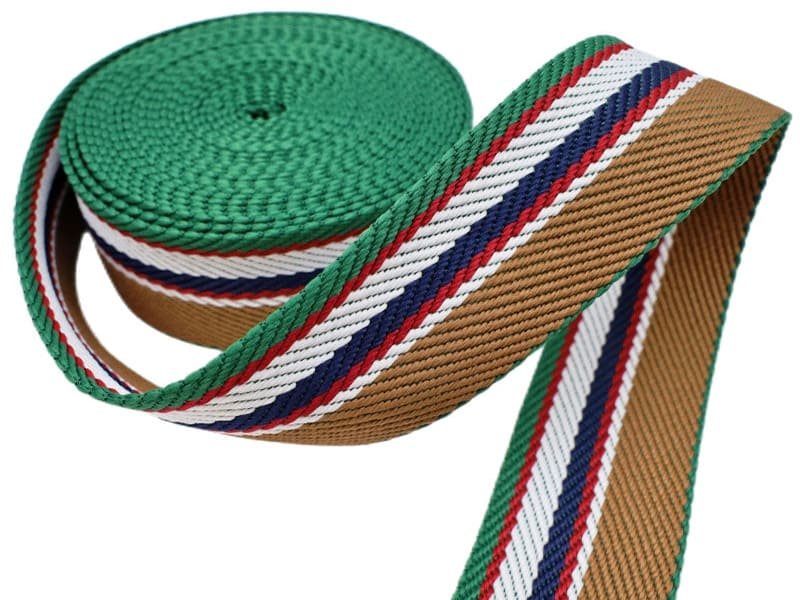
Have you ever stopped to think about what keeps your backpack from falling apart, holds a firefighter in mid-air during a rescue, or gives that nice springy feel to your favorite lounge chair? The answer is simple yet powerful: webbing. While often overlooked, webbing is everywhere. It’s in your furniture, your outdoor gear, your car—even your clothes.
Webbing is a strong woven fabric used across a variety of industries, including safety gear, furniture, fashion, and heavy-duty manufacturing. Its lightweight design, resistance to wear and tear, and ability to hold extreme loads make it indispensable in both everyday and life-saving scenarios.
So whether you’re hanging a hammock, securing a kayak, or designing custom fashion accessories, webbing might be the backbone of your project. Let’s explore everything you need to know about this versatile material.
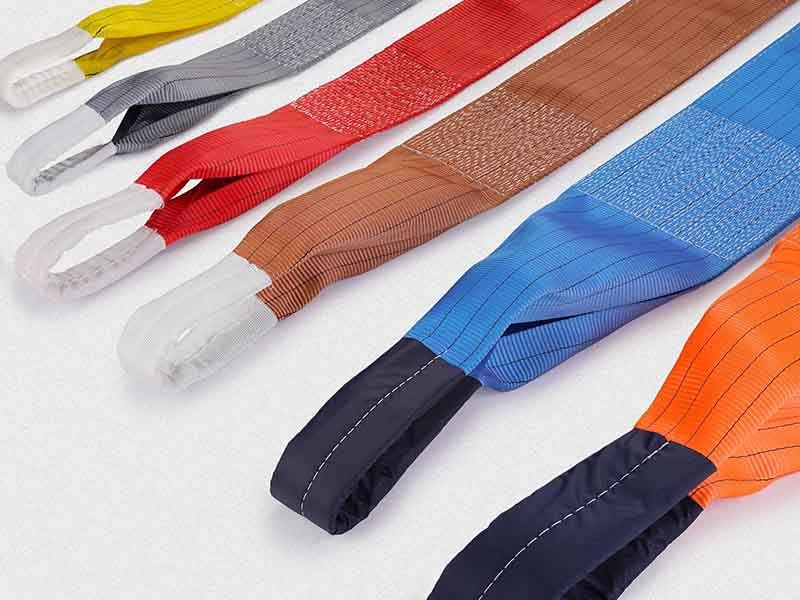
Webbing is a flat, woven fabric strip made from synthetic or natural fibers, designed to offer strength, flexibility, and high performance across many applications.
Common Materials for Webbing:
| Material | Strength | Stretch | UV Resistance | Water Resistance | Common Use Cases |
|---|---|---|---|---|---|
| Nylon | Very High | High | Moderate | Moderate | Climbing, Rescue, Military Belts |
| Polyester | High | Low | Excellent | Excellent | Outdoor Gear, Backpacks, Luggage |
| Polypropylene | Moderate | Medium | Good | Excellent | Marine, Utility Webbing, Pet Gear |
| Cotton | Low | Low | Poor | Poor | Fashion Belts, Eco Bags, Apparel |
Popular Weave Types:
Fact: Tubular nylon webbing can hold up to 4,000–6,000 lbs of tensile strength, making it essential for rescue and climbing.
Webbing is designed to combine strength, flexibility, and lightness into one functional material for applications requiring load-bearing, fastening, or support.
| Benefit | Explanation |
|---|---|
| Strength-to-Weight Ratio | Offers massive load support without bulk |
| UV & Water Resistance | Ideal for outdoor and marine use (polyester, polypropylene) |
| Cost Efficiency | Easy to mass-produce with minimal waste |
| Dyeability | Easily dyed or printed for branding |
| Customizable Widths | Available from 3mm to 100mm+ |
| Sewable & Printable | Easily integrated into various sewn products |
Webbing is vital across industries due to its strength, durability, and adaptability to different conditions and functions.
| Product | Type of Webbing | Reason for Use |
|---|---|---|
| Backpacks | Polyester/Nylon | Strong, durable, weather-resistant |
| Hammocks | Tubular Nylon | Load-bearing, soft on trees |
| Tents | Polypropylene | Lightweight and moisture-resistant |
What Is Upholstery Webbing Used For?
| Upholstery Type | Webbing Used | Feature | Common Location |
|---|---|---|---|
| Antique Chairs | Jute | Rigid & Traditional | Bottom of seat frame |
| Modern Sofas | Rubber | Elastic & Soft | Back and base support |
| Product | Webbing Type | Reason |
|---|---|---|
| Dog Leash | Nylon/Polyester | High strength, no stretch |
| Pet Harness | Polypropylene | Soft, weather-proof |
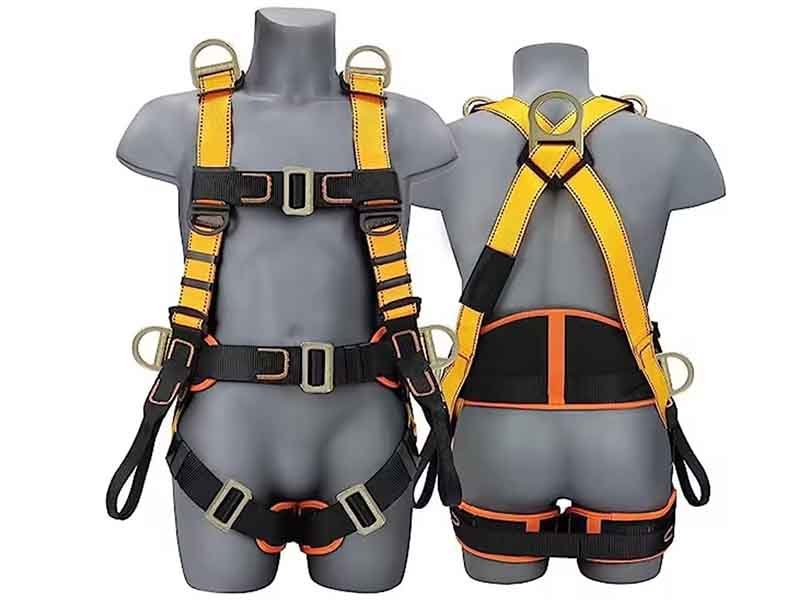
Webbing is crucial in life-saving gear like climbing harnesses, fire rescue slings, and patient extraction devices due to its high strength and reliability under pressure.
| Application | Webbing Material | Load Rating |
|---|---|---|
| Climbing Anchor | Tubular Nylon | 4000–6000 lbs |
| Firefighter Harness | Flat Nylon | 5000–7000 lbs |
| Emergency Lifting | Polyester Blends | 3000+ lbs |
Fact: In firefighting, rescue webbing can be used to create makeshift stretchers, drag straps, or secure ladders—all with a single piece.
Webbing adds functionality and style in fashion-forward and utility products like backpacks, belts, and handbags.
| Feature | Purpose |
|---|---|
| Adjustable Straps | Fit customization |
| Reinforced Handles | Durable lifting for heavy loads |
| D-rings/Loops | Accessory attachment |
Tip: Custom jacquard webbing allows your brand name to be woven directly into the product.
Absolutely. Material selection has a huge impact on performance, cost, look, and lifespan.
| Property | Nylon | Polyester | Polypropylene | Cotton |
|---|---|---|---|---|
| Breaking Strength | 4000–7000 lbs | 3000–5000 lbs | 800–1500 lbs | <800 lbs |
| UV Resistance | Moderate | Excellent | Good | Poor |
| Water Resistance | Medium | Excellent | Excellent | Poor |
| Feel | Smooth | Stiff | Soft | Very Soft |
| Cost (Per Yard) | $0.30–$0.60 | $0.25–$0.50 | $0.15–$0.30 | $0.40+ |
Case Study: A dog leash made from nylon webbing lasted over 3 years with daily use, compared to cotton webbing which wore down in less than 8 months.
Choose webbing based on what the product needs: strength, flexibility, resistance, or design appeal.
| Product | Best Material | Best Weave | Customizable? |
|---|---|---|---|
| Tactical Belt | Nylon | Plain/Twill | Yes |
| Marine Tie-Down Strap | Polypropylene | Plain | Yes |
| Eco Fashion Bag Strap | Cotton | Jacquard | Yes |
| Climbing Harness | Tubular Nylon | Tubular | No (safety req.) |
Humans retain a small degree of webbing in hands and feet from embryonic development, reflecting an evolutionary trait.
From rugged rescue gear to stylish tote bag handles, webbing is literally holding our world together. Knowing how to choose and apply the right type makes a huge difference in product durability, design, and safety.
At Szoneier, we provide top-quality custom webbing solutions for brands, wholesalers, and manufacturers. Whether you’re working on fashion, outdoor gear, or industrial straps, we can help you:
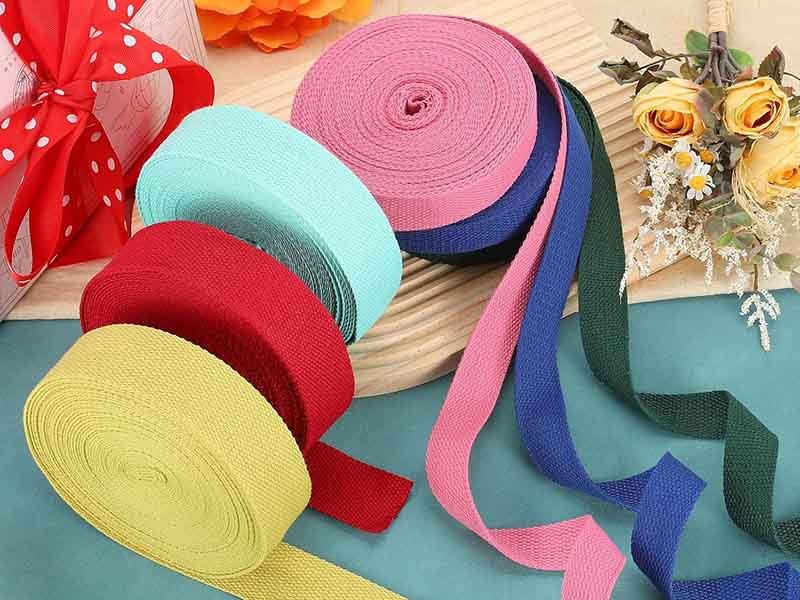


No worries, please contact us and we will answer all the questions you have during the whole process of webbing customization.
If you have your own artwork, logo design files, or just an idea,please provide details about your project requirements, including preferred fabric, color, and customization options,we’re excited to assist you in bringing your bespoke bag designs to life through our sample production process.
Copyright ©2021 Szoneier , All rights reserved.
Looking for premium custom webbing? Contact us now for competitive pricing, free samples, and expert consultation. Fill out the form below, and our team will get back to you within 24 hours!
 Optimized by Seraphinite Accelerator