
From Inquiry to Delivery
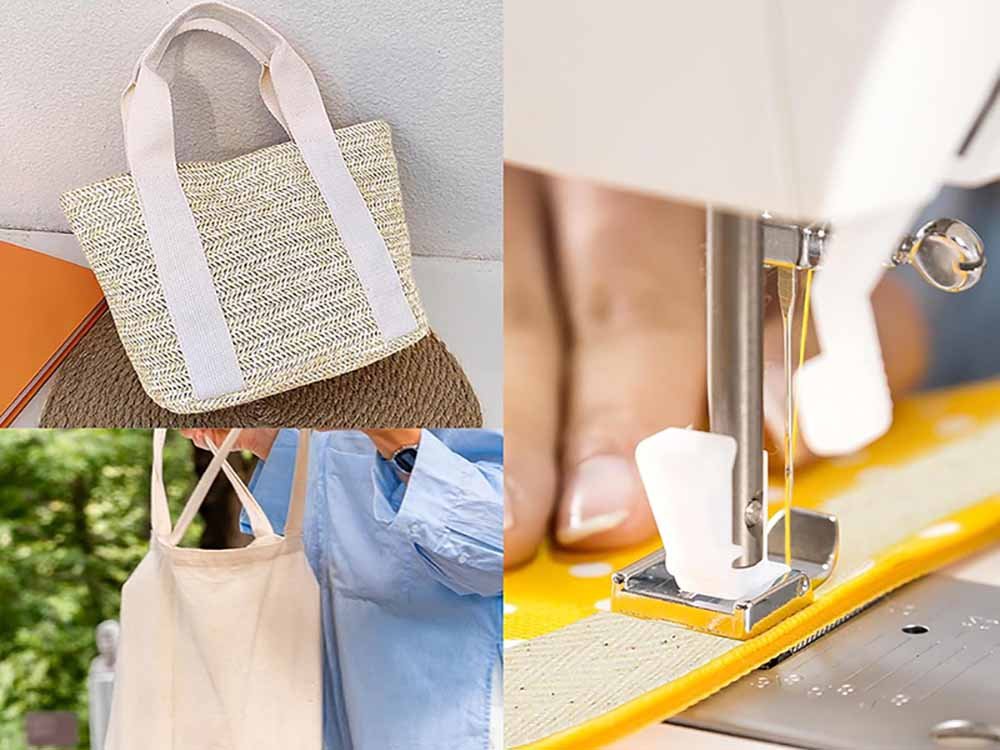
Finishing cotton webbing isn’t just about preventing frays at the edges—it’s what transforms raw webbing into a product that survives, performs, and sells. When you’re making straps for bags, pet collars, outdoor gear or fashion accessories, a bad finish can mean loose fibers, fading colors, or straps that fall apart—wasting time, reputation, and money. But the right finish? It signals quality. Strong edges, sharp clean cuts, color that stays true—even after washing. That first customer impression starts with finish.
Finishing cotton webbing involves clean cutting, anti‐fray techniques (like folding, sewing, sealing), coatings for durability (water, UV, mildew), and rigorous quality testing; done well, it boosts product lifespan, brand premium, and customer trust.
Imagine you’re unboxing a brand‐new backpack. You run your hand along the strap and see raw cut edges with loose fuzz. Contrast that with a strap that smells faintly of wax, edges sealed, color bright, no fuzz, stitching tight. That difference is finishing. And once you see and feel good finishing, you’ll want every webbing product you buy to feel that way. So, stick around—I’ll show you all the methods, plus when to use each, mistakes to avoid, and how Szoneier ensures every batch meets high expectations.
Finishing cotton webbing means treating the edges, surfaces, and ends to prevent fraying, fading, shrinkage, and damage. It includes clean cuts, sewing or binding ends, coatings for water and UV resistance, correct dyeing with colorfastness, and quality testing. Proper finishing improves durability, appearance, and user safety—critical for outdoor gear, fashion, or pet products.
Let’s define what finishing actually covers in the context of cotton webbing. Finishing includes:
Finishing isn’t a single step—it’s all the “extras” that turn raw webbing into something durable, safe, and brandable.
Finishing affects:
| Issue | Without Good Finish | With Good Finish |
|---|---|---|
| Fraying, loose fibers | Ends unravel, look cheap, may snag | Clean ends, no loose threads |
| Color fading or bleeding | Dye washes out, bleeds onto clothes | Bright, lasting color, safe wash |
| Strength under wear/weather | Weak stitching, water damage, mold | Resilient under moisture, abrasion, UV |
| Brand perception | Customer distrust, returns | Premium feel, repeat sales |
For brands and OEMs, these are real costs in returns, complaints, and lost reputation. Good finishing can reduce returns by a significant margin (in many tests, up to 50% less fraying or defects) and increase product lifetime.
Not all finishing is equal—and better finishing costs more in labour, materials, time. But in many markets, customers will pay for it. As a manufacturer with over 18 years in webbing R&D and OEM/ODM, Szoneier sees that for outdoors, pet, and fashion brands, finishing becomes a deciding factor. The trick is to choose methods that match the intended use and price point. A cheap promotional strap might get minimal finishing; a high-end bag gets folded, stitched, waxed or sealed, and tested to OEKO-TEX etc.
The most effective fray prevention methods for cotton webbing are clean cutting (sharp blade or precise die), folding & stitching (box stitch, bar-tack), using binding tape or edge whipping, sealing with fabric sealants or wax/resin dips, or adding reinforced tips (metal, leather, or sewn caps). The choice depends on budget, aesthetics, flexibility, and end-user needs.
When considering which end-finishing methods to use, think of four dimensions: cost, aesthetic & brand image, durability & performance, and production speed / scalability. Below are major methods, their pros, cons, and when they’re best used.
Methods:
Pros:
Cons:
Best use: When ends will be sewn, folded or bounded; in budget ranges where cost must be minimal but some finish improvement is acceptable.
What it involves: Bending over the end, sewing across (bar-tack) or around (box/stitch) to lock fibers.
Pros:
Cons:
When to use: High quality fashion bags, pet gear, outdoor gear, anything visible & load-bearing.
What it means: Encasing the raw edge in a narrow fabric “binding tape” or whipping the edge with thread.
Pros:
Cons:
When to use: Decorative straps, high-end bags, straps that need good edge protection and visual appeal.
What it does: Dipping the edges (or entire webbing) in sealants or wax/resin to stiffen fibers, block water, and reduce loose fiber movement.
Pros:
Cons:
When to use: Outdoor, pet, or rugged gear; straps expected to get wet or see heavy abrasion.
Description: Attaching a tip of a different material (leather/fabric/metal) to end.
Pros:
Cons:
When to use: Premium products (e.g. high-end handbags, luxury pet collars, tool belts), where visual finish and durability both matter.
Protective coatings—like water repellents (DWR), anti-UV, mold/mildew finishes—can be applied via sprays, dips, or bonding resins. To preserve cotton’s natural softness, use light coatings (acrylic/PU binders or natural wax emulsions), control penetration, allow proper curing, and avoid over-coating or stiff, plastic-like sealants. The right balance offers weather durability without sacrificing comfort or aesthetic.
Protective coatings offer added value, especially for webbing used outdoors, in wet conditions, or in products that need to resist mildew or UV. But cotton is prized for its soft, breathable, natural hand-feel. Overdo the coating, you lose that. Let’s examine methods, trade-offs, and how to maintain that balance.
| Factor | Advantage with Strong Coating | Disadvantage / Risk |
|---|---|---|
| Water Resistance | Keeps webbing dry & lasting | Loss of softness; possible plastic/crackle texture |
| UV / Mildew Resistance | Longer color life and less rot | Coating may yellow or darken; might need reapplication |
| Hand-feel & Breathability | Natural cotton appeal preserved | Risk becomes reduced; coating may block breathability |
Consumers buying outdoor gear or pet gear expect webbing to be rugged but also comfortable. If your product is worn close to skin (backpacks, straps touching shoulders), a soft finish matters. If it’s used for decor or aesthetics (bag trims), sheen or gloss may be acceptable. Szoneier always tests coatings both for performance and user comfort, especially for OEM/ODM clients who want their brand identity preserved.
The best dyeing for cotton webbing uses reactive or vat dyes, combined with pre-treatments like mercerization and washing. Fixatives or cationic agents help lock in color. Key tests include wash-fastness, light-fastness, and crocking. Pre-washing and repeating tests ensure color stays true, doesn’t fade, bleed, or transfer.
Color is often the first thing your customer notices. But color that’s initially bright but disappears or stains everything after first wash destroys trust. Here’s how to do dyeing well for cotton webbing.
Here’s sample test data from a typical set of webbing batches (fictional numbers for illustration):
| Batch # | Dye Type | Pre-treatment | Wash Fastness Rating (1-5, 5 best) | Light Fastness Rating | Crocking Rating |
|---|---|---|---|---|---|
| A1 | Reactive | Mercerized + pre-wash | 4.5 | 4 | 4 |
| B2 | Vat | Pre-wash only | 5 | 4.5 | 3.5 |
| C3 | Direct | No pre-treatment | 2.5 | 2 | 2 |
This kind of data helps you, as a buyer, choose the right finish for your product’s usage.
Finishing cotton webbing depends on end use: for outdoor/bag gear, include UV, water, and abrasion resistance; for pet collars/leashes, use non-toxic, durable tips and colorfast dyes; for apparel and baby products, soft hand-feel and skin-safe finishes are critical; for flame-retardant or safety gear, meet relevant norms like OEKO-TEX, REACH, or specific local standards.
Each application has unique demands. Let’s walk through a few common use cases, and see which finishing methods work best (and what trade-offs you’ll need to accept).
To ensure consistent finishing, you need precise cutting tools, well-controlled sewing parameters (thread type, stitch density, tension), temperature/humidity control during coating and curing, and rigorous sampling. Use sharp blades or dies for cutting, monitor machines for stitch quality, dry/ cure coatings properly, run batch tests, maintain golden samples. These controls reduce defects, ensure uniform appearance, and build brand reliability.
Producing quality finishes every time is challenging. Here are tools and process controls that separate excellent webbing manufacturers (like Szoneier) from mediocre ones.
Request tests for fray resistance, tensile strength/elongation, shrinkage, wash-fastness, lightfastness, crocking, UV resistance. Certifications like OEKO-TEX STANDARD 100, REACH, or consumer safety norms are often essential. For bulk orders, ensure pre-shipment inspections using golden standards references.
As a buyer, you need confidence your webbing meets promises. Here are the quality metrics, tests, and certification details to understand and insist upon.
| Test | What It Measures | Typical Benchmark / What’s Good |
|---|---|---|
| Tensile Strength / Break Strength | How much load the webbing can take before breaking | Depends on width and weave; e.g. for 1.5″ cotton, 500-1000 lbs for heavy duty uses |
| Elongation | How much it stretches under load | Lower elongation preferred for straps that must stay firm |
| Wash Fastness | Color fade/bleed after repeated laundering | 4 or higher on 1-5 scale (5 best) |
| Light Fastness | Color fading under sunlight or UV lamp | 4 or higher preferred |
| Crocking / Rubbing Test | Color transfer to other surfaces | Low rating = less transfer |
| Dimensional Stability / Shrinkage | Does size change after washing or moisture | Under 5% change often acceptable, depending on application |
Suppose a pet collar brand orders 10,000 units of cotton webbing collars. They request:
With such requirements, a producer like Szoneier will run sample batches, test them, adjust coatings/finishing until passed before mass production.
Common mistakes include over-stiffening lines (spoiling softness), using the wrong cut method (leading to fray), neglecting consumer-oriented safety/skin testing, ignoring end use (e.g. outdoor vs apparel), failing to do proper colorfastness or durability testing, and skipping pre-production samples or golden standards—leading to unpredictable quality.
Understanding what not to do can be as valuable as knowing the best methods. Here are pitfalls that often lead to returns, complaints, or wasted investment.
Some finishing methods (heavy coatings, thick waxes, resin dips) can make webbing rigid. While that may be acceptable for belts or tool straps, for backpack straps or apparel touches it’s a problem. Customers report discomfort, rubbing, creasing. As a brand, you’ll want to balance durability with comfort.
Maybe your webbing will be exposed to sweat, saltwater, UV, high abrasion, or must be washed often. If you design as if it’s only dry indoor, you’ll risk massive returns or poor reviews.
Skipping pre-production samples often means you don’t catch big flaws (color mismatches, coating streaks, stitching or fraying). Without a golden sample, each run may drift in quality.
If your product touches the skin, is used by children, or is worn near the face/pets, you may need OEKO-TEX, REACH, or local safety permits. Failing to test can result in banned shipments or customer health issues.
Dark dyes bleeding, halo around edges, dye fading in sun or wash—all issues brands often ignore until after the product is in the market. Using low-quality dyes or skipping fixation steps hurts long term satisfaction.
To get the right finish first time, provide a detailed spec sheet with width, weight, weave type, dye type, coating/finish desired, sample(s) or color swatch, test requirements. Clarify MOQ, lead time, delivery expectations. Ask for a pre-production sample (T0/T1), keep a golden sample, and set up inspection points. Clear communication reduces costly mistakes and ensures the final product meets expectations.
When working with a webbing factory—especially for custom or private label work—your initial brief sets the quality path. Here’s how to do it well.
Include:
Finishing cotton webbing is a complex mix of artistry, science, and customer expectation. Do it right, and your products stand out; do it poorly, and no matter how good the base material is, it looks and feels cheap. The right cut, stitching, dye, finish, and quality checks form the backbone of brand reputation.
If you’re looking for a partner who has over 18 years of experience in webbing R&D, manufacturing, and selling, who can deliver custom finishes (nylon, polyester, PP webbing, cotton webbing) with 100% quality guarantee, free designs, low MOQ, fast sampling, and short delivery, then Szoneier is ready to serve you.


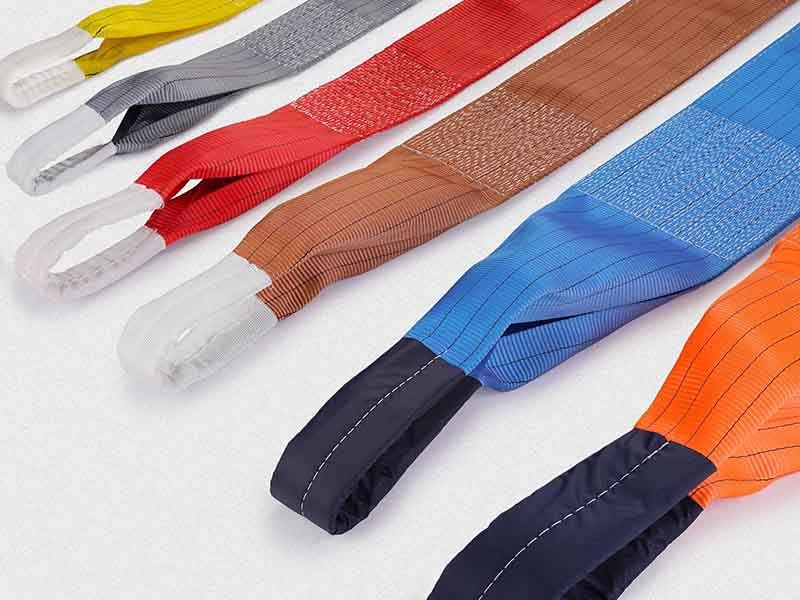
No worries, please contact us and we will answer all the questions you have during the whole process of webbing customization.
If you have your own artwork, logo design files, or just an idea,please provide details about your project requirements, including preferred fabric, color, and customization options,we’re excited to assist you in bringing your bespoke bag designs to life through our sample production process.

Copyright ©2021 Szoneier , All rights reserved.
Looking for premium custom webbing? Contact us now for competitive pricing, free samples, and expert consultation. Fill out the form below, and our team will get back to you within 24 hours!