
- (+86)13823134897
- info@szoneierwebbing.com
From Inquiry to Delivery
 Skip to content
 From Inquiry to Delivery
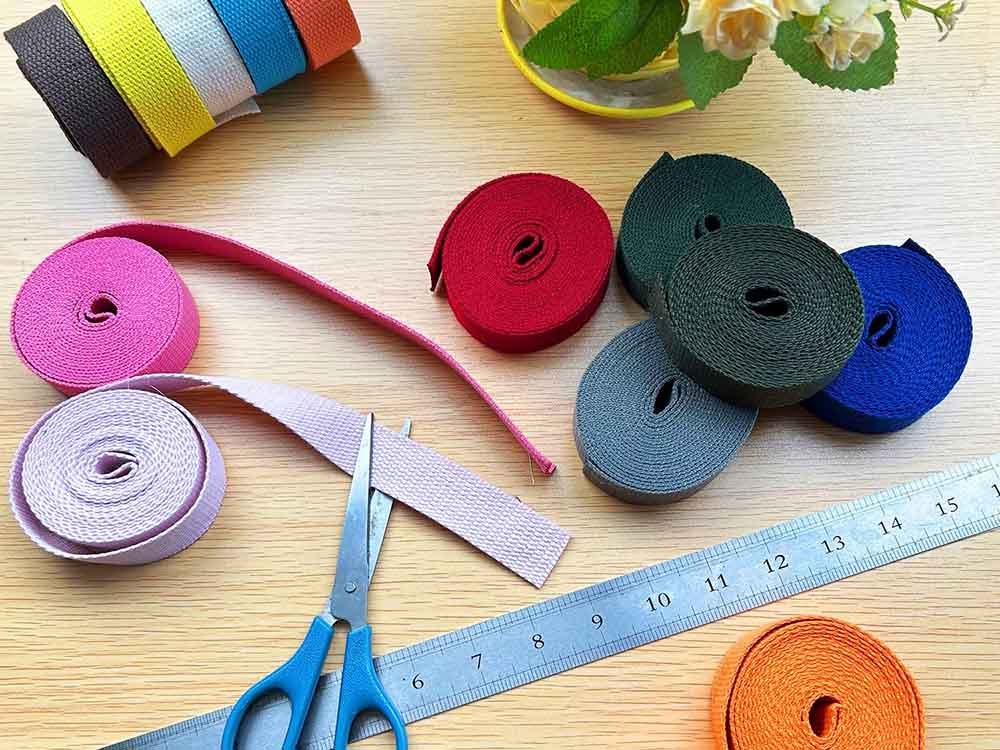
In a world awash with synthetic fibers, cotton webbing stands out as a natural, breathable, and eco-friendly alternative. From bag handles in boutique fashion to straps on yoga mats, cotton webbing combines comfort and style—yet it’s not a one-size-fits-all solution. Before you commit to your next project, understand why cotton might be your best friend… or worst enemy.
Cotton webbing offers unmatched softness, natural breathability, and excellent dye absorption, making it ideal for fashion straps, pet collars, and interior trims. Its eco-friendly profile and ease of printing suit private-label and sustainable brands. However, cotton webbing can lose strength when wet, fade under prolonged UV exposure, and wear faster in high-abrasion settings. Balancing these factors helps you decide when to choose cotton webbing—and when to opt for synthetic alternatives.
Imagine pulling on your daypack’s shoulder straps and feeling that gentle, natural give instead of a stiff synthetic tug—pure comfort. But take that same strap kayaking, and you’ll soon be grappling with wet, sagging fibers. Let’s explore the real-world trade-offs you need to know.
Cotton webbing is woven tape made entirely of cotton yarns, available in flat, tubular, or braided constructions. After spinning and sizing, yarns pass through shuttle or rapier looms, then undergo finishing treatments like mercerization or bleaching. The result is a strong yet supple strap favored for its soft hand feel, ease of dyeing, and renewable origins.
At its core, cotton webbing is simply a narrow fabric strip woven from cotton threads. You’ll find it in widths from 10 mm up to 50 mm, ideal for DIY crafts or heavy-duty bag handles.
A boutique handbag brand switched from polyester to cotton webbing for their handles—customers raved about the luxurious feel, and sales spiked 15% in the first quarter post-launch.
Cotton webbing shines for its natural softness, breathability, and superior dye affinity. It scores well on eco-credentials—biodegradable and renewable. Typical tensile strengths range from 500 to 1,200 lbs depending on weave and yarn count. Its comfort and aesthetic versatility make it a go-to for pet accessories, fashion trims, and indoor gear.
Cotton’s inherent fiber structure gives webbing a gentle hand feel that synthetic fibers struggle to match. Whether it’s a pet collar or backpack strap, the soft texture reduces chafing and improves user experience.
Cotton fibers wick moisture away from the skin, reducing sweat buildup and odor. In pet collars, this means less matting and better air circulation around your dog’s neck.
Cotton’s chemical structure accepts reactive dyes brilliantly, producing vibrant, wash-fast colors. Digital printing on flat-weave cotton yields precise, photo-quality patterns—perfect for custom or private-label runs.
Certified organic cotton webbing carries GOTS labels, assuring no harmful chemicals. Being biodegradable, it appeals to eco-conscious consumers and reduces end-of-life impact.
Compared to nylon, polyester, and PP, cotton webbing offers superior comfort and dyeability but has lower UV resistance and moisture durability. Nylon boasts the highest tensile strength (up to 2,000 lbs) and abrasion resistance; polyester excels in UV stability; PP is lightweight and moisture-neutral. Cotton’s strengths lie in style and sustainability, whereas synthetics win in high-strain or outdoor scenarios.
| Property | Cotton | Nylon | Polyester | Polypropylene |
|---|---|---|---|---|
| Tensile Strength | 500–1,200 lbs | 1,000–2,000 lbs | 800–1,500 lbs | 600–1,200 lbs |
| UV Resistance | Moderate | Low | High | High |
| Water Absorption | 8% SI | <1% SI | <1% SI | <1% SI |
| Hand Feel | Soft | Smooth but firm | Slightly rough | Slick |
| Dyeability | Excellent | Good | Moderate | Limited |
Nylon outperforms in strength and abrasion resistance, making it ideal for climbing gear or heavy-duty straps. However, many find nylon too slick and chemical-smelling, whereas cotton feels natural.
Polyester’s UV stability keeps colors vibrant outdoors, but it lacks cotton’s breathability. For backpacks used in constant sun, polyester webbing may outlast cotton by 30–50% in fade tests.
PP webbing floats on water and resists mold—perfect for marine uses. Cotton, by contrast, absorbs moisture and must dry thoroughly to prevent mildew.
Some brands blend cotton with polyester to gain breathability and softness while improving UV resistance. A 60/40 cotton-poly blend can balance both worlds.
Cotton webbing excels in lifestyle and light-duty applications: fashion straps, bag handles, belts, pet collars, and indoor décor. Its natural look suits artisanal crafts, yoga mat straps, and home textiles like curtain tie-backs. When style and comfort trump rugged use, cotton webbing shines.
| Application | Why Cotton Works | Example Products |
|---|---|---|
| Fashion Handbags | Soft, dye-friendly | Custom purse straps |
| Pet Collars & Leashes | Breathable, washable | Personalized dog collars |
| Belts & Buckles | Comfortable fit | Reversible web belts |
| Yoga & Gym Straps | Gentle on skin | Yoga mat carriers |
| Home Décor | Natural aesthetic | Curtain tie-backs, drawer pulls |
| Apparel Accessories | Lightweight trim | Overall straps, suspenders |
Small-batch designers favor cotton webbing for its high-definition prints and soft touch. Whether it’s a pastel floral laptop bag or a bold geometric camera strap, cotton brings the design to life.
Dog collars woven from tubular cotton webbing offer just the right amount of give. Combined with stainless hardware, they deliver comfort and safety on daily walks.
From yoga mat straps to fitness bands, cotton webbing’s moisture-absorption prevents slipping on sweaty hands. Plus, it’s machine washable—ideal for active lifestyles.
Interior designers use cotton webbing for curtain tie-backs, drawer pulls, and even modern shelving supports. Its natural texture adds warmth to minimalist spaces.
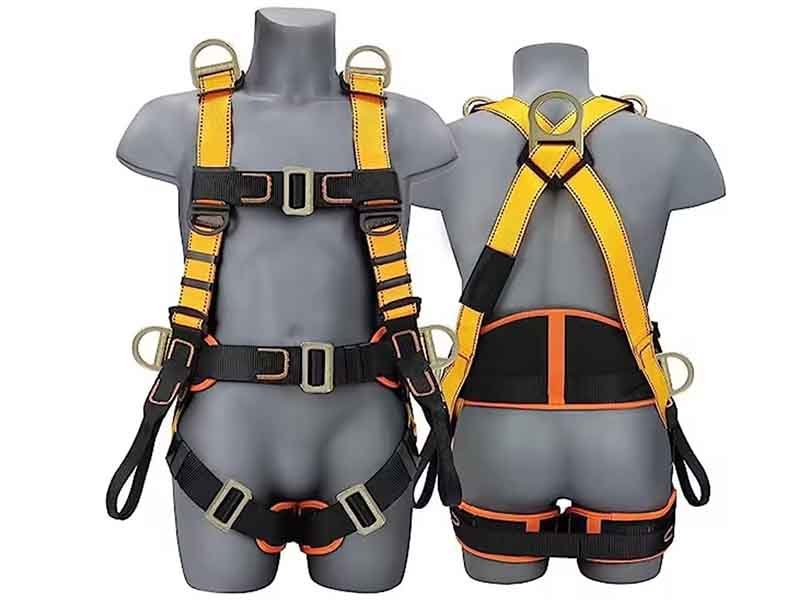
Avoid cotton webbing in high-moisture, UV-intense, heavy-load, or abrasive conditions. Use synthetic alternatives when you need tensile strengths above 1,200 lbs, rapid-dry properties, or constant sun exposure. For marine rigging, outdoor safety harnesses, or industrial slings, synthetics like nylon and polyester are better suited.
Cotton absorbs up to 8% of its weight in water, increasing sag and promoting mildew growth if not dried properly. Outdoor marine or water-sports gear demands faster-drying synthetics.
Extended sun exposure degrades cotton’s cellulose structure, causing fading and strength loss (up to 30% after 500 hours of UV testing). Polyester retains over 80% of its strength under the same conditions.
For tensile loads exceeding 1,200 lbs—such as industrial slings or climbing gear—cotton’s maximum strength can be insufficient and safety margins compromised.
Rough surfaces (rock faces, metal edges) can abrade cotton fibers faster than synthetics. For hiking harnesses or safety straps, abrasion-resistant nylon or aramid webbing is preferred.
Treatments like water-repellent coatings (DWR), antimicrobial finishes, and flame-retardant treatments can extend cotton webbing’s functionality. Mercerization increases luster and strength by up to 30%, while silicone or acrylic coatings repel moisture. These enhancements expand cotton’s usability into more demanding contexts.
Mercerization uses caustic soda to swell fibers, boosting strength, luster, and dye uptake by approximately 25–30%. Sizing with PVA reduces yarn breakage during weaving, improving production efficiency.
Durable water repellent (DWR) finishes using silicone or fluoropolymer treatments can reduce water absorption by over 80%. Ideal for light outdoor gear and pet leashes used in damp conditions.
Silver-ion or quaternary ammonium salt finishes inhibit bacterial growth, keeping cotton webbing fresh in high-sweat environments like yoga straps or gym bags.
For applications in hospitality or children’s products, cotton webbing can be treated to meet NFPA 701 or BS 5852 standards, resisting ignition and slowing fire spread.
Machine-wash cotton webbing in cool water with mild detergent, avoid bleach, and air-dry to prevent shrinkage. Spot-treat stains with gentle soaps, reshape while damp, and store in a cool, dry place. Regular cleaning preserves color vibrancy and fiber integrity.
Organic GOTS-certified cotton webbing and low-heat digital printing enable eco-friendly, private-label products. Szoneier offers MOQs as low as 100 m, full-color digital and rotary printing, and rapid sampling (3–7 days), empowering brands to launch sustainable, customized webbing without large upfront investments.
Cotton webbing brings unmatched comfort, style, and sustainability to a wide range of products—from boutique handbag straps to cozy yoga mat carriers. Its softness, breathability, and superior dyeability make it a favorite for fashion, pet, and lifestyle applications. Yet, its limitations in moisture, UV, and heavy-load scenarios mean synthetics often take the lead in rugged uses.
At Szoneier, we leverage 18+ years of webbing expertise to offer organic and conventional cotton webbing with custom prints, private-label flexibility, and eco-friendly finishes. With low MOQs, rapid sampling, and in-house finishing treatments—our cotton webbing solutions deliver quality, style, and performance tailored to your brand’s needs.
Ready to elevate your product line with custom cotton webbing? Contact Szoneier today for a free consultation and sample!
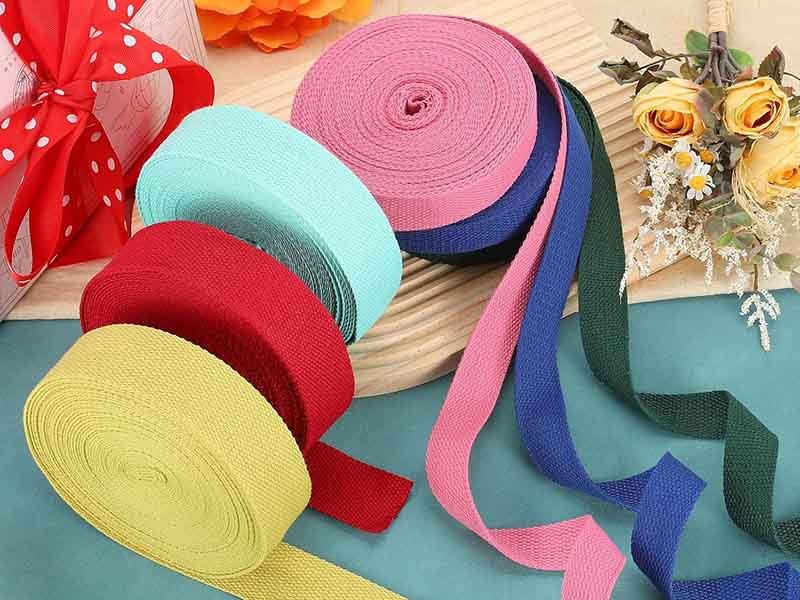


No worries, please contact us and we will answer all the questions you have during the whole process of webbing customization.
If you have your own artwork, logo design files, or just an idea,please provide details about your project requirements, including preferred fabric, color, and customization options,we’re excited to assist you in bringing your bespoke bag designs to life through our sample production process.

Copyright ©2021 Szoneier , All rights reserved.
Looking for premium custom webbing? Contact us now for competitive pricing, free samples, and expert consultation. Fill out the form below, and our team will get back to you within 24 hours!
 Optimized by Seraphinite Accelerator