Elastic webbing has quietly revolutionized everything from athleisure wear to heavy-duty automotive straps. Unlike rigid webbing, it combines strength with stretch, opening doors to applications you might never have imagined. At its core, elastic webbing delivers the perfect balance of support and flexibility—think waistbands that hug your body without pinching, medical braces that conform snugly, or luggage straps that secure your gear while still allowing a little give. In an age where consumer comfort and industrial reliability are equally prized, elastic webbing stands out as a versatile solution.
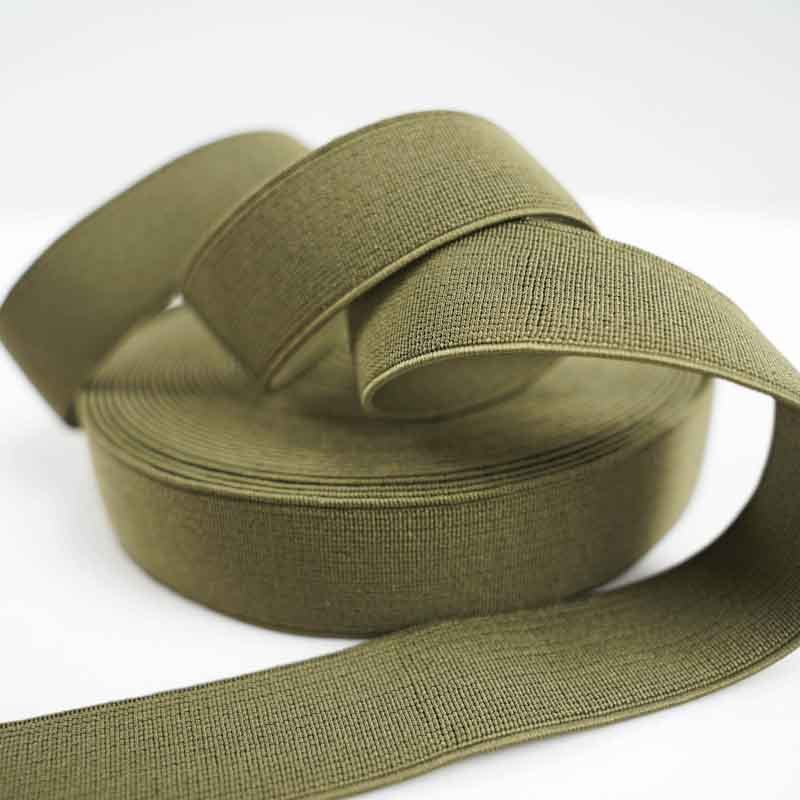
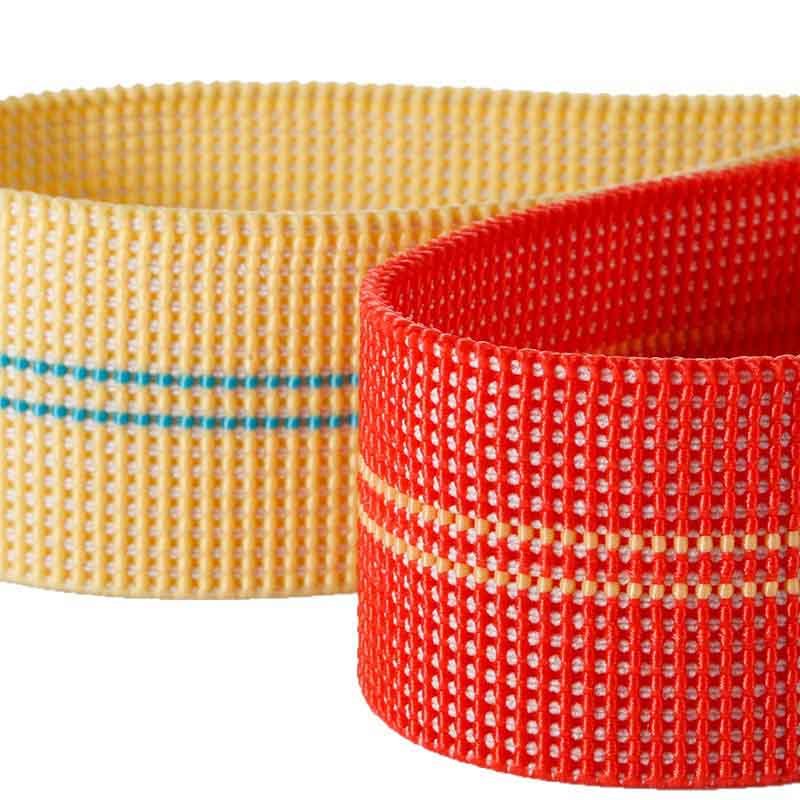
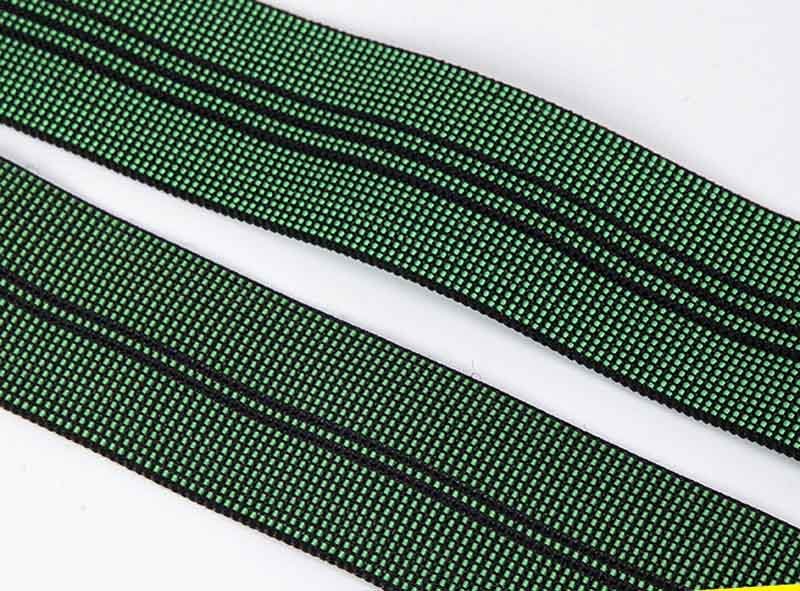
Elastic webbing is a stretchable textile tape made from elastic fibers (such as rubber or spandex) woven together with stronger yarns. It provides adjustable tension and flexibility, making it ideal for applications in apparel, medical devices, sports gear, and industrial straps.
Yet, beyond its technical merits lies a story of craftsmanship and innovation. From the looms of traditional weavers to today’s high-speed knitting machines, elastic webbing has evolved to meet ever-more demanding specs. Imagine a tailor in the heart of Europe weaving a prototype that ultimately becomes part of your favorite running shoe. That blend of human skill and cutting-edge tech is what we’ll explore—so buckle in (pun intended), because by the end of this guide you’ll not only understand what elastic webbing is, you’ll see why it might be the secret ingredient to your next big product.
Which Industries Use Elastic Webbing?
Elastic webbing finds its way into diverse sectors, from fashion and healthcare to automotive and fitness, thanks to its unique stretch-and-recovery properties.
Industries such as apparel, medical devices, sports equipment, automotive, and luggage rely on elastic webbing for applications requiring both strength and flexibility. Its adaptability makes it ideal for waistbands, back supports, straps, braces, and adjustable fastenings.
Elastic webbing’s unique characteristics—stretchability combined with tensile strength—make it a go-to material across a surprising array of industries. Let’s take a closer look at some of the major sectors harnessing its benefits:
Apparel & Fashion
Waistbands & Cuffs: Elastic webbing is the backbone of comfortable waistbands in pants, skirts, and athletic wear. Designers favor it because it conforms to body contours without digging in, ensuring a snug yet gentle fit.
Straps & Fastenings: From adjustable bra straps to suspenders, elastic webbing offers both adjustability and durability. Its ability to maintain tension even after repeated stretches means garments last longer and retain their original fit.
Healthcare & Medical Devices
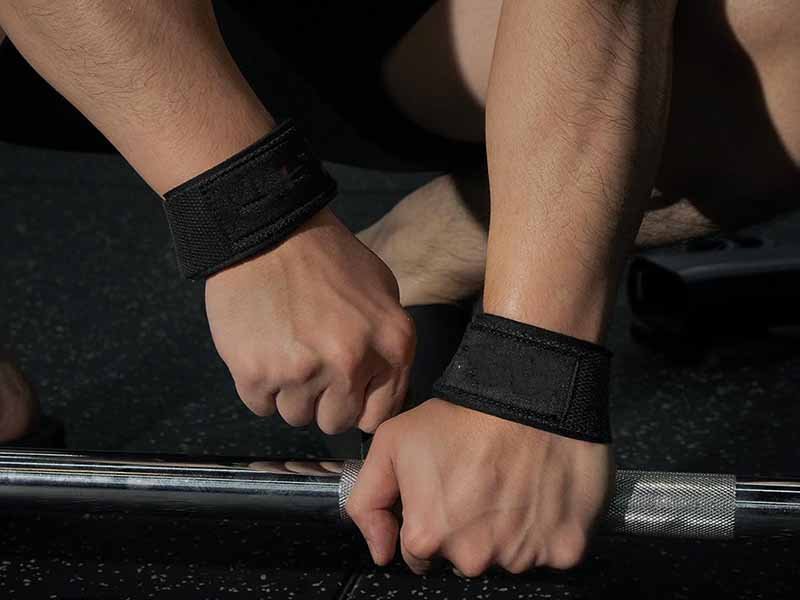
Braces & Supports: In orthopedics, elastic webbing provides the controlled compression needed for knee braces, wrist supports, and bandages. This compression can aid circulation and reduce swelling, accelerating recovery.
Medical Straps: Hospital equipment like securing straps for wheelchairs or stretchers often use elastic webbing to ensure patient safety without sacrificing comfort.
Sports & Fitness
Resistance Bands: Many resistance bands are essentially flat elastic webbings, designed for progressive resistance workouts. Their graded elasticity (often quantified by percentage elongation at break) allows trainers to target specific muscle groups effectively.
Gear Straps: Gear bags, hydration packs, and tubes for fitness machines rely on elastic webbing to hold items securely while allowing quick release.
Automotive & Industrial
Cargo Straps: Elastic webbing is used in adjustable cargo straps and seatbelt extensions, where the ability to stretch slightly under sudden loads can prevent breakage.
Vibration Dampeners: In machinery, elastic webbing can act as a vibration buffer, reducing wear on moving parts.
Luggage & Travel Accessories
Compression Straps: Suitcases and backpacks use elastic webbing to compress contents or attach additional gear. The slight give ensures shocks don’t rip the straps.
Bungee Systems: Many modern travel bags integrate bungee-like elastic webbing for external attachment points.
Overall, elastic webbing’s combination of bespoke flexibility and robust load-bearing capacity empowers creative engineers, designers, and manufacturers to innovate across markets. Its cross-industry appeal hinges on precisely tuned elasticity—too loose and the application fails; too stiff and it loses comfort. That fine balance is what makes elastic webbing indispensable.
How Does Elastic Webbing Compare to Other Types of Webbing?
Elastic webbing stands out by offering both stretch and strength in a single material, unlike rigid webbings such as nylon or polyester which lack give.
Elastic webbing incorporates stretch fibers like spandex alongside sturdy yarns, enabling it to flex under load and return to its original shape—unlike nylon or polyester webbing, which provides static strength without elasticity.
To appreciate elastic webbing’s unique position, let’s examine how it stacks up against more conventional webbing types:
Property
Elastic Webbing
Nylon Webbing
Polyester Webbing
Elasticity
50–200% elongation
<5% elongation
<5% elongation
Tensile Strength
Moderate (200–800 lbs)
High (1,000–5,000 lbs)
High (1,000–5,000 lbs)
Abrasion Resistance
Moderate
Excellent
Very Good
UV Resistance
Moderate
Moderate
Excellent
Water Absorption
Low
Moderate
Very Low
Elasticity & Recovery
Elastic webbing can stretch up to 200% of its original length and recover, making it ideal for dynamic applications. In contrast, nylon and polyester webbings offer near-zero stretch, crucial when static support is paramount (e.g., climbing harnesses).
Strength vs. Flexibility
While nylon and polyester webbings deliver superior tensile strength—up to 5,000 lbs—they are rigid under tension. Elastic webbing trades some ultimate strength for flexibility, typically peaking around 800 lbs. This trade-off is advantageous when you need both hold and comfort (e.g., backpack waist belts).
Comfort & Ergonomics
In wearables and medical devices, the mild give of elastic webbing prevents pressure points, unlike rigid webbings that can dig in during movement.
Durability & Resistance
Nylon offers outstanding abrasion resistance but can absorb water and degrade under UV exposure. Polyester resists UV and moisture better, yet remains rigid. Elastic webbing, depending on its fiber blend, occupies the middle ground: decent abrasion and UV resistance but with the added benefit of stretch.
Application Fit
For static load-bearing—like rigging or load securing—nylon and polyester are often chosen. For dynamic, body-contact, or adjustable uses, elastic webbing wins out.
Ultimately, the choice hinges on requirements: if you need pure, unyielding strength, nylon or polyester webbing is unmatched. But if your design calls for adaptability, comfort, and controlled flexibility, elastic webbing is unrivaled.
What Are the Benefits of Using Elastic Webbing?
Elastic webbing offers adjustable tension, comfort, and dynamic load management, making it ideal for a host of applications.
Elastic webbing’s controllable stretch and recovery enable uniform pressure distribution, ergonomic comfort, and shock absorption. It adapts to body movement or shifting loads, enhancing durability and user experience in apparel, medical, and industrial uses.
Elastic webbing’s advantages stem from its structural design, which marries elastic fibers (e.g., spandex, rubber) with high-strength yarns. Here are the key benefits:
Adjustable Tension & Fit
Unlike fixed-size straps, elastic webbing conforms to varying circumferences. In clothing, this translates to waistbands that adapt to movement and slight body-size changes, reducing the need for zippers or snaps.
Enhanced Comfort
Medical braces and athletic gear leverage elastic webbing to apply gentle, even compression. This not only stabilizes joints but also boosts circulation—a critical factor in recovery and performance.
Shock Absorption & Load Distribution
Elastic webbing attenuates sudden forces. In cargo straps or seatbelt extensions, a measured give can absorb jolts, protecting both the cargo and anchor points.
Ease of Use & Adjustability
Products with elastic webbing features—think adjustable backpack sternum straps or luggage belts—allow quick one-handed adjustments, speeding up user interactions.
Space & Weight Savings
In many designs, elastic webbing reduces the need for bulky buckles or hardware, cutting weight and cost while still delivering secure fastening.
Longevity & Maintenance
High-quality elastic webbing can withstand thousands of stretch cycles with minimal loss of elasticity. Properly formulated blends resist UV degradation and maintain structural integrity over time.
Versatility in Customization
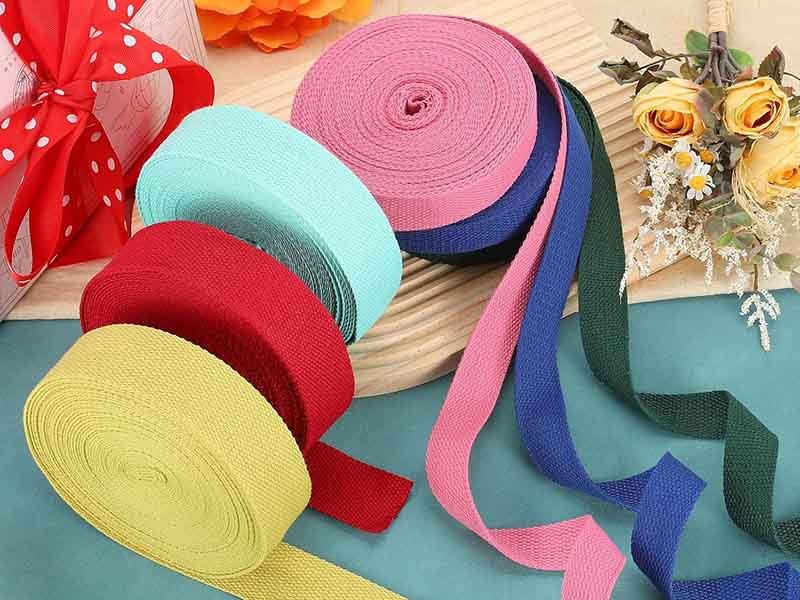
Elastic webbing can be dyed or printed in a wide range of colors and patterns without compromising elasticity, offering branding opportunities for OEM/ODM clients.
By quantifying these benefits, manufacturers and designers can make data-driven choices. For example, a compression garment requiring 20 mmHg of pressure can be engineered by selecting an elastic webbing with a specific modulus, ensuring end-user comfort and therapeutic efficacy.
How is Elastic Webbing Manufactured?
Elastic webbing production involves integrating elastic fibers into a woven or knitted structure, using specialized machinery for precise control.
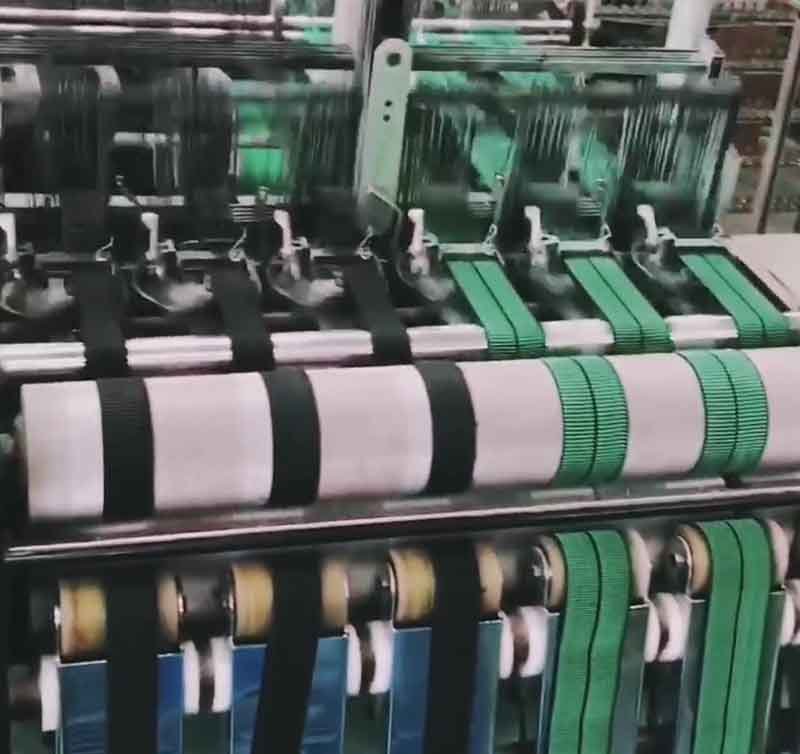
Elastic webbing is produced by weaving or knitting elastic cores (e.g., spandex yarns) alongside high-strength warp and weft yarns. The process includes warping, weaving/knitting, heat‐setting, dyeing, and quality inspection to meet performance specifications.
The manufacturing of elastic webbing is a multi‐stage process requiring technical expertise and quality controls at each step:
Fiber Selection & Preparation
Elastic Core: The heart of elastic webbing is the elastic fiber—commonly spandex, latex rubber, or TPE (thermoplastic elastomer).
Structural Yarns: Polyester, nylon, or cotton yarns provide tensile strength. These are selected based on the desired final properties: abrasion resistance, UV stability, or softness.
Warping
Yarns are wound onto warp beams under controlled tension. For elastic webbing, spandex or rubber strands are combined with the warp yarns to ensure uniform distribution of stretch fibers across the webbing’s width.
Weaving or Knitting
Weaving: In a dobby or rapier loom, elastic cores run parallel to twist yarns. The interlacement pattern (plain, twill, satin) influences flexibility and appearance.
Knitting: Some elastic webbings use warp knitting (tricot) for enhanced elasticity and soft hand feel, common in medical and lingerie applications.
Heat-Setting & Calendering
After forming, the webbing is heat‐set to stabilize dimensions and lock in elasticity. Calender rollers can adjust thickness and surface finish, ensuring a smooth, uniform tape.
Dyeing & Printing
Elastic webbing can be piece‐dyed or printed using digital/rotary screen printing. The process temperature and chemicals are optimized to avoid damaging the elastic core.
Finishing & Coating
Options include water‐repellent, anti‐UV, flame‐retardant, or antimicrobial coatings. Each finish involves pad baths and drying ovens calibrated to protect the elastic fibers.
Quality Control
Key tests include elasticity recovery (after 100 stretches), tensile strength, abrasion resistance, and colorfastness. Samples undergo AATCC or ISO standard assessments to certify performance.
Cutting & Packaging
Webbing is slit to customer‐specified widths, inspected, wound on spools or rolls, and labeled. Custom packaging—branded spools or vacuum‐sealed bundles—enhances brand presentation for private label clients.
At Szoneier, our multi‐factory setup and advanced looms allow rapid prototyping and scale‐up. We perform in‐line inspections and maintain a digital QC log, ensuring each batch meets our 100% quality guarantee.
Do Elastic Webbing Products Come in Custom Designs?
Yes—elastic webbing can be fully customized in width, color, pattern, and finish to align with brand aesthetics and functional requirements.
Elastic webbing customization includes selecting specific widths (5–100 mm), colors, branding via woven or printed logos, patterns, and specialty coatings (e.g., water repellent). OEM/ODM services enable tailored solutions for unique applications.
Customization is where elastic webbing shines, offering OEM/ODM clients a chance to differentiate their products:
Width & Thickness Variations
Standard elastic webbing widths range from 5 mm (thin straps) up to 100 mm (wide belts). Thickness can vary from 0.5 mm to over 3 mm depending on load and hand-feel requirements.
Color Matching & Printing
Using Pantone references, we can dye elastic webbing to exact brand colors.
Printing Techniques:
Screen Printing for bold, single-color logos.
Digital Printing for multicolor gradients or photographic-quality images without compromising stretch.
Woven Logos & Patterns
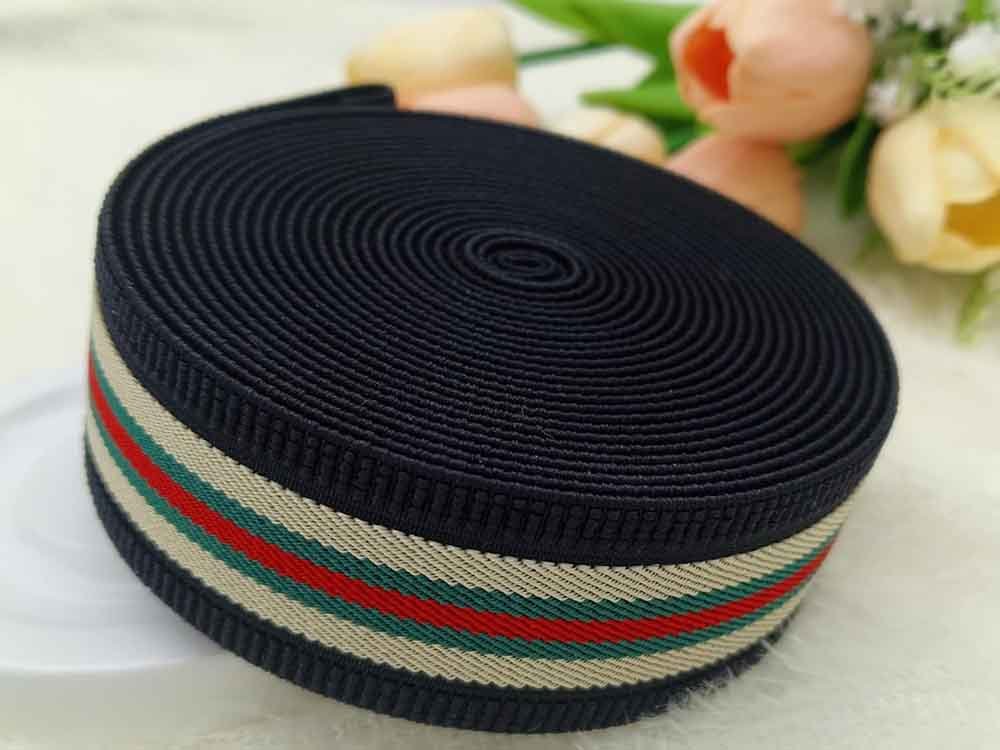
For a premium finish, logos can be woven directly into the webbing. Patterns—stripes, camouflage, or geometric designs—are engineered at the warping stage, ensuring enduring clarity even under repeated stretch.
Functional Coatings & Treatments
Water-repellent finishes keep elastic webbing quick-drying—essential for outdoor or marine applications.
Anti-UV and antimicrobial coatings extend lifespan and hygiene, critical for sportswear and medical use.
Hardware Integration
Custom hooks, sliders, and buckles can be pre-assembled on the webbing, reducing assembly time for end-product manufacturers.
Sample & Prototyping Service
Szoneier offers free samples and rapid prototyping—typically within 3–5 days—so clients can test fit and performance before committing to bulk orders.
By combining design flexibility with stringent QC, Szoneier ensures each custom elastic webbing solution not only looks distinctive but also performs reliably in its intended application.
Are There Any Limitations to Elastic Webbing?
While versatile, elastic webbing may not suit every scenario—especially those demanding zero elongation or extremely high tensile strength.
Elastic webbing is not recommended for pure static load-bearing applications, environments exceeding its temperature or chemical resistance, or where consistent zero-stretch is critical. Evaluate application requirements carefully before specifying elastic webbing.
Understanding elastic webbing’s limitations is crucial for specifying the right material:
Load-Bearing Constraints
With typical tensile strengths up to 800 lbs, elastic webbing cannot replace heavy-duty nylon or polyester webbing rated over 1,000 lbs in static load applications such as rock climbing harnesses or industrial rigging.
Creep & Stress Relaxation
Over prolonged loads, some elastic fibers exhibit creep—gradual permanent deformation. In long-term compression garments, periodic retensioning may be needed to maintain therapeutic pressure.
Environmental Tolerance
Temperature: Standard spandex cores tolerate –40 °C to +70 °C. High-performance elastomers extend that range, but extreme heat can degrade elasticity.
Chemicals: Harsh solvents, oils, or chlorine can weaken elastic fibers. Specialized coatings mitigate but don’t fully eliminate chemical sensitivity.
Abrasion & UV Exposure
While abrasion resistance is moderate, constant friction can cause fibrillation over time. UV-stabilized finishes help for outdoor use, but webbing should be shielded from direct sunlight when possible.
Thickness vs. Flexibility Trade-off
Thicker webbings increase strength but reduce hand-feel and stretchiness. Applications requiring both thick webbing and high elasticity may require multi-layer constructions, adding cost and complexity.
Cost Considerations
Elastic webbing typically costs 20–50% more than comparable nylon or polyester webbings due to the added complexity of elastic core integration and specialized quality testing.
By weighing these factors—load requirements, environmental conditions, and budget—clients can make informed material choices. In many cases, a hybrid approach combining elastic and non-elastic webbing segments delivers the best of both worlds.
How to Choose the Right Elastic Webbing for Your Project?
Selecting elastic webbing involves balancing stretch percentage, tensile strength, width, and coating to meet your specific application requirements.
To choose the right elastic webbing, define required elongation (e.g., 50–150%), load capacity (tensile strength), width, hand-feel, and environmental conditions. Consult technical datasheets and request samples to validate performance before mass production.
A systematic selection process ensures optimal product performance:
Determine Required Stretch Range
Light Stretch (30–60%): Ideal for waistbands and light compression.
Medium Stretch (60–120%): Good for support straps and moderate resistance bands.
High Stretch (120–200%+): Used in heavy resistance bands or shock-absorbing cargo straps.
Assess Tensile Strength & Durability
Match tensile ratings to expected loads plus safety factor (1.5–2×). For a 200 lb load, select webbing rated ≥400 lbs.
Select Width & Thickness
Wider webbings distribute load over a larger area, increasing comfort.
Thicker webbings boost strength but lower flexibility—balance based on application.
Choose Fiber & Coating
Spandex vs. Latex: Spandex offers better UV and chemical resistance; latex provides a softer hand feel.
Finishes: Water repellent for outdoor gear; antimicrobial for medical products; flame retardant for safety equipment.
Review Environmental Requirements
For marine or outdoor use, insist on UV-stabilized, water-repellent coatings.
In high-temperature settings, specify heat-resistant elastomers.
Sample Testing & Certification
Always order pre-production samples. Perform stretch-recovery tests, wash-cycle tests, and load trials.
Look for ISO or AATCC test reports for validated performance.
Consider Manufacturing Partnerships
Work with experienced suppliers like Szoneier, who offer rapid prototyping, low MOQ runs, and in-house QC to ensure consistency.
By following these steps and leveraging our technical support team, you can confidently select the perfect elastic webbing for your next product innovation.
Conclusion
Elastic webbing’s fusion of strength, stretch, and customization makes it an indispensable material for modern products—from comfortable activewear and therapeutic braces to innovative cargo solutions. Whether you need light-stretch waistbands or heavy-duty shock-absorbing straps, choosing the right elastic webbing requires a clear understanding of your application’s load, stretch, and environmental demands.
At Szoneier, we specialize in custom elastic webbing solutions with:
18+ years of R&D and manufacturing expertise
Low MOQ options and fast sampling within 3–5 days
Full customization: colors, patterns, coatings, and hardware integration
Rigorous quality assurance and ISO-certified testing
Ready to elevate your product with premium elastic webbing? Contact Szoneier today for a free sample and tailored quotation. Let’s work together to bring your next innovation to life.
If you have your own artwork, logo design files, or just an idea,please provide details about your project requirements, including preferred fabric, color, and customization options,we’re excited to assist you in bringing your bespoke bag designs to life through our sample production process.
Looking for premium custom webbing? Contact us now for competitive pricing, free samples, and expert consultation. Fill out the form below, and our team will get back to you within 24 hours!