Traveling with overstuffed suitcases or bulky sports gear can be a headache. Luggage straps are your best friend for keeping everything compact, secure, and damage-free—but only if you tighten them correctly. From sliding buckles to elastic wraps, every strap type demands its own technique. In this guide, we’ll cut through vague advice and give you crystal-clear, actionable steps for every scenario.
To tighten a luggage strap, thread the loose end through the buckle or slider, pull firmly until snug around your pack, then lock or tie off the excess. Ensure even tension to prevent shifting or damage during transit.
Imagine boarding a plane only to have your duffel’s contents tumble out mid-flight. That’s exactly what happened to me on a trip to Bali—until I discovered a simple two-step tightening trick that saved my gear and my sanity. Read on, and you’ll never worry about loose straps again.
What Are Luggage Straps and Why Is Proper Tension Important?
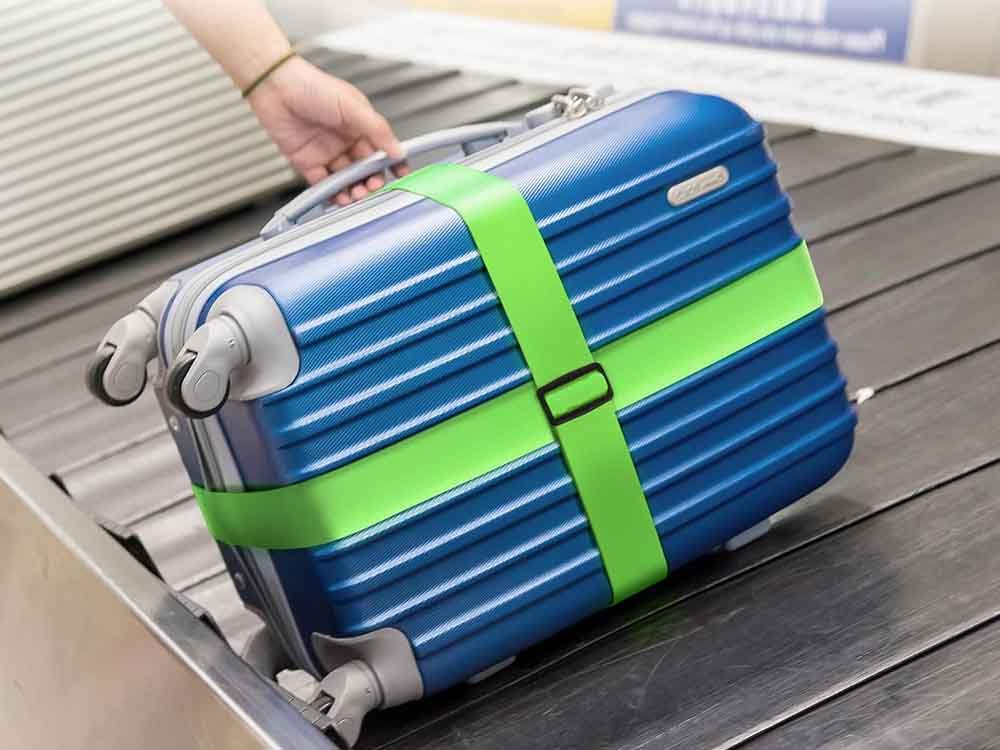
Luggage straps are external bands—made of nylon, polyester, or elastic—wrapped around suitcases or bags to compress contents and stabilize shape. Proper tension prevents shifting, reduces damage risk, and ensures airline handlers can’t accidentally open zippers.
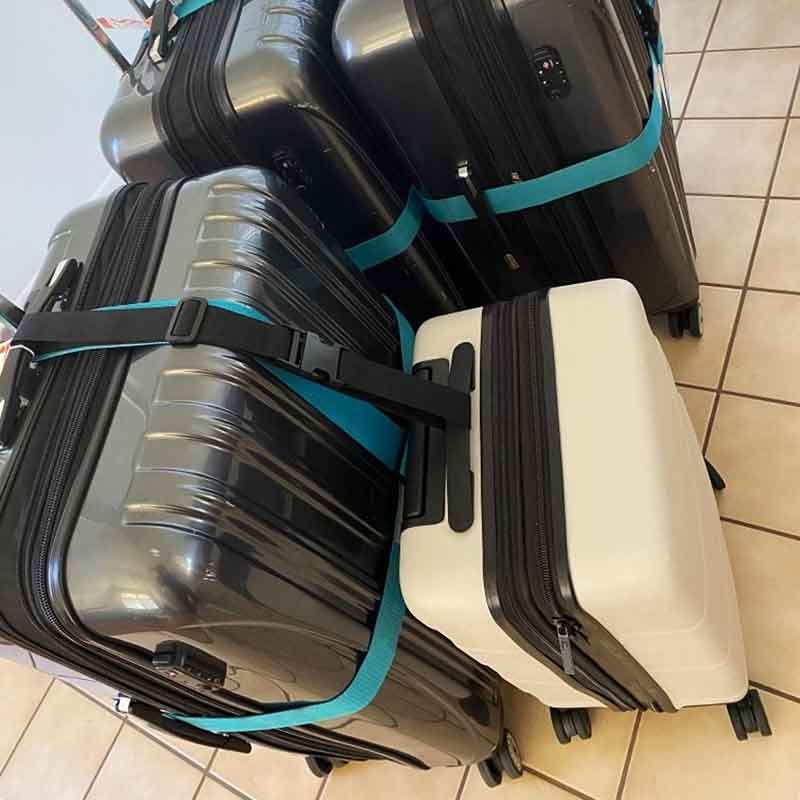
Luggage straps come in all shapes and materials, but their core function remains the same: to compress and secure. By applying uniform pressure around your bag, straps not only keep your belongings from shifting—thus reducing wrinkles, dents, and breakage—but also provide a clear visual cue if someone has tampered with your gear.
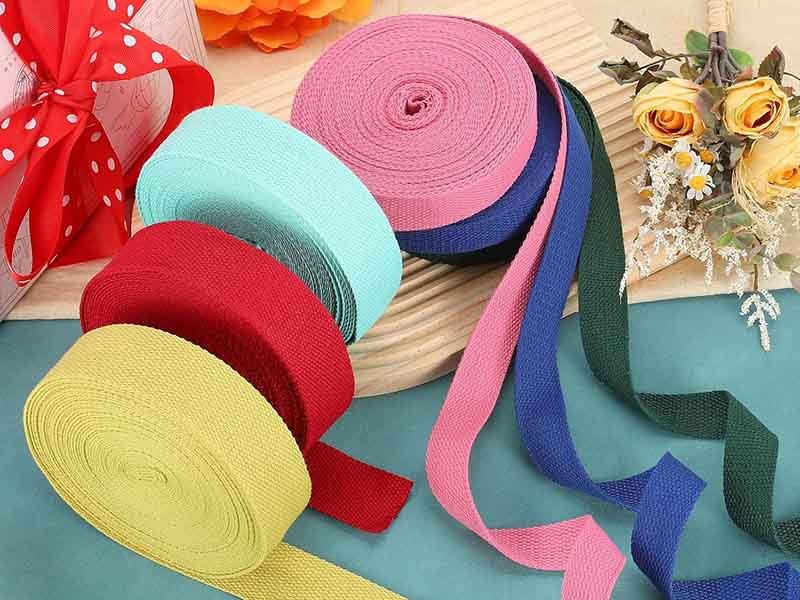
Material Matters: Nylon webbing (like those we custom-make at Szoneier) offers high tensile strength and abrasion resistance, while elastic straps deliver quick snugness but may wear faster.
Load Distribution: Properly tensioned straps distribute weight evenly, reducing stress on handles and zippers. This can add years to your luggage’s lifespan.
Security: Tight straps make it harder for opportunistic thieves to unzip quietly. While not a lock, they’re a noticeable barrier that can deter tampering.
Critically, there’s a balance: overtighten and you risk cutting into delicate fabrics or stressing buckles; undertighten and your bag becomes a jumbled mess. The sweet spot is firm enough to prevent wobble, yet gentle enough to respect the material’s limits. Throughout this guide, you’ll learn to hit that sweet spot every time—no careful guesswork required.
Which Types of Luggage Straps Will You Encounter?
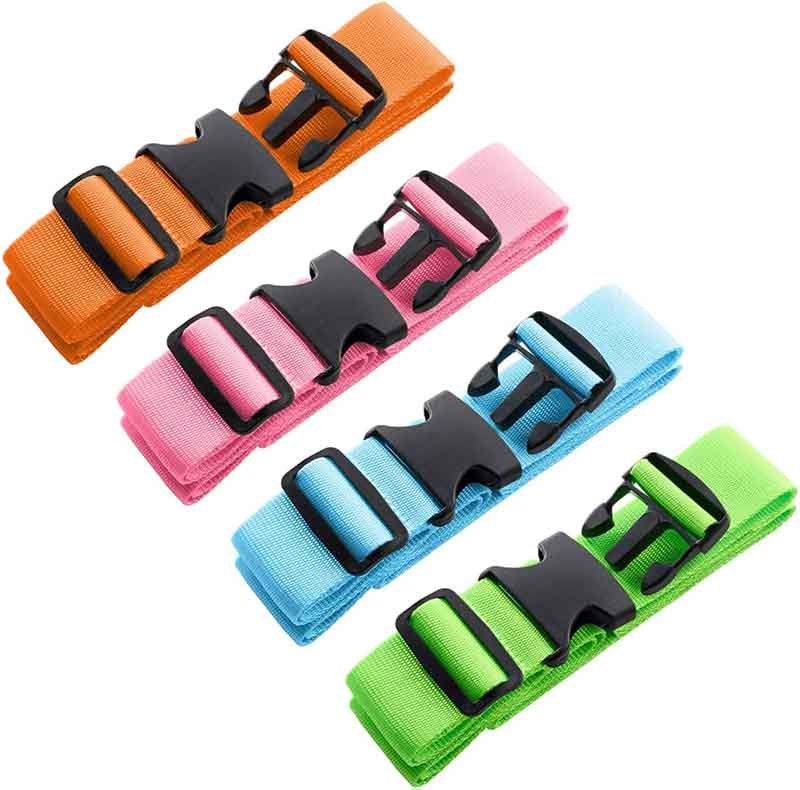
Common luggage straps include adjustable-buckle (slider) straps, fixed-length straps with buckles, elastic wraparound bands, and clip-style straps. Each type requires a different tightening approach based on its hardware and material flexibility.
Before you tighten, identify your strap type—this ensures you use the right technique:
Adjustable-Buckle (Slider) Straps
Description: A loose end threads through a metal or plastic slider.
Pros: Infinite length adjustment; easy to release.
Cons: Slider can slip under extreme tension if worn.
Fixed-Length Straps with Buckles
Description: Pre-cut length with a snap-on buckle—no slider.
Pros: Quick fastening; uniform size.
Cons: Lacks fine-tune adjustment; may require tying knots.
Elastic Wraparound Bands
Description: Stretchy bands with hooks or clips at ends.
Pros: Fast application; accommodates irregular shapes.
Cons: Limited durability; tension decreases over time.
Clip-Style Cam Buckle Straps
Description: Lever-activated cam holds strap by friction.
Pros: Holds high tension securely; easy release.
Cons: Bulkier hardware; more expensive.
Strap Type
Adjustment Method
Durability
Ease of Use
Adjustable-Buckle (Slider)
Pull & slide
★★★★☆
★★★★☆
Fixed-Length & Buckle
Tie or knot
★★★☆☆
★★☆☆☆
Elastic Wraparound
Hook & stretch
★★☆☆☆
★★★★★
Clip-Style Cam Buckle
Engage lever & pull
★★★★★
★★★☆☆
Understanding which strap you have is half the battle. Next, let’s tighten!
How Do You Tighten an Adjustable Luggage Strap?
To tighten an adjustable strap, feed the free end through the buckle’s bottom slot, wrap around your luggage, then reinsert through the top slot. Pull the loose end firmly until the strap hugs snugly. Ensure the slider teeth grip the webbing evenly.
Adjustable straps are the most common—and arguably the most versatile—type. Here’s a detailed method to master them:
Threading Technique:
Step 1: Find your buckle: one side has an entry slot, the other an exit slot.
Step 2: Feed the tail (loose end) up through the bottom slot, over the center bar, and down through the top slot. This creates a wrap-around locking grip.
Applying Tension:
Gradual Pull: Pull the tail evenly—no jerking—to seat it properly in the slider.
Check for Slippage: Give the strap a firm tug; if the buckle shifts, re-thread or consider replacing worn hardware.
Fine-Tuning:
Multidirectional Packs: On backpacks, tighten one side, then the other, alternating to avoid uneven compression.
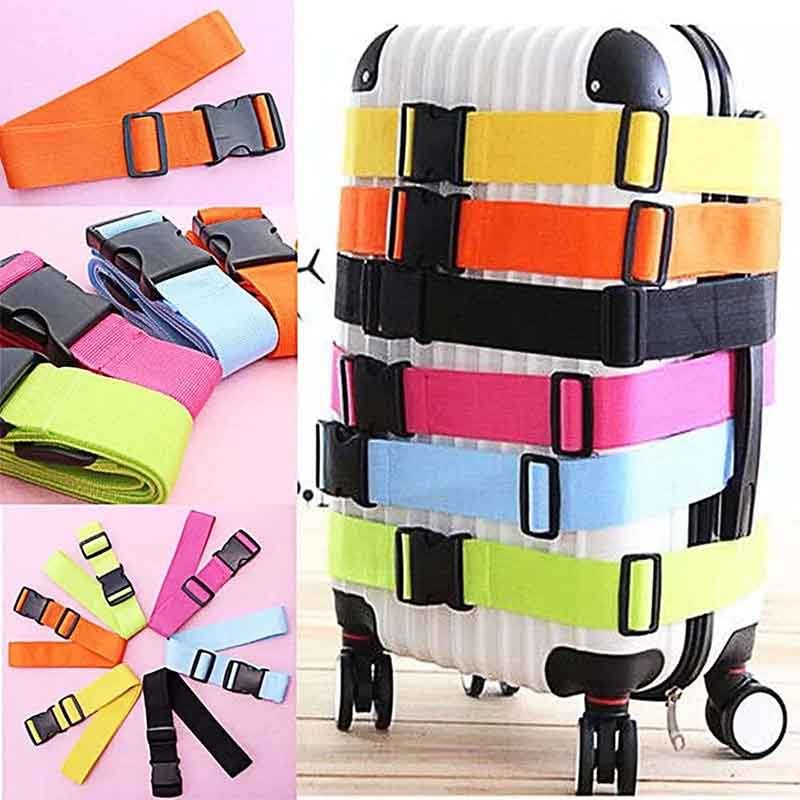
Layering Straps: Use two parallel straps for long bags—this maintains shape and avoids bulging.
Critical Considerations:
Edge Stress: Avoid pulling the strap over sharp edges or zipper pulls; use corner protectors if necessary.
Temperature Effects: In extreme cold, some plastics become brittle—test your buckle before departure.
Wear Indicators: Inspect the webbing near the buckle for fraying; Szoneier’s reinforced die-cut tabs help prevent common wear points.
By following these steps, you’ll ensure that adjustable straps stay firm—even under prolonged pressure or during rough handling.
How Do You Tighten a Fixed-Length or Non-Adjustable Strap?
For fixed straps without sliders, wrap the strap around your luggage and buckle as usual. To tighten further, tie a simple half-hitch knot on the loose end or add a small carabiner to cinch excess webbing.
Fixed straps can feel limiting, but with a few clever tricks, you can achieve professional-level tension:
Basic Knot Method:
Half-Hitch Knot: After buckling, loop the loose end around the main strap and tie a half-hitch. This pinches the webbing tighter.
Prusik-Style Grip: Use a short loop of cord—looped around the strap—to create a friction knot that grips tension when pulled.
Hardware Hacks:
Carabiner Cinch: Clip a small aluminum carabiner through the loose end and back onto the main strap. Pull until snug, then clip for a secure hold.
Lightweight D-Ring: Similar to a carabiner, but lower profile—especially useful on carry-on bags.
Tool-Assisted Solutions:
Strap Tightening Pliers: Specialized pliers grip and pull webbing—ideal for very heavy loads (e.g., surfboards).
Belt-Clip Adaptors: Convert your strap to a belt system—thread it through existing belt loops for incremental tightening.
Risk Management:
Over-Compression: Avoid crushing fragile items; place padding or rigid inserts between strap and bag.
Stress Points: Fixed straps concentrate force at the buckle—inspect for deformation regularly. Szoneier offers reinforced stitching options to mitigate this.
With these techniques, even “dumb” straps become surprisingly nimble tools—no slider required.
Are There Common Mistakes When Tightening Luggage Straps?
Common errors include overtightening (damaging gear), uneven tension (causing bulges), incorrect threading (leading to slippage), and neglecting to lock the buckle. Avoid these by following proper threading patterns and checking tension from all sides.
Awareness of pitfalls is just as important as correct technique:
Overtightening Dangers:
Material Damage: Excess force can cut into softer fabrics or warp hard-shell cases.
Internal Stress: Overcompression may damage delicate electronics or glassware—always use protective layers.
Uneven Tension:
Bulging Sides: When one strap is much tighter than another, bags can deform unpredictably.
Handle Stress: Unequal load distribution strains handles—this is a leading cause of premature handle failure.
Incorrect Threading:
Reverse Weave: Threading the strap backwards reduces buckle grip by up to 50%.
Incomplete Seating: Slack between the webbing and buckle reduces friction; always feed fully through both slots.
Skipping the Lock:
Loose Tails: A loose tail can flap violently, causing wear or getting caught in conveyor belts.
Secondary Locking: We recommend a simple cable-tie or Velcro wrap around the tail—an extra safety net against unintentional release.
Environmental Factors:
Heat & Cold: Both extremes can change webbing elasticity and buckle material properties. Test your straps before critical trips.
UV Exposure: Prolonged sun can weaken nylon over weeks; opt for UV-stabilized weaves when possible.
By understanding these common mistakes, you’ll tighten more confidently—and avoid both cosmetic and structural damage.
Do TSA-Approved Locks or Clips Affect Strap Tightness?
TSA-approved locks and clips integrate seamlessly with most luggage straps. Ensure the lock’s thickness matches buckle openings, and tighten straps before locking. Excessive lock bulk may prevent full closure—choose slim, travel-rated models.
Securing your straps with a TSA-approved lock adds peace of mind—but requires special attention:
Lock Compatibility:
Dimension Matching: Measure buckle openings; many padlocks won’t fit thick slider bars. Szoneier’s custom straps can be ordered with lock-compatible buckles.
Integrated Clips: Some straps include built-in TSA clips—eliminating mismatch issues.
Tension Protocol:
Pre-Tighten, Then Lock: Always achieve your desired tension first, then affix the lock. Locking under partial tension can loosen over time.
Check After Lock: Give a final tug on both sides; locks can subtly shift webbing when closing.
Security vs. Accessibility:
TSA vs. DIY Locks: TSA-approved locks allow inspection without strap removal but rely on master keys—consider the risk of unauthorized unlocking.
Clip-Style Alternatives: Some travelers prefer cam-buckle clips marked “TSA,” which click shut under tension and release only with a key.
Durability Under Scrutiny:
Handling Abuse: Lock barrels are often the first to go under stress—opt for hardened steel shackles.
Wear Indicators: Examine shackle areas for abrasion; even small burrs can wear through webbing over repeated tugging.
By selecting the right lock and following proper sequence, you’ll maximize both security and strap integrity.
How Can You Maintain and Inspect Your Luggage Straps for Longevity?
Regularly inspect webbing for frays, check buckles for cracks, clean straps with mild soap, and store flat away from sunlight. Replace any component showing >10% wear or compromised stitching to ensure ongoing strength and reliability.
Maintenance is the unsung hero of safe travel. Here’s a regimen to keep straps in top form:
Visual Inspections:
Webbing Check: Look for broken fibers or discoloration—signs of UV damage.
Stitching Review: Focus on end-stop and buckle attachment points where fatigue accumulates first.
Functional Testing:
Load Test: Apply moderate tension (≈50% of rated capacity) and hold for 30 seconds. Watch for slippage or buckle deformation.
Hardware Movement: Open and close buckles 10 times; any stiffness or looseness indicates impending failure.
Cleaning Protocol:
Mild Detergent Soak: Submerge straps for 10 minutes in warm water with a gentle soap—avoid harsh chemicals that strip coatings.
Air Dry Only: UV lamps or direct sun can further degrade fibers; hang in shade until fully dry.
Storage Best Practices:
Flat Coiling: Roll straps loosely—tight coils can introduce kinks and stress points.
Climate Control: Store in a cool, dry place; avoid basements or attics where humidity fluctuates.
Replacement Guidelines:
Manufacturer Specs: Most straps rate for 3–5 years of active use; aggressive travelers should replace every 2 years.
Szoneier Advantage: Our straps feature color-coded wear bars that fade gradually—offering a built-in visual alert when replacement is due.
Consistent care not only extends lifespan but also safeguards your investment and, more importantly, your belongings.
Conclusion
Mastering luggage-strap tension means fewer surprises at baggage claim, better protection for your gear, and a smoother travel experience. Whether you need heavy-duty nylon webbing for adventure gear or sleek polyester straps for business luggage, Szoneier’s 18+ years of R&D and manufacturing expertise ensure 100% quality, free design, low MOQ customization, and rapid sampling.
Ready to elevate your luggage security? Contact Szoneier today to design custom luggage straps tailored to your needs. Visit our website or reach out directly to discuss private-label or OEM/ODM solutions—because every trip deserves the confidence of perfectly tightened straps.
If you have your own artwork, logo design files, or just an idea,please provide details about your project requirements, including preferred fabric, color, and customization options,we’re excited to assist you in bringing your bespoke bag designs to life through our sample production process.
Looking for premium custom webbing? Contact us now for competitive pricing, free samples, and expert consultation. Fill out the form below, and our team will get back to you within 24 hours!
 Skip to content


 Optimized by Seraphinite Accelerator