- (+86)13823134897
- info@szoneierwebbing.com
From Inquiry to Delivery
 Skip to content

Traveling can feel like embarking on a grand adventure, yet there’s nothing quite as frustrating as waiting at baggage claim and realizing you cannot distinguish your suitcase from dozens of others. Imagine standing there, anxious, while flights unload bag after bag. That moment of uncertainty—wondering if your luggage was lost or snagged—can quickly dampen any traveler’s spirits. Yet there’s a simple solution that makes your suitcase instantly recognizable and adds an extra layer of security: a personalized luggage strap.
Personalized luggage straps are adjustable bands printed or woven with unique designs, names, or logos to wrap around suitcases. They help secure your luggage by keeping zippers closed, deter tampering by making unauthorized openings noticeable, and provide an immediate visual cue so you can spot your bag from afar. Furthermore, these straps can be customized with colors and styles that reflect your personality or brand, making them both practical and stylish.
Think about that time you were traveling with friends, and everyone’s black rolling suitcase looked exactly alike—only to have one person’s bag accidentally taken by a stranger. That scenario could have been avoided with a brightly colored strap emblazoned with a bold pattern or name. In this guide, we’ll walk through everything you need to know about personalized luggage straps—why they’re essential, what materials perform best, how to customize them, and even how to keep them in top shape. By the end, you’ll wonder how you ever traveled without one.
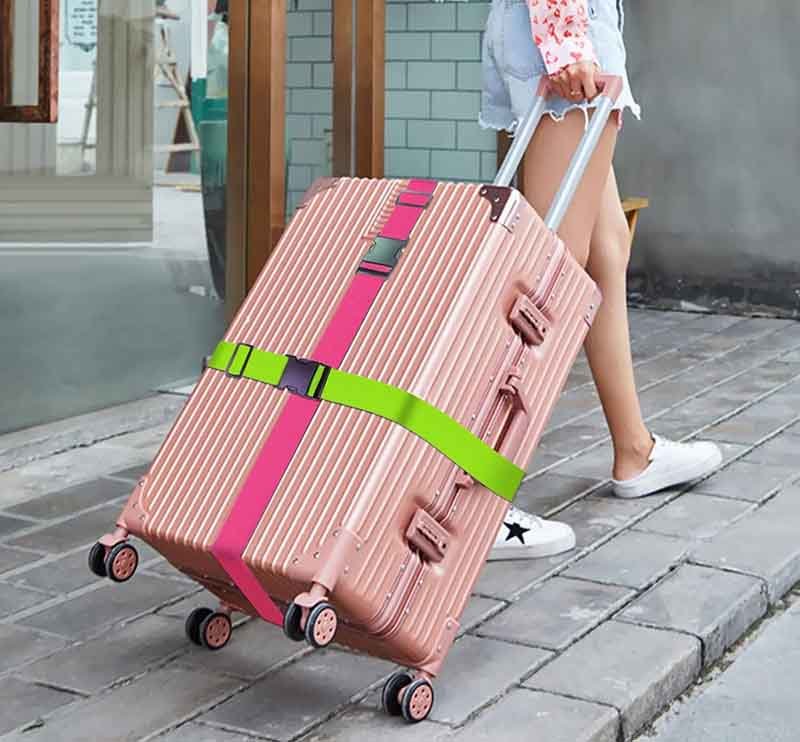
Personalized luggage straps are adjustable bands made of durable webbing—such as polyester, nylon, or polypropylene—that wrap around a suitcase for added security and instant identification. By printing or weaving in custom designs, logos, or names, these straps help deter theft, keep zippers closed if the lock fails, and let you spot your bag immediately at baggage claim, saving time and stress.
When people first hear about luggage straps, they often wonder if they are just a fancy accessory or truly worth the investment. The short answer is: yes, they are a very good idea for most travelers. Here’s why.
Extra Security
Even if your suitcase has a built-in lock, zippers can break or fail under pressure. A high-quality strap that wraps around the entire luggage body ensures that, even if the zipper opens, the case remains closed. Should someone attempt to tamper with your bag, they must cut or remove the strap, leaving clear evidence of interference.
Instant Identification
Picture a carousel piled high with visually similar suitcases. A brightly colored strap with your name or logo lets you pick out your bag in seconds. Minimizing confusion at baggage claim not only saves time but lowers anxiety, especially when you’re traveling for business or on a tight schedule.
Brand Visibility and Marketing
For corporate travelers, trade-show exhibitors, or promotional events, custom luggage straps can serve as a mobile billboard. Imagine a conference attendee’s branded strap catching dozens of eyes as they move through airports worldwide. It’s free advertising that travels with your team.
Versatility and Reusability
Unlike disposable luggage tags, a well-made strap can be used time and again. Many straps allow easy adjustment so you can switch them between various suitcase sizes. Their durable webbing resists wear, meaning you can take them on dozens of trips without needing replacements.
Emotional Peace of Mind
A little flair goes a long way toward reducing travel stress. When your suitcase has a personalized touch, you feel a sense of ownership and pride. That small boost of confidence can turn an ordinary trip into a more enjoyable, stress-free experience.
Story Anecdote:
Just last summer, a friend of mine hopped off a late-night red-eye in Chicago. She watched her black rolling case disappear into the sea of baggage, only to return three times with the wrong suitcase. Minutes dragged on until a neon-yellow strap emblazoned with her initials glowed under the carousel lights. Those few seconds might not seem life-changing, but to her, they were priceless. By the time her turn came, she was already halfway off the carousel. That is precisely the kind of advantage a personalized luggage strap delivers.
The most durable personalized luggage straps use woven polyester, nylon, or polypropylene (PP) webbing paired with reinforced stitching and sturdy buckles. Polyester offers excellent UV resistance and printing quality, nylon provides superior strength and shock absorption, while PP is lightweight and cost-effective. Metal buckles made from zinc alloy or aircraft-grade aluminum outlast plastic alternatives, ensuring long-term reliability under repeated travel use.
Choosing the right material and construction isn’t just about aesthetics—it determines how long your strap will last and how well it will protect your bag. Below, we explore each material’s benefits and limitations, along with key design elements that affect durability.
Polyester webbing is one of the most popular choices for customized luggage straps. It offers an excellent balance between tensile strength, colorfastness, and moisture resistance. Because of its synthetic nature, polyester does not absorb water like cotton or other natural fibers.
Key Attributes:
Considerations:
Nylon is prized for its superior tensile strength—often 10 to 15 percent higher than polyester of the same denier. This makes nylon an excellent choice for travelers carrying ultra-heavy luggage, like large suitcases packed with equipment or trade-show displays.
Key Attributes:
Considerations:
Polypropylene is a petrochemical-based polymer known for its light weight, moisture resistance, and low production cost. It’s a budget-friendly option for casual or occasional travelers who still want a custom look.
Key Attributes:
Considerations:
Regardless of webbing material, how the strap is stitched and which hardware is used play a pivotal role in overall durability. A strong strap fails at the seams or buckles if not constructed properly.
Stitching Techniques:
Hardware Choices:
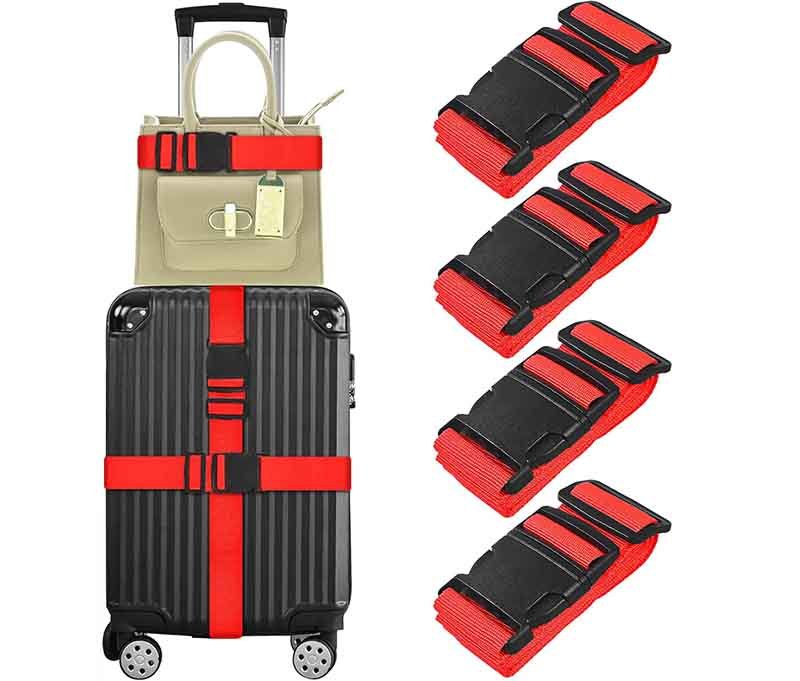
You can customize luggage straps using sublimation printing for full-color images, heat-transfer vinyl for bold logos, or woven labels for a premium look. Choose strap colors from Pantone-matched palettes, add reflective strips for visibility, and select metal or plastic buckles with unique finishes. Combining multiple elements—such as embroidered monograms, QR codes, or textured embossing—creates a one-of-a-kind design that stands out.
Customizing luggage straps goes far beyond simply adding a name. It’s an opportunity to create an accessory that reflects a traveler’s personality or reinforces a company’s brand identity. Below, we explore various techniques and creative ideas that can turn a basic piece of webbing into a memorable statement.
How It Works:
Sublimation involves transferring dye onto polyester webbing using high heat. The ink becomes part of the fibers rather than sitting on top, resulting in vivid, durable colors that resist cracking or peeling.
Ideal Applications:
Advantages:
Limitations:
How It Works:
HTV uses sheets of colored vinyl cut into shapes, letters, or logos, then heat-pressed onto the webbing. The heat melts the vinyl’s adhesive backing, bonding it firmly to the strap surface.
Ideal Applications:
Advantages:
Limitations:
Woven Labels:
These are small labels created on a separate loom, cut to size, and sewn directly onto the strap. They can include brand names, logos, or slogan text.
Advantages:
Limitations:
Embroidery:
Embroidery stitches your design directly through the webbing’s fibers using colored thread. For webbing, a thin layer of backing fabric is often added behind the strap to support the stitching.
Advantages:
Limitations:
Pantone Color Matching:
If brand consistency is critical, Pantone matching ensures every strap color precisely aligns with your logo, packaging, or marketing collateral. Reputable suppliers will provide Pantone charts and sample swatches before full production.
Popular Pattern Options:
Reflective Strips:
Buckle Finishes:
Combination Locks vs. Quick-Release Buckles:
D-Rings and Attachment Points:
Some straps feature an extra metal D-ring that doubles as a keychain holder or attaches small travel accessories—think mini carabiners for water bottles or key fobs.
Layering Techniques:
Examples from Real Brands:
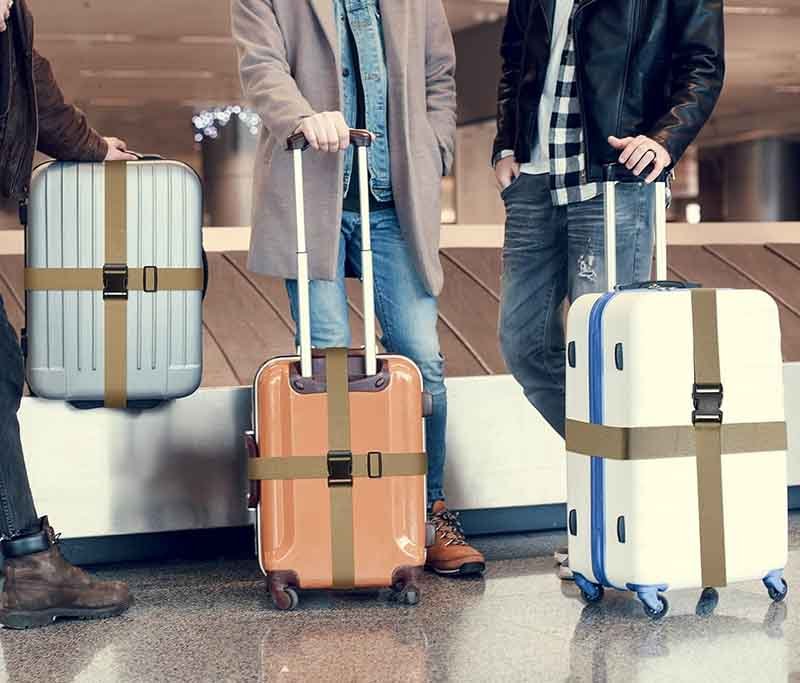
Look for B2B webbing factories or accessory specialists with OEM and ODM capabilities, ideally certified to ISO 9001 quality standards and audited by BSCI or Sedex for ethical manufacturing. Request free samples to evaluate materials, printing accuracy, and buckle durability. Choose suppliers that offer low minimum order quantities, transparent communication, and dedicated account managers to guide you from design to delivery.
Identifying a trustworthy supplier or manufacturer is crucial, especially when you need consistent quality and timely delivery. Below, we outline how to vet potential partners, what certifications to look for, and strategies for efficient communication.
ISO 9001 Certification:
Sedex and BSCI Audits:
Environmental Standards (ISO 14001):
Low-MOQ Suppliers:
Bulk Production Partners:
Sample Turnaround:
Dedicated Account Managers:
Multilingual Sales Teams:
Design Files and Specifications:
Below is an example table illustrating approximate cost per strap based on material, buckle type, and order quantity. Actual prices may vary depending on supplier location, currency rates, and design complexity:
| Material (Denier) | Buckle Type | MOQ Range | Price per Strap (USD) | Lead Time (Weeks) |
|---|---|---|---|---|
| 1000D Polyester | ABS Plastic Quick-Release | 500–2,000 | 1.20 – 1.50 | 3–4 |
| 1000D Polyester | Zinc Alloy Locking Buckle | 1,000–5,000 | 1.80 – 2.20 | 4–6 |
| 1680D Nylon | Aluminum Quick-Release | 1,000–3,000 | 2.50 – 3.00 | 4–6 |
| 3000D Nylon | Aircraft-Grade Aluminum Lock | 5,000–10,000 | 3.50 – 4.00 | 6–8 |
| 1000D Polypropylene (PP) | ABS Plastic Quick-Release | 500–2,000 | 0.90 – 1.20 | 3–4 |
| 1000D Polypropylene (PP) | Zinc Alloy Locking Buckle | 1,000–5,000 | 1.50 – 1.80 | 4–6 |
Notes on the Table:
Personalized luggage straps serve as a deterrent to theft—anyone trying to open a strapped suitcase must cut or break the strap, leaving visible evidence. Many straps feature printed contact details or embedded QR codes for quick bag recovery if lost. The high-contrast appearance also enables swift visual identification, saving time, reducing stress, and providing peace of mind on every trip.
Personalized luggage straps do far more than look stylish. They provide practical security benefits and make travel smoother. Below, we break down the multiple ways these straps add value, from deterring tampering to facilitating lost-and-found processes.
Visible Security Layer
Unlike a simple zipper lock, a strap must be cut or forcibly unbuckled to open your suitcase. Anyone rummaging through your bag knows it will be obvious the strap was tampered with, which discourages casual or opportunistic thieves.
Integrated Contact Information
Many personalized straps allow for printing contact details—phone numbers, email addresses, or company websites—directly on the webbing. A lost bag spotted by an honest traveler can be returned quickly, greatly increasing the chances of recovery.
TSA-Approved Locks
For straps with combination locks, choose models approved by the Transportation Security Administration. TSA agents can open them with a master “Travel Sentry” key, inspect your contents, and re-secure the strap without cutting it. This prevents luggage damage while still meeting security regulations.
High-Contrast Colors and Unique Patterns
When your strap features bright neon colors or bespoke patterns—like tropical prints, geometric shapes, or company logos—your bag will stand out in a lineup of plain black or navy suitcases. Even in dimly lit baggage carousels, reflective stripes or fluorescent colors catch the eye.
Reduced Mistaken Pickups
Identical or similar-looking luggage can lead to mix-ups, especially when multiple travelers share the same flight. A personalized strap with your initials or a distinctive icon acts like a neon sign, signaling “this bag is mine.”
Group Travel Organization
For tour groups, sports teams, or corporate retreats, matching straps in one color or theme can categorize luggage by family, team, or department. This accelerates the loading and unloading process, especially at large airports or group check-ins.
Quick-Release Buckles Save Time
Adjustable quick-release buckles let you leave the strap loosely around the handle or partially unclipped for X-ray scanning. You no longer have to remove the strap completely and search for a place to stash it while going through security.
Clippable Accessories
Some straps include a D-ring or small loop that can hold a mini bag tag, USB drive, or boarding pass sleeve. Having essential items at your fingertips speeds up the process of showing documents to security personnel.
Multi-Purpose Use
Once you land, the same strap can secure trekking poles, yoga mats, or folding chairs when traveling to outdoor adventures. Its adjustable length means you can cinch larger items together without buying separate gear straps.
Traveler Confidence
Knowing your bag has an extra barrier can ease anxiety for many travelers—especially those on long-haul flights or carrying valuable items. When you see that colorful strap around your suitcase, you’re reminded that you’ve taken extra precautions.
Corporate Branding on the Go
If your strap displays your company’s logo, every airport becomes a potential marketing opportunity. From New York to Tokyo, your brand travels with you—and colleagues and clients notice when you stand out at baggage claim.
Ambient Social Presence
For influencers or social media-savvy travelers, a customized, aesthetically pleasing strap can complement a curated travel feed. It’s an accessory that photographs well, adding a pop of color to luggage shots while subtly promoting personal or brand identity.
Most airlines allow luggage straps as long as they do not obstruct conveyor mechanisms or conceal crucial identification tags. Ensure buckles are no thicker than 1.5 inches so they slide smoothly through loading equipment. Avoid embedded magnets or unauthorized electronics in the buckles. For straps with combination locks, use TSA-recognized models to comply with U.S. and international security standards.
It’s essential to verify that your personalized luggage strap won’t cause issues during security screening or luggage handling. Below, we outline key considerations for airline compliance, international travel regulations, and compatibility with various baggage systems.
Thickness and Width Restrictions
Baggage handling machinery in airports operates within tight tolerances. If your buckle protrudes too much—generally thicker than 1.5 inches—it might get caught on conveyor rollers or pinch points. Always choose low-profile buckles that lie close to the strap’s surface.
Buckle Material Safety
No Sharp Edges or Protrusions
Any rough or jagged edges on buckles risk scratching conveyor belts, other passengers’ luggage, or baggage handlers. Always inspect prototypes for a smooth finish before full-scale production.
TSA-Approved Combination Locks
For straps incorporating locks, opt for Travel Sentry®™ certified models. These locks include a keyhole only TSA agents can open. When an agent unlocks and inspects your bag, they re-secure it—saving you from shredded straps and damaged luggage.
Avoid Embedded Electronics without Certification
Some novelty straps include LED lights, GPS trackers, or USB-charging ports. These additions may violate airline regulations unless specifically labeled and certified for air travel. If in doubt, remove electronic accessories before checking in.
Clear Access for ID Tags and Airline Stickers
Airlines often affix fragile adhesive bag tags. Make sure your strap does not cover or peel off these tags when you wrap it around the suitcase. A smart approach is to loop the strap beneath the handle so it sits right under or above any attached tags.
Country-Specific Baggage Policies
Cruise Lines and Train Services
Railroad and cruise ship luggage handling is generally more forgiving, but moving suitcases from plane to ship or train can expose them to rougher conditions. A low-profile, well-stitched strap still adds security without much risk of getting snagged.
Bus and Shuttle Transfers
Private shuttles or long-distance buses often use overhead storage racks with ribbed metal bars. A thick or bulging buckle might catch on these racks as you stow your bag, so keep your strap snug and centered.
Ride-Sharing and Taxis
Tight trunks and quick loading situations in cars mean straps should not snag on door sills or seats. A quick buckle release helps—no fumbling with complex locks when you’re in a hurry.
To keep luggage straps in top condition, hand wash them with mild detergent, rinse thoroughly, and air-dry flat away from direct sunlight. Periodically inspect stitching for loose threads, tighten or replace buckles as needed, and avoid leaving straps buckled under tension when not in use. Proper care ensures vibrant prints and strong webbing, extending strap life across countless journeys.
A well-built luggage strap can last through dozens of trips, but only if you care for it properly. You wouldn’t expect an expensive pair of shoes to stay pristine without occasional cleaning and inspection. The same holds true for straps—here’s how to keep yours looking and performing like new.
Unbuckle and Loosen Fully
Carry-on and checked luggage often get thrown into dim corners of closets. Keeping a strap buckled under tension for months can weaken the weave. Release tension so the webbing rests naturally.
Roll Instead of Folding
Folding can cause creases or cracks in printed areas. Instead, roll the strap gently from one end to the other, then secure with a small Velcro band or reusable twist tie.
Use a Protective Pouch
Some suppliers include a small drawstring pouch or branded cotton bag. If you have one, store the rolled strap inside to protect it from dust, moisture, and accidental snagging.
You’ve learned how personalized luggage straps elevate both security and style. From selecting the right materials—polyester for vibrant prints, nylon for ultimate strength, and polypropylene for budget-friendly options—to exploring advanced customization techniques like sublimation printing, HTV, and embroidery, a world of design possibilities awaits. We’ve covered how to identify trusted manufacturers, navigate airline regulations, and maintain your straps so they last trip after trip.
Now, it’s time to take action. Whether you’re a small boutique looking to offer custom travel accessories, a corporate team seeking branded gear for conferences, or an independent traveler who wants luggage that truly stands out, Szoneier can help you bring your vision to life. With over eighteen years of experience in webbing R&D, manufacturing, and customization, Szoneier ensures 100 percent quality assurance, rapid prototyping, low minimum order quantities, and free design consultations. Our factory has served countless international small and medium buyers, as well as high-end brand clients, providing private-label, OEM, and ODM solutions tailored to each customer’s unique needs.
Ready to elevate your travel gear? Reach out to Szoneier today:
Tell us your ideas—brand logos, color schemes, buckle preferences—and we’ll work together to design personalized luggage straps that not only keep your belongings secure but also make a statement wherever you go. Your next memorable trip starts with the perfect strap, custom-crafted by Szoneier.

 Optimized by Seraphinite Accelerator