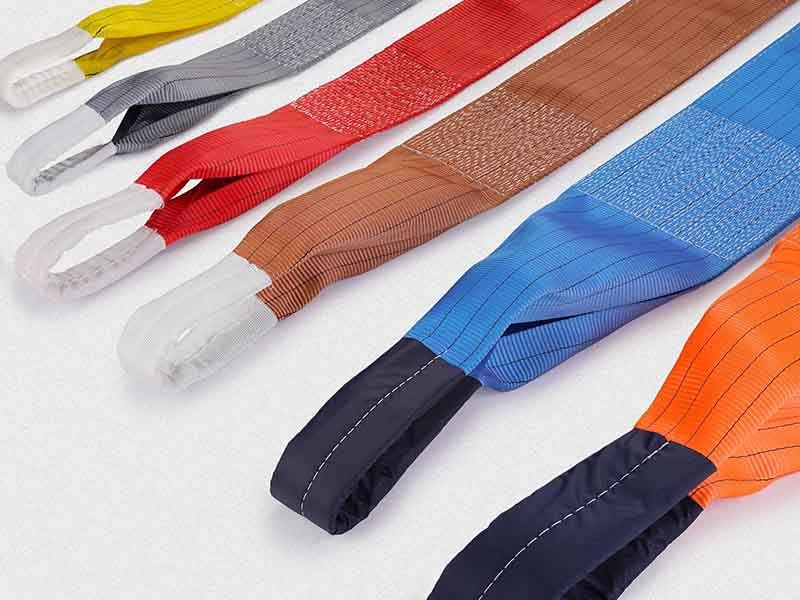
In an era where versatility meets performance, the tactical belt has evolved from purely military gear to an everyday essential for outdoor enthusiasts, law‑enforcement officers, and EDC (Everyday Carry) aficionados. Whether you’re carrying holsters, pouches, or simply securing your pants, a well‑designed tactical belt provides stability, comfort, and quick adaptability. Yet, despite its ubiquity, many users struggle to harness its full potential—leading to discomfort, slippage, or even gear loss when it matters most.
A tactical belt is a reinforced, adjustable belt constructed from high‑strength webbing and robust buckles, designed to carry additional gear securely while maintaining comfort. By choosing the right material, ensuring proper fit, threading through belt loops correctly, and performing regular maintenance, you can maximize stability and longevity—whether you’re on duty, on a hike, or simply on the go.
Picture this: you’re on a pre‑dawn patrol, flashlight in one hand, radio clipped to your belt, and every move matters. That subtle shift of your belt could mean dropped gear or a failed firearm draw—moments you can’t afford. Let’s dive into mastering your tactical belt’s full potential.
What Is a Tactical Belt and Why Should You Use One?
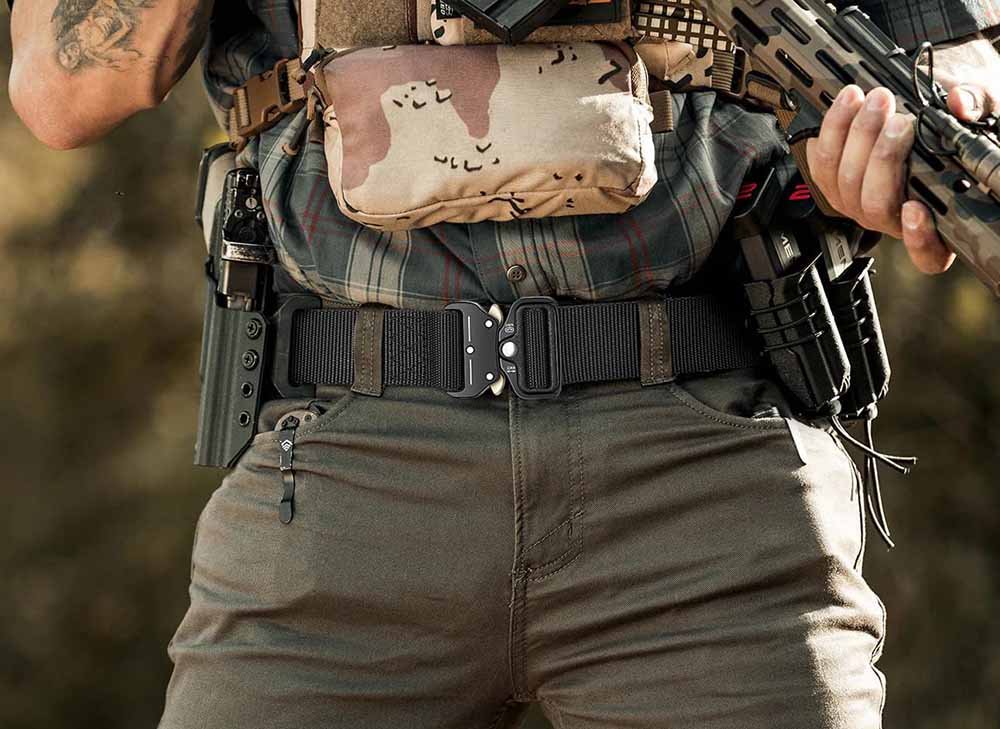
A tactical belt is a heavy‑duty, adjustable belt made from reinforced webbing or leather, designed to support extra pouches, holsters, and tools without sagging. Unlike regular belts, tactical belts distribute weight evenly, resist abrasion, and often feature quick‑release buckles—making them ideal for military, law enforcement, outdoor activities, and EDC setups.
Tactical belts differ significantly from standard fashion belts, offering specialized features that cater to demanding applications:
Construction & Materials:
- Webbing: Most tactical belts use 1.5″ to 2″ nylon or polyester webbing with a high tensile strength (1,500–5,000 lbs break strength). Some premium models incorporate polypropylene (PP) or ballistic nylon for extra abrasion resistance.
- Support Inserts: Many belts include an internal stiffening strip—usually plastic or metal—that prevents sag and roll‑over when loaded. This “inner core” maintains belt shape under weight.
Buckle Systems:
- Quick‑Release Buckles: Aluminum or steel buckles with side‑release or push‑button mechanisms allow fast don/doff—crucial for tactical scenarios or medical emergencies.
- Adjustable Slide‑Through Buckles: Provide micro‑adjustments and can be hidden under layers for civilian wear.
Load‑Bearing Capacity:
- Tactical belts often support modular pouches (PALS/MOLLE), holsters, magazine pouches, and medical kits. The belt’s ability to carry 5–10 lbs of gear without sag is essential for comfort and accessibility.
Comfort & Ergonomics:
- Padding: Some belts include a padded inner layer (neoprene or mesh) to reduce pressure points.
- Ergonomic Shape: Contoured belts follow the curvature of the hips, reducing chafing and improving load distribution.
Versatility Across Applications:
- Military & Law Enforcement: Rapid equipment access, durability in harsh environments, and uniform compliance.
- Outdoor & Hiking: Carrying knives, water bottles, GPS devices, or small packs—while maintaining a slim profile.
- EDC & Civilian Use: Discreet carry options under clothing, quick‑release for emergencies, and stylish buckles.
By understanding what defines a tactical belt—its materials, buckles, and load‑bearing design—you can appreciate why it’s a game‑changer compared to standard belts. Next, let’s explore how to select the ideal materials and features for your specific needs.
Which Materials and Features Should You Look for in a Tactical Belt?
Choose a tactical belt made from robust nylon, polyester, or polypropylene webbing with a weighted support insert. Look for quick‑release or friction‑lock buckles in aluminum or steel, MOLLE/PALS compatibility, and optional padding for comfort. Features like water‑resistance, UV‑stability, and anti‑microbial coatings further extend belt life.
When evaluating tactical belt materials and features, consider the following critical factors:
Webbing Material Properties:
- Nylon: Offers high tensile strength (>5,000 psi), excellent abrasion resistance, and moderate UV stability. Best for heavy loads and frequent use. However, nylon can absorb moisture (up to 5% weight increase), potentially causing mild stretch when wet.
- Polyester: Features low moisture absorption (<0.5%), high UV resistance, and good abrasion performance. Polyester belts maintain tension and shape better outdoors but may feel slightly stiffer than nylon.
- Polypropylene (PP): Lightweight and cost‑effective, PP webbing has low stretch and moisture absorption, but reduced UV and abrasion resistance compared to nylon and polyester. Suitable for budget or low‑load applications.
Support Inserts & Stiffeners:
- Plastic Core (HDPE or PP): Provides rigidity, prevents sag, and allows the belt to hold pouches in place.
- Metal Core (Aluminum or Spring Steel): Offers superior stiffness for extremely heavy loads but increases belt weight. Ideal for law‑enforcement duty belts carrying firearms, batons, and radios.
Buckle Mechanisms:
- Quick‑Release Metal Buckles: Usually CNC‑machined aluminum or stainless steel—lightweight yet durable. Side‑release buckles allow one‑handed operation.
- Friction‑Lock Buckles: Steel or zinc alloy buckles use a sliding bar to pinch webbing—providing infinite adjustment points and virtually no slip under load.
- Ratcheting Buckles: Mechanical advantage buckles with tiny teeth for ultra‑fine tensioning. They’re less common but prized by precision shooters and rescue teams.
Attachment Compatibility:
- MOLLE/PALS Webbing: Enables direct mounting of compatible pouches and accessories. Look for 1″ or 1.5″ stitched ladder‑racks at the belt’s exterior.
- D‑Ring & O‑Ring Points: Provide anchor points for carabiners, lanyards, or clip‑on tools.
Additional Features:
- Padding & Lining: Neoprene or 3D mesh layers wick moisture, cushion pressure points, and reduce belt chafing during extended wear.
- Coatings: Anti‑microbial or water‑repellent treatments extend belt hygiene and resilience. Some manufacturers apply Teflon™ coatings to repel oils and stains.
- Color & Camo Patterns: Tactical belts come in a spectrum of colors—black, coyote tan, olive drab—and camo prints for uniform matching or civilian style.
Materials & Features Comparison Table
| Material / Feature | Strength | UV Resistance | Water Absorption | Weight | Cost |
|---|
| Nylon Webbing | ★★★★★ | ★★★☆☆ | ★★☆☆☆ | Medium | $$ |
| Polyester Webbing | ★★★★☆ | ★★★★★ | ★★★★☆ | Medium | $$ |
| Polypropylene Webbing | ★★☆☆☆ | ★★☆☆☆ | ★★★★★ | Light | $ |
| Plastic Core Stiffener | ★★★☆☆ | N/A | N/A | Light‑Medium | $ |
| Metal Core Stiffener | ★★★★★ | N/A | N/A | Heavy | $$ |
| Quick‑Release Metal Buckle | ★★★★★ | ★★★★★ | — | Light‑Medium | $$$ |
| Friction‑Lock Buckle | ★★★★☆ | ★★★★☆ | — | Medium | $$ |
| Padding (Neoprene/Mesh) | N/A | N/A | ★★★★☆ | Adds Weight | $ |
By pinpointing the materials and features that align with your environment and load requirements, you’ll ensure your tactical belt performs reliably under duress. Next up: how to choose the right size and fit for maximum comfort.
How Do You Choose the Right Size and Fit for a Tactical Belt?
Measure your waist or hips where you’ll wear the belt (above pants’ top). Choose a belt size 2–4 inches larger than your clothing waist size to accommodate gear. Ensure the belt sits level, doesn’t roll under load, and allows full breathing expansion. Adjustable buckles and micro‑adjust slots help fine‑tune fit.
Proper sizing is the foundation of comfort and functionality. An ill‑fitting belt can slip, pinch, or impede movement—negating the benefits of high‑quality materials and buckles. Follow these guidelines:
Measuring Your Body:
- Waist vs. Hips: For duty belts, measure at the hips (over belt loops) rather than natural waist. For EDC or casual use, waist measurement suffices.
- Clothing Layering: Account for layers—uniform pants, duty pants, or sweatpants. Measure over the thickest expected garment.
Sizing Recommendations:
- Belt Size = Clothing Measurement + 2–4″: If your pants are 34″ waist, select a 36–38″ tactical belt to allow wrap‑around webbing and mounting space for pouches.
- Belt Loops & Stitching Tolerance: Ensure belt loops on pants accommodate the 1.5–2″ belt width without binding or tearing loops.
Adjustability Features:
- Micro‑Adjust Slots: Some friction‑lock belts feature multiple slots for fine adjustments in ¼″ increments. Ideal for hot climates where waist can expand.
- Velcro® Inner Liners: Two‑piece padded belts often use Velcro® to secure inner and outer layers—allowing quick size changes even mid‑shift.
Fit Testing:
- Load Simulation: Before duty or hike, mount your typical gear (holster, magazines, pouches) and walk, squat, or run in place. The belt should remain stable, without sagging or rolling.
- Breathing & Comfort: Tighten until stable, then loosen slightly to allow comfortable breathing and bending.
Common Fit Issues & Solutions:
- Sagging Under Load: If belt sags, consider a belt with a stiffer core or metal stiffener.
- Pinching or Chafing: Add a padded liner or switch to a contoured belt shape.
- Buckle Interference: Ensure buckle design doesn’t dig into hip bones—switch to flat profile buckles if needed.
Sizing Table Example
| Clothing Waist (″) | Recommended Belt Size (″) | Notes |
|---|
| 30–32 | 32–36 | Slim builds, minimal layering |
| 33–34 | 36–38 | Standard duty wear |
| 35–38 | 38–40 | Extra layering or padding |
| 39–42 | 40–44 | Larger builds, heavy gear load |
| 43+ | Custom sizing | Contact supplier for bespoke |
Selecting the correct size and fit transforms a tactical belt from a mere accessory into an extension of your body’s mobility and gear management system. Next, let’s walk through the proper threading and securing techniques.
How Do You Properly Thread and Secure a Tactical Belt for Stability?
Thread the belt through your pants’ loops, ensuring the core stays flat. Pass the free end through the buckle’s back bar, wrap under the inner core, then feed through the front bar. Tighten until snug and secure the tail with keepers or Velcro®. For quick‑release buckles, insert both webbing ends, clip together, then tension by pulling the free tail.
Correct threading and securing prevent slippage, maintain tension, and allow quick adjustments. Follow these steps:
Basic Friction‑Lock Belt Threading:
- Step 1: Unfasten buckle; lay belt around your waist or hips so the support core faces outward.
- Step 2: Slide the belt end through the pants’ belt loops from left to right (for right‑handed draw) or vice versa.
- Step 3: Feed the belt’s webbing tail under the buckle’s back bar (the bar closest to the wearer), then over the inner core, and finally through the front bar. This “over‑under‑over” path locks the webbing under friction.
- Step 4: Pull the free tail until snug, securing the belt around your body. Use Velcro® or elastic keepers to wrap the leftover tail neatly.
Quick‑Release Buckle Threading:
- Step 1: Attach male and female buckle halves to the webbing ends.
- Step 2: Thread the male side webbing through pants’ loops and the female side webbing similarly—both should form a continuous loop.
- Step 3: Clip the two buckle halves together at your preferred front point.
- Step 4: Tighten by pulling the free tail; release quickly by depressing the latch.
Ensuring Flat Core Orientation:
- Many belts have a marked inner side—ensure the stiffening core sits between you and the gear. This prevents the belt from scooping under heavy pouches.
Using Keepers & Pouches:
- Elastic Keepers: Slide over the free tail to hold it flat against the belt.
- MOLLE Keepers: Thread through PALS webbing on pouches to lock them in place and prevent shifting.
Lock‑Down Techniques for Heavy Gear:
- Double‑Wrap Method: After initial tension, loop the tail back through the front bar and tension again. This adds friction and prevents gradual loosening.
- Safety Cable: A small paracord tether can attach the free tail to the belt D‑ring—guaranteeing no accidental unraveling.
Troubleshooting Slippage:
- If friction‑lock belts slip under load, check for grit or oils on bars—clean metal surfaces regularly.
- For repeated slippage, consider an upgraded buckle with serrated bars or a ratcheting system.
Mastering belt threading ensures your gear remains exactly where you place it—critical for split‑second access. Next, let’s examine where and how tactical belts shine across different scenarios.
What Are the Key Uses of a Tactical Belt in Different Settings?
Tactical belts excel in military/law‑enforcement (holsters, mags), outdoor/hiking (knives, water bottles, GPS), EDC (multi‑tools, flashlights), construction (tool pouches, safety gear), and emergency response (medical kits, radios). Their modular design and load capacity make them indispensable across professions and hobbies.
Tactical belts’ adaptability stems from their modularity, durability, and capacity. Let’s explore five major applications:
Military & Law Enforcement:
- Duty Belt Setup: Combines a nylon or leather inner belt (for comfort) with an outer tactical belt (for gear). Officers mount holsters, magazine pouches, handcuff cases, and medical kits—totaling 10–20 lbs of equipment.
- Quick‑Release in Emergencies: Side‑release buckles enable rapid equipment drop or self‑extrication if snagged. Buckles rated for 3,000–5,000 lbs ensure reliability even under direct fire exposure.
Outdoor & Hiking:
- Lightweight Carry: Attach small pouches for knives, compasses, firestarters, or multi‑tools. A tactical belt adds minimal bulk compared to a full backpack for short trails or bushcraft activities.
- Hydration Integration: Some designs allow clip‑on water bottle holders or integrated hydration‑pack buckles—ideal for quick sips on the move.
Everyday Carry (EDC):
- Subtle EDC Belt: Slim friction‑lock belts with hidden carry holsters for small pistols or pepper spray. Quick‑release buckles are concealed under clothing but accessible when needed.
- Modular Pouches: Clip on wallet pouches, flashlight carriers, or phone holsters—transforming a belt into a wearable organizer.
Trade & Construction:
- Tool Belt Conversion: Swap standard tool belt for a tactical belt outfitted with hardened nylon or leather pouches—reducing weight and improving mobility.
- Safety Gear Mounts: D‑rings for lanyards, carabiners for securing tools at heights, and reflective webbing strips for visibility in low light.
Emergency & Medical Response:
- Trauma Kits: Attach quick‑release medical pouches containing tourniquets, bandages, and chest seals. Velcro® strap loops ensure pouches stay upright and accessible.
- Radio & Light Mounts: Secure comms devices and chem‑lights on the belt’s front or side for unobstructed reach.
Application Comparison Table
| Setting | Typical Gear Load | Belt Type | Key Feature |
|---|
| Military/Law Enforcement | 10–20 lbs | Dual‑Layer Duty | Quick‑release; MOLLE |
| Outdoor/Hiking | 2–5 lbs | Single‑Layer | Lightweight; hydration clips |
| EDC | 1–3 lbs | Slim Friction | Concealable; micro‑adjust |
| Construction | 5–15 lbs | Heavy‑Duty | Tool pouch rails; D‑rings |
| Medical Response | 3–8 lbs | Quick‑Release | Rapid drop; upright pouches |
Across these diverse scenarios, tactical belts prove their worth by offering customizable load management, rapid access, and durable performance—attributes that standard belts simply cannot match. Next, we’ll cover how to maintain and care for your tactical belt to ensure years of reliable use.
How Do You Maintain and Care for Your Tactical Belt?
Inspect webbing and buckles regularly for wear, clean with mild soap and water, air‑dry away from sunlight, and store flat or hung in a cool, dry place. Lubricate metal buckles with silicone spray and replace any damaged components immediately to maintain belt integrity and performance.
Routine maintenance preserves both function and lifespan:
Regular Inspections:
- Webbing Checks: Look for frays, cuts, or UV‑induced brittleness. A 10% fiber loss can reduce webbing strength by up to 30%.
- Buckle Function: Test quick‑release latches, friction bars, and ratchet teeth for smooth operation and full engagement.
- Stitching Integrity: Verify that box‑X and bar‑tack stitches remain tight—any loose threads signal the need for reinforcement.
Cleaning Procedures:
- Mild Detergent Wash: Remove dust, oils, and sweat with warm water and gentle soap. Avoid harsh solvents or bleach, which degrade synthetic fibers.
- Rinse & Dry: Thoroughly rinse to eliminate soap residues. Air‑dry flat or hung—direct sunlight accelerates UV damage.
Buckle & Hardware Care:
- Silicone Lubrication: Light sprays on friction buckles and metal pivots prevent rust and ensure consistent operation.
- Rust Prevention: For steel components, apply a thin film of corrosion inhibitor if used in marine or humid environments.
Storage Best Practices:
- Flat or Loosely Coiled: Prevent creases and kinks in the webbing.
- Climate Control: Store at 40–80 °F (4–27 °C) with <60% humidity. Extreme temperatures and moisture can compromise webbing elasticity and stitching.
Component Replacement:
- Modular Design Advantage: Because tactical belts are modular, you can replace only the worn buckle or section of webbing—extending the belt’s overall service life.
- Spare Parts Kits: Keep extra buckles, D‑rings, and keepers on hand for field repairs.
Record‑Keeping & Rotation:
- For professional users (military, LE), log belt usage hours and maintenance dates. Rotate belts every 12–18 months or after 500 hours of active duty.
By embedding these maintenance habits into your routine, you’ll safeguard both safety and performance—preventing in‑field belt failures that could cost time, money, or even lives. Lastly, let’s examine common mistakes users make and how to avoid them.
What Are Common Mistakes to Avoid When Using a Tactical Belt?
Avoid over‑tightening (which restricts movement and circulation), incorrect threading (causing slippage), ignoring wear signs, mixing incompatible materials, and neglecting maintenance. Use proper tools for adjustment, test load‑bearing before critical use, and follow manufacturer care instructions to prevent premature failure.
Even the best tactical belt can fail if misused. Here’s how to steer clear of pitfalls:
Over‑Tightening:
- Symptoms: Restricted breathing, hip pain, or pressure sores.
- Solution: Tighten until stable, then back off ¼″. Ensure you can slide a flat hand between belt and body.
Incorrect Threading:
- Symptoms: Belt slowly loosens under load or jerks suddenly.
- Solution: Follow manufacturer’s “over‑under‑over” path or quick‑release instructions meticulously. Verify flat core orientation.
Neglecting Wear Indicators:
- Symptoms: Frayed webbing edges, rust spots on buckles, or loose stitches.
- Solution: Inspect monthly; replace or repair components immediately—modular belts allow easy part swaps.
Mixing Incompatible Gear:
- Symptoms: Pouches slip, buckles jam, or webbing rubs against rough edges.
- Solution: Use MOLLE‑compatible pouches and smooth‑edge hardware. Avoid clipping heavy metal gear directly to webbing.
Skipping Maintenance:
- Symptoms: Silent degradation—brittle webbing or seized buckles.
- Solution: Adhere to the cleaning and lubrication schedule outlined above. Log maintenance actions if used professionally.
Ignoring Environmental Factors:
- Symptoms: UV‑bleached webbing, salt‑corroded buckles, or mold in humid climates.
- Solution: Choose materials rated for your environment—UV‑stabilized polyester for sun, stainless steel hardware for saltwater, antimicrobial coatings for humid zones.
Using Fashion Belts as Substitutes:
- Symptoms: Rapid belt failure under load.
- Solution: Always use a purpose‑built tactical belt—standard belts lack support inserts, buckle strength, and load‑bearing capacity.
By remaining vigilant against these common mistakes, you ensure that your tactical belt remains a reliable partner—whether you’re on duty, on trail, or on the job site.
Conclusion
A tactical belt is far more than a piece of webbing—it’s a mission‑critical platform for carrying essential gear securely and comfortably. From selecting the right materials and fit to mastering threading techniques and maintenance routines, each step contributes to peak performance. Avoiding common pitfalls—like over‑tightening or neglecting wear—further extends belt life and reliability.
Ready to customize your own high‑performance tactical belt? With 18+ years of expertise, Szoneier offers low MOQs, rapid prototyping, free design support, and global shipping. Whether you need nylon, polyester, or PP webbing—plus quick‑release buckles, MOLLE compatibility, and padded liners—we’ve got you covered.