From Inquiry to Delivery

What Is Patterned Webbing: A Complete Guide

When you think about webbing, it might be easy to imagine simple black straps on a backpack or generic utility belts. But step into the world of patterned webbing, and you’ll find a vibrant, high-performance design element that’s transforming industries—from fashion and pet products to outdoor gear and safety applications.

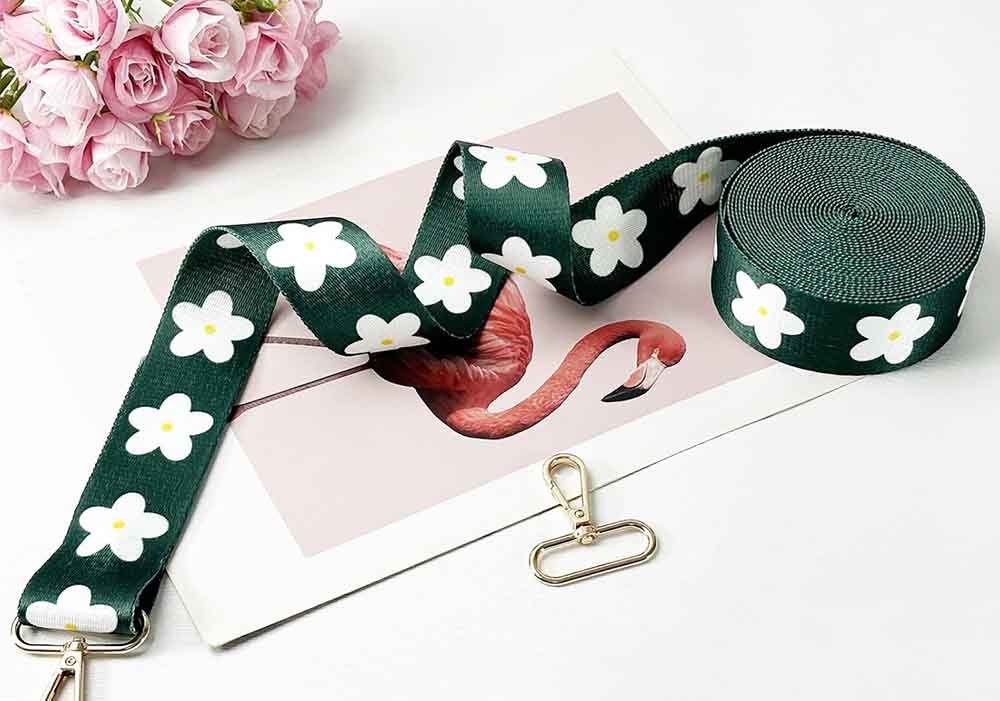
Patterned webbing is a customized textile tape or strap that incorporates colorful designs, brand logos, or functional markings using various techniques like jacquard weaving, sublimation printing, and heat transfer. It combines visual appeal with industrial strength, making it ideal for businesses that want their products to stand out while performing reliably.

From startup pet brands looking to add flair to their dog leashes to outdoor gear companies integrating logos into shoulder straps, patterned webbing has become the silent hero in many product categories. And the best part? It’s not just about looks—it’s a strategic branding and performance tool. Let’s explore how.

What Is Patterned Webbing and How Is It Different from Plain Webbing?

Patterned webbing is decorative and functional webbing that features woven or printed designs, unlike plain webbing which has a solid color and uniform texture.

The Basics of Webbing

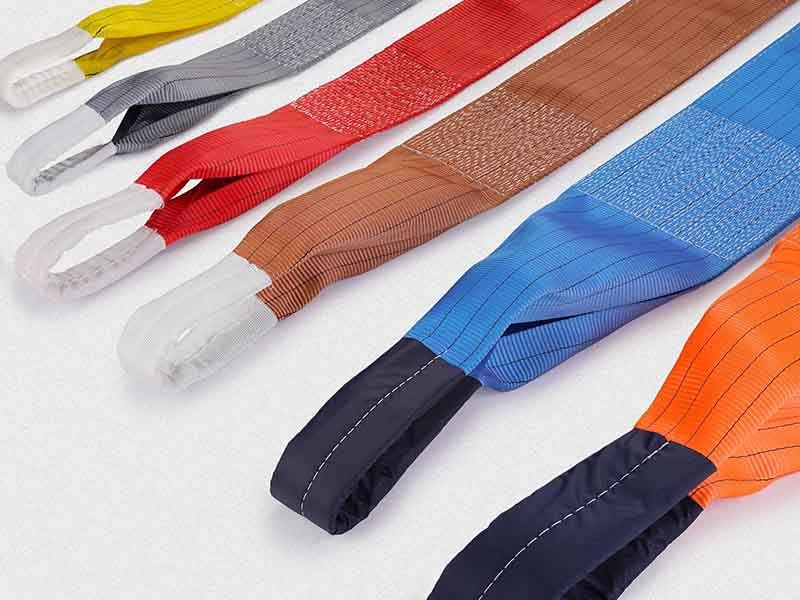
Plain webbing serves basic functional needs like strength and utility but lacks any visual branding or aesthetic element. Patterned webbing, on the other hand, adds a layer of personality, making products instantly recognizable and aligned with brand identity.

Branding Meets Functionality
  • 83% of consumers say branding influences their buying decisions—patterned webbing makes your product more memorable.
  • Adds perceived value and professionalism to the final product.
  • Enables color and logo coordination with the rest of your product line.
Materials and Construction

Patterned webbing can be crafted from:

  • Nylon for strength and high-resolution jacquard weaves.
  • Polyester for vivid sublimation prints.
  • Cotton for eco-conscious or natural-feel items.
  • PP (Polypropylene) for budget-friendly applications.

Which Types of Patterns Are Most Popular in Custom Webbing?

Popular pattern types include jacquard woven designs, sublimation prints, heat transfers, and logo-specific graphic patterns tailored for brand visibility.

Jacquard Woven Patterns
  • Design is woven into the fabric, not printed.
  • Maintains structure even with heavy use and washing.
  • Common in military-grade products, fashion accessories, and pet gear.
  • MOQ: Typically 300–500 meters.
Sublimation Printing
  • Transfers high-resolution images into the fabric—ideal for complex graphics.
  • Best used on polyester.
  • Offers color gradation and photo-realistic results.
  • Lower MOQ: 100–300 meters.
Heat Transfer Graphics
  • Flexible application of designs without special looms.
  • Not embedded like jacquard, so better for short-term branding.
  • Works on various base fabrics, especially when color fastness is not critical.
Embroidered and Appliqué Styles
  • Adds 3D effect and texture.
  • Frequently used in limited-edition fashion or pet items.
  • Labor-intensive but premium in appearance.
Pattern TypeDurabilityPrint QualityMOQ FriendlyAverage Cost/meter
Jacquard Woven⭐⭐⭐⭐⭐⭐⭐Medium$1.50–$3.00
Sublimation Printed⭐⭐⭐⭐⭐⭐⭐⭐High$0.80–$1.50
Heat Transfer⭐⭐⭐⭐⭐⭐High$0.70–$1.20
Embroidery⭐⭐⭐⭐⭐⭐Low$2.50–$4.00

How Is Patterned Webbing Manufactured? (Weaving vs Printing)

Patterned webbing is made using two main methods: weaving designs directly into the webbing (e.g. jacquard) or printing graphics on it through sublimation or heat transfer.

Jacquard Weaving
  • Involves pre-programming complex patterns into looms.
  • Uses different colored yarns to form the design.
  • Strongest and most durable method.
  • Great for permanent branding with no fading.
Sublimation Printing
  • Artwork is printed on transfer paper.
  • Heat and pressure infuse the dye into the fabric.
  • No additional layer, so doesn’t crack or peel.
  • Colorfast and soft to the touch.
Heat Transfer Vinyl (HTV)
  • Layers a printed film on top of the webbing.
  • Lower durability than sublimation.
  • Faster for short-run promotional products.
MethodIdeal MaterialDesign ComplexityDurabilitySample Lead Time
Jacquard WeavingNylon/PolyesterMedium–High⭐⭐⭐⭐⭐7–15 days
Sublimation PrintPolyesterHigh⭐⭐⭐⭐3–7 days
Heat TransferPolyester/NylonHigh⭐⭐⭐2–5 days

Do Different Materials Affect the Look and Performance of Patterned Webbing?

Yes, different materials influence the appearance, durability, and cost of patterned webbing, with nylon, polyester, PP, and cotton being the most used.

Nylon
  • Glossy finish and exceptional tensile strength (avg. 450–900kg).
  • Ideal for jacquard weave due to fiber integrity.
  • Slightly more expensive than polyester.
Polyester
  • Matte surface with excellent sublimation printability.
  • Tensile strength: 300–800kg depending on thickness.
  • More resistant to UV and moisture than nylon.
Polypropylene
  • Good for cost-effective products.
  • Doesn’t absorb moisture, but colorfastness is lower.
Cotton
  • Used when natural look/feel or sustainability is a priority.
  • Tends to wear faster and has lower strength ratings (200–400kg).
MaterialStrength (kg)Print QualityCost/meterIdeal Use
Nylon450–900Woven only$1.50–$3.00Leashes, tactical gear
Polyester300–800Excellent$0.80–$1.50Bags, fashion, promo straps
PP250–600Fair$0.50–$0.90Basic utility straps
Cotton200–400Poor$1.20–$2.50Eco or lifestyle brands

What Customization Options Do Manufacturers Like Szoneier Offer?

Szoneier offers a wide range of customizations including pattern type, color matching, logos, widths, finishes, and packaging formats.

Size & Width
  • 10mm–100mm standard range
  • Tensile strength increases with width
Colors & Pantone Matching
  • Support for Pantone color libraries
  • Consistency within ±3 Delta E (industry color deviation standard)
Logo Application Methods
  • Jacquard weaving (best for long-term use)
  • Sublimation printing (best for detailed logos)
  • Reflective or metallic finishes available
End Product Options
  • Supplied in rolls (100m/roll)
  • Pre-cut to size
  • Assembly with hardware (D-rings, adjusters, side release buckles)

Are There Industry-Specific Applications for Patterned Webbing?

Yes, patterned webbing is used across industries such as fashion, pet gear, outdoor equipment, luggage, safety products, and tactical gear.

Pet Products
  • 70% of leash brands now use patterned designs
  • Nylon jacquard preferred for anti-fray durability
Fashion Accessories
  • Adds visual edge to streetwear, backpacks, belts
  • Used in collaborations with design brands (e.g., Off-White, Adidas)
Outdoor & Camping Gear
  • Patterned straps in hiking gear, camping accessories, and tents
  • Weather-resistant webbing adds function and flair
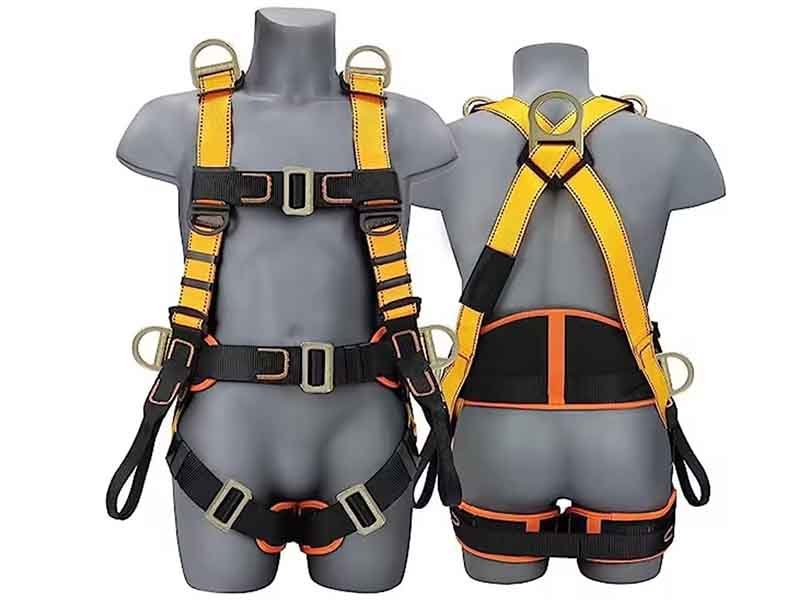
Safety & Tactical Gear
  • ANSI and military-standard pattern coding
  • Reflective prints for visibility in low light
Promotional Items
  • Branded lanyards, camera straps, festival wristbands
  • Low cost, high impact for brand awareness

Is Patterned Webbing Durable Enough for Heavy-Duty or Commercial Use?

Yes, especially when woven patterns or industrial polyester materials are used, patterned webbing can support heavy-duty loads and outdoor conditions.

Performance Benchmarks
  • ISO-tested load capacity from 300kg to over 1000kg
  • Resistance to 30,000+ abrasion cycles in lab tests
Special Treatments Available
  • Anti-mildew for marine use
  • Flame-retardant finishes for military/tactical applications
  • Antibacterial coatings for pet or medical straps
Common Use Cases
  • Dog leashes (400–600kg tensile)
  • Climbing gear (800–1200kg tensile)
  • Tactical belts and vests (mil-spec compliant)

How Can You Find a Reliable Patterned Webbing Supplier in China?

Look for manufacturers with in-house design, sampling, testing, and full-scale production capabilities—like Szoneier. Check for certifications, MOQ flexibility, and client references.

Factory Capabilities Checklist
  • Can they handle jacquard, sublimation, and HTV?
  • Do they have their own testing lab?
  • Do they offer free design and sampling?
Ask These Before Ordering:
  • “Can you replicate this Pantone code exactly?”
  • “What’s your max width and load rating for this design?”
  • “Can I get a physical sample before full production?”
Why Choose Szoneier?
  • Over 18 years of webbing experience
  • 7–10 day sample delivery
  • MOQ starting from just 300 meters
  • Exporting to 20+ countries including the US, Canada, Germany, and Japan

Conclusion:

If you’re a brand, retailer, or product designer looking to integrate visual identity into functional components, patterned webbing is your go-to solution. Whether you need eco-friendly cotton lanyards or heavy-duty nylon dog leashes with high-resolution logos, Szoneier delivers both style and substance.

We help you design, prototype, and produce fully customized webbing products with fast turnarounds and low MOQs. Our experts are ready to assist with everything from raw material selection to final packaging.

Contact Szoneier today to start your custom webbing project—because your brand deserves to be seen and felt.

Make A Sample First?

If you have your own artwork, logo design files, or just an idea,please provide details about your project requirements, including preferred fabric, color, and customization options,we’re excited to assist you in bringing your bespoke bag designs to life through our sample production process.
Ask For A Quick Quote

Looking for premium custom webbing? Contact us now for competitive pricing, free samples, and expert consultation. Fill out the form below, and our team will get back to you within 24 hours!