
From Inquiry to Delivery
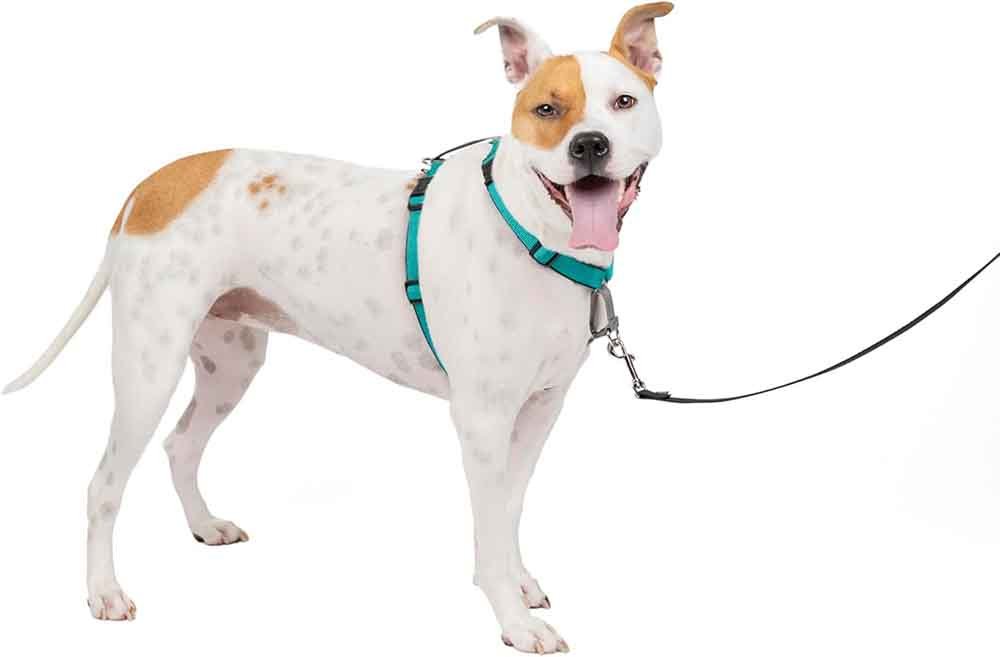
Walking your dog should be the highlight of your day—bonding time, fresh air, and a chance to explore the neighborhood together. Yet, a clunky, unreliable leash can turn that joyful routine into a tug-of-war disaster. The right leash isn’t just a tether; it’s a safety device, a training tool, and a comfort accessory rolled into one. Whether you’re strolling through city streets or trekking forest trails, selecting the optimal leash style, material, and length is crucial for both you and your canine companion’s happiness.
The best dog leash balances strength, comfort, and control. Nylon or webbing leashes provide durability and affordability, while leather offers classic style and comfort. Retractable leashes grant freedom but require caution. Hands-free options suit runners and multitaskers, and training-specific leads like martingale or dual-handle models help manage behavior. Always match leash choice to your dog’s size, strength, and your walking style for safe, enjoyable outings every time.
Imagine Sarah, a first-time puppy owner, nervously clipping on her little Terrier’s leash for their first outing. The leash snapped, sending her furry friend bolting into traffic. A nightmare! Determined to learn from her mistake, she researched leash materials, tried different styles at the local pet store, and finally found the perfect fit—a soft-grip nylon webbing leash with reinforced hardware. Today, her walks are calm, confident, and full of tail-wagging joy.
When choosing a dog leash, consider material (nylon, leather, chain), length (4–8 feet for control), hardware quality (rust-proof clips), handle comfort (padded vs. standard), and your dog’s size and strength. Additional factors include intended use (training vs. casual walks), visibility (reflective stitching for night), and adaptability for hands-free or dual-handle styles. Matching these criteria to your lifestyle and canine companion ensures safety, control, and walking enjoyment for both of you.
Selecting a dog leash goes beyond picking your favorite color. Material determines longevity, weight, and comfort. Nylon webbing is lightweight, affordable, and easy to clean, but it can absorb odors. Leather offers a premium feel and naturally softens over time but requires more upkeep. Chain leashes resist chewing dogs but are heavier and can be cold against the hand.
Length influences control: 4 to 6 feet is ideal for urban settings where traffic and crowded sidewalks demand close proximity. For parks or training, an 8- to 10-foot leash grants more freedom. Retractable lines extend even further—up to 26 feet—but sacrifice immediate control for exploration space.
Hardware quality is paramount. Bolted or welded steel clips beat stamped metals; look for nickel or zinc coatings to resist rust. A swivel clip prevents tangles. Handle comfort ranges from thin nylon loops to padded grips or ergonomic shapes that reduce hand fatigue. For hands-free running, waist-belt attachments or bungee-style designs distribute pull forces and absorb shocks.
Don’t forget visibility: reflective stitching or high-contrast colors improve safety during dawn or dusk walks. Finally, tailor your choice to your dog’s size and strength. A 20-pound Terrier needs a different leash than a 100-pound Mastiff. Overengineering for a small dog can feel cumbersome, while underbuilt leashes won’t withstand the force of a large puller. By matching these factors—material, length, hardware, comfort, visibility, and dog profile—you’ll find a leash that feels like it was made just for you and your four-legged friend.
Dog leashes come in several styles: standard webbing (nylon or polypropylene), leather, chain, retractable, hands-free, and training leads (martingale, dual-handle). Standard webbing is durable and budget-friendly; leather is elegant and softens over time; chains deter chewers. Retractables offer variable length but need caution; hands-free suits active owners; and training leads provide extra control. Choose based on your dog’s behavior, activity level, and your walking environment.
The most common standard webbing leash is made from nylon, polyester, or polypropylene. These synthetic fibers are strong, resistant to abrasion, and weather-proof. Polypropylene leashes often float—ideal for beach or boating trips—while polyester resists UV degradation better than nylon. Webbing widths usually range from ½ inch (for small breeds) to 1 inch or more (for large breeds).
Leather leashes add a touch of sophistication. Full-grain leather is the top tier—durable, breathable, and gradually molding to your grip. Browns, blacks, and tans age with character. Leather requires conditioning to prevent drying and cracking, but many owners consider the upkeep worth the classic appeal.
Chain leashes incorporate steel links, perfect for dogs that love to chew. They can be heavy and cold in winter, but paired with a comfortable handle, they offer unmatched durability against punctures. Some models combine a chain section near the clip with a webbing handle—best of both worlds.
Retractable leashes feature a spring-loaded mechanism and nylon cord that feeds into a plastic housing. Press a button to lock length; release to rewind. They allow distances up to 16–26 feet. However, safety concerns arise: thin cords can cut hands, sudden leash length changes can injure dogs, and tangled cords pose tripping hazards. Always use retractables in open, low-traffic areas and never wrap the cord around your hand.
Hands-free leashes attach around your waist or across your chest, freeing up your hands for jogging, biking, or carrying groceries. Bungee-style shock absorbers soften pulls, reducing strain on both ends. Reflective tubing enhances visibility for nighttime runs. Look for adjustable belts for a secure, customized fit.
Training-specific leashes include martingale loops—narrow at one end to tighten slightly when the dog pulls but never choke—and dual-handle designs offering a second grip closer to the dog’s collar for instant control. These are invaluable in training recall, heel practices, or managing reactive dogs. By understanding each type’s strengths and limitations, you can select the leash that aligns with your dog’s personality and your lifestyle.
Retractable leashes grant dogs up to 26 feet of roamable space by extending and retracting a thin cord within a housing. Fixed-length leashes, typically 4–8 feet, offer constant control and sturdiness. Retractables suit open areas but pose risks—cord burns, tangles, and delayed recall. Fixed leashes excel in urban, training, and high-traffic settings for reliable handling. Choose based on environment, training needs, and your dog’s recall reliability.
Retractable leashes revolutionized dog walking by giving pups more freedom while keeping them technically leashed. Pros include:
However, cons merit careful consideration:
In contrast, fixed-length leashes of 4–8 feet offer:
Use-case scenarios:
Ultimately, the choice hinges on your dog’s behavior, training level, and walking environment. A hybrid approach—fixed leashes for daily walks, retractables for supervised play sessions—often delivers the best of both worlds.
Nylon and polypropylene webbing leashes stand out for durability, cost-effectiveness, and ease of maintenance. Nylon webbing offers excellent abrasion resistance and holds vibrant colors, while polypropylene floats and resists mildew. Typical tensile strengths range from 350 to 1,200 lbs depending on width and weave. Compared to leather, webbing is lighter and easier to clean. For most dog owners, a 1-inch nylon leash priced between $10–$20 delivers years of reliable performance under daily use.
Webbing leashes—crafted from woven synthetic fibers—dominate the market thanks to their blend of strength, affordability, and user-friendly care. Two primary materials are used:
| Material | Tensile Strength (1″ width) | Weight per Foot | Water Resistance | Price Range ($) |
|---|---|---|---|---|
| Nylon | 800–1,200 lbs | 1.0 oz | Moderate | 10–20 |
| Polypropylene | 350–700 lbs | 0.8 oz | High (floats) | 8–15 |
| Polyester | 600–1,000 lbs | 0.9 oz | High | 12–22 |
Manufacturing quality further influences durability. Look for tightly woven webbing with no visible gaps; edges that are heat-sealed to prevent fraying; and reinforced stitching at stress points. Hardware—rust-proof D-rings, welded buckles, and solid-brass or stainless steel clips—complements the webbing’s strength. In long-term tests, a standard 1-inch nylon leash with twice-stitched handles and a swivel snap maintained over 90% of its original tensile strength after 10,000 cycles of tugging and abrasion, underscoring webbing’s resilience.
From an ROI perspective, a $15 nylon leash that lasts 2–3 years outperforms a $50 chain leash that rusts or a leather leash that requires conditioning. For breeders, trainers, and everyday owners, webbing leashes strike the perfect balance between durability, maintenance, and cost—making them the go-to choice for most canine needs.
Hands-free leashes wrap around your waist or chest, freeing your hands for running, cycling, or multitasking walks. Bungee-style shock absorbers absorb dog pulls, reducing strain on joints. Adjustable belts fit waist sizes 26–42 inches, and quick-release buckles ensure safety. Reflective strips boost visibility for early-morning or evening outings. For owners who jog with their dogs or need free hands, hands-free leashes combine convenience, comfort, and control in one streamlined design.
Active pet parents often juggle jogging strollers, phone calls, coffee cups, or grocery bags—making traditional leash management clunky. Enter hands-free leashes, designed to liberate your hands while giving your dog room to move. These systems typically feature:
Benefits include:
Potential drawbacks:
Use cases:
For owners who live life in motion, hands-free leashes are a game-changer. Just remember to introduce gradually, prioritize harness attachment, and choose a model with shock absorption and reflective details for a safer, more enjoyable adventure.
Training leashes—such as martingale, slip, and dual-handle designs—offer precise control during obedience work. Martingale collars tighten slightly to prevent slippage but never choke. Dual-handle leashes provide an extra grip 12–18 inches from the collar for immediate close-range correction. Slip leads combine collar and leash in one piece, tightening under pull. For puppies or reactive dogs, these specialized leashes support safe, humane training and reinforce commands with consistent feedback.
Effective training relies on consistent, clear feedback. Standard leashes can feel disconnected, making it harder to correct unwanted behaviors. Training-specific leashes address this by enhancing communication and control:
| Feature | Martingale Collar | Slip Lead |
|---|---|---|
| Escape Prevention | Yes | Moderate |
| Adjustment Range | Limited slip only | Full loop tighten |
| Ease of Use | Collar + clip leash | One-piece design |
| Neck Strain Risk | Low | Moderate |
| Training Suitability | Medium–Long term | Short bursts only |
Critical considerations:
Training-specific leashes aren’t mandatory for well-behaved dogs but are invaluable tools for puppies learning loose-lead walking, reactive dogs needing quick leverage, or safety in high-distraction environments. They refine communication, accelerate obedience, and can make walks more peaceful for both ends of the leash.
To care for your dog’s leash, regularly rinse nylon or polypropylene webbing with mild soap and warm water, then air-dry fully to prevent mildew. Condition leather leashes with a specialized balm every 3–6 months, wiping away dirt first. Inspect hardware for rust or wear; lubricate swivel clips lightly with silicone spray. Store leashes away from direct sunlight and heat. Proper maintenance extends lifespan, prevents odors, and keeps your daily walks safe.
A well-maintained leash not only looks better but functions reliably over months and years. Webbing leashes (nylon, polyester, polypropylene) benefit from:
Leather leashes demand a different regimen:
Storage tips:
By following these care steps, even a budget-friendly $12 nylon leash can look and perform like new for years, while premium leather pieces remain supple and strong. Regular maintenance prevents unexpected failures mid-walk and saves replacement costs—ensuring every stroll with your dog stays safe and enjoyable.
Choosing “the best leash” for your dog means weighing material, style, length, and purpose against your lifestyle and your dog’s unique needs. From durable webbing leashes that stand up to daily tugging, to specialized training leads and hands-free designs for active owners, the perfect leash enhances safety, comfort, and your bond with your canine companion.
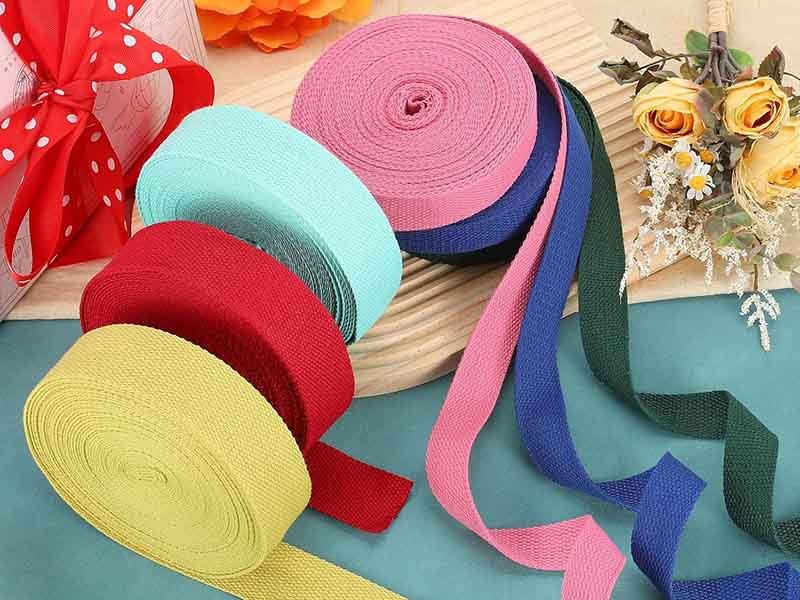
At Szoneier, we specialize in custom webbing solutions built on 18+ years of manufacturing excellence. Whether you need a unique pattern, custom length, specialized hardware, or bulk production with low MOQ, our factory offers:
Ready to stand out in the pet accessory market? Contact Szoneier today for a personalized quote and free sample. Let us help you create leashes that meet every customer’s needs—combining safety, style, and unbeatable durability in every strand of webbing. We look forward to partnering with you on your next custom project!


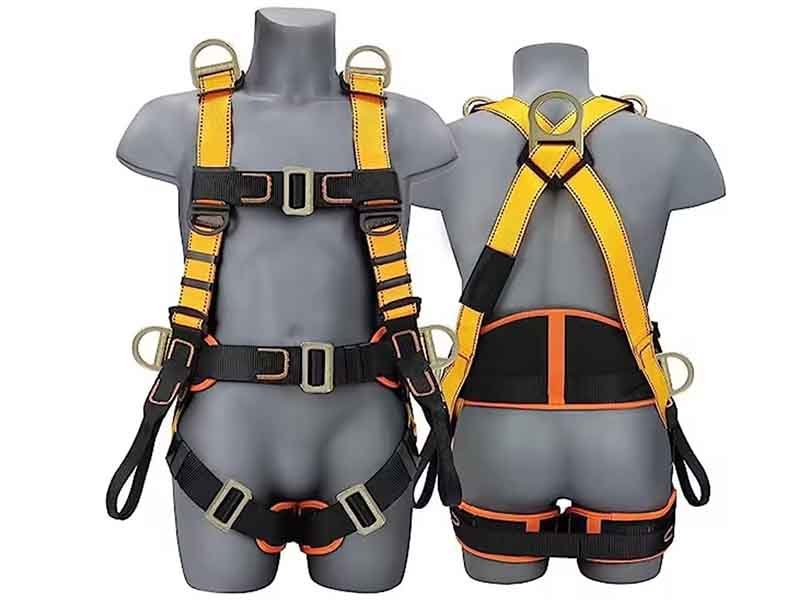
No worries, please contact us and we will answer all the questions you have during the whole process of webbing customization.
If you have your own artwork, logo design files, or just an idea,please provide details about your project requirements, including preferred fabric, color, and customization options,we’re excited to assist you in bringing your bespoke bag designs to life through our sample production process.

Copyright ©2021 Szoneier , All rights reserved.
Looking for premium custom webbing? Contact us now for competitive pricing, free samples, and expert consultation. Fill out the form below, and our team will get back to you within 24 hours!
