
From Inquiry to Delivery
Nylon, cotton, or leather—strapping materials come in many forms, but two synthetics stand head and shoulders above the rest: polyester and polypropylene. Whether you’re bundling pallets in a warehouse or securing holiday boxes at home, choosing the right strap can save you time, money, and headaches down the road. Polyester strapping offers superior strength and minimal stretch, while polypropylene excels in lightweight, cost-effective applications. From tensile ratings to UV resistance, we’ll dissect every angle, share real-world data, and even peek behind the curtain at how Szoneier crafts custom straps for global brands. Stick around—you’ll learn which material earns the crown for your next project (and why one marine supplier called us “life-saving” after a stormy season).
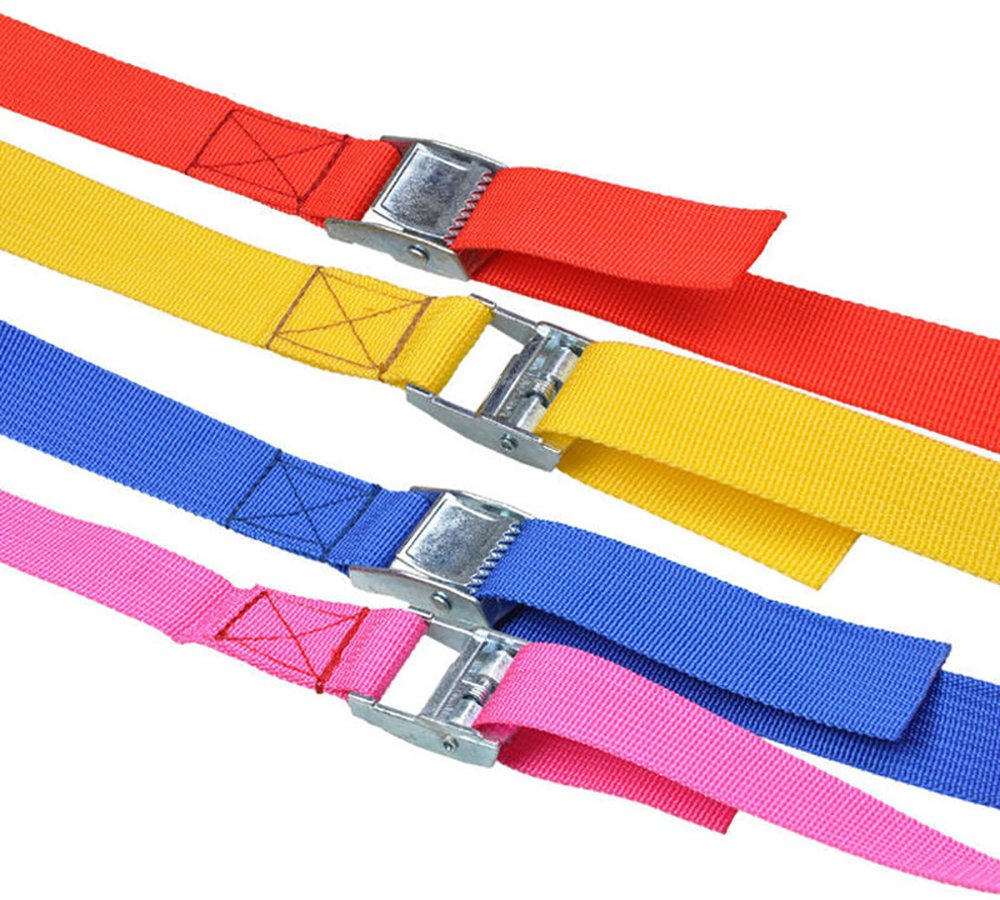
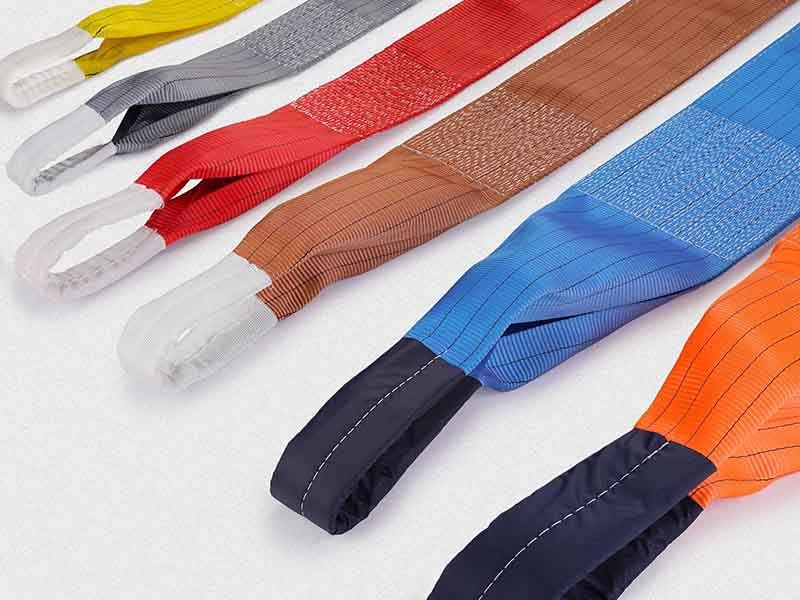
Polyester and polypropylene straps are flat, woven bands used to secure packages, pallets, and products. Polyester—made from polyethylene terephthalate (PET)—boasts high tensile strength and low stretch. Polypropylene—derived from propene monomers—is lightweight, cost-friendly, and buoyant, ideal for disposable or light-duty use.
Material Origins
Manufacturing Processes
Common Strap Formats
| Format | Polyester Typical Width | Polypropylene Typical Width | Typical Use Cases |
|---|---|---|---|
| Flat Strapping | 9–32 mm | 9–16 mm | Pallet unitizing, bundling |
| Woven Strap | 12–50 mm | 12–38 mm | Cargo lashings, tie-downs |
| Coiled Film | N/A | 6–12 mm | Lightweight bundling |
Global Demand & Trends
Polyester straps are woven or film-based bands made from PET polymer. They deliver high tensile strength (up to 5,000 lbs breakload for 32 mm widths), minimal elongation (2–4%), and excellent UV/weather resistance, making them ideal for heavy loads and outdoor applications.
Mechanical Properties
| Property | Typical Value |
|---|---|
| Tensile Strength (32 mm) | 3,500–5,000 lbs |
| Elongation at Break | 2–4% |
| Modulus of Elasticity | 3,000–3,500 MPa |
| Service Temperature | –40 °C to +80 °C |
Does polyester strapping stretch?
Weather & UV Resistance
Applications & Case Studies
Polypropylene straps are extruded, oriented film bands known for buoyancy, light weight (≈0.02 lbs/ft for 12 mm), and low cost (≈$0.40/yard). With tensile strengths up to 1,000 lbs and 20–30% stretch, they suit disposable or light-duty bundling.
Mechanical Properties
| Property | Typical Value |
|---|---|
| Tensile Strength (12 mm) | 500–1,000 lbs |
| Elongation at Break | 15–30% |
| Modulus of Elasticity | 1,200–1,500 MPa |
| Service Temperature | –20 °C to +60 °C |
Stretch Behavior
Chemical & Moisture Resistance
Applications & Anecdotes
The “best” strapping material hinges on load, environment, and budget. Use polyester for heavy, high-value, or outdoor loads; choose polypropylene for low-cost, lightweight, or disposable bundling. Match specs—tensile, elongation, chemical exposure—to application demands.
Decision Matrix
| Criteria | Polyester | Polypropylene |
|---|---|---|
| Load Capacity | High (up to 5,000 lbs) | Moderate (up to 1,000 lbs) |
| Elongation Control | Very Low (2–4%) | High (15–30%) |
| UV/Weather Durability | Excellent | Fair |
| Cost per Yard | $0.90–$1.50 | $0.35–$0.60 |
| Tooling Required | Specialty tensioners, seals | Hand tools or standard seals |
| Recyclability | High (PET recycling stream) | Moderate (mixed PP stream) |
Critical Questions
Real-World Cost Analysis
| Material | Strap Cost/Yard | Tooling Cost | Lifecycle Cost (per 1,000 loads) |
|---|---|---|---|
| Polyester | $1.20 | $500 | $1,800 |
| Polypropylene | $0.45 | $200 | $700 |
Polypropylene strapping excels in bundling lightweight goods like newspaper bales, textiles, cartons, and agricultural products. Its stretch absorbs impact, and buoyancy makes it useful for marine signal flags, pool covers, and floatable signage.
Industry Use Cases
Special Applications
Environmental Angle
Polyester strapping is the go-to for heavy pallets, steel coil bundling, drum packaging, and long-haul logistics. Its low stretch and high strength—plus weatherproof durability—guard freights from shifting, UV damage, and rewashing separator failures.
Key Industries
Logistics Benefits
Safety & Compliance
“Better” depends on the job: PP webbing shines in low-cost, disposable use where high stretch is acceptable; polyester webbing outperforms in heavy-duty, UV-exposed, or safety-critical applications thanks to its superior tensile properties and low elongation.
Comparing Webbing vs. Strapping
Material Trade-offs
Performance Matrix
| Property | PP Webbing | PET Webbing |
|---|---|---|
| Tensile Strength | 1,500–3,000 lbs | 4,000–6,000 lbs |
| Elongation | 20–30% | 5–10% |
| UV Resistance | Moderate | Excellent |
| Water Absorption | ~0% | ~0.5% |
Polyester straps deliver 3–5× the breaking strength of polypropylene—in a 32 mm strap, PET can handle up to 5,000 lbs vs. PP’s 1,000 lbs max. For any heavy load or critical application, polyester is the undisputed champion.
Breaking Strength Comparison
| Strap Width | Polyester Breakload | Polypropylene Breakload |
|---|---|---|
| 12 mm | 1,200 lbs | 300 lbs |
| 19 mm | 2,500 lbs | 650 lbs |
| 32 mm | 5,000 lbs | 1,000 lbs |
Elongation Effects
Safety Margin Calculations
PP (polypropylene) and PET (polyethylene terephthalate) strapping differ in chemistry, performance, and cost: PP offers low cost, high stretch, and buoyancy; PET delivers high strength, low elongation, and superior weather resistance—key for heavy, outdoor, or long-term applications.
Chemical Structures
Performance Table
| Feature | PP Strapping | PET Strapping |
|---|---|---|
| Density | 0.90 g/cm³ | 1.38 g/cm³ |
| Break Strength | 300–1,000 lbs | 3,500–5,000 lbs |
| Elongation at Break | 15–30% | 2–4% |
| UV Resistance | Fair | Excellent |
| Chemical Resistance | Good | Superior |
| Cost per Yard | $0.35–$0.60 | $0.90–$1.50 |
Lifecycle & Sustainability
Selecting strapping hinges on: load weight, elongation tolerance, environmental exposure (UV, chemicals, moisture), budget, tool availability, and recyclability. Align material properties to real-world conditions for safety, efficiency, and cost effectiveness.
Key Decision Criteria
Customization Options at Szoneier
Real-Life Checklist
Whether you need heavy-duty, low-stretch polyester for critical pallets or lightweight, cost-effective polypropylene for everyday bundles, Szoneier has the expertise to customize your ideal strapping solution. With free design, free samples, and decades of R&D, we’ll help you pick the right width, material, and tooling to optimize safety and savings.
Contact Szoneier today to request your no-obligation quote and discover why top logistics providers and global brands trust our webbing and strapping solutions.


No worries, please contact us and we will answer all the questions you have during the whole process of webbing customization.
If you have your own artwork, logo design files, or just an idea,please provide details about your project requirements, including preferred fabric, color, and customization options,we’re excited to assist you in bringing your bespoke bag designs to life through our sample production process.

Copyright ©2021 Szoneier , All rights reserved.
Looking for premium custom webbing? Contact us now for competitive pricing, free samples, and expert consultation. Fill out the form below, and our team will get back to you within 24 hours!
