
- (+86)13823134897
- info@szoneierwebbing.com
From Inquiry to Delivery
 Skip to content
 From Inquiry to Delivery
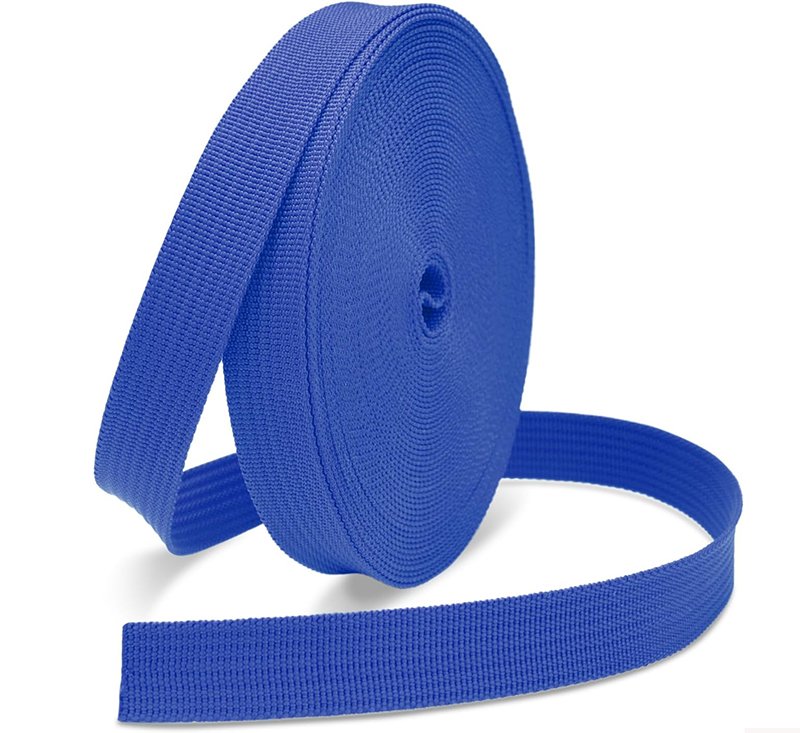
Polypropylene webbing might sound like a mouthful of chemistry jargon, but chances are you’ve encountered it everywhere—from those floating keychains you clipped to your boat keys, to the heavy-duty straps securing toys on your car roof. This resilient material combines lightness, strength, and water-shedding performance in a budget-friendly package.
Polypropylene webbing is a flat woven strap made from polymerized propylene resin. It’s prized for its high tensile strength (up to 3,000 N), ultra-low water absorption (<0.1%), and inherent buoyancy. UV-stabilized grades resist sun damage, while mold- and chemical-resistant properties make it ideal for marine, industrial, and outdoor gear applications.
Imagine you’re on a weekend fishing trip: you toss your line, reel in a catch, and glance at your wobbling float strap—made of polypropylene webbing—that’s kept your cooler tether afloat all morning. Let’s unravel how this polymer powerhouse is made, what sets it apart, and how you can leverage its unique traits for your next project.
Polypropylene webbing starts as tiny polymer pellets that are melted, extruded into yarns, then woven under tension into flat, robust tapes.
Polypropylene webbing is produced by polymerizing propylene monomers into a durable resin, extruding it into filaments, twisting into yarns, and weaving on high-speed shuttle or rapier looms before heat-setting to stabilize dimensions.
Raw Materials & Polymerization
Extrusion & Yarn Formation
Weaving Techniques
Heat-Setting & Stabilization
With each step—polymerization, extrusion, weaving, and finishing—the material’s structure is fine-tuned for maximum performance in harsh environments.
Polypropylene webbing stands out thanks to its light weight, buoyancy, chemical resistance, and low water absorption.
Polypropylene webbing boasts a low density (0.91 g/cm³), making it float. It absorbs <0.1% water, resists oils, molds, and many solvents, and maintains tensile strength up to 3,000 N. Its UV-stabilized grades endure over 1,000 hours in sunlight.
Lightweight & Buoyant
Chemical & Moisture Resistance
Tensile Strength & Flexibility
UV & Weathering Performance
Temperature Tolerance
| Property | Polypropylene Webbing | Comparison (Polyester) |
|---|---|---|
| Density (g/cm³) | 0.91 | 1.38 |
| Water Absorption (%) | < 0.1 | ~1.5 |
| Tensile Strength (N) | 1,500–3,000 | 2,500–3,500 |
| UV Resistance (hours) | >1,000 | >1,500 |
| Melting Point (°C) | 160–170 | 240–260 |
| Floatation | Yes | No |
By weighing these properties against your project’s demands—whether ocean currents or chemical exposure—you’ll see why polypropylene is a go-to choice.
Each synthetic webbing material has its niche: polypropylene floats and resists chemicals, nylon offers supreme strength and elasticity, and polyester excels in UV endurance and low stretch.
Polypropylene is the lightest, floats, and absorbs near-zero water but has a lower melting point (160 °C) and stretch (15–25%). Nylon is strongest (up to 4,000 N) and most elastic (20–30% stretch) but absorbs 4%. Polyester provides high UV stability, minimal stretch (3–5%), and melting point above 240 °C.
Strength & Stretch
Water & Chemical Behavior
UV & Thermal Limits
| Material | Tensile (N) | Stretch (%) | Water Absorption | UV Life (hr) | Melting Point (°C) | Floats |
|---|---|---|---|---|---|---|
| Polypropylene | 1,500–3,000 | 15–25 | <0.1% | 1,000 | 160–170 | Yes |
| Nylon | 2,500–4,000 | 20–30 | ~4% | 1,000 | 240–260 | No |
| Polyester | 2,500–3,500 | 3–5 | ~1.5% | 1,500 | 260–280 | No |
When budgeting, factor raw costs (polypropylene is cheapest) against lifecycle demands like UV exposure or load-bearing requirements.
Thanks to its floatation and chemical resilience, polypropylene webbing shines in marine, safety, and consumer sectors.
Polypropylene webbing is widely used for marine tie-down straps, personal flotation device (PFD) tethers, cargo securing, industrial lifting slings, pet collars, backpacks, and sporting goods. Its low cost and weatherproof nature drive adoption across outdoor and industrial markets.
Marine & Outdoor Gear
Industrial & Safety
Consumer Products
| Sector | Products | Key Benefits |
|---|---|---|
| Marine | Anchor lines, throw ropes, key fobs | Buoyancy, rot resistance |
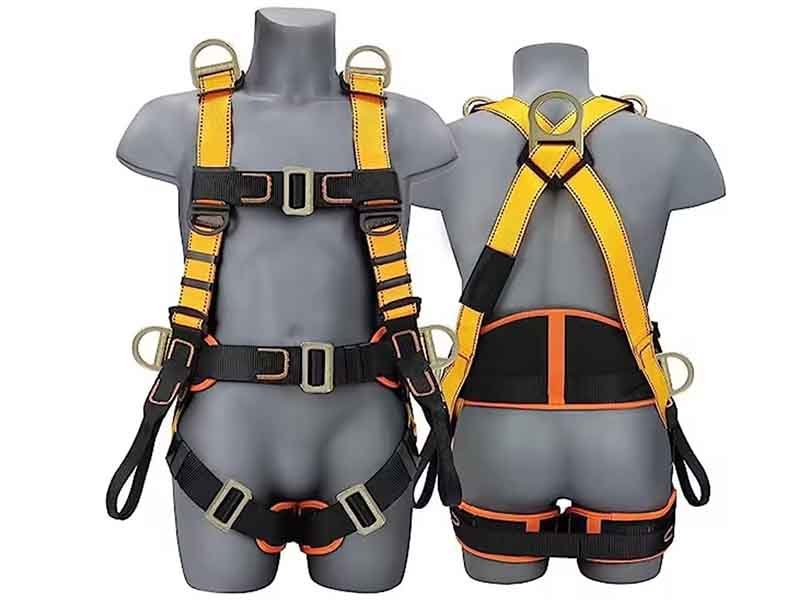
| Industrial | Lifting slings, safety belts | Chemical resistance, cost |
| Outdoor Recreation | Backpack & camera straps, hut ladders | Lightweight, weatherproof |
| Consumer Goods | Pet leashes, sporting straps | Affordable, easy cleaning |
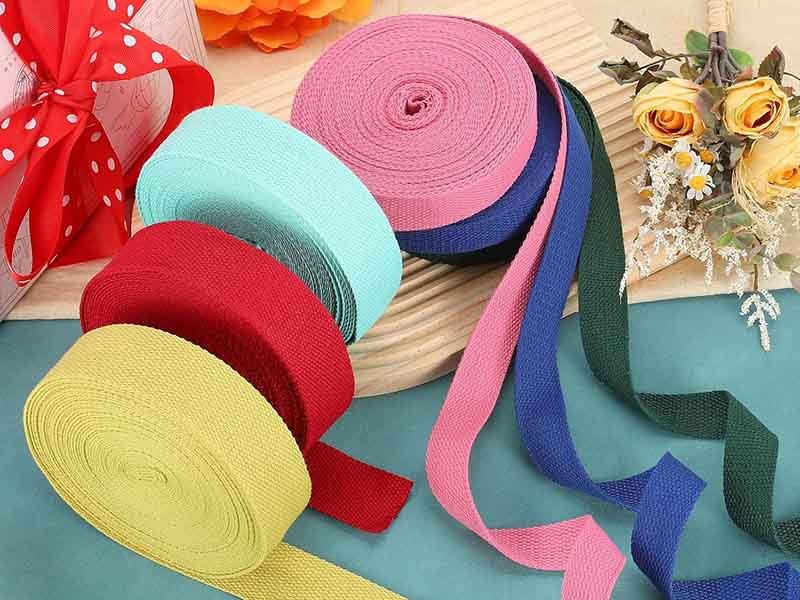
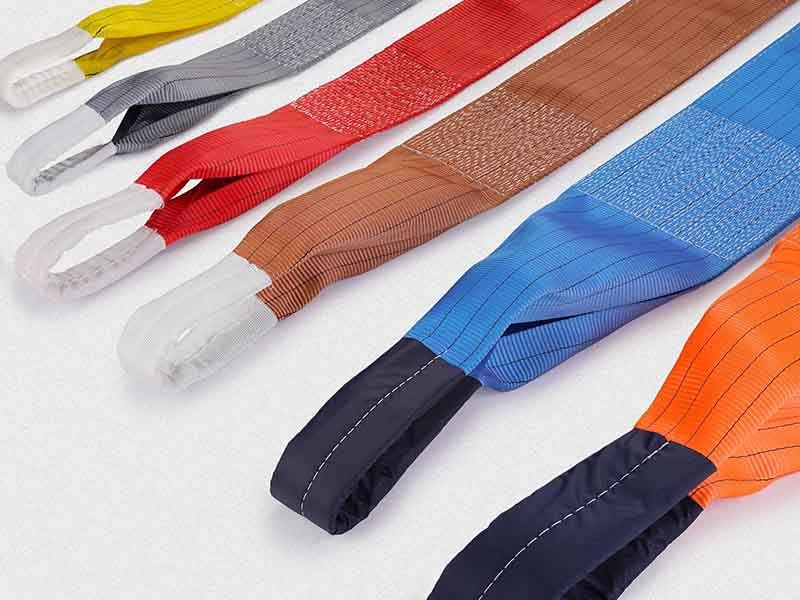
The broad palette of colors and widths makes polypropylene webbing a flexible building block for designers and engineers alike.
Polypropylene’s resilience means minimal upkeep: simple cleaning, proper drying, and periodic inspections keep straps safe for years.
Clean polypropylene webbing with mild soap and water, rinse thoroughly, air dry out of direct sunlight, and inspect annually for fraying or UV damage. No special coatings required.
Cleaning Methods
Drying & Storage
Inspections
A simple routine ensures polypropylene webbing retains its moisture-shedding and strength properties season after season.
From custom colors to specialized coatings and hardware attachments, polypropylene webbing can be tailored to unique design and performance needs.
Polypropylene webbing can be embossed, printed with UV-stable inks, or coated with TPU for abrasion resistance. Add stainless buckles, marine-grade snaps, or foam cores for flotation. Color-match Pantone shades and widths from 6 mm to 100 mm for precise branding.
Color & Printing
Coatings & Lamination
Hardware & End-Fittings
Width & Weave Variations
By mixing and matching finishes, prints, and attachments, you create a turnkey solution for any industrial or consumer application.
Polypropylene webbing’s winning combination of low cost, floatation, and chemical resistance makes it indispensable across marine, industrial, and recreational markets. When you balance strength, flexibility, and environmental conditions—and leverage customization options—you unlock its full potential.
At Szoneier, we specialize in R&D and manufacturing of polypropylene webbing tailored to your exact specifications. Enjoy free design services, logo customization, and sample provision to ensure your webbing solution fits perfectly.
Contact us today to request a quote and bring your custom webbing projects to life!


No worries, please contact us and we will answer all the questions you have during the whole process of webbing customization.
If you have your own artwork, logo design files, or just an idea,please provide details about your project requirements, including preferred fabric, color, and customization options,we’re excited to assist you in bringing your bespoke bag designs to life through our sample production process.

Copyright ©2021 Szoneier , All rights reserved.
Looking for premium custom webbing? Contact us now for competitive pricing, free samples, and expert consultation. Fill out the form below, and our team will get back to you within 24 hours!
 Optimized by Seraphinite Accelerator