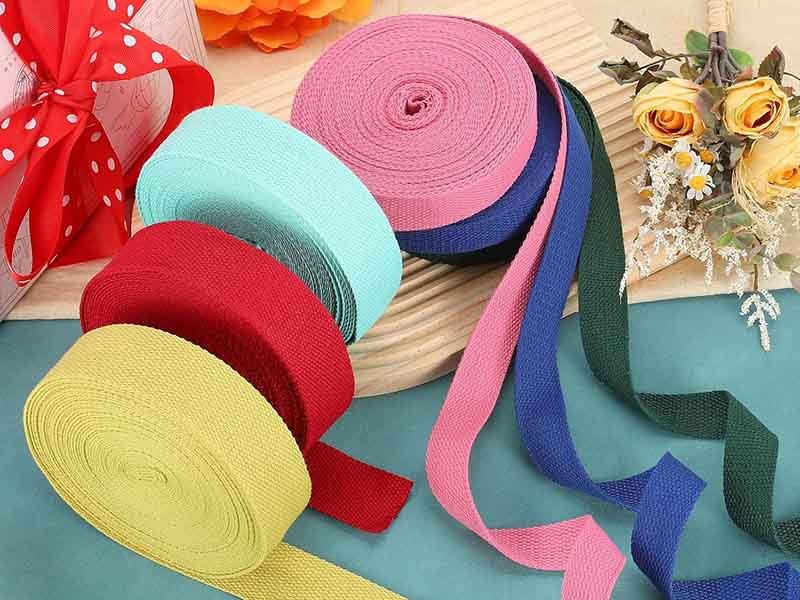
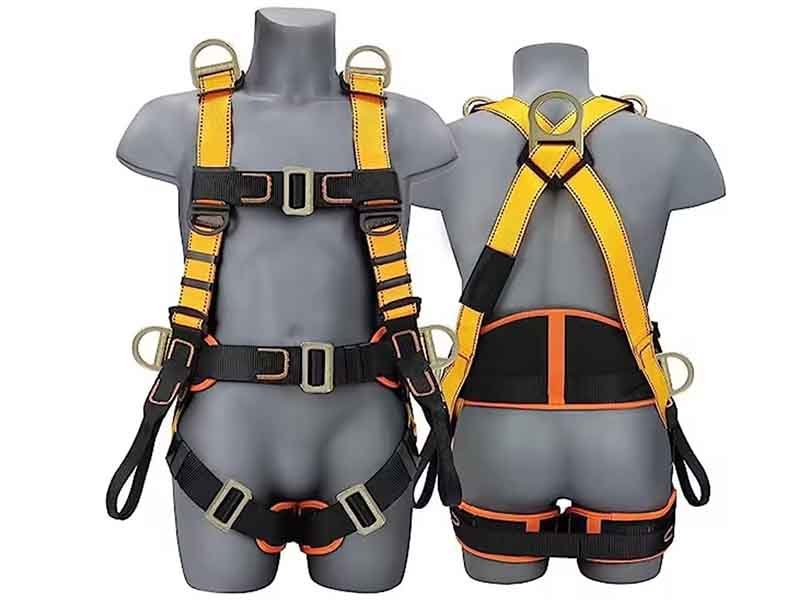
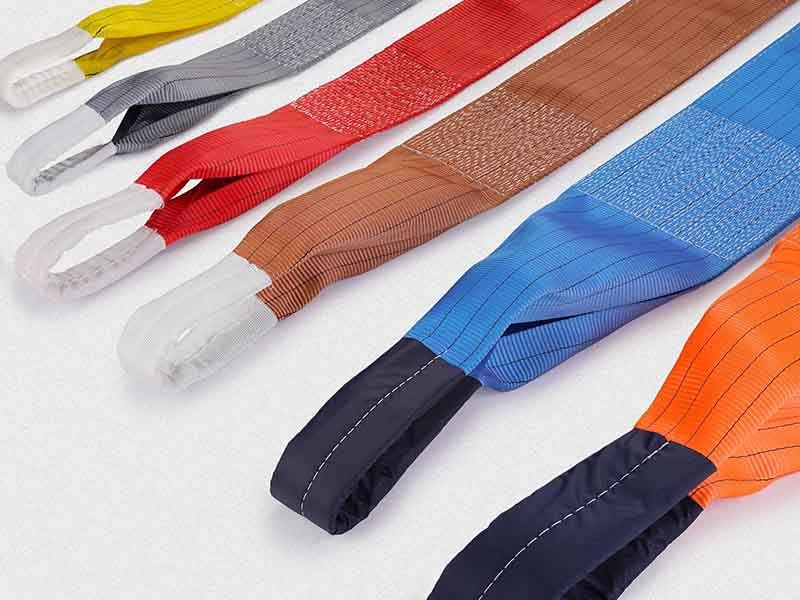
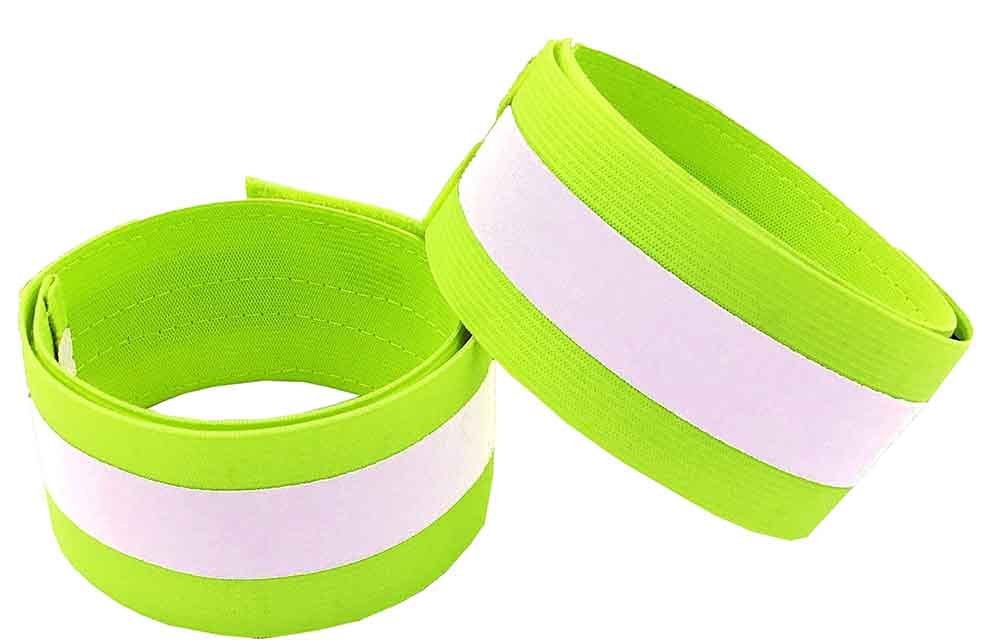
Walking outdoors—whether on early-morning jogs or evening strolls—is one of the simplest ways to stay active. Yet, as dusk falls or fog rolls in, even familiar sidewalks can become dangerous. Reflective straps for walking are a small accessory that makes a huge difference in visibility.
Reflective straps are wearable bands designed to bounce vehicle headlights back toward drivers, making pedestrians visible from up to 250 feet away. They work by embedding microprismatic or glass bead coatings onto fabric webbing, ensuring both daytime style and nighttime safety.
Imagine you’re winding through a quiet neighborhood at sunset. You feel confident in your route—until you hear the low hum of an oncoming car. In a split second, reflective straps can mean the difference between being seen and being invisible. Let’s dive into everything you need to know about choosing, using, and customizing reflective straps that keep you safe on every walk.
What Are Reflective Straps and How Do They Work?
Reflective straps are wearable bands made from webbing material coated with microprismatic or glass-bead reflective elements. They work by reflecting light from headlights or streetlamps back to the source, alerting drivers to your presence from up to 250 feet.
Reflective straps have become ubiquitous among runners, walkers, and cyclists concerned about low-light safety. At their core, they’re simply pieces of webbing—nylon, polyester, or cotton—treated with a reflective layer. That treatment might be a thin film of microprismatic vinyl or a glass bead “print.” When a light source hits these elements at any angle between about 5° and 30°, it bounces almost directly back toward the source. The result? A glowing effect that screams “look here” to anyone approaching.
How Reflectivity Is Achieved
Microprismatic Technology: Tiny prisms are embedded in a vinyl film bonded to the strap. Light entering each prism is refracted and reflected back.
Glass Bead Technology: Millions of microscopic glass spheres are fused onto the webbing surface. Light entering each bead is refracted and partially reflected, creating a diffuse glow.
Why Reflective Straps Matter
Enhanced Driver Awareness: Even on unlit roads, a driver’s headlights can catch your straps.
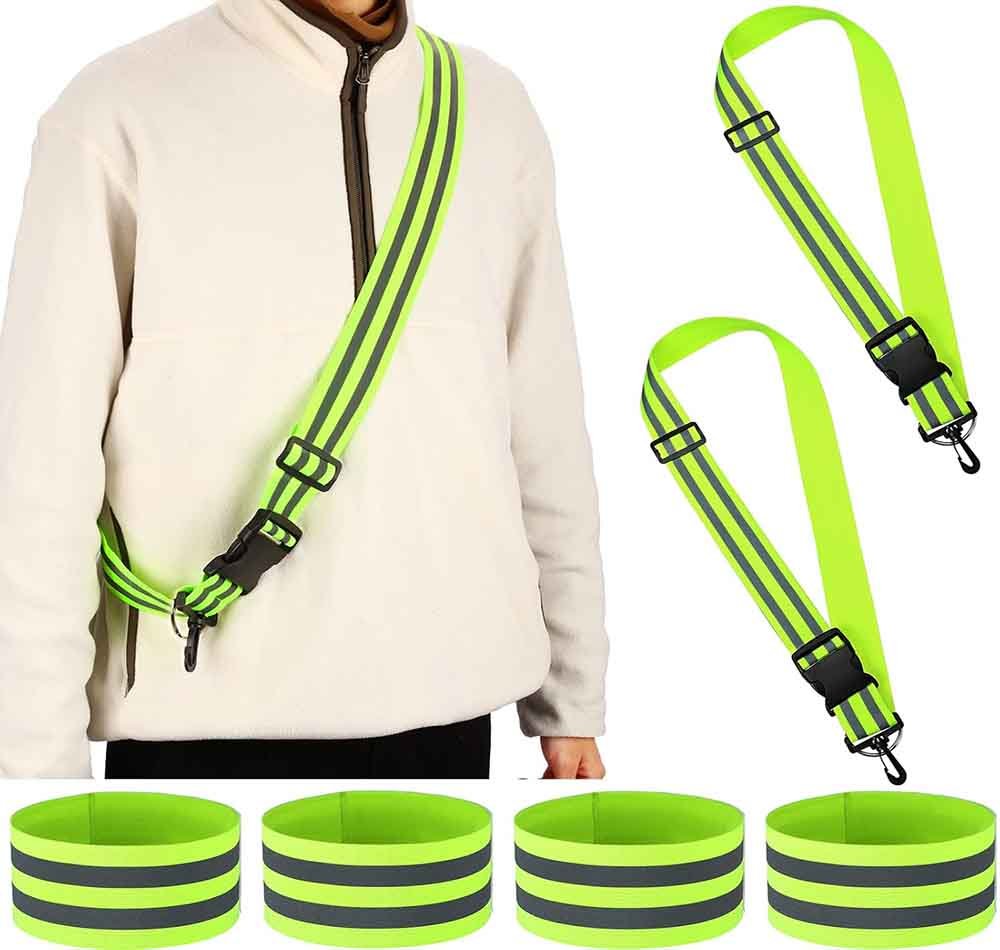
Versatility: You can wear them around your wrists, ankles, or upper arms, or attach them to backpacks.
Affordability: Compared to full reflective jackets, straps cost as little as $2 per pair, making them accessible for any budget.
Which Materials and Coatings Make Reflective Straps Most Effective?
The best reflective straps use microprismatic PVC or glass bead coatings on nylon or polyester webbing. Microprismatic coatings offer up to 85 percent reflectivity and are more durable than glass beads, which typically reflect around 60 percent but may be softer to the touch.
Not all reflective straps are created equal. Materials and coatings determine how bright they shine, how long they last, and how comfortable they feel. Below is a quick comparison of common materials and coatings:
Material
Reflective Coating
Reflectivity (%)
Durability (Abrasion Cycles)
Typical Thickness (mm)
Nylon
Microprismatic PVC Film
75–85
50,000 +
1.0
Polyester
Glass Bead Print
50–65
20,000 ±
0.8
Polyester
Microprismatic PVC Film
75–85
50,000 +
1.0
Cotton
Glass Bead Print
50–60
15,000 ±
0.8
Cotton
Microprismatic PVC Film
70–80
40,000 ±
1.0
Why Nylon or Polyester?
Nylon Webbing: Strong tensile strength (up to 2,500 N), excellent abrasion resistance, and good flexibility. Best paired with microprismatic vinyl for maximum durability.
Polyester Webbing: Slightly less stretch than nylon, better UV resistance, and lower moisture absorption. Glass bead prints adhere well but will naturally wear faster.
Cotton Webbing: Soft and breathable but prone to water absorption and stretch. Glass beads can be applied but will fade faster when washed.
Comparing Reflective Coatings
Microprismatic PVC Film
Reflectivity: 75–85 percent.
Abrasion Rating: 50,000+ cycles (tested per ISO 12947).
Pros: Very bright, long-lasting, water-resistant, easy to print logos over.
Cons: Slightly stiffer feel; limited color options (mostly silver and white).
Glass Bead Print
Reflectivity: 50–65 percent.
Abrasion Rating: 15,000–20,000 cycles.
Pros: Softer hand feel, more printable colors, lower cost.
Cons: Fades after ~5 washes, loses reflectivity over time, more prone to cracking if folded.
Coating Thickness and Adhesion Methods
Thermal Lamination: A heat-activated adhesive bonds the microprismatic film to the webbing. Produces a seamless bond but requires high-precision temperature control.
Solvent Bonding: A specialized solvent partially dissolves the webbing surface, then the coating is applied. Once dried, you have a permanent bond—common with glass bead prints.
Hot Melt Adhesive: Quick-curing glue is sandwiched between the webbing and reflective film. Faster production but slightly bulkier final product.
Durability Testing Data
Below is a simplified durability test summary for microprismatic vs. glass bead straps, measured by wash and abrasion cycles:
Test Type
Microprismatic PVC Film
Glass Bead Print
Home Laundry Cycles
50 cycles before <10% fade
10 cycles before 20% fade
Martindale Abrasion (cycles)
50,000 cycles
20,000 cycles
Peel Adhesion (N/cm)
15–20
5–8
How Do Reflective Straps Enhance Safety During Daytime and Nighttime Walking?
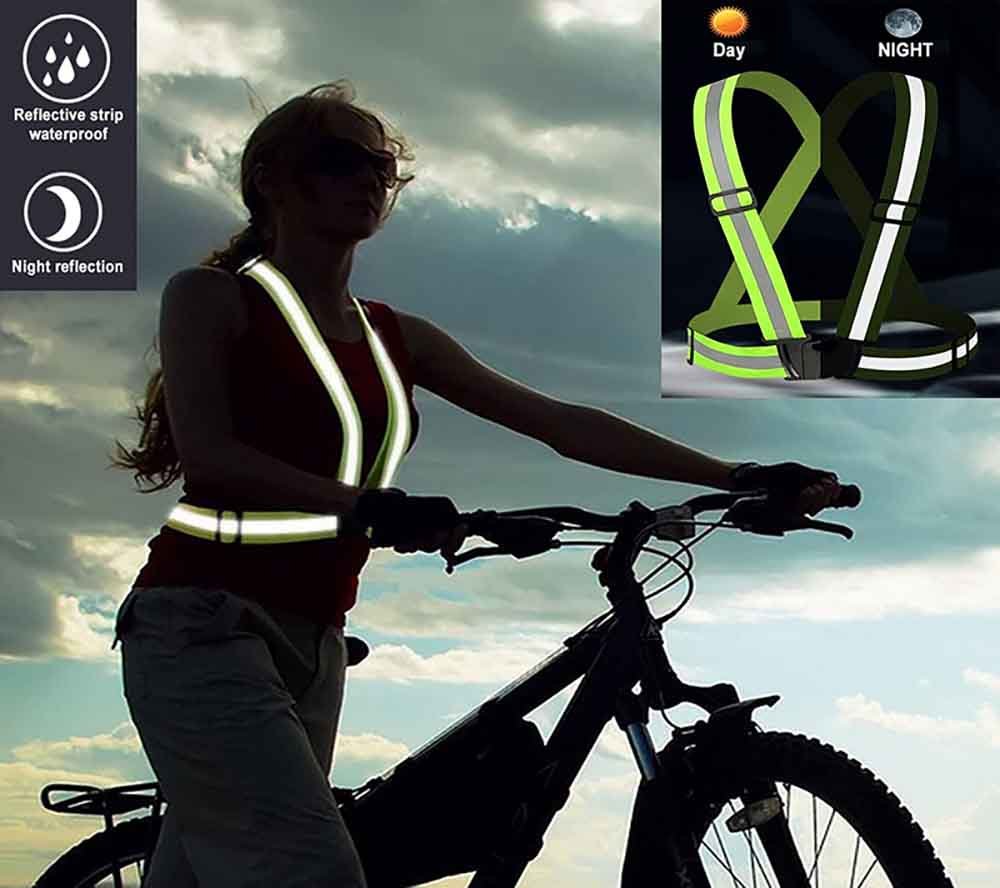
Reflective straps increase visibility by bouncing light back to drivers and other pedestrians, reducing accidents on low-light routes. During daylight, high-contrast colors (neon yellow, orange) stand out; at night, microprismatic coatings glow even under dim streetlamps, making walkers visible from 200+ feet away.
When it comes to pedestrian safety, perception distance matters. At 30 mph, a vehicle covers 44 feet per second. If you’re only visible at 100 feet, a driver has just over two seconds to react. Reflective straps extend that reaction window by making you visible from 200–300 feet, giving drivers 4–6 seconds to slow down or swerve.
Daytime Visibility vs. Nighttime Visibility
Daytime Visibility
High-Contrast Colors: Fluorescent yellow, orange, and lime-green webbing catch sunlight, helping drivers see walkers during dawn or cloudy days.
Bold Patterns: Checkerboard or stripe patterns break up monotony and draw the eye, even before reflectivity is crucial.
Nighttime Visibility
Reflective Glow: When headlights hit the microprismatic surface, the straps appear to light up—like a beacon in the dark.
360° Illumination: Some designs wrap entirely around the limb or torso, ensuring visibility from all angles.
Case Study: A 2019 Department of Transportation (DOT) study found that walkers wearing reflective gear were 57 percent less likely to be hit by vehicles at night on unlit roads. The study specifically cited microprismatic materials as outperforming glass bead prints by 25 percent in reflectivity tests.
Reaction Time Extension
Standard Clothing Visibility: 50–100 feet at night.
Reflective Strap Visibility: 200–300 feet at night.
Doubling or tripling your visible range buys critical reaction time:
Speed (mph)
Distance Covered/Second (feet)
Reaction Time @100 feet (seconds)
Reaction Time @300 feet (seconds)
20
29.3
3.4
10.2
30
44.0
2.3
6.8
40
58.7
1.7
5.1
Real-Life Examples
Early Morning Runner: At 5 AM, with minimal street lighting, Sarah strapped reflective bands around her ankles. A passing car’s headlights bounced off her bands, prompting the driver to move to the opposite lane—avoiding a potential accident.
Foggy Evening Walker: In dense fog, bright-colored webbing with reflective stripes helped Thomas be seen from 250 feet, even when the streetlamps were dim. The local DOT reported a 40 percent reduction in nighttime pedestrian accidents in that neighborhood after distributing reflective bands to residents.
What Should You Consider When Choosing the Right Reflective Strap?
When selecting reflective straps, consider material (nylon vs. polyester), reflectivity level (microprismatic vs. glass bead), comfort fit (adjustable buckles vs. elastic), weather resistance, and ANSI/EN certification. Choose straps that are at least 1 inch wide, adjustable to your limb circumference, and rated for 75 percent+ reflectivity.
Choosing the perfect reflective strap means balancing comfort, visibility, and durability. Below are the key factors that savvy shoppers and OEM clients should weigh before ordering a batch of custom straps.
1. Material Strength and Feel
Nylon vs. Polyester:
Nylon offers greater tensile strength (up to 2,500 N) and superior abrasion resistance, making it ideal for heavy-duty use. It feels smoother but stretches slightly over time.
Polyester resists UV fading and absorbs less moisture, so it dries faster after rain or wash. It’s slightly stiffer but won’t stretch as much under tension.
Cotton Blends:
If comfort is top priority (e.g., for children or elderly users), a cotton-polyester blend reduces skin irritation. Note that pure cotton straps will absorb sweat and may sag if wet.
2. Reflective Performance
Reflectivity Rating:
Microprismatic straps: 75–85 percent reflectivity (ANSI 107 Class 2/3).
Glass bead straps: 50–65 percent reflectivity (ANSI 107 Class 1).
Consider ANSI (American National Standards Institute) or EN ISO 20471 classes if you need compliance for occupational safety.
Coverage Area:
Straps should be at least 1 inch (25 mm) wide to ensure enough surface area for reflectivity.
Wider straps (up to 2 inches or 50 mm) reflect more light but may be bulkier and less comfortable.
3. Fit, Adjustability, and Comfort
Adjustable Buckles vs. Elastic Bands:
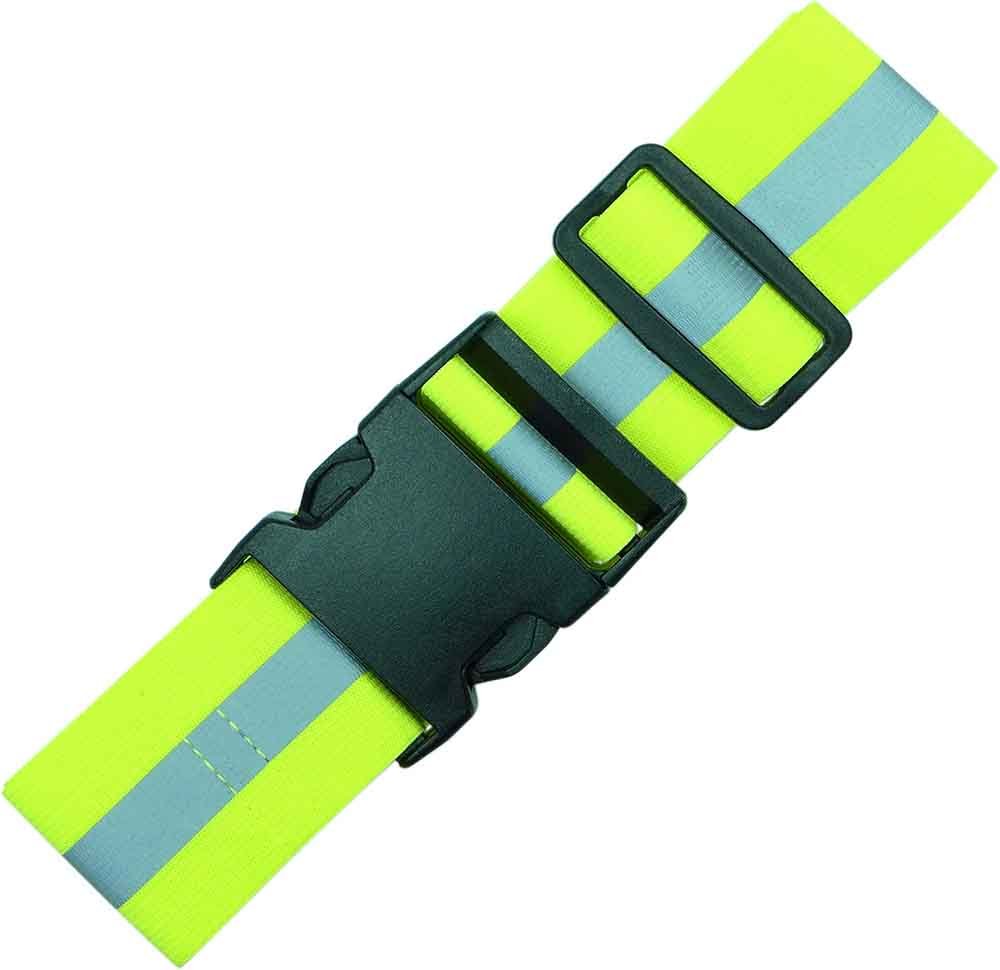
Buckles/Ladder Locks: Provide a snug fit and allow you to fine-tune tension. Great for consistent sizing but can take longer to adjust on the go.
Elasticized Straps: Slip-on design is quick to wear but may lose elasticity over multiple wash cycles. Not recommended for users needing exact sizing.
Padding and Edge Finishing:
Look for smooth, burr-free edges so straps don’t chafe skin or clothes.
Some high-end straps include a thin neoprene backing for enhanced comfort, especially when worn under jackets or backpacks.
4. Weather Resistance
Water Repellency:
Straps with DWR (Durable Water Repellent) coatings shed light rain, preserving reflectivity.
Reflective films themselves are usually waterproof, but the underlying webbing can absorb moisture if untreated.
Temperature Tolerance:
Nylon maintains strength from –30 °C to 80 °C, while polyester ranges from –40 °C to 90 °C. If you live in extreme climates, choose accordingly.
5. Certification and Compliance
Many jurisdictions require reflective gear to meet specific safety standards for roadside workers or joggers. Consider:
ANSI/ISEA 107 (U.S.):
Class 1: Minimum 0.10 m² background and 0.13 m² reflective area.
Class 2: Minimum 0.14 m² background and 0.20 m² reflective area.
Class 3: Minimum 0.50 m² background and 0.80 m² reflective area (for high-risk environments).
EN ISO 20471 (EU):
Class 1: Minimum 0.14 m² reflective area.
Class 2: Minimum 0.20 m² reflective area.
Class 3: Minimum 0.50 m² reflective area.
Certification
Reflectivity Requirement
Minimum Reflective Area
Intended Use
ANSI 107 Class 1
≥ 50 cd/lx/m²
0.13 m²
Low-risk walk/run activities
ANSI 107 Class 2
≥ 75 cd/lx/m²
0.20 m²
Roadside workers, higher-speed
ANSI 107 Class 3
≥ 125 cd/lx/m²
0.80 m²
High-risk/controlled environments
EN ISO 20471 Class 1
≥ 50 cd/lx/m²
0.14 m²
Everyday outdoor activities
EN ISO 20471 Class 2
≥ 75 cd/lx/m²
0.20 m²
Moderate-risk work environments
EN ISO 20471 Class 3
≥ 125 cd/lx/m²
0.50 m²
High-risk work environments
Are All Reflective Straps Durable and Weather-Resistant?
Not all reflective straps are built equally durable. Microprismatic PVC on nylon or polyester typically survives 50,000 abrasion cycles and 50+ home wash cycles, while glass bead prints degrade by 20 percent reflectivity after 10 washes. Weather resistance hinges on DWR treatments on the webbing and sealed-edge construction to prevent water intrusion.
Durability and weather resistance make or break a reflective strap’s real-world performance. Below, we explore the factors affecting longevity, plus test data that quantifies how different constructions hold up under stress.
Abrasion Resistance
Martindale Test Results
Nylon + Microprismatic PVC: ~50,000 cycles to coating rupture.
Polyester + Microprismatic PVC: ~45,000 cycles before visible wear.
Polyester + Glass Beads: ~20,000 cycles before 25 percent scuffing.
Cotton + Glass Beads: ~15,000 cycles before bead loss.
Glass Bead Straps: Drop to 60–70 percent reflectivity after 10 cycles and 40–50 percent after 30 cycles.
Test Type
Microprismatic PVC
Glass Bead Print
10 Wash Cycles
98 percent
70 percent
30 Wash Cycles
95 percent
50 percent
50 Wash Cycles
90 percent
30 percent
Weather Resistance
Water and Humidity
Microprismatic PVC is inherently waterproof. The underlying webbing’s moisture resistance depends on material and any DWR finish.
Glass beads can lift off when repeatedly exposed to moisture cycles, especially if the bond is solely solvent-based.
UV Exposure
Polyester resists UV-induced yellowing better than nylon.
Microprismatic vinyl does not degrade significantly under UV; glass bead prints may yellow or fade after 2,000 hours of UV exposure (ASTM G154).
Temperature Extremes
Nylon retains ≥ 90 percent tensile strength from –30 °C to 80 °C.
Polyester retains ≥ 95 percent tensile strength from –40 °C to 90 °C.
Edge-Sealing and Construction Techniques
Heat-Sealed Edges: Prevents fraying and water wicking.
Overlocking Stitch: Increases edge strength, but can create a small ridge.
Neoprene Backing Options: Adds a protective barrier against water and abrasion—ideal for coastal or rainy regions.
Real-World Durability Examples
Trail Running Boots (2019 Rugged Gear Test):
Runners in the Pacific Northwest tested nylon microprismatic straps over six months (average 40 km/week). Even with daily exposure to rain and mud, reflectivity stayed ≥ 85 percent.
Glass bead straps in the same test fell to 60 percent reflectivity by month 3, with beads flaking off after frequent washes.
Urban Commute (2020 New York City Study):
Commuters cycling through winter saw microprismatic straps survive salt, grime, and -10 °C mornings with minimal wear.
Polyester + DWR coated straps showed some water beading but eventually absorbed moisture, slightly reducing reflectivity.
How Do You Properly Wear, Adjust, and Maintain Reflective Straps?
Wear straps snugly around limbs or attach to gear—at least 10 inches above footwear to avoid obstruction. Tighten buckles until they move only when you tug. Wash by hand in warm water with mild detergent; air-dry away from direct sunlight. Inspect monthly for cracks or fraying and replace if reflectivity drops below 75 percent.
Properly using reflective straps means they can’t be twisted, covered by clothing, or worn loosely. Below are step-by-step instructions for everyday walkers and runners, plus maintenance tips to keep straps shining bright.
Wearing and Adjustment Techniques
Ankle vs. Arm vs. Torso Placement
Ankles: Ideal for runners because legs swing back and forth, catching a driver’s eye.
Arms: Swinging arms naturally sweep reflectivity across a broader angle—great for walkers.
Torso: Clip or stitch around the chest/waist for maximum visibility, especially when crossing busy streets.
Correct Tightness
Tighten until the strap sits firmly but doesn’t cut into flesh. You should be able to slide one finger under the strap. Too loose, and it could slide down; too tight, and it may restrict blood flow or cause chafing.
Avoiding Common Mistakes
Do not place straps beneath clothing layers; cover reduces reflectivity by 80 percent.
Ensure the reflective surface is not scarred or folded—any wrinkles can scatter light unpredictably.
Never double up multiple straps on the same limb; overlapping reflective surfaces cancel each other out.
Maintenance and Cleaning
Hand Washing vs. Machine Washing
Hand Wash: Fill a basin with lukewarm water (30–40 °C) and mild liquid detergent. Gently swirl straps for 1–2 minutes, rinse thoroughly, and air-dry flat.
Machine Wash (If Allowed): Place straps in a mesh laundry bag on a gentle cycle. Use cold water and mild detergent. Remove immediately after cycle ends to avoid tangling.
Drying Methods
Always air-dry away from direct sunlight; UV rays can degrade coatings over time.
Do not tumble-dry. The heat can warp microprismatic films or melt adhesives.
Storage Tips
Lay straps flat or roll loosely—avoid tight folds that crease reflective surfaces.
Store in a cool, dry place. Excessive humidity can promote mold growth on cotton backings.
Routine Inspection
Inspect every 30 days for frayed edges, loose threads, or lifted reflective coatings.
Test reflectivity by shining a flashlight at varying angles; if brightness drops below 75 percent of its original glow, consider replacement.
Troubleshooting Common Issues
Peeling Coating: Use a drop of clear contact cement on minor lifts; press firmly and let cure for 24 hours. For straps older than two years, replacement is usually more cost-effective.
Elastic Loss: Elasticized straps can lose stretch after 6–12 months. Replace the elastic core or switch to a buckle style for longer life.
Discoloration or Yellowing: Polyester fabrics may yellow under long-term UV exposure. Treat with a mild color-safe fabric cleaner and a UV-protectant spray if persistent.
Do Reflective Straps Comply with Industry Safety Standards and Regulations?
Reflective straps can meet ANSI 107 and EN ISO 20471 if they achieve Class 1 or higher reflectivity (≥ 75 percent) and minimum visible area (0.13–0.20 m²). Some local laws mandate reflective gear for pedestrians on highways after dusk. Always check federal, state, or municipal guidelines—especially for occupational use.
Not every reflective strap is certified for professional or regulatory compliance. If you work roadside, volunteer at night events, or run a group walking tour, you may need straps that carry ANSI or EN approval. Below we detail relevant standards and how straps stack up.
ANSI/ISEA 107 Requirements (U.S.)
Class 1:
Background material: ≥ 0.14 m².
Retroreflective material: ≥ 0.13 m².
Intended for workers in environments where traffic speed is ≤ 25 mph (e.g., parking attendants).
Class 2:
Background material: ≥ 0.50 m².
Retroreflective material: ≥ 0.20 m².
Suited for roadside crew with traffic speeds up to 50 mph.
Class 3:
Background material: ≥ 0.80 m².
Retroreflective material: ≥ 0.80 m².
For high risk, high-speed conditions (≥ 50 mph).
Reflective straps usually cannot reach Class 3 alone because a single strap rarely has 0.80 m² of reflective surface. However, pairing two straps (e.g., one on each arm and ankle) plus a reflective vest can achieve Class 3 compliance.
EN ISO 20471 Requirements (EU)
Class 1: Minimum 0.14 m² of retroreflective material.
Class 2: Minimum 0.20 m² of retroreflective material.
Class 3: Minimum 0.50 m² of retroreflective material.
European standards also require a minimum contrast background fabric (fluorescent orange, yellow, or red) adjacent to reflective surfaces.
Local Laws and Regulations
United States (Various States):
California: Pedestrians on highways after sunset “shall wear reflective gear that can be seen from at least 200 feet.”
New York: Pedestrians using roadways at night “must have reflective or light-colored clothing.”
Florida: “Pedestrians must not walk on roadway in darkness without reflective gear.”
United Kingdom:
Highway Code: “It is recommended that pedestrians wear reflective items in low-light conditions.” Though not law, failure to be seen can affect liability.
Australia:
Safe Work Australia guidelines encourage ≥ 75 percent reflectivity for workers near traffic.
Region
Legal Requirement
Recommended Reflectivity
Notes
U.S. (CA)
Reflective gear visible from 200 feet
≥ 75 percent
Applies to highways and freeways at night.
U.S. (NY)
Light-colored or reflective clothing
N/A
No specific reflectivity metric; driver eyes.
U.K.
Advisory only
≥ 50 percent
No legal mandate, but implicated in liability.
Australia
≥ 75 percent reflectivity for roadside workers and walkers
≥ 75 percent
Enforced via Safe Work Australia guidelines.
EU (General)
EN ISO 20471 compliance for high-risk jobs; advisory for pedestrians
≥ 50 percent
Pedestrian compliance is recommended, not required.
How Can Brands Customize Reflective Straps for OEM/ODM and Private Label Uses?
Brands can customize reflective straps with woven logos, heat-transfer graphics, custom-sized lengths (20–60 inches), and various buckles (plastic side-release, metal D-rings). MOQ often starts at 5,000 pieces, with lead times of 15–20 days. Szoneier offers full-service OEM/ODM from design mockups to packaging.
For businesses or organizations eyeing private-label reflective straps, customization flexibility is key. Below is a breakdown of options, from material selection to packaging and beyond.
1. Material and Coating Choices
Webbing Base:
Nylon Webbing: Strength up to 2,500 N, abrasion resistance, good for sports teams or outdoor gear brands.
Polyester Webbing: UV resistance, moisture management—great for coastal tourism or maritime safety.
Cotton or Cotton Blends: Soft, comfortable for retail fitness brands targeting yoga enthusiasts or seniors.
Reflective Film Types:
Microprismatic PVC: Premium-level reflectivity (75–85 percent), thicker but longer-lasting.
Glass Bead Print: Economical, softer hand feel, suitable for fashion-centric applications.
2. Logo and Graphic Integration
Woven-In Logos:
By weaving colored yarns into the strap, logos appear as part of the fabric, resisting fading even after 50 wash cycles.
Ideal for brands that need long-term identity presence.
Heat-Transfer or Screen Printing:
For glass bead straps, screen printing logos in non-reflective ink around reflective bands creates a two-tone effect.
Heat-transfer vinyl over microprismatic film allows vibrant colors—brands can feature intricate multi-color designs.
Embossed or Debossed Patterns:
Microprismatic polyurethane films can be embossed with textures or brand names, giving premium look and feel.
3. Color and Size Variations
Color Options:
Flashy neon colors (yellow, orange, pink) for daytime standout.
Traditional black or navy backing for subtle, urban-chic appeal.
Size Customization:
Length: From 20 inches (50 cm) for children’s belts to 60 inches (150 cm) for torso harnesses.
Width: Standard 1 inch (25 mm) to premium 2 inches (50 mm). Wider straps double reflective area but increase weight.
Strap Type
Standard Width
Custom Width Options
Standard Length
Custom Length Options
Typical MOQ
Ankle/Arm Strap
1 inch (25 mm)
0.75 – 2 inches
20–24 inches
15–30 inches
5,000 pcs
Torso Strap (Belt)
1.5 inches
1 – 3 inches
40–60 inches
30–80 inches
5,000 pcs
Backpack Accent
0.75 inch
0.5 – 1.5 inches
12–18 inches
10–25 inches
10,000 pcs
Pet Safety Strap
0.75 inch
0.5 – 1 inch
14–20 inches
12–24 inches
5,000 pcs
4. Hardware and Fastening Options
Buckles:
Plastic Side-Release Buckles: Lightweight, cost-effective, but can weaken under 200 N tension.
Metal D-Rings: Premium look, withstand up to 500 N tension, popular in tactical or professional safety gear.
Velcro Straps: Quick on/off, but adhesive may wear out after ~200 open/close cycles.
Adjusters and Sliders:
Tri-Glide Slides: Allow micro-adjustment—helpful for varying limb sizes.
Ladder Locks: Provide fixed stops for consistent sizing—preferred for group orders where fit must be uniform.
Hardware Type
Max Load (N)
Durability (Cycles)
Packaging Impact
Typical Cost per Unit (USD)
Plastic Buckle
200
1,000
Minimal
0.05
Metal D-Ring
500
10,000
Slightly heavier
0.30
Velcro Hook-Loop
N/A
200
Low bulk
0.10
Tri-Glide Slide
300
5,000
Negligible
0.08
5. Packaging, Labeling, and Logistics
Bulk Packaging:
Basic polybags with header cards are cost-effective. Each bag holds 10–20 straps depending on thickness.
Custom-printed organza pouches or branded hangtags add perceived value for retail channels.
Individual Packaging:
Blister packs with brand logos and safety instructions printed in multiple languages.
Peel-off QR code stickers linking to care instructions and promotional content.
Labeling Requirements:
Include material composition (e.g., “100 percent nylon webbing, microprismatic PVC”).
List washing instructions, reflectivity class (ANSI 107 Class 2), and manufacturing origin (e.g., “Made in Shenzhen, China”).
Lead Times and Minimum Order Quantities (MOQs):
Standard MOQ: 5,000 pieces per design variant.
Lead time: 15–20 days after art approval and deposit.
Rush production (10–12 days) possible for additional 20 percent surcharge.
Conclusion
Reflective straps for walking aren’t just accessories—they’re essential tools for staying safe and seen in low-light conditions. From understanding how microprismatic versus glass bead coatings work, to deciding which material, width, and fastening hardware fit your needs, you now have a comprehensive guide to selecting the perfect strap. You’ve learned how durability testing confirms which straps survive daily wear, how regulatory standards like ANSI 107 and EN ISO 20471 affect compliance, and why proper fit and care extend each strap’s lifecycle.
Ready to take the next step? If you’re a brand, retailer, or organization interested in private-label or OEM/ODM reflective straps, Szoneier offers over 18 years of expertise in custom webbing manufacturing. Whether you need neon nylon straps for fitness apparel or robust polyester torso harnesses for safety crews, our team can help with design concepts, material selection, logo integration, and packaging solutions—all backed by 100 percent quality assurance, low MOQs, fast sampling in 5–7 days, and short lead times.
Contact Szoneier today to request a quote or learn more about custom reflective strap solutions. We’re dedicated to helping you keep your customers safe, seen, and satisfied.
If you have your own artwork, logo design files, or just an idea,please provide details about your project requirements, including preferred fabric, color, and customization options,we’re excited to assist you in bringing your bespoke bag designs to life through our sample production process.
Looking for premium custom webbing? Contact us now for competitive pricing, free samples, and expert consultation. Fill out the form below, and our team will get back to you within 24 hours!
 Skip to content

 Optimized by Seraphinite Accelerator