
From Inquiry to Delivery
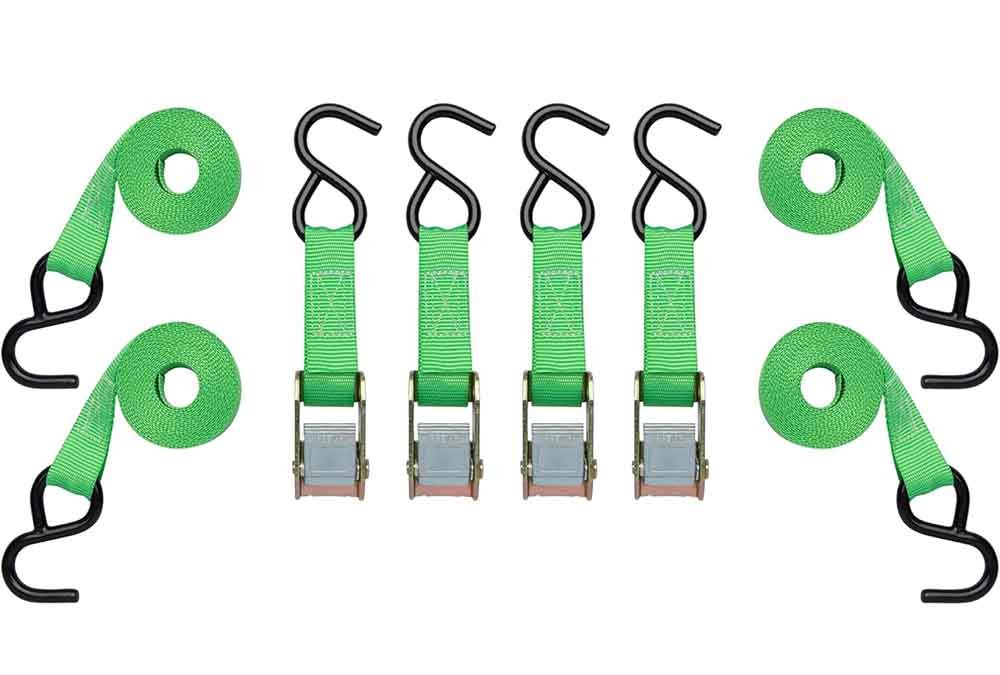
Tired of witnessing your cargo shift mid-trip—turning a smooth drive into a nerve-wracking obstacle course? Tie-down straps are the silent sentinels that keep everything in place, from camping gear on your roof rack to heavy equipment in a trailer. In this guide, you’ll discover exactly how tie-down straps work, which types you need for different loads, and step-by-step methods to thread, tension, and maintain them like a pro.
Tie-down straps are strong webbing systems, paired with ratchets, cam-buckles, or winches, designed to apply consistent tension across cargo to prevent movement and damage during transport. They’re rated by Working Load Limit (WLL) and Breaking Strength to match everything from 200-pound rooftop boxes to multi-ton construction equipment.
Last summer, I watched a contractor lose a brand-new generator off a flatbed because he skipped a second strap—it rattled off at highway speed. That heart-pounding moment convinced me no load is too small to secure properly. Let’s dive in and make sure you never face that scare.
Tie-down straps consist of woven webbing—usually nylon, polyester, or polypropylene—and specialized hardware (ratchets, cam-buckles, hooks). By applying tension, they lock cargo firmly to anchor points on trucks, trailers, or roof systems. Without them, even small bumps or wind gusts can shift a load, causing damage, accidents, or lost shipments.
Webbing Materials & Properties
Hardware Types
Typical Uses
Standards & Regulations
Selecting the right strap depends on load weight, desired tension, and environmental factors. Here’s how to match strap type to task:
| Strap Type | WLL (Working Load Limit) | Best For | Considerations |
|---|---|---|---|
| Ratchet | 1,500–10,000 lb | Heavy equipment, long-distance loads | Secure lock, slow release, heavier hardware |
| Cam-Buckle | 500–3,000 lb | Light cargo, quick tie-down jobs | Faster to use, may slip under shock loads |
| Winch | 5,000–15,000 lb | Industrial, warehouse to truck move | Requires winch device, bulkier |
A correct ratchet setup is the cornerstone of load security. Follow these steps for rock-solid tension:
How Do You Attach Tie-Down Straps?
Tensioning Technique for Maximum Security
Pump the ratchet handle: aim for 30–50% of the strap’s Breaking Strength (e.g., 5,000 lb Breaking Strength → ~2,500 lb tension).
Listen for firm, even clicks—avoid “power cranking,” which can strip teeth or deform hardware.
How Do You Attach Two Tie-Down Straps?
For large or heavy gear, use two straps arranged in a crisscross pattern to distribute force evenly and resist multidirectional movement.
Connect straps via sewn lash loops or heavy-duty carabiners if your anchor points are limited.
Quick-Release and Unlocking
Pull the release lever fully backward to disengage the pawls before opening the ratchet.
Control the unwinding webbing—don’t let it snap back.
Not every job needs a ratchet. Cam-buckles and simple knots can secure lighter loads quickly:
Cam-Buckle Threading vs. Knots
How Do You Secure Loose Tie-Down Straps?
Alternative Hitch Methods
Never guess your strap’s capacity. Respect these rules to avoid accidents:
| Safety Parameter | Guideline |
|---|---|
| Working Load Limit (WLL) | WLL = Breaking Strength ÷ 3 |
| Inspect Frequency | Before each use |
| Retirement Criteria | Frays >10% webbing width; hardware corrosion |
| Maximum Elongation | Nylon ≤30%; Polyester ≤5% |
| Anchor Angle | ≤45° from horizontal to maintain full WLL |
Avoid Over-Tightening: Crushing or deforming cargo/trailer rails reduces safety. Use tension indicators or marked ratchet handles for consistent results.
Proper care doubles a strap’s lifespan:
Cleaning Methods
Protection Against Elements
Storage Tips
When to Repair vs. Replace
Even seasoned users slip up. Watch for these pitfalls:
Twisted Webbing reduces strength by up to 50%. Always lay straps flat.
Abrasion at Edges: Use corner protectors or wear plates on sharp-edged cargo.
Improper Hook Selection: Flat hooks on round bars slip—opt for S-hooks or chain anchors when needed.
Skipping Hardware Checks: Inspect hooks, ratchet teeth, and welds for fatigue or corrosion before every haul.
Spotting and fixing shifting early keeps everyone safe:
Detecting Looseness
Mid-Journey Checks
Emergency Repairs
Upgrading Your Setup
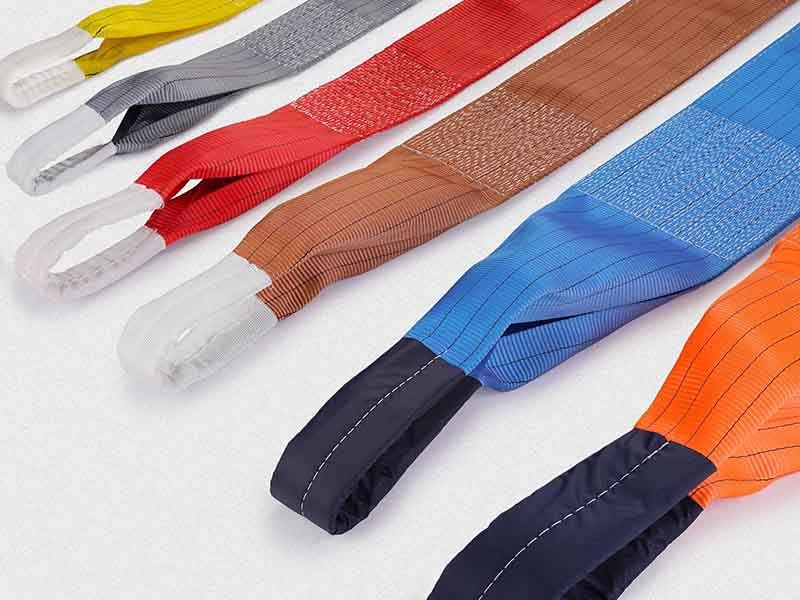
At Szoneier, we’ve spent 18+ years perfecting webbing and tie-down strap manufacturing. From nylon, polyester, and PP webbing to custom hardware, colors, and lengths, we guarantee 100% quality, low MOQs, free design, rapid sampling, and on-time delivery.
Contact Szoneier today to get a personalized quote—and haul with absolute confidence!


No worries, please contact us and we will answer all the questions you have during the whole process of webbing customization.
If you have your own artwork, logo design files, or just an idea,please provide details about your project requirements, including preferred fabric, color, and customization options,we’re excited to assist you in bringing your bespoke bag designs to life through our sample production process.

Copyright ©2021 Szoneier , All rights reserved.
Looking for premium custom webbing? Contact us now for competitive pricing, free samples, and expert consultation. Fill out the form below, and our team will get back to you within 24 hours!
