Ever tried hauling a bulky kayak onto your car roof rack only to watch it slide off at the first bump? Or witnessed cargo shift mid‑transit, causing chaos in the back of a trailer? Lashing straps are simple tools—but when misused, they can lead to damaged goods, road hazards, or even personal injury.
Lashing straps are heavy‑duty webbing assemblies with buckles or ratchets that secure cargo by tensioning around and through anchor points. When properly selected, tensioned, and checked, they keep loads immovable and safe during transport.
What Are Lashing Straps and Why Are They Essential?
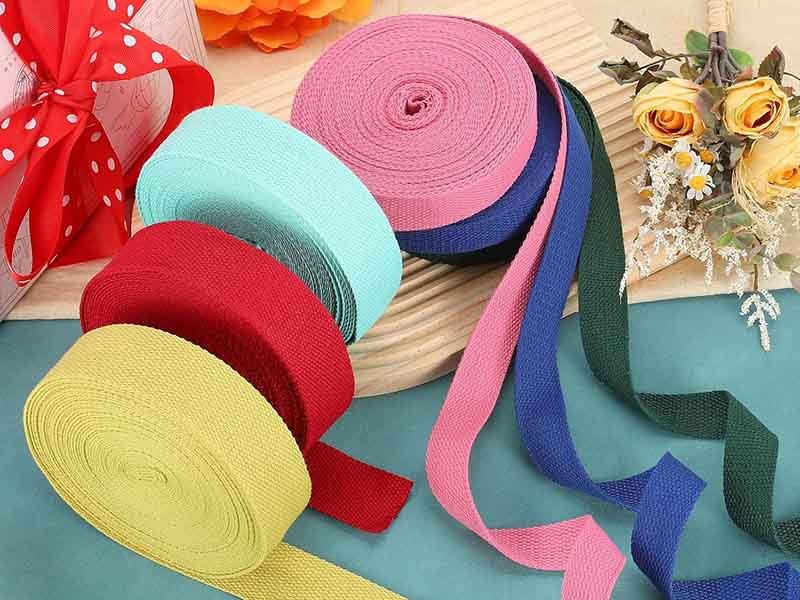
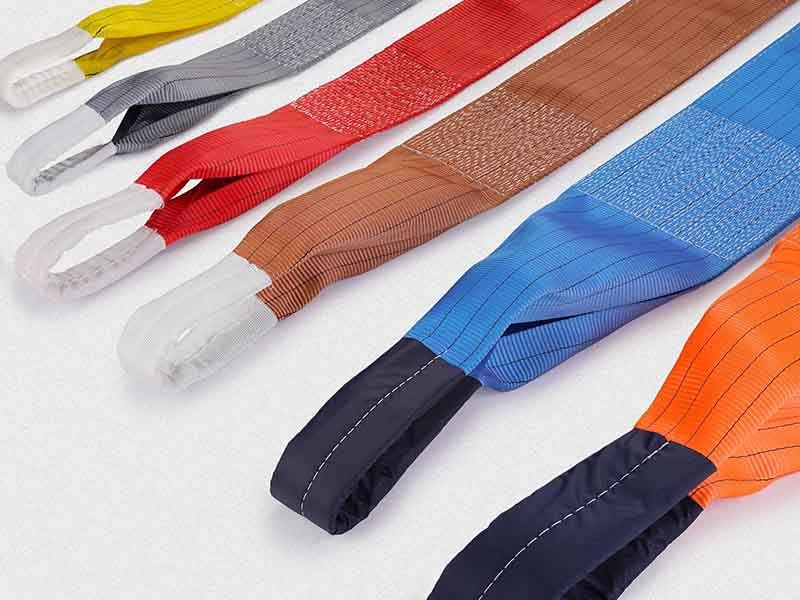
Lashing straps consist of strong polyester or nylon webbing with a buckle or ratchet to apply tension. They prevent load movement, protect cargo, and reduce accident risk—making them indispensable for freight, moving vans, roof racks, and industrial transport.
Core Components
- Webbing Material: Polyester vs. nylon—polyester stretches <5%, ideal for secure hold; nylon stretches up to 25%, better for shock absorption.
- Buckles & Ratchets: Simple cam buckles for light loads; ratchets with gear teeth for heavy, high‑tension needs.
- End Fittings: S‑hooks, flat hooks, snap hooks—choose based on anchor type (D‑rings, rails, eyebolts).
Applications Across Industries
- Logistics & Shipping: Securing pallets inside container trucks.
- Recreational Use: Roof rack gear, motorcycles, kayaks.
- Construction & Agriculture: Bundling pipes, lumber, hay bales.
Why They Outperform Alternatives
- Rope & Chain: Straps offer easier tension control and less cargo rubbing.
- Bungee Cords: Stretch cords can rebound dangerously if overloaded.
Key Statistics
| Attribute | Polyester Strap | Nylon Strap |
|---|
| Typical MBL (lb) | 1,500–5,000 | 1,000–3,000 |
| Stretch at Load (%) | <5% | 15–25% |
| UV Resistance | High | Moderate |
Which Types of Lashing Straps Are Available and When Should You Use Each?
There are cam‑buckle straps for light loads, ratchet straps for heavy cargo, E‑track straps for rail systems, and moving straps with ergonomic handles—each suited to specific weight, tension, and anchor requirements.
Cam‑Buckle Straps
- Mechanism: Pull webbing through a cam‑jaw; spring‑loaded teeth hold tension.
- Use Case: Securing garden equipment, light furniture, or non‑critical items (<500 lb).
- Pros & Cons: Quick to release; limited tension force (~200 lb).
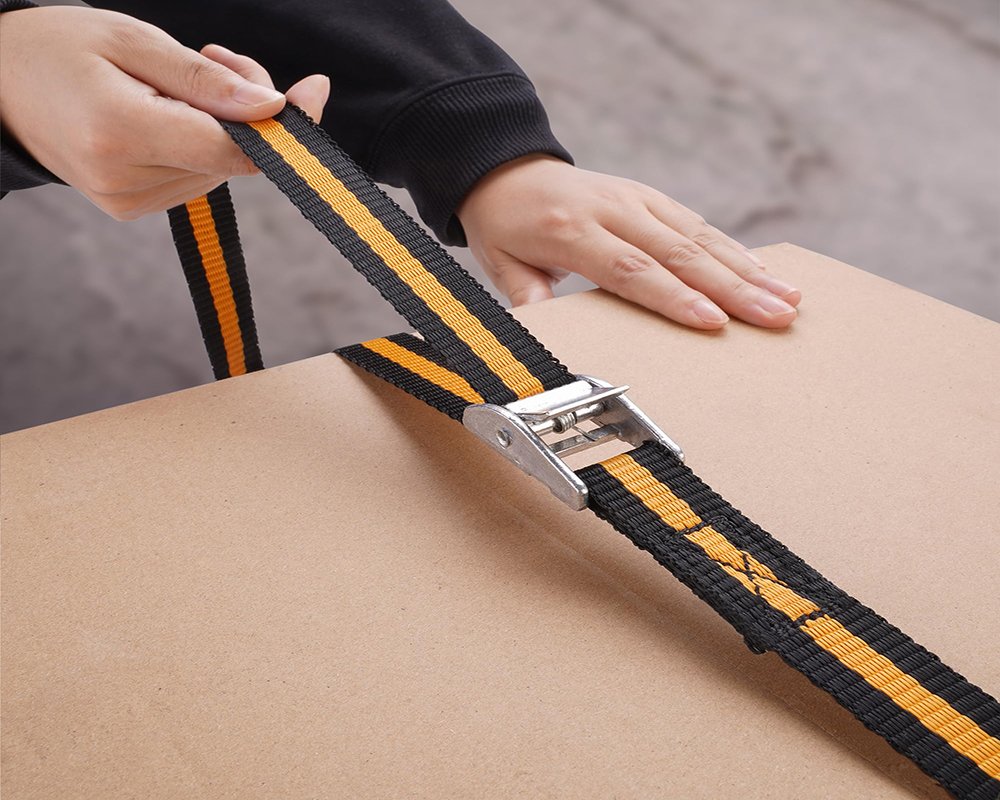
Ratchet Straps
- Mechanism: Ratcheting lever multiplies user force, achieving high tension.
- Use Case: Hauling motorcycles, palletized freight, and industrial machinery (>1,000 lb).
- Pros & Cons: Extremely secure (up to 5,000 lb MBL); more complex to release.
E‑Track & A‑Track Straps
- Mechanism: Metal fittings slide into track slots; ideal for vans and trailers.
- Use Case: Fleet trucks, moving vans with standardized rail systems.
- Pros & Cons: Highly adjustable; requires mounted track hardware.
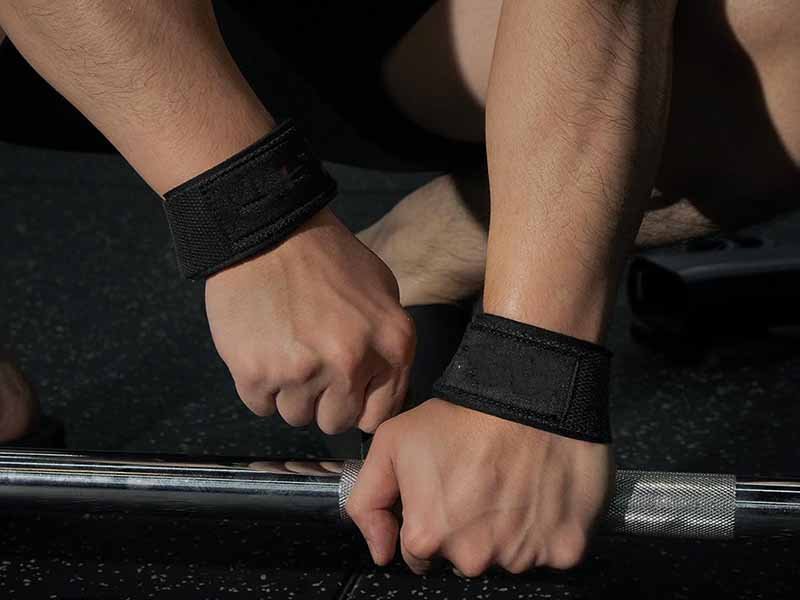
Moving Straps (Forearm or Shoulder Dolly)
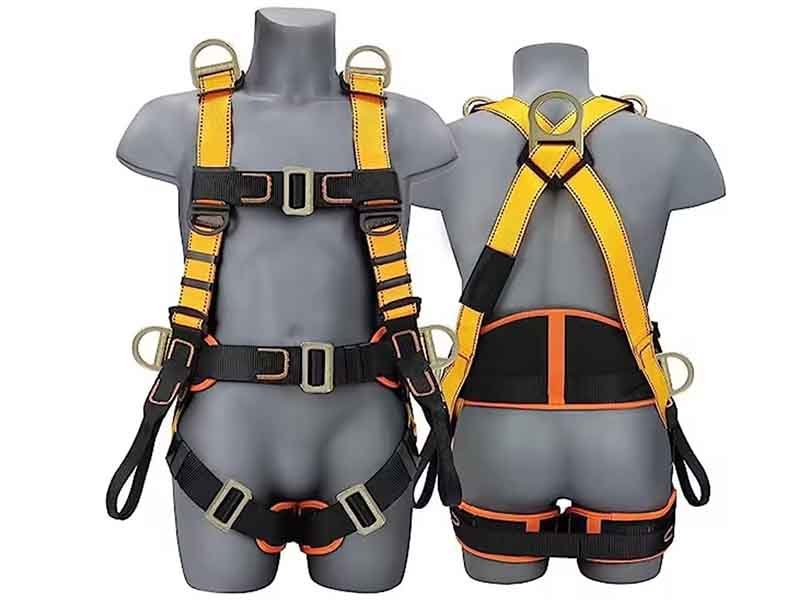
- Mechanism: Harness straps redistribute weight, using body mechanics.
- Use Case: Moving heavy appliances up stairs; reduces back strain.
- Pros & Cons: Intuitive lifting; less suitable for lateral tie‑down.
Webbing Width & Strength Matrix
| Strap Type | Width (in) | Typical MBL (lb) | Ideal Load Range (lb) |
|---|
| Cam‑Buckle | 1″–1.5″ | 500–1,000 | 50–500 |
| Ratchet | 2″–4″ | 1,500–5,000 | 500–3,000 |
| E‑Track | 1″–2″ | 1,000–2,500 | 200–1,500 |
| Moving Straps | 1″ | N/A (lifting aid) | 100–800 (per strap) |
How Do You Select the Right Lashing Strap for Your Load?
Match strap strength (MBL), width, and end fittings to cargo weight, shape, and anchor points. Consider environmental factors—UV, moisture—and choose polyester for minimal stretch or nylon for shock loads.
What Strength Are Lashing Straps?
Most straps specify MBL (Minimum Breaking Load) and WLL (Working Load Limit = MBL/3 or 1,000/3). For a 3,000 lb MBL strap, WLL is ≈1,000 lb.
Calculating Required Strength
- Weigh Your Load: Use a scale or manufacturer spec.
- Determine Safety Factor: At least 3:1; heavy or dynamic loads 5:1.
- Select MBL: Multiply load × safety factor to find appropriate MBL.
- Example: 800 lb motorcycle × 3 = 2,400 lb MBL → choose 3,000 lb strap.
Environmental Considerations
- UV Exposure: Polyester retains 80% strength after 1,000 hr UV exposure; nylon drops to 50%.
- Moisture & Chemicals: Nylon swells when wet—use polyester in marine settings.
Anchor Compatibility
- D‑Rings vs. Rails vs. Eyebolts: Ensure hooks/fittings match anchor geometry to prevent slippage.
User Ergonomics
- Ratchet Handle Length: Longer handles provide mechanical advantage but require more space to operate.
- Cam‑Buckle Grip: Textured surfaces improve hand traction in cold or wet conditions.
How Do You Properly Secure Lashing Straps: A Step‑by‑Step Guide?
Thread strap through anchor, tension by hand or ratchet until snug, lock buckle or ratchet. Verify even tension across multiple straps to prevent load shift.
How Do You Secure Lashing Straps?
- Position Straps: Over or around load at optimal angles (30°–45° to bed).
- Anchor Ends: Hook to solid points—avoiding sharp edges.
- Tension: Pull slack, engage ratchet until strap is firm but not over‑tight.
- Lock & Tie Off: Secure loose webbing to prevent flapping.
Optimal Strap Placement
- Vertical vs. Horizontal: Use cross‑lashing (X‑pattern) for side‑to‑side stability; over‑top for downward pressure.
- Angle Benefits: 30°–45° angles maximize horizontal and vertical force components.
Tension Best Practices
- Avoid Over‑Tension: Excessive ratchet force can damage cargo or buckle springs.
- Use Torque Ratings: Some ratchets include torque limiters to prevent overtightening.
Multiple Strap Coordination
- Even Load Distribution: Mark strap endpoints and tighten sequentially (corner-to-corner).
- Redundancy: Use at least two straps for heavy or high‑value goods.
Real‑World Example
- Motorcycle Transport: Two ratchet straps front, two rear; certified WLL ≥1,000 lb per strap.
- Palletized Goods: Four straps at each corner; use edge protectors to prevent webbing wear.
Common Mistakes
- Twisted Webbing: Cuts strap strength by 30%.
- Hook Orientation: Snapped open hooks reduce holding power by 50%.
What Safety Checks Should You Perform Before and During Use?
Inspect webbing for frays, hardware for corrosion, and proper tension. Re‑check straps after first 10 miles and at rest stops. Ensure load hasn’t shifted or loosened.
Are Lashing Straps Safe?
When used per manufacturer guidelines—correct MBL, proper tension, regular inspection—lashing straps offer reliable, safe load restraint.
Are Moving Straps Safe?
Moving straps with lifting harnesses reduce back strain by up to 40%, but require correct body mechanics and training to avoid injury.
Pre‑Use Inspection
- Webbing: Look for cuts, abrasions, discoloration.
- Buckles & Ratchets: Test release mechanisms; check for bent teeth.
- Hooks & Fittings: Ensure spring‑action hooks close fully.
In‑Use Monitoring
- Post‑Tension Check: Re‑check after 5–10 minutes of movement.
- Mid‑Trip Inspections: At every rest stop or 100 km intervals.
Risk Factors
- Overloading: Exceeding WLL can cause sudden strap breakage.
- Improper Anchors: Using flimsy anchor points reduces overall system safety.
- Environmental Hazards: Exposure to acids, oils, or UV can degrade webbing.
Safety Statistics
| Issue | Incidence Rate (%) | Preventive Action |
|---|
| Webbing Wear Failures | 25 | Regular retire‑after time/usage |
| Buckle Spring Fatigue | 10 | Replace springs annually |
| Hook Deformation | 5 | Use rated hardware only |
Training & Certification
- Operator Courses: OSHA recommends training for anyone using load‑securing devices.
- Load Securing Manuals: Consult EN 12195‑2 standards for best practices.
How Do You Maintain and Store Lashing Straps for Longevity?
Clean straps with mild detergent, rinse thoroughly, air‑dry away from direct sunlight. Store coiled in a cool, dry place. Replace straps showing >10% webbing wear or hardware corrosion.
Cleaning Protocols
- Polyester & Nylon: Soak in warm water with mild soap; gentle scrub; hang dry.
- Avoid Solvents: Chemical cleaners degrade fibers.
Inspection & Retirement
- Wear Threshold: Retire straps when webbing cross‑section reduces by 10% or hardware shows deformation.
- Usage Log: Track hours of service and number of load cycles.
Storage Best Practices
- Climate Control: 50–70°F, 40–60% humidity to prevent mildew and fiber brittleness.
- Organization: Use labeled bins or hangers to prevent tangles and facilitate first‑in, first‑out rotation.
Repair vs. Replace
- Minor Frays: Trim loose threads—but retire strap if major damage.
- Hardware Service: Replace hooks or ratchets individually when springs weaken.
Cost‑Benefit Analysis
| Action | Cost (per strap) | Lifespan Extension | ROI |
|---|
| Annual Cleaning | $0.50 | +3 months | High |
| Hardware Swap‑Out | $5–10 | +6 months | Medium |
| Full Replacement | $15–25 | New‑length life | Varies |
Are There Regulations or Standards Governing Lashing Strap Use?
Lashing straps must meet standards like EN 12195‑2 (EU) or AS 4380 (Australia), and follow guidelines from OSHA and FMCSA in the U.S. to ensure proper strength, labeling, and user instructions.
International Standards
- EN 12195‑2: Specifies Lashing Equipment Safety; requires MBL, WLL labeling, and batch traceability.
- ISO 9001: Quality management covering production consistency.
U.S. Regulations
- FMCSA §393.106: Cargo securement – minimum tie‑down criteria for vehicle sizes.
- OSHA 1910.184: Material handling equipment—inspection and maintenance guidelines.
Key Labeling Requirements
- Manufacturer ID, MBL, WLL: Must be permanently marked on straps.
- Usage Instructions: Legible guidelines for safe tensioning.
Enforcement & Penalties
- Roadside Inspections: Non‑compliance can incur fines up to $1,100 per violation.
- Workplace Audits: OSHA citations for lack of training or defective equipment.
Emerging Trends
- Smart Straps: Embedded sensors to monitor tension in real‑time.
- Eco‑Friendly Webbing: Recycled polyester meeting EN standards.
Ready to Secure Your Loads with Custom Szoneier Lashing Straps?
At Szoneier, we specialize in custom webbing solutions—from standard ratchet straps to specialized moving harnesses. Enjoy free design, logo integration, sample provision, and guaranteed quality. Send us your load specs, safety requirements, and artwork, and we’ll deliver tailored straps that hold tight, trip after trip. Contact us today for a free quote!