- (+86)13823134897
- info@szoneierwebbing.com
From Inquiry to Delivery
 Skip to content
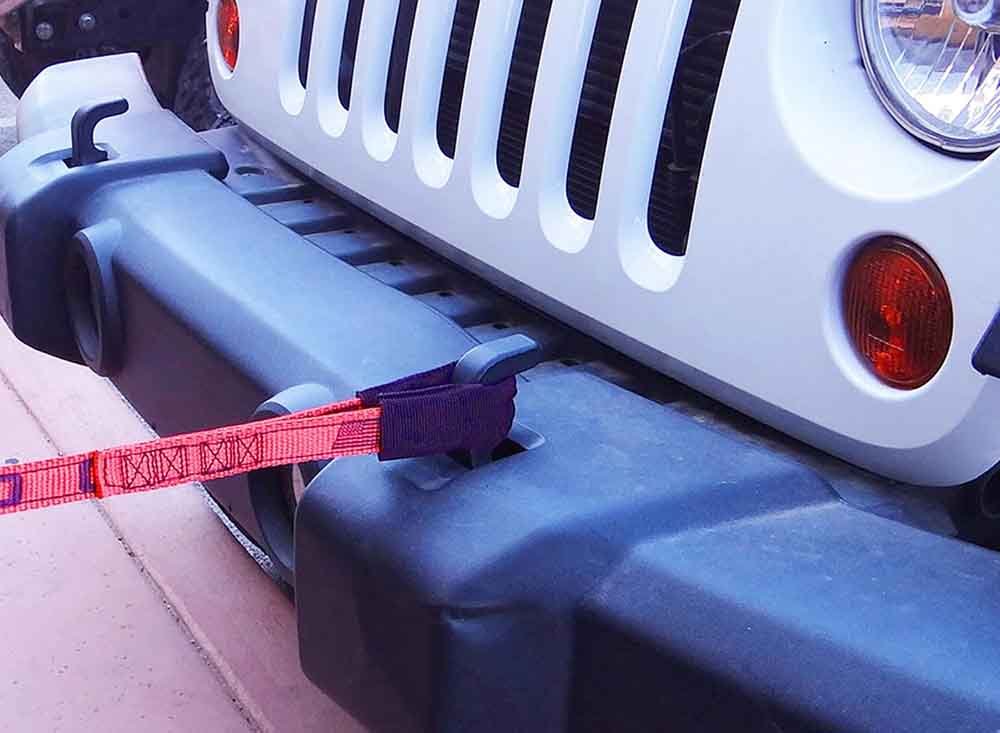
Towing a disabled vehicle can be a high-stress situation—whether you’re stuck in mud or assisting a friend whose car has a flat battery. Choosing between a tow rope and a tow strap isn’t just about grabbing the first piece of equipment you see; it’s about safety, strength, and reliability. In fact, the wrong choice can damage vehicles or even cause serious injuries.
A tow strap is typically constructed from durable woven polyester webbing, providing high tensile strength and minimal stretch, whereas a tow rope is usually made from nylon or polypropylene, offering more elasticity but less load capacity. Tow straps generally handle more weight, resist abrasion better, and maintain consistent performance over repeated use, making them preferable for heavy-duty or frequent towing applications.
Picture this: you’re on a family camping trip, your SUV bogged down in thick mud. As the sun dips below the treeline, tension mounts. Will your gear pull you out—or snap under pressure? Read on, because knowing which towing solution you choose could be the difference between freeing your vehicle before dinner or spending the night in the woods.
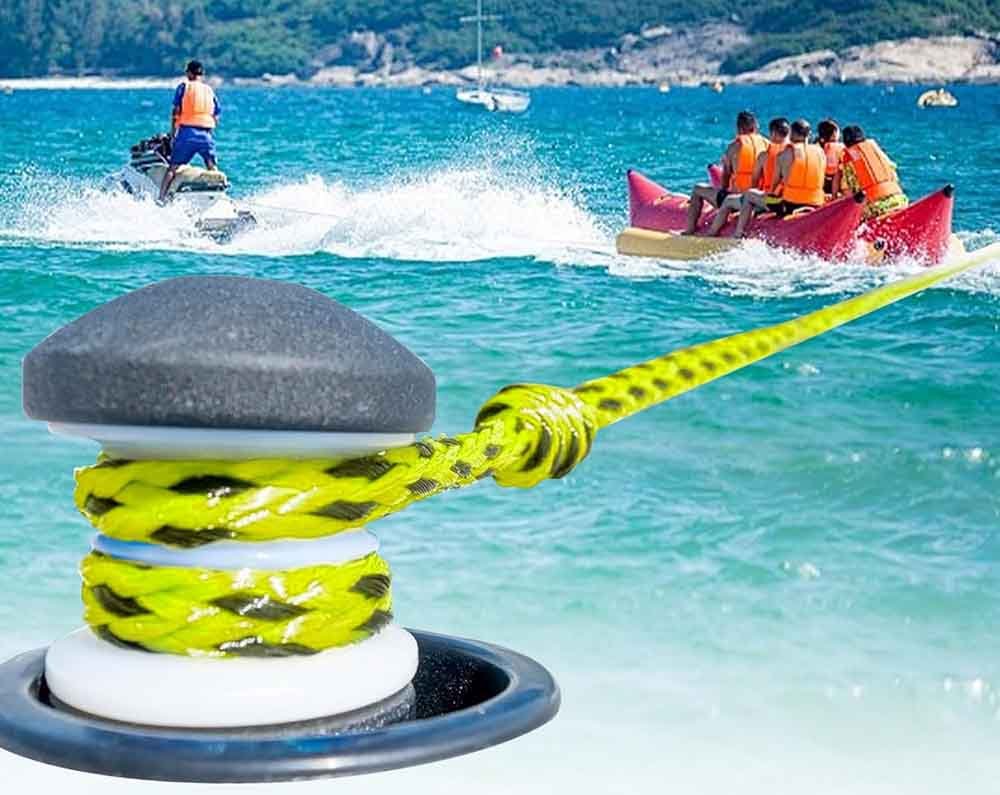
A tow rope is a lightweight, flexible line typically made from nylon or polypropylene fibers, designed to absorb shock through stretch as one vehicle pulls another. The elasticity reduces jarring forces during a tow, protecting both vehicles’ tow points. However, tow ropes often have lower working load limits (WLL) and can degrade faster under UV exposure or abrasion, making them better suited for occasional, light-duty towing.
Tow ropes owe their shock-absorbing properties to the stretch of nylon (up to 20–30% elongation) or polypropylene (up to 15–20% elongation) fibers. This give is great when starting a tow on uneven terrain, as it prevents sudden jolts that could bend tow hooks or damage bumpers. However, that very stretch can feel sloppy; if you need precise vehicle control—such as during highway lane changes—a tow rope’s elasticity might make steering feel unpredictable.
In addition, the typical breaking strength for nylon tow ropes ranges from 5,000 to 15,000 lb, with a safe WLL at about one-third of that rating. Polypropylene ropes often max out around 10,000 lb breaking strength, with WLL closer to 3,000 lb. Below is a comparison:
| Material | Typical Break Strength | Working Load Limit | Stretch (%) | UV Resistance |
|---|---|---|---|---|
| Nylon Rope | 5,000–15,000 lb | 1,700–5,000 lb | 20–30% | Moderate |
| Polypropylene | 6,000–10,000 lb | 2,000–3,300 lb | 15–20% | Low |
Finally, tow ropes are generally more affordable—costing around $30–$80 for a 20- to 30-foot length—but require more frequent inspection and replacement. UV light, dirt, and abrasion can cause fraying, so a visual check before each use is essential.
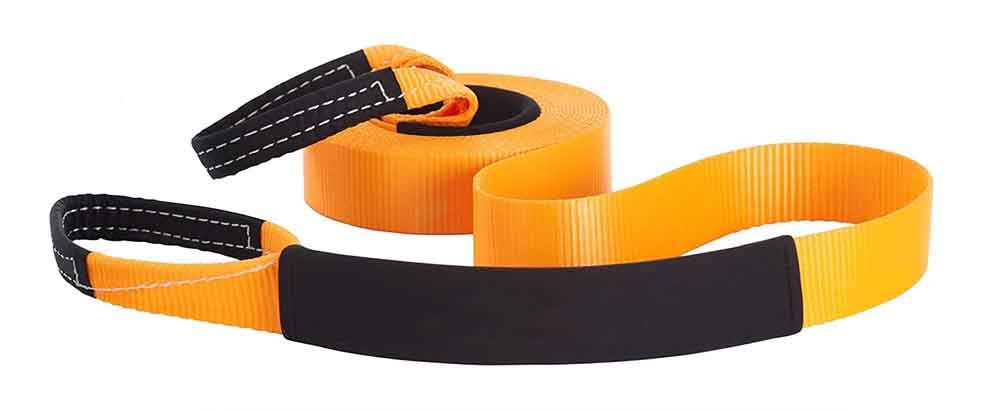
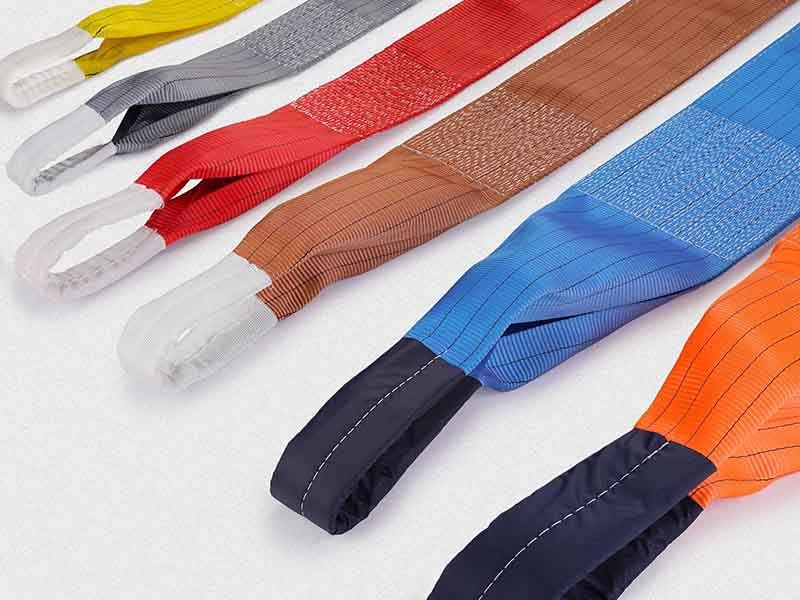
A tow strap is a flat, woven webbing—commonly made from polyester—designed for minimal stretch (under 5%) and high abrasion resistance. Unlike round tow ropes, straps distribute load evenly across their width, reducing wear on recovery points and providing immediate response when tension is applied. With working load limits typically ranging from 10,000 to 30,000 lb, tow straps offer superior strength and durability for heavy-duty or frequent towing tasks, whereas ropes excel primarily in light-duty, shock-absorbing scenarios.
Tow straps are most often crafted from tightly woven polyester fibers, which naturally resist UV degradation and moisture absorption. This material choice means straps retain up to 95% of their tensile strength after prolonged sun exposure—whereas nylon ropes can lose as much as 30% strength over time. The flat profile also minimizes snagging on rocks, chassis edges, or hitch receivers, making straps ideal for off-road recoveries.
Because tow straps stretch only about 3–5% under load, they deliver immediate, predictable tension. This lack of “give” provides better steering control during highway towing and prevents the whip-like recoil that can occur if a rope snaps under tension. For example, a 2-inch-wide, single-ply polyester strap often carries a working load limit (WLL) of 10,000 lb, while a 4-ply version can handle up to 30,000 lb—far exceeding most automotive towing requirements.
| Feature | Tow Strap (Polyester) | Tow Rope (Nylon) |
|---|---|---|
| Typical Working Load | 10,000–30,000 lb | 1,700–5,000 lb |
| Stretch Under Load | < 5% | 20–30% |
| UV & Weather Resistance | High | Moderate |
| Wear Distribution | Flat, even | Round, focal points |
Despite their advantages, tow straps are less forgiving when a sudden jolt occurs; with minimal stretch, the entire force transmits instantly to vehicle frames. In heavy-impact recoveries—like pulling a deeply buried truck—this can transfer shock to chassis components. Ropes absorb some of that shock, reducing risk of structural damage in those niche cases.
Moreover, straps require careful anchoring to avoid cutting fibers on sharp recovery points. Many users add protective sleeves or wrap straps in a sacrificial cloth to lengthen service life. Ultimately, selecting between a strap and rope hinges on weighing precise control and heavy-load capacity against the need for shock absorption and light-duty flexibility.
Tow straps overwhelmingly outperform tow ropes in strength and durability. A typical 2-inch polyester strap offers a working load limit (WLL) of 10,000–30,000 lb with a 2:1 or 3:1 safety factor, while a comparable-diameter nylon rope usually tops out at a 4:1 safety factor yielding only 1,700–5,000 lb WLL. Straps resist abrasion, UV damage, and fatigue far better, maintaining over 90% of their tensile strength after thousands of cycles—making them the obvious choice for heavy or repeated towing.
Tow straps are rated with lower safety factors (2:1 or 3:1), so a 30,000 lb break-strength strap still guarantees 10,000–15,000 lb WLL. Conversely, nylon ropes often use a 4:1 factor: a 15,000 lb break-strength rope supports only about 3,750 lb in practice.
Polyester webbing in straps retains rotational stability and tensile strength (over 90%) across thousands of load cycles. Nylon ropes, by contrast, lose up to 30% strength after repeated stretching, making them a hidden weak link in long-term or frequent use.
The flat, 2″ profile of a strap spreads force evenly across both the webbing and vehicle recovery points, reducing localized wear. Round ropes focus stress on a smaller cross-section, increasing the risk of chafe and fiber breakage at contact edges.
Straps boast superior UV and moisture resistance—polyester weaves endure prolonged sun and saltwater exposure with minimal degradation. Nylon and polypropylene ropes degrade faster under UV light and can absorb water (nylon) or become brittle (polypropylene), shortening service life.
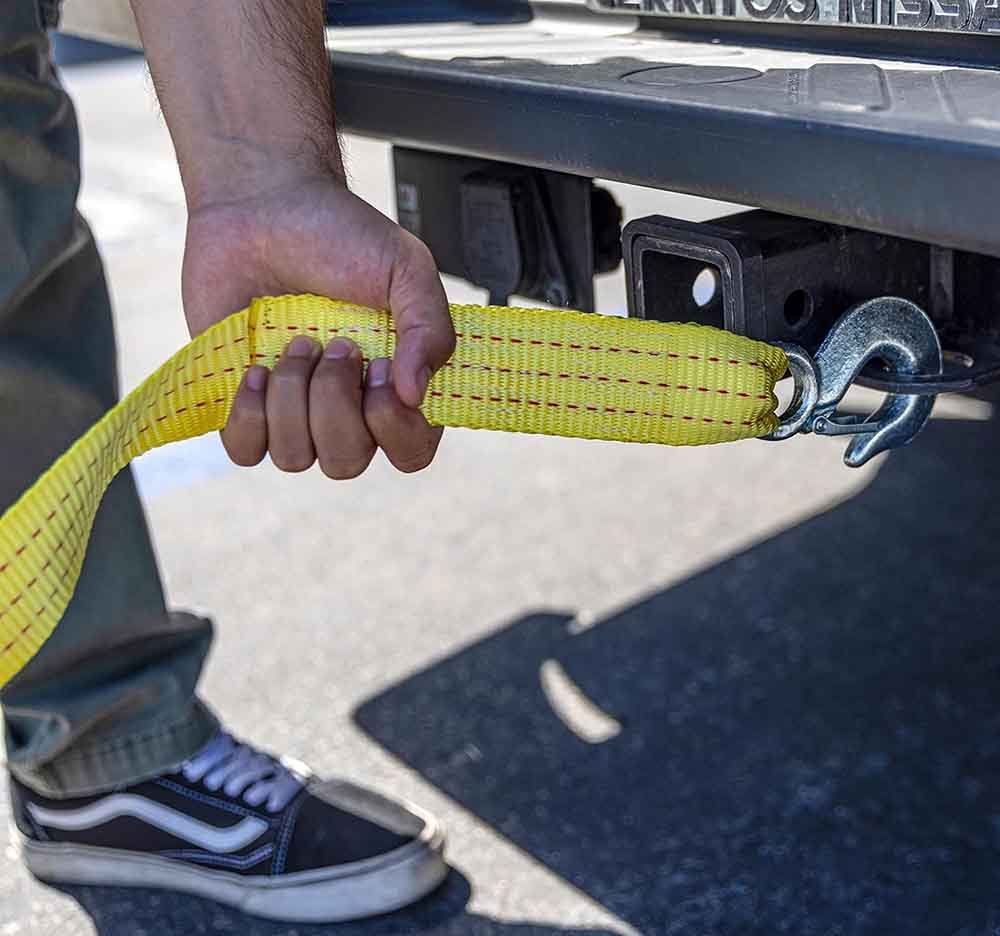
Tow ropes are typically braided or twisted from nylon or polypropylene fibers, offering round cross-sections that allow for dynamic stretch. Tow straps are woven from polyester or other high-modulus fibers into flat webbing, sometimes reinforced with nylon edge fibers for abrasion resistance. Heavy-duty straps may incorporate multiple plies to boost strength. Manufacturers also add protective sleeves or wear pads to high-stress areas, extending gear life under severe off-road or commercial towing environments.
Tow Rope Construction:
Tow Strap Construction:
| Component | Rope | Strap |
|---|---|---|
| Core Material | Nylon or Polypropylene fibers | Polyester webbing (sometimes nylon) |
| Structure | Braided or twisted round cord | Flat woven plies |
| Protective Features | PVC coating, chafe sleeves | Reinforced edges, abrasion sleeves |
Innovations include high-visibility colors for safety and reflective threads for night operations. Szoneier’s custom capabilities allow clients to choose webbing widths, colors, and logos, ensuring both functionality and brand visibility.
Select a tow strap for heavy vehicles, repeated tows, or off-road recovery thanks to its higher WLL, low stretch, and durability. Opt for a tow rope when towing lighter vehicles occasionally, especially in scenarios where shock absorption is beneficial—like starting a stuck car on uneven terrain. Always match the gear’s WLL to at least 1.5× the vehicle’s weight, inspect for damage before each use, and consider environmental factors like UV exposure and abrasion.
Assess Vehicle Weight & Towing Frequency:
Environmental Considerations:
Towing Dynamics:
By matching the towing scenario to the gear’s characteristics, you minimize risk and maximize efficiency.
Due to their higher tensile strength, minimal stretch, and superior abrasion and UV resistance, tow straps generally offer enhanced safety over tow ropes—especially under heavy loads or frequent use. Straps are less prone to sudden failure, reduce jerking motions, and maintain consistent performance in diverse environments. However, proper use, correct anchoring points, and regular inspection remain critical regardless of whether you choose a rope or a strap.
Minimized Snapback Risk:
Elastic tow ropes store energy as they stretch; if a rope fails under tension, the recoil can cause dangerous snapback. Tow straps, with minimal elongation, store far less energy, reducing recoil hazards.
Durability & Inspection:
Polyester webbing resists fraying, UV damage, and mildew—common causes of unseen weakening in nylon or polypropylene ropes. This longevity reduces the chance of hidden defects leading to catastrophic failure.
Anchor Point Integrity:
Flat straps distribute load more evenly across a vehicle’s recovery points, decreasing the likelihood of pulling out mounting bolts or deforming hitch receivers. Round ropes concentrate force on smaller areas, which can dent or tear metal surfaces.
Nevertheless, safety remains a function of correct matching of WLL to vehicle weight, use of rated recovery points (never bumper eyes), and avoidance of shock loading by using gradual pulls or snatch blocks.
Before each tow, inspect straps and ropes for cuts, fraying, UV damage, or chemical exposure. Clean gear with mild soap and water, dry thoroughly, and store out of direct sunlight. Use appropriate recovery points, avoid sharp edges (use protective sleeves or damp cloths), and apply gradual force rather than sudden jerks. Replace any gear showing damage or after severe off-road recovery to maintain safety and performance.
Inspection Checklist:
Maintenance Tips:
Proper Use Techniques:
Tow ropes are cost-effective for light, infrequent towing needs, with entry-level prices around $30. Tow straps, ranging $50–$120, deliver greater longevity and reliability for heavy or repeated use, reducing replacement frequency. For occasional roadside assistance, a rope may suffice; for off-road adventures, fleet operations, or commercial towing, the higher upfront cost of straps yields better long-term value through improved safety and fewer failures.
Cost Comparison Table:
| Gear Type | Price Range | Average Lifespan | Replacements/Year (Light Use) | Total Annual Cost* |
|---|---|---|---|---|
| Tow Rope | $30–$80 | 1–2 years | 1–2 | $30–$160 |
| Tow Strap | $50–$120 | 3–5 years | 0.2–0.5 | $10–$60 |
Hidden Costs:
Frequent rope replacements add hidden expenses, not to mention the risk of equipment failure at critical moments. Conversely, durable straps require less upkeep and offer resale value if kept in good condition.
Application Scenarios:
Choosing between a tow rope and a tow strap comes down to understanding your towing needs, vehicle weight, and environment. Tow ropes offer elasticity and budget-friendly solutions for light, occasional use, while tow straps deliver superior strength, durability, and safety for demanding or frequent towing situations.
Ready to equip your fleet or off-road rig with the ideal towing gear? Contact Szoneier today to customize your tow straps or ropes. With over 18 years of expertise in webbing R&D and manufacturing, Szoneier delivers premium, low-MOQ custom solutions, free design and sampling, and fast lead times. Whether you need branded polyester straps for your tow service or heavy-duty nylon ropes for outdoor adventures, our team will work with you to create the perfect towing solution—built to your specifications and backed by 100% quality assurance.
Get in touch now for a personalized quote and take the stress out of towing!

 Optimized by Seraphinite Accelerator