
From Inquiry to Delivery
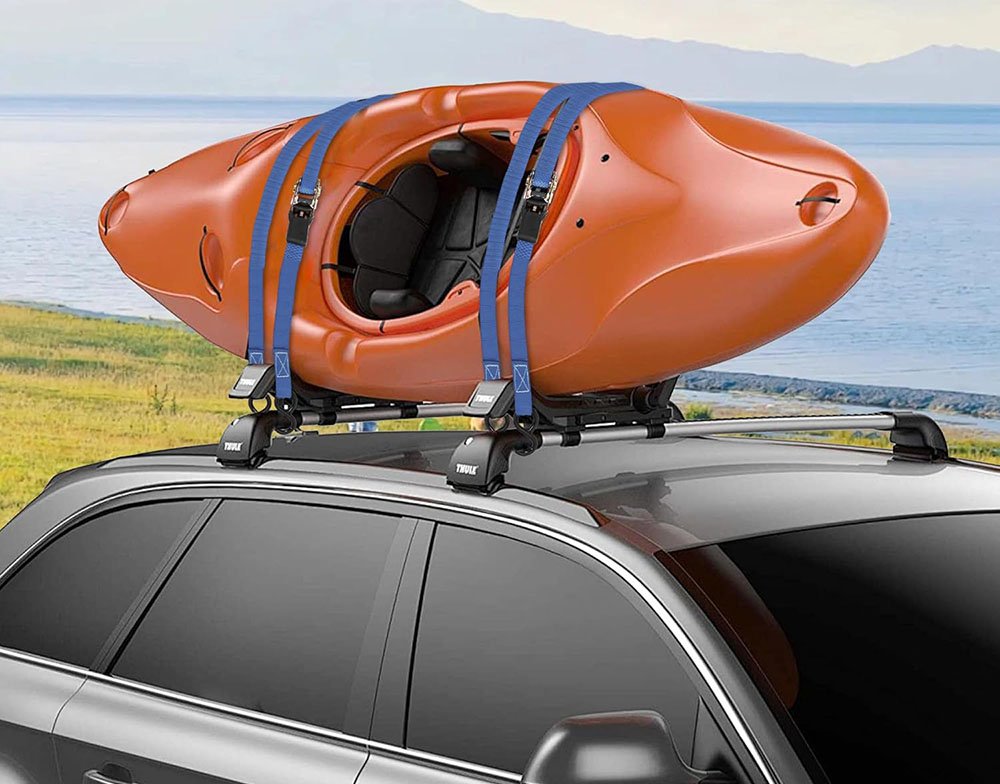
Whether you’re hauling a motorcycle across state lines or securing a load on a pickup bed, ratchet straps are the unsung heroes of safe cargo transport. But what exactly gives them that remarkable blend of strength and flexibility?
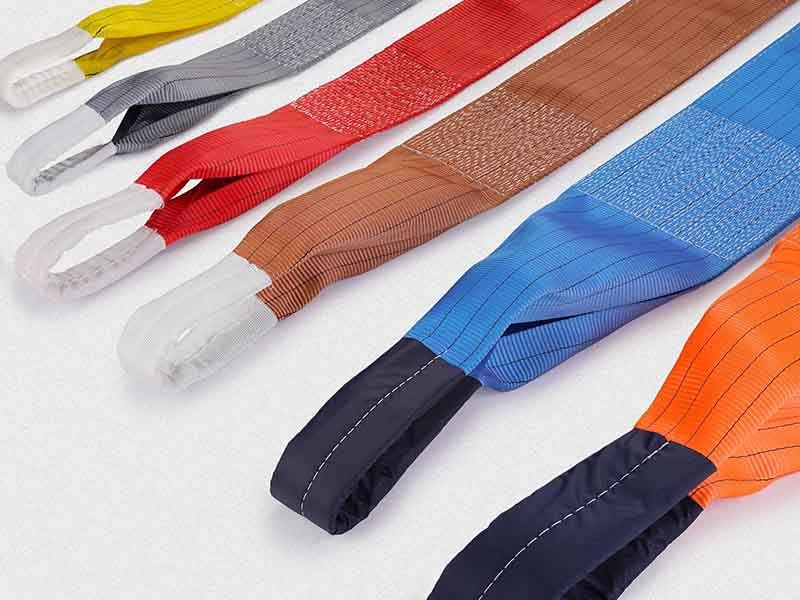
Ratchet straps consist of two main components: a heavy‑duty woven webbing—usually polyester—for high tensile strength and low stretch, plus a steel ratchet mechanism with a corrosion‑resistant coating. Together, they deliver reliable load control, UV resistance, and ease of use for everything from moving furniture to industrial freight.
I’ll never forget the time I borrowed a friend’s “rugged” ratchet strap—only to find the webbing stretched like a rubber band and the rusty ratchet jammed on the highway. Let’s dive into what makes professional‑grade straps different, so you’ll never be caught stranded.
Most ratchet strap webbing is high‑tenacity polyester, prized for its tensile strength (up to 6,000 lbs per strap), minimal water absorption (<0.5%), and UV stability. Some lighter straps use polypropylene, but it offers lower abrasion resistance.
High‑Tenacity Polyester
Polypropylene
Comparative Table
| Property | Polyester Strip (2″) | Polypropylene Strip (2″) |
|---|---|---|
| Tensile Strength (lbs) | 5,000–6,000 | 2,000–3,000 |
| Elongation (%) | 10–15 | 20–25 |
| UV Resistance (hrs) | 2,000–3,000 | 1,000–1,500 |
| Water Absorption (%) | 0.5 | 0.2 |
| Abrasion Cycles (ASTM) | 50,000+ | 25,000 |
While polypropylene floats and resists chemicals, its abrasion life is roughly half that of polyester. For heavy‑duty, long‑term use, polyester remains the gold standard.
Ratchet hardware is typically zinc‑plated or powder‑coated steel for corrosion resistance, with some premium models using stainless steel or nickel plating. These treatments protect moving parts in harsh environments.
Base Metal Choices
Protective Coatings
Wear Components
Case Study: In marine applications, stainless‑steel ratchets lasted 3× longer than zinc‑plated under daily salt‑spray exposure.
Webbing thickness (measured in mils) and weave pattern (plain vs. basket) directly impact strap performance. Thicker, tighter weaves resist abrasion and fatigue, while looser weaves offer better flexibility but wear faster under friction.
Thickness Metrics
Weave Patterns
Abrasion Testing
| Thickness (mm) | Weave | Martindale Cycles | WLL (lbs) |
|---|---|---|---|
| 1.2 | Plain weave | 50,000 | 2,000 |
| 1.5 | Basket weave | 40,000 | 3,000 |
| 2.0 | Plain weave | 60,000 | 4,000 |
Practical Insight: If you’re securing heavy machinery, opt for thicker, plain‑weave straps. For general cargo, the extra cushion of a basket weave eases tension peaks.
Quality polyester webbing often includes UV stabilizers (HALS) that extend service life to 2,000–3,000 hours in direct sun. Powder‑coated or stainless‑steel hardware resists rust, making straps suitable for year‑round outdoor use.
UV Additives
Weather Resistance
Field Data: Commercial fleet straps show 10–15% strength loss after 12 months of rooftop sun exposure without HALS; stabilized straps lose <5%.
Ratchet straps must comply with EN 12195‑2 (Europe) or AS MEGA (USA) standards, specifying Working Load Limit (WLL) at 20–50% of breaking strength and Safety Factor of 2:1 or 3:1 for different classes.
Key Ratings
| Rating Type | Definition | Typical Value |
|---|---|---|
| Breaking Strength | Force to failure of webbing/ratchet | 6,000 lbs+ |
| Working Load Limit | Max safe load under normal use | 1,500–3,000 lbs |
| Safety Factor (SF) | Breaking Strength ÷ WLL | 2:1 (industrial) |
Regulatory Bodies
Labeling Requirements
Enforcement & Testing
Inspect straps before each use: check webbing for cuts, frays, or discoloration; test ratchet for smooth action and pawl engagement. Clean with mild soap, rinse, and air‑dry. Store in a cool, dry place away from UV.
Inspection Checklist
Cleaning Protocol
Storage Tips
Replacement Triggers
Most dyeing and screen‑printing processes on polyester straps do not significantly affect strength if done with low‑temperature, water‑based inks. However, overly aggressive laser etching or thick paint layers can create micro‑cracks and weaken webbing.
Coloration Techniques
Logo Application Risks
Quality Control
Case Example: A logistics firm’s custom‑printed straps held 2,500 lbs WLL post‑print, passing all load tests without issue.
If you’re looking for logo‑branded, heavy‑duty ratchet straps engineered for maximum strength and corrosion resistance, Szoneier has you covered. We offer free design mockups, complimentary samples, and flexible MOQs to serve both small businesses and high‑end clients worldwide.
Contact us today for a personalized quote and ensure your cargo never rides unsecured again!


No worries, please contact us and we will answer all the questions you have during the whole process of webbing customization.
If you have your own artwork, logo design files, or just an idea,please provide details about your project requirements, including preferred fabric, color, and customization options,we’re excited to assist you in bringing your bespoke bag designs to life through our sample production process.

Copyright ©2021 Szoneier , All rights reserved.
Looking for premium custom webbing? Contact us now for competitive pricing, free samples, and expert consultation. Fill out the form below, and our team will get back to you within 24 hours!
