
From Inquiry to Delivery
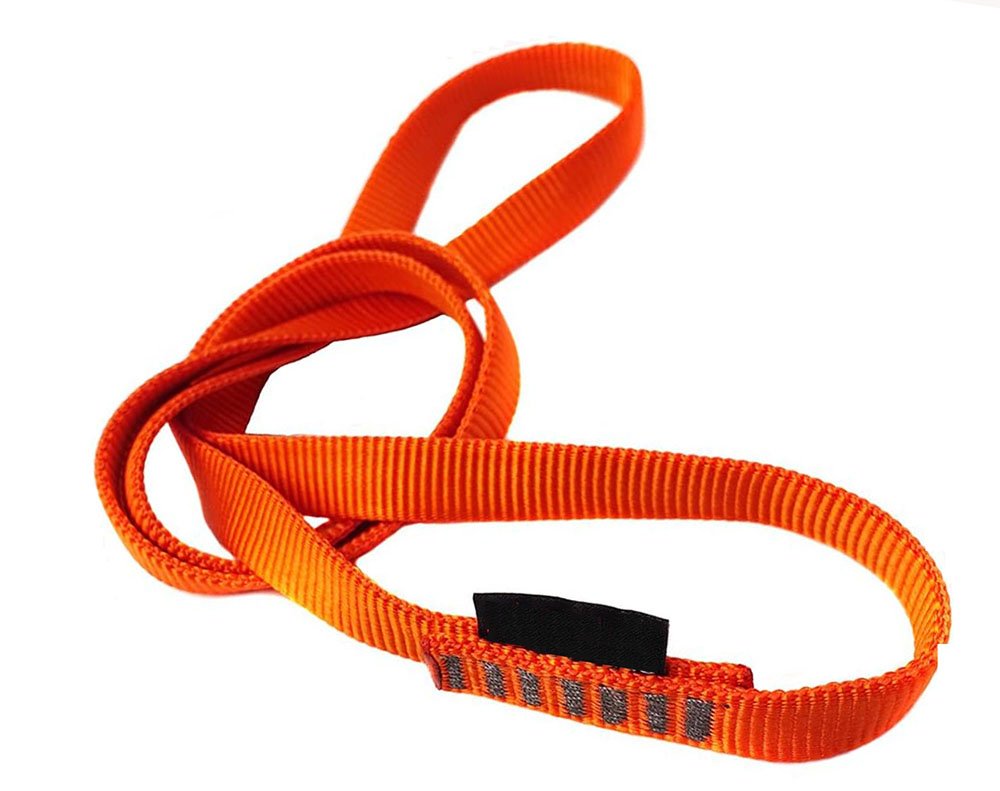
Tubular webbing is more than just a loop of fabric—it’s a high‑performance strap designed for strength, flexibility, and durability in the toughest applications. Tubular webbing consists of a continuous woven tube of synthetic fibers that resists abrasion, handles heavy loads, and flexes without creasing. Whether you’re belaying on a cliff, securing cargo, or crafting backpack straps, tubular webbing delivers unmatched performance.
Tubular webbing is a seamless, cylindrical strap made from woven synthetic fibers like nylon or polyester. Its hollow core and tubular structure give it superior flexibility, abrasion resistance, and load capacity, making it ideal for climbing, rescue operations, cargo lashings, and more.
I’ll never forget my first time using tubular webbing on a DIY hammock—I thought a flat strap would do fine. One afternoon, after a gentle creak, the flat strap pinched and tore, sending me tumbling into the grass. That day I learned: when strength and comfort matter, tubular webbing has your back.
Tubular webbing is a continuous loop of woven synthetic fibers—typically nylon or polyester—that forms a hollow tube. This design delivers excellent flexibility, uniform strength distribution, and abrasion resistance compared to flat webbing alternatives.
Manufacturing Process
Structural Advantages
Common Tube Diameters
| Diameter (mm) | Flat Width Equivalent | Typical Use |
|---|---|---|
| 5 | 10 mm | Light slings, loops |
| 8 | 16 mm | Harnesses, tie‑downs |
| 12 | 25 mm | Heavy cargo straps |
Critical Perspective
Most tubular webbing uses nylon for elasticity and abrasion resistance or polyester for UV stability and low stretch. Specialty blends like polypropylene or aramid fibers serve niche demands for chemical resistance or extreme temperatures.
Nylon (Polyamide)
Polyester (PET)
Specialty Fibers
| Fiber Type | Key Feature | Typical Application |
|---|---|---|
| Polypropylene | Chemical resistance | Marine, chemical plants |
| Aramid (Kevlar) | Heat & cut resistance | Firefighting gear, cut‑proof gloves |
| UHMWPE (Dyneema) | Ultra‑high strength | Lightweight climbing slings |
Environmental Impact
Tubular webbing finds uses in climbing slings, rescue harnesses, cargo lashings, pet leashes, backpack straps, and industrial tie‑downs, where strength, flexibility, and abrasion resistance are paramount.
Outdoor & Rescue
Industrial & Cargo
Recreational & Consumer
Medical & Safety
Critical Analysis
Tubular webbing’s hollow, rounded profile offers uniform load distribution, superior abrasion resistance, and easier handling compared to flat webbing, which can crease, fray at edges, and concentrate stress at fold points.
Edge vs. Tube Stress
Flexibility & Handling
| Property | Tubular Webbing | Flat Webbing |
|---|---|---|
| Bend Radius | 5 × diameter | 10 × width |
| Knotability | High | Moderate |
| Flat Storage | Rolls | Folds |
Abrasion Resistance
Which Is an Advantage?
Case Study
Tubular webbing strength is rated by breaking strength (e.g., 6,000 lbs for 1 in nylon) and working load limit (WLL, typically 1/5 of break strength). Diameter choices range from 5 mm for light loops to 25 mm for heavy‑duty straps.
Specification Table
| Diameter | Material | Breaking Strength | WLL (5:1 SF) | Typical Weight (g/m) |
|---|---|---|---|---|
| 5 mm | Nylon | 2,200 lbs | 440 lbs | 25 |
| 8 mm | Polyester | 3,500 lbs | 700 lbs | 40 |
| 12 mm | Nylon | 6,000 lbs | 1,200 lbs | 65 |
| 25 mm | Polyester | 10,000 lbs | 2,000 lbs | 120 |
Safety Factor (SF)
Diameter vs. Flexibility
Quality Standards
Key sectors include mountaineering, roofers and construction, transport and logistics, marine, fire and rescue, medical, and outdoor recreation, each leveraging tubular webbing’s strength and abrasion resistance.
Mountaineering & Climbing
Construction & Roofing
Transport & Logistics
| Sector | Strap Type | Load Range |
|---|---|---|
| Flatbed Trucks | Ratchet Straps | 2,000–5,000 lbs |
| Air Freight | Cargo Net Loops | 500–2,000 lbs |
Marine
Rescue & Firefighting
Medical
Recreational
Yes—UV‑stabilized polyester and high‑tenacity nylon blends offer 2,000–4,000 hours UV resistance and incorporate felted or plasma‑coated surfaces to achieve abrasion resistance up to 50,000 Martindale cycles.
UV Stabilization Techniques
Abrasion Testing
| Test Method | Material | Cycles to Failure |
|---|---|---|
| Martindale (Textile) | Standard nylon tubular | 30,000–40,000 |
| Taber (Coated) | PU‑coated polyester tubular | 50,000+ |
Protective Coatings
User Considerations
Inspect visually before each use for cuts, frays, or discoloration. Clean with mild soap and water, avoid harsh solvents. Store away from UV and chemicals; replace every 3–5 years or immediately if damage appears.
Inspection Checklist
Cleaning Protocol
| Step | Method |
|---|---|
| Rinse | Lukewarm water |
| Soak & Agitate | Mild detergent, soft brush |
| Rinse Thoroughly | Remove all soap residue |
| Air Dry | Shade, avoid direct sunlight |
Storage Tips
Service Life Data
When to Retire
Whether you need custom colors, logo printing, or specialty coatings, Szoneier delivers expert R&D, free design support, and sample services to global small buyers and high‑end brands. Contact us today for a quote and let’s craft your perfect tubular webbing solution!


No worries, please contact us and we will answer all the questions you have during the whole process of webbing customization.
If you have your own artwork, logo design files, or just an idea,please provide details about your project requirements, including preferred fabric, color, and customization options,we’re excited to assist you in bringing your bespoke bag designs to life through our sample production process.

Copyright ©2021 Szoneier , All rights reserved.
Looking for premium custom webbing? Contact us now for competitive pricing, free samples, and expert consultation. Fill out the form below, and our team will get back to you within 24 hours!
