...

From Inquiry to Delivery

10 Best Tow Strap Brands of 2025: A Comprehensive Guide

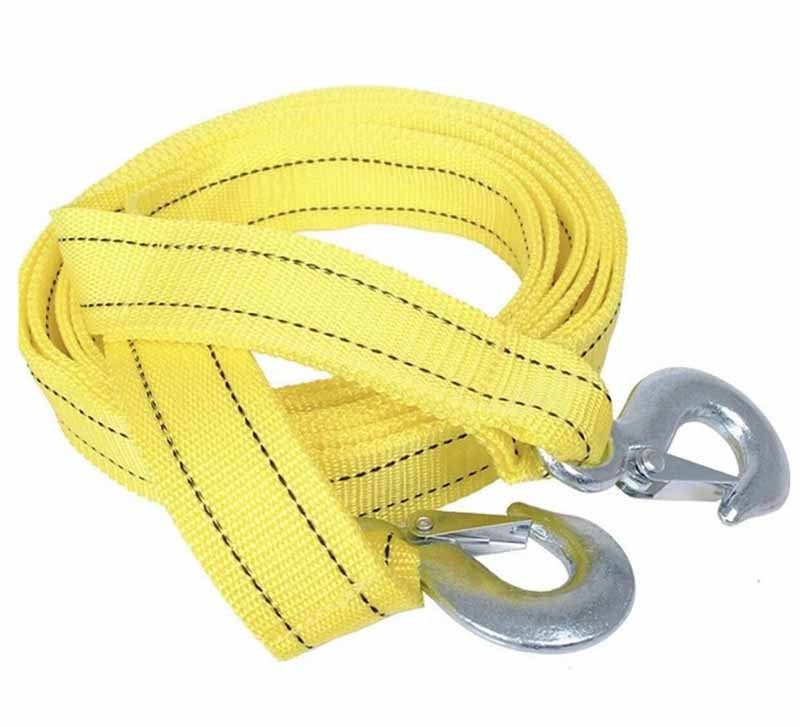
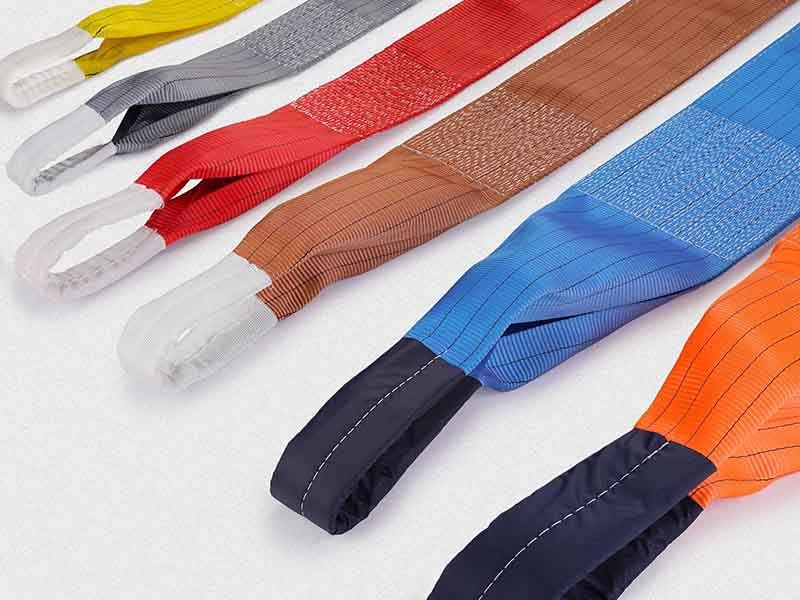
Tow straps have evolved from simple nylon ropes to high‑tech, UV‑resistant, abrasion‑guarded recovery tools built for both roadside emergencies and hardcore off‑road adventures. As vehicle weights climb and off‑road culture booms, consumers demand straps that not only meet high working load limits (WLL), but also offer minimal stretch, long‑term durability, and user‑friendly features. Modern best‑in‑class straps incorporate reinforced loop ends, protective sleeves, moisture‑wicking webbing, and clear color‑coded strength indicators—so you can hook up quickly and safely, day or night.

The best tow straps in 2025 combine a WLL of at least 10,000 lbs, durable polyester or nylon webbing with controlled stretch, reinforced loop ends, protective abrasion sleeves, and UV‑resistance. These features ensure repeatable, safe recoveries across various towing scenarios.

Imagine you’re at dawn on a muddy trail, rain still drizzling, and your buddy’s 4×4 is buried up to its fenders. You pull out a trusty kinetic rope that stretches just enough to absorb the shock and fires his rig out of the muck—no fraying, no surprise snaps. Now picture that same confidence on a highway tow: minimal stretch keeps both vehicles steady at speed. That’s the world of 2025 tow straps—engineered for strength, longevity, and peace of mind. Ready to find your perfect match? Let’s dive into the top 10 models and everything you need to know.

What Are the Top 10 Tow Straps for Every Budget and Application?

In 2025, the top 10 tow straps range from economy workhorses to pro‑grade recovery gear. Leading models include Rhino USA’s 30 ft polyester strap, GearAmerica’s abrasion‑guarded 2″×20 ft option, NEIKO’s high‑stretch kinetic rope, JACO’s color‑coded strength series, Bubba Rope’s proprietary poly‑silk blend, and more. Each excels in strength, durability, ease of use, and price point, ensuring there’s a perfect match whether you tow sedans, SUVs, or heavy equipment.

  1. Rhino USA 30 ft Polyester Tow Strap

    • WLL/BS: 10,000 lbs / 50,000 lbs
    • Material: UV‑resistant polyester webbing
    • Features: Double‑stitched loops, abrasion sleeve
    • Price: $39.99

    Rhino’s strap has long been a best‑seller for light trucks and SUVs. The polyester webbing offers controlled stretch—roughly 10%—to absorb shock without excessive bounce. The heavy‑duty abrasion guard sleeve protects against sharp edges, and the UV treatment extends service life in sunny climates.

  2. GearAmerica 2″ × 20 ft Utility Tow Strap

    • WLL/BS: 8,000 lbs / 40,000 lbs
    • Material: Industrial‑grade polyester
    • Features: Color‑band strength ID, reinforced loops
    • Price: $29.50

    GearAmerica targets budget‑conscious users who still require reliable performance. The bright color bands denote working load visually, making it easy to grab the right strap in low‑light conditions.

  3. NEIKO 2 × 30 ft Kinetic Recovery Rope

    • WLL/BS: 16,000 lbs / 80,000 lbs
    • Material: Kinetic poly blend (polyester & polyamide)
    • Features: 30% stretch for shock absorption, protective sleeve
    • Price: $89.99

    Kinetic ropes differ fundamentally from static straps: they stretch up to 30%, storing energy to “launch” stuck vehicles free. NEIKO’s rope is heat‑sealed at ends to prevent fraying.

  4. JACO Premium Tow Strap Series

    • Options: 2″×20 ft (10 K), 3″×30 ft (20 K), 4″×30 ft (30 K)
    • Features: Color‑coded for WLL, heavy‑duty webbing
    • Price Range: $35–$75

    JACO’s color‑coded series simplifies pairing strap size to tow load—green for 10 K, blue for 20 K, red for 30 K—ideal for mixed fleets.

  5. Bubba Rope Poly‑Silk Blend Tow Strap

    • WLL/BS: 12,000 lbs / 60,000 lbs
    • Material: Proprietary poly‑silk blend
    • Features: Low stretch, lightweight
    • Price: $79.99

    Bubba’s specialty blend resists abrasion and water absorption, making it perfect for marine and off‑road rescue.

  6. ARB Recovery Tow Strap

    • WLL/BS: 12,000 lbs / 60,000 lbs
    • Material: Polyester tubular webbing
    • Features: Integrated gear loops, protective sleeve
    • Price: $69.00
  7. MAXTRAX Utility Strap

    • WLL/BS: 8,000 lbs / 40,000 lbs
    • Material: Polyester
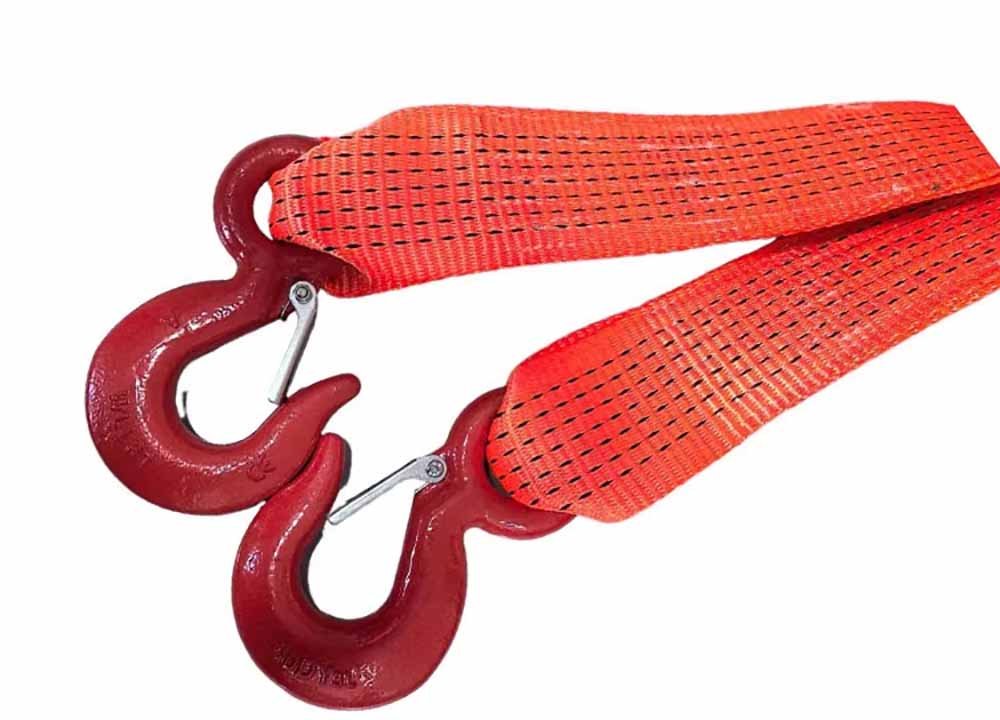
    • Features: Gear attachment loops, hi‑vis orange
    • Price: $32.50
  8. Sumex 4″ × 30 ft Heavy‑Duty Strap

    • WLL/BS: 30,000 lbs / 150,000 lbs
    • Material: Industrial polyester
    • Features: Extra‑wide webbing, reinforced ends
    • Price: $119.00
  9. Milescraft 2 × 30 ft Tow Strap

    • WLL/BS: 10,000 lbs / 50,000 lbs
    • Material: Polyester
    • Features: Color‑coded loops, easy storage bag
    • Price: $44.99
  10. TRED Pro Series Polyester Strap

  • WLL/BS: 15,000 lbs / 75,000 lbs
  • Material: High‑tenacity polyester
  • Features: Integrated wear sleeve, quick‑dry
  • Price: $59.99
BrandSizeWLLMaterialPrice
Rhino USA2″×30 ft10 KPolyester$39.99
GearAmerica2″×20 ft8 KPolyester$29.50
NEIKO1 ″×30 ft16 KKinetic poly blend$89.99
JACO2–4″×20–3010–30 KPolyester$35–75
Bubba Rope2″×30 ft12 KPoly‑silk blend$79.99
ARB2″×30 ft12 KPolyester tubular$69.00
MAXTRAX2″×20 ft8 KPolyester$32.50
Sumex4″×30 ft30 KIndustrial polyester$119.00
Milescraft2″×30 ft10 KPolyester$44.99
TRED Pro2″×30 ft15 KHigh‑tenacity polyester$59.99

Which Tow Strap Materials Offer the Best Strength and Stretch?

Polyester webbing offers WLL up to 50,000 lbs, low stretch (8–12%), UV and abrasion resistance—ideal for standard towing. Nylon stretches 15–25% but can absorb water, risking mildew. Kinetic poly‑blend ropes stretch 25–30% to store energy for dynamic recovery. Tubular polyester provides extra cut resistance. Match material to use: static polyester for highway pulls, nylon for shock loads, kinetic ropes for off‑road rescues.

Material science drives strap performance:

  1. Polyester Webbing

    • WLL & Stretch: Up to 50K lbs; 8–12% controlled elongation
    • Pros: Resists UV rays, chemicals, and abrasion; minimal water uptake
    • Cons: Slightly heavier than nylon
    • Use Case: Everyday towing, recovery, utility fleets

    The controlled stretch cushions shock loads, keeping tension steady. UV coating prevents sun‑induced brittleness, while polyester’s hydrophobic nature ensures quick drying after rain or mud exposure.

  2. Nylon Webbing

    • WLL & Stretch: Comparable strength; 15–25% elongation
    • Pros: Excellent shock absorption for dynamic loads
    • Cons: Water absorption up to 10% of weight; potential mildew; slower drying
    • Use Case: Hoisting or shock‑absorbing industrial lifts

    Nylon’s high stretch can smooth out sudden jerks, but overextension may challenge driver control during highway towing.

  3. Kinetic Poly‑Blend Ropes

    • WLL & Stretch: 16–20K lbs; 25–30% elongation
    • Pros: Stores kinetic energy to “pop” vehicles free; lightweight
    • Cons: Recoil hazard if misused; pricier
    • Use Case: Off‑road 4×4 recovery in mud, sand, or snow

    When properly anchored and used with a dampener, kinetic ropes offer one‑shot recoveries without snatch blocks. Always clear the bight—rope recoil can cause injury.

  4. Tubular vs. Flat Webbing

    • Tubular: Superior resistance to cuts and abrasion—webbing encircles core fibers
    • Flat: Lighter, easier to stow, but less cut‑resistant
    • Use Case: Tubular for rock‑strewn trails; flat for general towing

Critical Considerations:

  • WLL vs. Break Strength: Never tow loads above 1/3 of the strap’s BS to maintain a safety margin.
  • Environmental Factors: UV, salt spray, dirt, and chemicals degrade fibers—inspect annually and replace if worn.
  • Storage & Handling: Always roll straps loosely and avoid kinks to preserve fiber integrity.

Understanding these material nuances ensures you’ll pick a strap that performs reliably in your specific conditions—maximizing safety, longevity, and peace of mind.
How Do You Choose the Right Length and Width for Your Tow Strap?

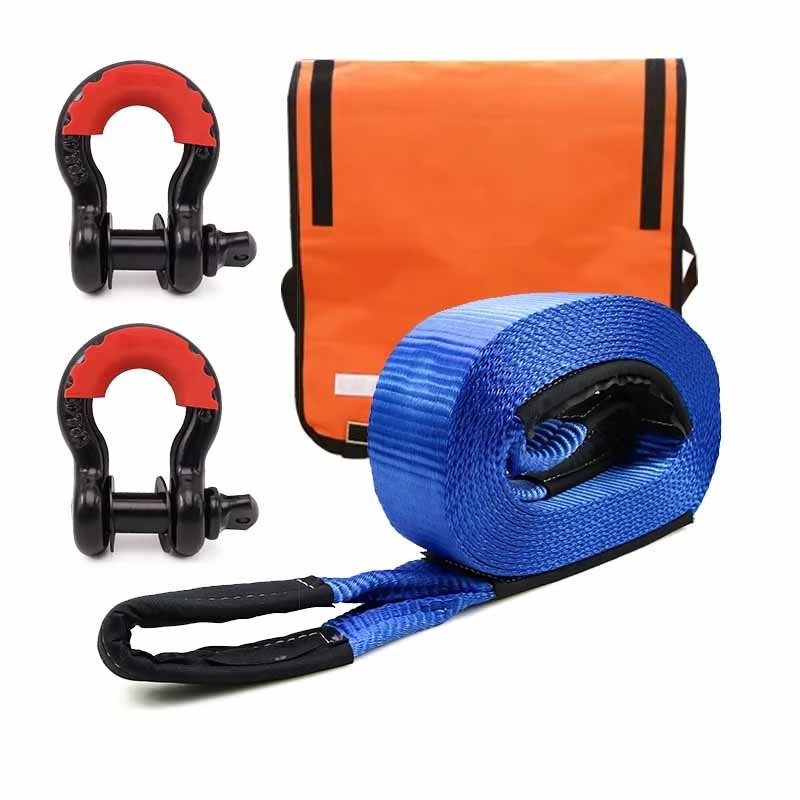
Tow straps commonly come in 20 ft and 30 ft lengths, with widths of 2″ (8 K–10 K lbs), 3″ (15 K–20 K lbs), and 4″ (30 K lbs). Shorter straps suit quick roadside pulls; longer lengths provide safer distance between vehicles. Match width to vehicle weight: compact cars (< 6,000 lbs) use 2″, mid‑size SUVs (6,000–10,000 lbs) use 3″, and heavy trucks/industrial loads (> 10,000 lbs) use 4″.

1. Length Considerations:

  • 20 ft Straps: Ideal for highway tows and tight urban parking. The shorter length minimizes strap sag and keeps bumper-to-bumper distance manageable.
  • 30 ft Straps: Preferred for off‑road or farm use, where vehicles need extra separation to navigate obstacles. The longer length lets you position vehicles at a safer distance on uneven terrain.

2. Width & Load Ratings:

WidthTypical WLLVehicle Class
2″8,000–10,000 lbsCompact cars, small SUVs
3″12,000–20,000 lbsMid‑size SUVs, light trucks
4″25,000–30,000 lbsHeavy trucks, industrial
  • 2″ Webbing: Lightweight and easy to store; suitable for sedans, motorcycles, and ATVs.
  • 3″ Webbing: The sweet spot for most SUVs and pickups; balances strength with packability.
  • 4″ Webbing: Engineered for the heaviest recoveries—construction, agriculture, and commercial fleets.

3. Stretch vs. Length Interaction:

Controlled stretch (≈ 10–12%) in a 30 ft strap adds up—expect up to 3 ft of elongation under load. Factor this into your safe distance planning.

4. Storage & Portability:

Straps longer than 30 ft become bulky. Look for models with integrated storage bags or Velcro straps to keep them neatly coiled in trunks or roof boxes.

5. Real‑World Scenario Examples:

  • Urban Breakdown: A 2″×20 ft polyester strap deploys quickly between sedan bumpers, keeps tension tight, and tucks away easily once done.
  • Off‑Road Rescue: A 2″×30 ft kinetic rope lets two Jeeps line up over uneven ground, store energy, and launch a stuck rig free in one dynamic pull.
  • Farm Equipment: A 4″×30 ft strap handles a 12,000 lb tractor, keeping safety margins and allowing ample pull distance from hazards.

By matching length and width to your typical towing scenario—and accounting for material stretch—you’ll optimize both safety and convenience anytime you need to pull, recover, or tow.
What Protective Features Ensure Longevity and Safety?

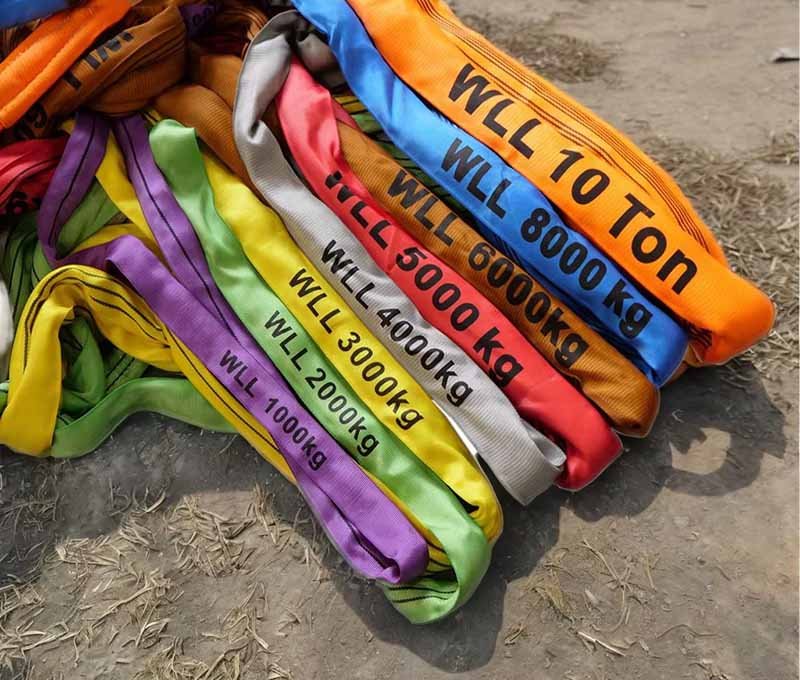
Look for reinforced loop ends, heavy‑duty abrasion sleeves, UV‑resistant coatings, heat‑sealed edges, and integrated gear loops. These features protect webbing from sharp edges, sun damage, and wear during repeated use. A wear‑indicator stripe alerts you when replacement is due, while color‑coded loops and strength bands streamline safe gear selection.

Protective design elements prolong strap life and keep users safe:

  1. Reinforced Loop Ends:
    • Additional stitching layers distribute load over a larger area, reducing stress concentrations that cause premature failure.
    • UV‑stabilized threads prevent stitch degradation from sunlight exposure.
  2. Abrasion Sleeves & Guards:
    • Sliding or fixed sleeves wrap around the middle section of the strap, shielding it from rocks, metal corners, or rough chassis surfaces.
    • Replaceable sleeves extend overall strap lifespan without swapping the entire webbing.
  3. UV‑Resistant Coatings:
    • Polyester treated with UV inhibitors resists embrittlement and strength loss—even after months strapped to a hot roof rack in direct sun.
    • Visible signs of UV damage include discoloration and stiffness; quality straps remain flexible and color‑consistent.
  4. Heat‑Sealed Edges & Sealed Ends:
    • Heat sealing prevents fraying on cut webbing ends, maintaining full strength and preventing unraveling.
    • Sealed ends also repel moisture, slowing mildew.
  5. Integrated Gear Loops & Color Coding:
    • Built‑in D‑rings or webbing loops let you attach shackles, snatch blocks, or carabiners directly to the strap end—minimizing mis‑hooking.
    • Color bands or stripes indicate WLL at a glance, reducing selection errors under stress.
  6. Wear Indicators:
    • Some straps feature a secondary colored core: once that core shows through the outer webbing, it’s time to retire the strap.
    • This proactive measure prevents hidden internal damage from going unnoticed.
  7. User‑Friendly Extras:
    • Reflective stitching or bright hi‑vis webbing makes nighttime recovery safer.
    • Storage bags with drainage holes protect straps when stowed wet.

Safety Note: Always visually inspect protective features before each use. A compromised abrasion sleeve or faded color band could hide deeper webbing damage. Investing in high‑quality protective enhancements pays off through fewer failures, lower replacement costs, and—most importantly—reduced risk of injury or property damage during a recovery.
How Should You Inspect and Maintain Your Tow Straps?

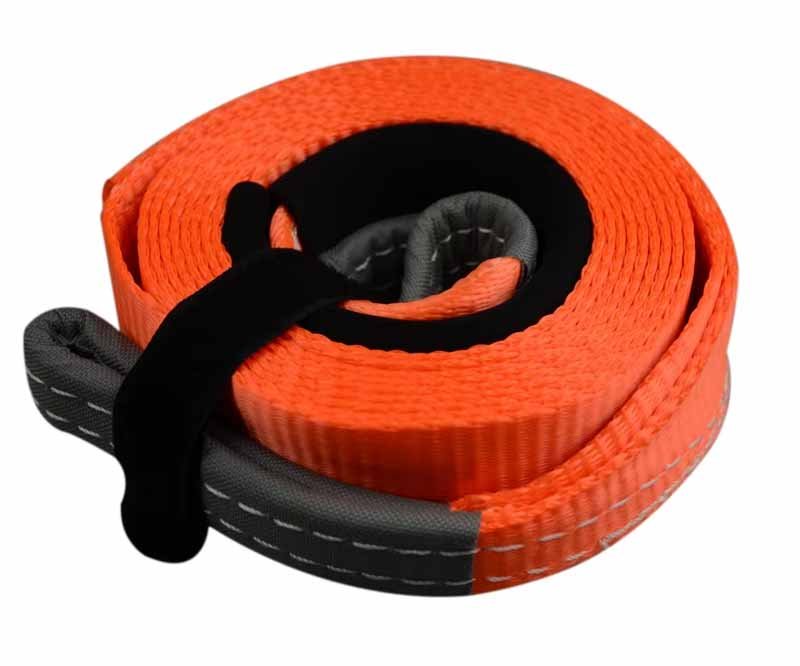
Inspect straps before each use: check for fraying, cuts deeper than 10% webbing thickness, damaged stitching, and UV‑induced stiffness. Clean with mild soap and water; air‑dry away from direct sun. Store loosely coiled in a dry, cool area—avoid kinks. Log each recovery use and retire straps after significant wear or five years of service.

1. Pre‑Use Inspection Steps:

  • Visual Check: Lay the strap flat and scan for fiber breaks, frayed edges, and discoloration.
  • Loop & Stitching: Examine loop ends for missing stitches or thread thinning. Rub your fingers along seams—snags or loose threads signal weakness.
  • Abrasion Sleeves: Slide protective sleeves along the length—ensure they move smoothly and cover the webbing adequately.
  • Hardware & Accessories: Inspect any D‑rings, shackles, or carabiners for deformation, rust, or cracked welds.

2. Cleaning & Drying:

  • Gentle Wash: Use a soft bristle brush, warm water, and mild detergent to remove grit and oil. Avoid bleach or solvents that degrade fibers.
  • Rinse Thoroughly: Residual soap can stiffen fibers over time.
  • Air‑Dry: Hang in shade; UV exposure during drying can accelerate fiber breakdown.

3. Storage Best Practices:

  • Loose Coil: Avoid tight kinks that create weak spots.
  • Dry Environment: Excess humidity fosters mold; use silica packs or dehumidifiers in storage bins.
  • Avoid Chemicals: Keep away from battery acid, paint thinner, or fuel—these can weaken synthetics.

4. Usage Logging & Retirement:

  • Logbook or App: Record each recovery: date, load approximate weight, environmental conditions (mud, saltwater).
  • Service Life: Even unused straps degrade over time. Aim to replace polyester and nylon webbing every 5 years; kinetic ropes may need replacement after 3 years depending on UV exposure.
  • Wear‑Indicator Compliance: If the colored core shows, or if more than 10% of fibers are damaged, retire immediately.

5. Repair vs. Replace:

  • Minor Surface Frays: Clip stray fibers and apply a light heat seal.
  • Stitching Damage: Professional restitching possible if you have industry‑grade sewing equipment—otherwise, replace.
  • Protective Sleeve Wear: Many brands sell replacement sleeves separately, extending strap life at lower cost.

A disciplined inspection and maintenance routine not only prolongs strap life but also ensures safe recoveries every time. After all, a damaged strap under load can fail catastrophically—putting lives and vehicles at risk.

Which Brands Lead the Industry for Warranty and Customer Support?

Leading brands like Rhino USA, GearAmerica, and ARB offer lifetime warranties, hassle‑free replacements, and responsive customer service. NEIKO and JACO provide limited lifetime coverage on kinetic ropes and heavy‑duty straps. Look for brands with clear warranty policies, positive user reviews, and global distribution networks to ensure rapid support and genuine replacement parts.

1. Rhino USA:

  • Warranty: Lifetime on workmanship and materials
  • Support: USA‑based customer service with 24‑hour response
  • Network: Widely available through major automotive retailers and online

2. GearAmerica:

  • Warranty: Lifetime on webbing; 1‑year on accessories
  • Support: Email and phone support; online FAQ and guides
  • Strength: Budget‑friendly with strong post‑sale support

3. ARB 4×4 Accessories:

  • Warranty: 3‑year limited on straps; lifetime on manufacturing defects
  • Support: Authorized distributors in 40+ countries
  • Extras: Complimentary installation advice and parts lookup

4. NEIKO:

  • Warranty: Limited lifetime on kinetic ropes
  • Support: US‑based helpline; instructional videos for safe use
  • Reliability: Known for accurate WLL testing and quality control

5. JACO:

  • Warranty: Lifetime replacement for defective stitching or webbing
  • Support: Online chat and expedited replacement shipping
  • Brand Trust: Backed by 20+ years in safety gear

6. Bubba Rope & Sumex:

  • Warranty: Pro‑rated replacement after wear indicator exposure
  • Support: Robust online communities and technical bulletins
  • Specialty: Marine and industrial segment expertise

Critical Analysis:

  • Warranty Fine Print: Always read warranty terms—some cover only manufacturing defects, not normal wear.
  • Global Reach: Brands with international distribution ensure faster RMA (return merchandise authorization) processes.
  • User Reviews: Check third‑party forums (4×4 enthusiast boards, towing industry sites) for real‑world feedback on post‑sale support.
  • Replacement Parts: Easier if the brand sells separate sleeves or loop assemblies.

By choosing a manufacturer that stands behind its product, you minimize downtime, avoid hidden costs, and gain confidence that your strap will perform—or be replaced—when you need it most.

Do You Need Different Straps for Off‑Road Recovery vs. Roadside Towing?

Yes. Static polyester or nylon straps (≤ 10–12% stretch) are best for controlled roadside towing and flat pulls, while kinetic recovery ropes (25–30% stretch) are designed to absorb shock and launch stuck vehicles free. Off‑road rescues benefit from kinetic ropes’ dynamic energy storage; everyday highway tows require static straps to prevent sudden snap‑back and maintain steady pull.

1. Static Tow Straps (Polyester/Nylon Webbing):

  • Characteristics: Minimal stretch, predictable elongation
  • Use Cases:
    • Flatbed towing
    • Short‑haul vehicle recovery on paved roads
  • Advantages:
    • Maintains constant tension
    • Easier driver control at highway speeds

2. Kinetic Recovery Ropes:

  • Characteristics: High stretch (25–30%), energy‑storage capability
  • Use Cases:
    • Off‑road extraction from mud, sand, snow
    • Situations requiring a “snatch” pull
  • Advantages:
    • Dynamic shock absorption
    • Single‑pull rescues without winches

3. Safety & Usage Protocols:

  • Static Straps:
    • Connect directly between recovery points; maintain slack removal before movement.
    • Never exceed WLL; straps can fail under shock loads despite high BS.
  • Kinetic Ropes:
    • Always use a dampener (blanket or commercial dampener) over the bight.
    • Keep bystanders clear of the rope’s path—recoil can cause injury.

4. Choosing Based on Scenario:

ScenarioRecommended GearWhy?
Urban Breakdown2″×20 ft static strapPredictable pull, compact storage
Light Off‑Road Stuck2″×30 ft kinetic ropeEnergy storage for a single snatch pull
Heavy Mud Recovery4″×30 ft kinetic ropeHandles >20 K lbs with cushion
Equipment Tow on Road3″×20 ft static strapMinimized elongation at speed

5. Hybrid Solutions:

  • Combo Kits: Some kits include both static straps and kinetic ropes, giving you tools for any scenario.
  • Modular Gear: Look for straps with detachable kinetic cores or replaceable tension members.

By understanding the differences—and respecting each strap’s intended use—you’ll tackle roadside and off‑road challenges safely and efficiently.

Ready to Customize Your Perfect Tow Strap?

Choosing the right tow strap is more than just matching specs—it’s about confidence in every tug, pull, or snatch recovery. Whether you need bulk OEM straps in custom colors, private‑label packaging, or unique length/strength combinations, Szoneier’s 18+ years of webbing expertise can deliver.

  • Low MOQ Customization: Tailor colors, lengths, and branding with minimal order requirements.
  • Fast Prototyping & Samples: Free samples and rapid design iterations get you market-ready sooner.
  • Quality Assurance: 100% factory‑tested WLL and break strength reports, ISO‑certified processes.

Contact us today to request free samples or discuss your custom tow strap solution. Let’s engineer the ideal gear for your fleet, retail catalog, or off‑road adventure!

Make A Sample First?

If you have your own artwork, logo design files, or just an idea,please provide details about your project requirements, including preferred fabric, color, and customization options,we’re excited to assist you in bringing your bespoke bag designs to life through our sample production process.

Ask For A Quick Quote

Looking for premium custom webbing? Contact us now for competitive pricing, free samples, and expert consultation. Fill out the form below, and our team will get back to you within 24 hours!

Seraphinite AcceleratorOptimized by Seraphinite Accelerator
Turns on site high speed to be attractive for people and search engines.