
From Inquiry to Delivery
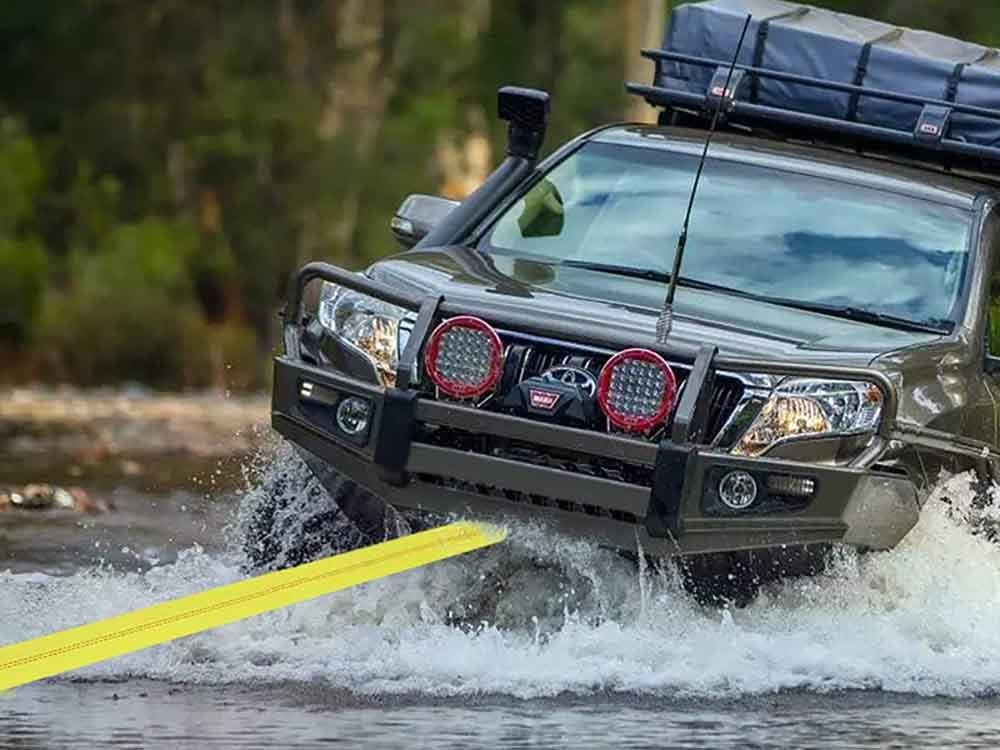
Imagine you’re stuck at the bottom of a muddy trail, engine revving and wheels spinning fruitlessly. In those nail-biting moments, a recovery strap can mean the difference between a quick rescue and hours of stranded frustration. Recovery straps are specially engineered webbing devices designed to safely pull a stuck vehicle free by stretching under load, then rebounding to deliver a controlled, powerful pull.
A recovery strap is a high-strength, elastic webbing device used to pull vehicles out of mud, sand, or snow by stretching under load and delivering a shock-absorbing, controlled pull.
Far more than a simple tow rope, recovery straps use the elasticity of materials like nylon to store kinetic energy and then transfer it smoothly—reducing shock on vehicle frames, winches, and straps themselves. Whether you’re an off-road enthusiast, a tow-truck operator, or simply someone who ventures onto unpaved roads, understanding recovery straps can save time, money, and even prevent injury.
Let’s dive into how these work, the different types on the market, what features to look for, and critical safety and maintenance tips—so you’re never left stranded again. But first, picture this: last spring, a group of four-wheelers in the Utah deserts found themselves buried up to the axles in fine powdery sand. Their high-end winch snapped under load, but swapping to a rugged nylon recovery strap got them out in minutes—no towing service needed. That story sets the stage for why knowing recovery strap essentials is so crucial. Ready to learn more? Let’s go!
Recovery straps absorb energy by stretching under load—storing kinetic energy as they elongate, then releasing it to deliver a controlled jerk that helps dislodge a stuck vehicle. Their elasticity minimizes shock loads on both vehicles, reducing damage and improving safety.
At their core, recovery straps function like giant elastic bands for vehicles. Made predominantly from woven nylon or polyester fibers, they’re designed with a specific elongation percentage—typically 15–30% stretch under rated load. Here’s how the process unfolds:
Consider this analogy: pulling with a rigid tow bar is like yanking a stuck object full-speed—you risk damaging both ends. In contrast, a recovery strap is akin to a slingshot—gradually loading then releasing energy.
Key Variables That Influence Performance:
Real-World Example:
A 5-ton WLL nylon strap rated MBS 20 tons will stretch roughly 20% under a 5-ton pull—absorbing about 1 ton of kinetic energy per every 10% stretch. That controlled “pop” can free a 3-ton SUV stuck in mud by gradually overcoming resistance rather than shocking the frame.
Safety Considerations:
By understanding these mechanics, you can choose and use recovery straps confidently—balancing strength, elasticity, and safety to match your vehicle and terrain challenges.
Recovery straps come in various materials—nylon for maximum stretch, polyester for lower stretch and UV resistance, and polypropylene for budget-friendly options. They also differ in length, width, load ratings, and end-fitting styles like eyes or hooks.
The market offers a range of recovery straps tailored to different use cases, budgets, and environmental conditions. Understanding these types helps you pick the right tool for your vehicle recovery needs.
| Type | Material | Stretch | UV Resistance | Typical Use |
|---|---|---|---|---|
| Nylon Strap | 100% Nylon | 20–30% | Moderate | Off-road, performance towing |
| Polyester Strap | Polyester | 10–15% | High | Marine applications, sun exposure |
| Polypropylene Strap | PP | 5–10% | Low | Occasional light towing |
| Hybrid Strap | Nylon + Polyester | 15–25% | Moderate-High | Balanced performance |
Length & Width Considerations:
End-Fittings:
Use-Case Examples:
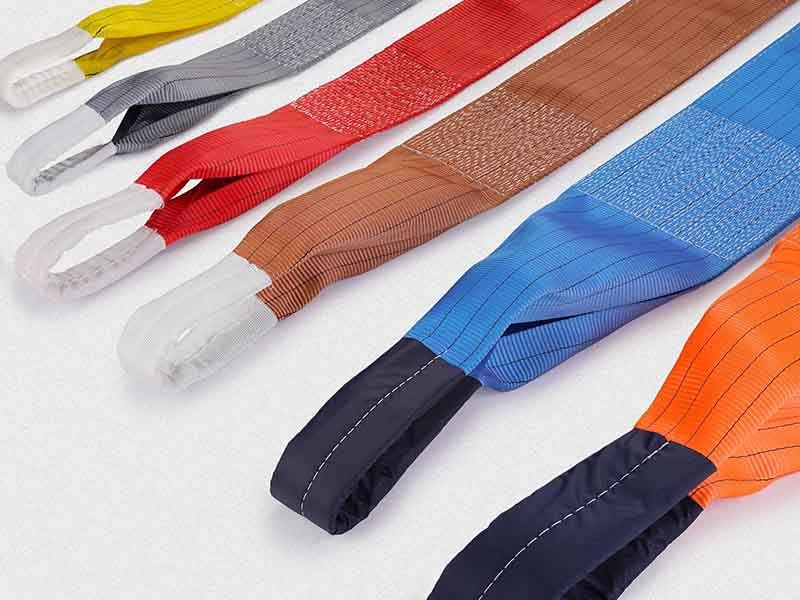
By matching material, length, width, and fittings to your terrain and vehicle weight, you ensure both efficiency and safety. For customized combinations—like colored patterns for brand visibility or tailored lengths—Szoneier offers private-label OEM straps built to precise specs and certifications.
Top recovery straps feature high breaking strengths (MBS), a working load limit ≥ vehicle weight, robust stitching, UV-resistant coatings, and certified safety ratings. Look for premium material purity, reinforced eyes, and clear WLL/MBS markings.
Purchasing a recovery strap isn’t just about grabbing the cheapest webbing off the shelf. Several critical features distinguish a reliable, durable strap from a potential liability:
Data Snapshot: Comparison of Three Top-Rated 8 m Straps
| Feature | Strap A (Nylon) | Strap B (Polyester) | Strap C (Hybrid) |
|---|---|---|---|
| MBS (tons) | 25 | 20 | 22 |
| WLL (tons) | 6.25 | 5 | 5.5 |
| Stretch (%) | 25 | 12 | 20 |
| UV Rating (hours) | 500 | 1,500 | 1,000 |
| Weight (kg) | 4.2 | 3.3 | 3.8 |
| Certifications | CE, ISO 9001 | CE, EN 1492-1 | CE, ISO 9001 |
Investing in straps with these features ensures long-term reliability and safety. When requirements go beyond standard sizes or you need branded patterns, Szoneier’s in-house R&D and manufacturing deliver fully customized straps—complete with certified quality and private-label packaging.
To use a recovery strap safely: attach to rated recovery points with D-shackles, keep the strap taut, coordinate pull-release with the spotter, use gentle acceleration, and maintain communication. Always clear bystanders and inspect anchor points.
Even the best recovery strap won’t work if used improperly. Follow these steps for a safe, efficient recovery:
Common Mistakes to Avoid:
Case Example:
A 3-ton SUV in deep mud on a steep incline requires careful pre-tensioning. By gradually loading a 6 ton WLL nylon strap, the pulling truck stored enough energy to dislodge without wheel spin—preventing rim damage and bumper stress common with rigid tow bars.
By mastering these steps, you’ll ensure each recovery is controlled, predictable, and safe for both vehicles and bystanders. For fleets, Szoneier can supply instructional guides and branded training straps to standardize procedures across teams.
Yes—recovery straps are elastic, absorb shock, and designed for extracting stuck vehicles. Tow straps are non-elastic, suited for towing on flat surfaces, and transmit force directly without energy storage.
While often used interchangeably in casual conversation, recovery straps and tow straps serve distinct purposes:
| Feature | Recovery Strap | Tow Strap |
|---|---|---|
| Elasticity (%) | 15–30% | 0–5% |
| Primary Use | Vehicle extraction | Flat towing |
| Shock Absorption | High | Minimal |
| Recommended Speed | ≤10 km/h during pull | Up to 50 km/h for towing |
| Construction | Nylon or polyester | Polyester or polypropylene |
Critical Insight:
Using a tow strap to extract a deeply bogged vehicle can damage chassis mounts because the sudden, unabsorbed force jolts the stuck vehicle. Conversely, attempting to tow at highway speeds with a recovery strap is unsafe—its elasticity can induce sway and inconsistent control.
For fleet managers and rental companies, it’s best practice to supply both types, clearly labeled, with usage instructions. Szoneier offers dual-purpose kits—including one recovery and one tow strap—complete with color-coded WLL bands and a laminated quick-start guide.
Recovery straps excel in freeing vehicles from mud, sand, snow, and soft terrain. They’re also used for overturned equipment, boat trailers in mud, and agricultural vehicles stuck in fields—ideal whenever controlled energy release is needed.
Recovery straps shine in a variety of challenging environments:
Field Data:
A survey of 50 off-road clubs showed 78% of stuck-vehicle incidents resolved within two attempts using properly rated recovery straps, compared to 35% with basic tow ropes.
Safety Layering:
Customization Tips:
Whether you’re rescuing a stuck ATV on a muddy trail or pulling a boat trailer off a soft ramp, matching the right recovery strap to the environment makes all the difference. Szoneier’s custom webbing options let you choose buoyant materials, UV-stabilized coatings, and tailored lengths for every scenario.
Select a recovery strap with a Working Load Limit (WLL) at least 1.5× your vehicle’s GVW. For heavy SUVs (2.5 tons), use a strap ≥5 tons WLL. Always confirm the strap’s Minimum Breaking Strength (MBS) meets a 4:1 safety factor.
Choosing the right WLL is critical—too low, and the strap may fail; too high, and you lose the benefits of stretch:
Calculating WLL:
Safety Factor:
Load Dynamics:
Common Vehicle Classes & Recommended WLL:
| Vehicle Class | GVW Range (kg) | Recommended WLL (tons) | MBS (tons) |
|---|---|---|---|
| Compact SUV | 1,500–2,000 | 3–4 | 12–16 |
| Full-Size SUV/Truck | 2,000–3,000 | 4–6 | 16–24 |
| Heavy Commercial | 3,000–5,000 | 6–8 | 24–32 |
| Agricultural Equip. | 5,000–10,000 | 10–15 | 40–60 |
By carefully matching weight ratings to vehicle class and usage conditions, you ensure both performance and safety. Szoneier can produce custom straps at any WLL, complete with color-coded bands and permanent laser-etched specifications to eliminate confusion in the field.
Yes—inspect recovery straps after each use for abrasion, UV damage, and stitching integrity. Clean with mild detergent, air-dry out of direct sunlight, and store flat or loosely coiled in a dry, cool place away from chemicals.
A top-quality recovery strap is an investment—proper care extends its service life and ensures safety:
By embedding maintenance into your vehicle recovery routine, you minimize downtime and prevent accidents. Szoneier offers custom maintenance kits—complete with cleaning supplies, inspection checklists, and replacement labels—to keep your recovery fleet in top condition.
Equipped with this in-depth knowledge—covering mechanics, types, features, safe usage, scenarios, weight ratings, and maintenance—you’re ready to choose the perfect recovery strap for any challenge. Whether you need a heavy-duty 10 ton WLL nylon strap for industrial use or a colorful 4 m polypropylene strap for sandy beach rescues, Szoneier’s 18+ years of webbing R&D and manufacturing expertise ensure you get a strap crafted precisely to your specifications.
Ready to elevate your recovery gear? Contact Szoneier today for a free design consultation, low-MOQ custom orders, and premium-quality recovery straps tailored just for you. Send us your requirements now and get fast samples and expert assistance—your next rescue mission deserves the best.


No worries, please contact us and we will answer all the questions you have during the whole process of webbing customization.
If you have your own artwork, logo design files, or just an idea,please provide details about your project requirements, including preferred fabric, color, and customization options,we’re excited to assist you in bringing your bespoke bag designs to life through our sample production process.

Copyright ©2021 Szoneier , All rights reserved.
Looking for premium custom webbing? Contact us now for competitive pricing, free samples, and expert consultation. Fill out the form below, and our team will get back to you within 24 hours!
