- (+86)13823134897
- info@szoneierwebbing.com
From Inquiry to Delivery
 Skip to content
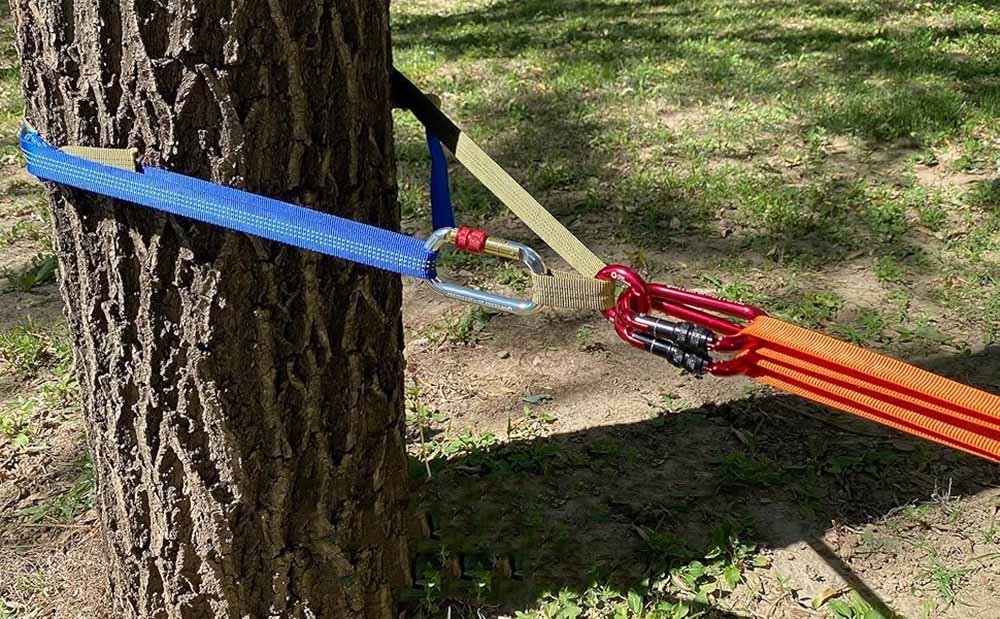
In high-stakes rescue operations—be it plucking an injured climber off a wind-blasted cliff, scooping flood victims from swirling waters, or hauling someone out of a collapsed industrial silo—your gear has to work flawlessly. Rescue webbing isn’t just a strip of fabric; it’s the lifeline guaranteeing every zip, knot, and sling holds up under brutal loads, abrasion, UV rays, moisture, and chemical exposure.
Rescue teams most often use high-tenacity tubular nylon webbing rated at 22–30 kN for its unbeatable strength-to-weight ratio, knot-holding capability, and shock absorption, while polyester variants (20–28 kN) offer low stretch and superior wet-strength. Polypropylene (8–12 kN) floats and resists chemicals—ideal for swift-water throw bags.
Picture this: you’re perched on a ledge, ropes feeding through tubular nylon slings, the knot cinches tight without slipping, and you know that if the storm gusts up, your webbing will stretch just enough to cushion the shock, not snap. Ready? Let’s break down all eight critical facets of rescue webbing, so you can specify and customize the perfect solution from Szoneier—your 18-year expert partner in custom webbing manufacturing.

Rescue webbing functions as anchors, slings, harness components, floating lines, and retrieval connectors in rope rescue, swift-water rescue, confined-space extraction, and aerial hoisting—providing vital strength, flexibility, and abrasion resistance at a moment’s notice.
Honestly, webbing in rescue is like duct tape in DIY: versatile, indispensable, and you never want to run out. But rescue webbing goes way beyond the simple “strap” stereotype:
Rope Rescue & Climbing Systems
Swift-Water & Flood Rescue
Confined-Space & Industrial Rescue
Aerial Hoist & Fire-Service Operations
Pro Tip: Match webbing type to environment first:
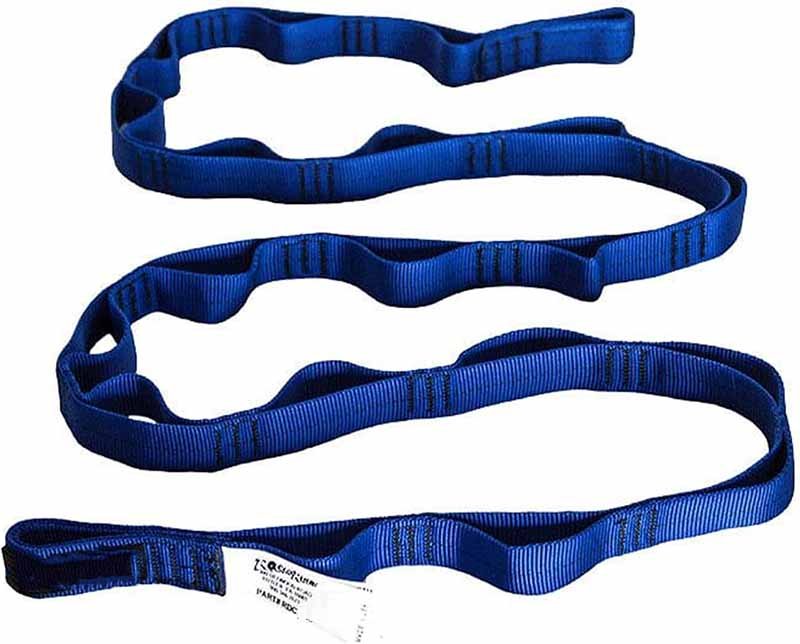
Tubular nylon (22–30 kN) excels in shock absorption and knot performance; polyester (20–28 kN) shines with low stretch and moisture/UV resilience; polypropylene (8–12 kN) floats and resists chemicals—choose based on load, environment, and application.
Let’s geek out over polymers with some side-by-side numbers. When safety is on the line, you want precise specs:
| Property | Nylon (PA) | Polyester (PET) | Polypropylene (PP) |
|---|---|---|---|
| Tensile Strength | 22–30 kN | 20–28 kN | 8–12 kN |
| Elongation @ Break | 20–30% | 10–15% | 15–25% |
| Wet Strength Loss | –15% | <5% | <1% |
| UV Resistance | Moderate* | High | High |
| Abrasion Resistance | ★★★★★ | ★★★★☆ | ★★☆☆☆ |
| Chemical Resistance | Good (weak acids) | Excellent | Excellent (bases) |
| Knot Holding | ★★★★★ | ★★★★☆ | ★☆☆☆☆ |
| Density (g/cm³) | 1.14 | 1.38 | 0.91 |
| Typical Cost | $$ | $$ | $ |
Nylon benefits from PU coatings for UV/abrasion.
Nylon (Polyamide):
Polyester (PET):
Polypropylene (PP):
Hybrid Innovations:
Dyneema® or Kevlar® core fibers in a nylon/polyester jacket yield >40 kN strength with <5% elongation—a rocket-fuel combo for ultra-light, ultra-strong rescue slings.
Rescue webbing must exceed expected working loads by 5–10×, with dynamic tests verifying impact strength. Typical working-load limits (WLL) range 3–6 kN, so select webbings rated at 20–30 kN (static) for adequate safety factors.
When people’s lives hang on the line, you need to factor in safety margin—not just raw tensile strength. Let’s crunch the numbers:
| Application | Expected Load (kN) | Safety Factor | Minimum Static Rating (kN) |
|---|---|---|---|
| Single Rescuer Load | 1.5 kN | 10× | 15 kN |
| Double-Rescuer Load | 3.0 kN | 10× | 30 kN |
| Dynamic Shock Load | 5.0 kN | 5× | 25 kN |
| Heli-Hoist | 8.0 kN | 5× | 40 kN |
Working-Load Limit (WLL):
Dynamic Impact Testing:
Application-Specific Guidelines:
Quick Tip: Always round up when in doubt: choose the next strength-tier above your calculated needs.
Look for EN 1891, EN 566 (slings), UIAA 104, and NFPA 1983 ratings—each mandates tensile strength, elongation, and aging tests. Certified webbings ensure consistent performance under extreme conditions.
Standards are your best friend when safety is critical. Here’s what to watch:
| Standard | Scope | Key Requirements |
|---|---|---|
| EN 1891 | Low-stretch ropes & webbings | Static strength ≥ 22 kN; elongation ≤ 6%; UI aging |
| EN 566 | Textile slings | Static strength ≥ 22 kN; visual inspection marks |
| UIAA 104 | Alpine safety equipment | Dynamic drop test: 2 m fall, impact <6 kN |
| NFPA 1983 | Fire & rescue personal equipment | Static ≥ 27 kN; heat & chemical resistance tests |
Note: Always request certification dossiers from your supplier. At Szoneier, we bundle EN, UIAA, and NFPA test reports with every batch—no surprises.
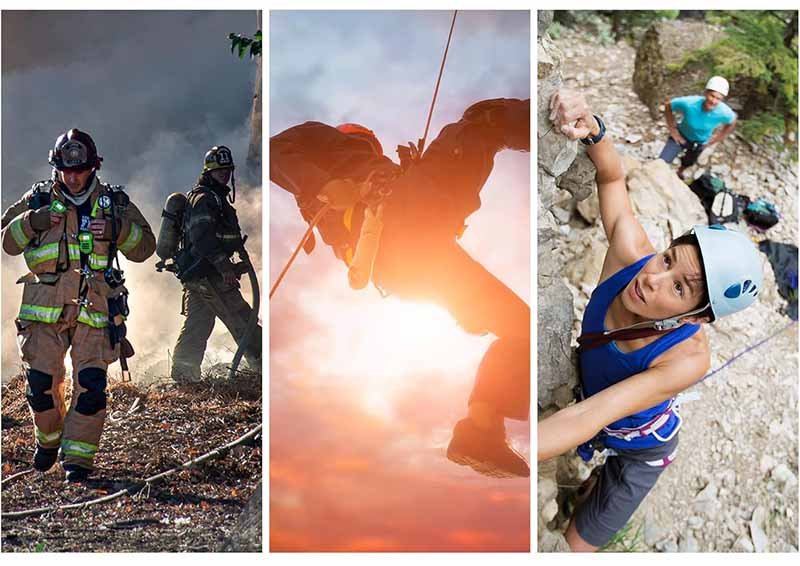
UV radiation can degrade strength by 10–30% over months; abrasion can slash tensile ratings by 20% after 1,000 rub cycles; polyester retains >95% strength when wet, whereas nylon may drop to 85%.
Mother Nature is brutal on textiles. Here’s how to guard against her worst:
| Factor | Nylon | Polyester | PP | Mitigation |
|---|---|---|---|---|
| UV Exposure | –20–30% strength | –10–15% strength | –5–10% strength | PU coatings; UV stabilizers |
| Abrasion | High resistance | Moderate | Low | Silicone finish; heavier denier |
| Moisture | –15% strength | –5% strength | <1% strength loss | Hydrophobic PU or silicone coat |
| Temperature | – at >80 °C softens | stable to 120 °C | stable to 90 °C | Heat-resistant treatments |
UV Degradation:
Abrasion Wear:
Moisture Effects:
Chemical & Temperature Resistance:
Rule of Thumb: For multi-season outdoor use, go polyester with UV-resistant coating; for wet/chemical zones, choose polyester or PP; for knot-heavy dynamic loads, pick coated nylon.
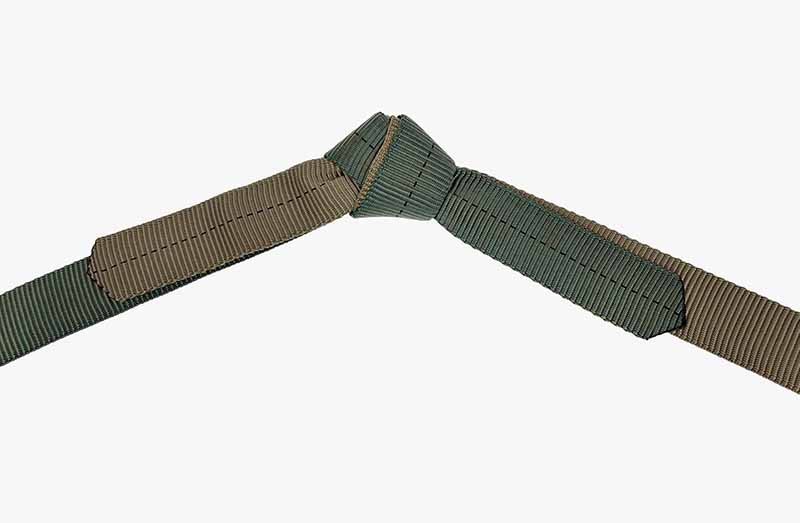
Tubular webbings (22–30 kN) excel in dynamic, knot-intensive uses; flat webbings (20–28 kN) offer low stretch for precision; sewn eye-to-eye slings provide end-termination and clear WLL marking.
Beyond polymer, construction dictates performance:
| Construction | Strength (kN) | Stretch | Knot/Splice | Best Use Cases |
|---|---|---|---|---|
| Tubular | 22–30 | 20–30% | Excellent | Dynamic anchors, climbing slings |
| Flat | 20–28 | 10–15% | Good | Aerial hoist slings, harness belts |
| Sewn Sling | 25–35 | Depends | — | Eye-to-eye terminations, rigging loops |
Customization Tip: Combine tubular nylon in your slings with flat polyester in your harness belts for the ultimate balance of shock absorption and precision.
Perform visual and tactile checks before each use: look for cuts ≥2 mm, UV chalking, wear ≥10% thickness loss, and test stitching integrity. Retire webbing after five years, or sooner if any damage is found.
Just like you wouldn’t drive a car without an oil check, never deploy webbing without a rigorous inspection:
Pre-Use Inspection:
Stitching Check (Sewn Slings):
Periodic Testing:
Lab Tensile Retests: Every 12 months, send a 1 m sample for tensile testing per EN 12385.
Age-Based Retirement:
| Material | Retirement Age |
|---|---|
| Nylon | 5 years |
| Polyester | 7 years |
| PP | 5 years |
Cleaning & Storage:
Pro Tip: Tag each sling with a unique ID and inspection log—digital or paper—to track hours of use, loads applied, and retire dates.
Next-gen rescue webbings blend UHMWPE (Dyneema®), aramid (Kevlar®), and bio-resin coatings—yielding >40 kN strength, <3% elongation, anti-microbial properties, and self-healing PU finishes for extended service life.
Innovation never sleeps, especially when lives are at stake:
Hybrid Fiber Cores:
Smart Coatings:
Integrated Sensor Threads:
Recycled & Bio-Based Polymers:
Looking Ahead: Imagine a sling that flashes red when worn past its safe use life or alerts you after 1,000 dynamic drops. That’s the rescue webbing horizon.
There you have it—your ultimate playbook for specifying rescue-grade webbing: from material science and construction methods, through standards and environmental challenges, to cutting-edge innovations that will redefine safety gear. Whether you need tubular nylon slings, low-stretch polyester harness belts, buoyant PP throw lines, or next-gen hybrid slings with embedded sensors, Szoneier has your back.

 Optimized by Seraphinite Accelerator