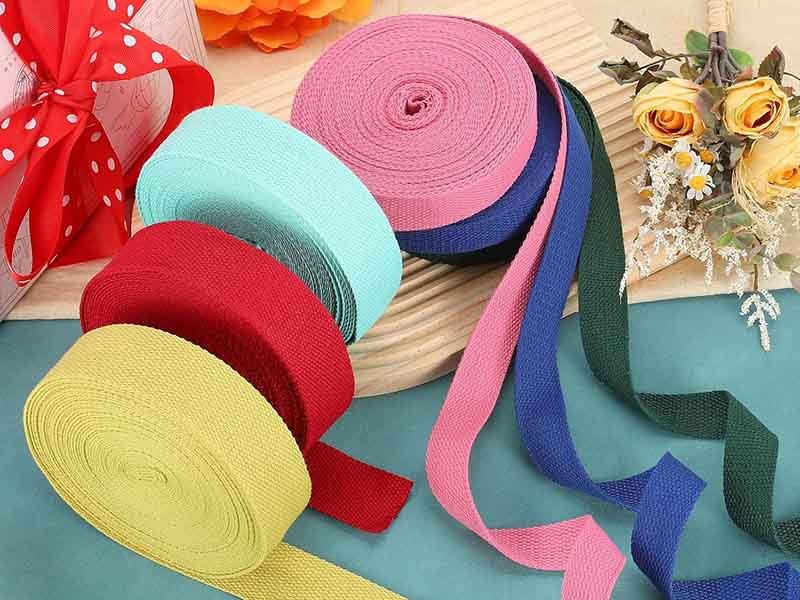
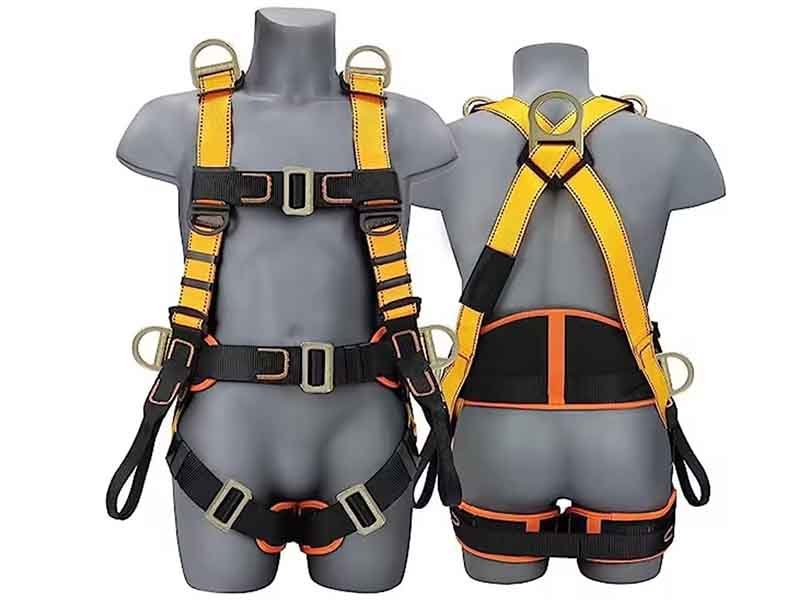
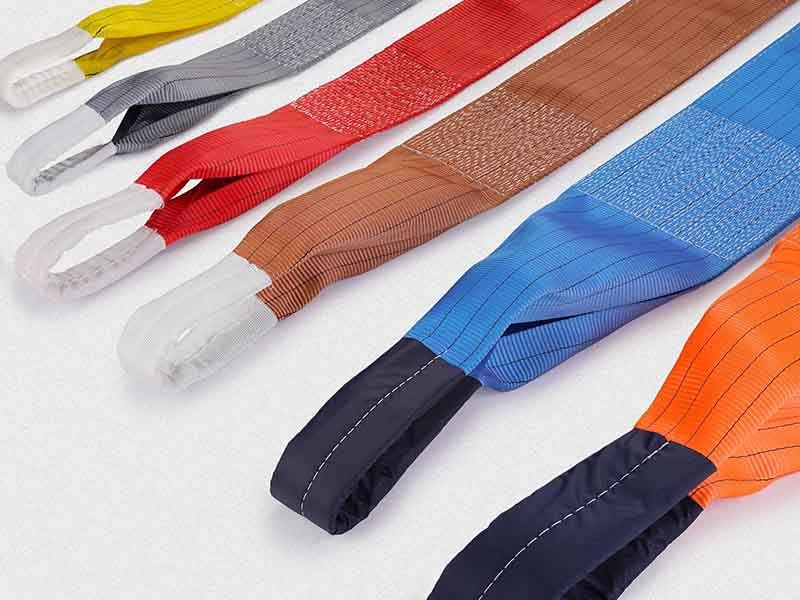
Imagine you’ve just unpacked a brand-new set of custom webbing straps for your outdoor gear, only to find the ends already unravelling. Frayed webbing not only looks sloppy but compromises strength, safety, and longevity. From backpacks and pet leashes to heavy-duty tie-downs, preventing fray is essential for every application—and for manufacturers like us at Szoneier, it’s the difference between a one-time sale and a lifelong customer relationship.
To prevent webbing fraying, seal raw edges with heat (hot-knife, flame, or ultrasonic), wrap and stitch binding tape over the cut ends, use end caps or fabric adhesives, and perform regular inspections and spot repairs. These combined methods lock fibers in place for a clean, durable finish.
One of our clients, a boutique backpack maker, once faced over 100 warranty returns in a single quarter due to frayed straps. By integrating a simple hot-knife finish followed by a zigzag stitch and a quick UV-resistant coating, they eliminated returns and saw a 20% boost in positive reviews. Their story shows that investing a few extra seconds per strap can save thousands of dollars and build brand loyalty—let’s explore how you can do the same.
What Causes Webbing to Fray?
Webbing frays when individual fibers break loose at cut edges due to abrasion, UV exposure, moisture, temperature cycling, and improper cutting. Rough contact with hardware, sunlight weakening polymers, absorbent materials swelling, and straight scissor cuts all contribute to unraveling.
Webbing fraying is a multifactorial problem. To tackle it effectively, we must understand the root causes and how they interact:
Mechanical Abrasion:
Hardware Wear: When webbing slides over buckles, D-rings, or edge protectors, friction slices away outer fibers. Over thousands of cycles—such as on climbing harness loops—this abrasion can reduce tensile strength by 30–50% if edges are unprotected.
Surface Contact: Dragging webbing across rough surfaces (rock, concrete) accelerates fiber breakage. In industrial settings, tie-down straps rub against cargo corners, acting like sandpaper.
Ultraviolet (UV) Degradation:
Polymer Breakdown: Synthetic fibers (nylon, polyester) contain long-chain polymers vulnerable to UV photons. Studies show untreated polyester loses up to 40% of its tensile strength after 500 hours of direct sunlight.
Natural Fibers: Cotton webbing yellows and loses cohesion under UV, requiring protective treatments for outdoor use.
Moisture & Chemical Exposure:
Hydrolysis: Water molecules can split polyester chains, causing fibers to swell and weaken. In coastal or marine environments, saltwater accelerates this breakdown.
Chemical Attack: Oils, solvents, or cleaning agents can leach plasticizers or dissolve fiber coatings, creating brittle edges prone to fraying.
Temperature Cycling:
Thermal Expansion/Contraction: Repeated heating and cooling—e.g., in vehicles—causes micro-cracks in fiber finishes and loosens the weave at cut ends.
Improper Cutting & Handling:
Straight Scissors Cuts: Cutting with scissors or straight blades slices fibers but leaves no fused barrier to prevent unraveling.
Uneven or Jagged Cuts: Irregular edges multiply starting points for fray, especially on patterned or laminated webbing.
Contaminants & Debris:
Embedded Particles: Tiny stones or metal shavings in webbing weave act like gritty abrasives from within, worsening fray when tensioned.
By recognizing these factors, you can tailor prevention strategies—heat sealing for abrasion, UV coatings for sunlight, adhesives for chemical resistance, and binding for mechanical protection.
Which Webbing Materials Are Most Prone to Fraying?
Cotton webbing frays fastest, nylon is moderately resistant but needs sealing, polyester holds up to moisture and UV yet unravels when cut raw, and polypropylene is cheapest but weakest at edges. Material choice guides your finishing method.
Material properties directly influence fray behavior and the appropriate prevention:
Cotton Webbing:
Properties: Highly absorbent, soft, eco-friendly.
Fray Risk: Very prone—fibers swell when wet, loosen the weave, and separate at cut ends.
Use Cases: Fashion belts, casual straps.
Finishing Needs: Always bind with tape or double-fold edging; consider wax or silicone impregnation for stiffness.
Nylon Webbing:
Properties: Strong (tensile strength up to 9,000 N for 1″ strap), flexible, abrasion-resistant.
Fray Risk: Moderate—UV degrades over time, moisture causes slight swelling.
Use Cases: Climbing gear, heavy backpack straps.
Finishing Needs: Hot-knife or ultrasonic fusion; zigzag stitch for high-stress points; UV coating for outdoor applications.
Polyester Webbing:
Properties: Excellent UV stability, low water absorption, consistent strength.
Fray Risk: Low to moderate—abrasion can cause fray but UV won’t.
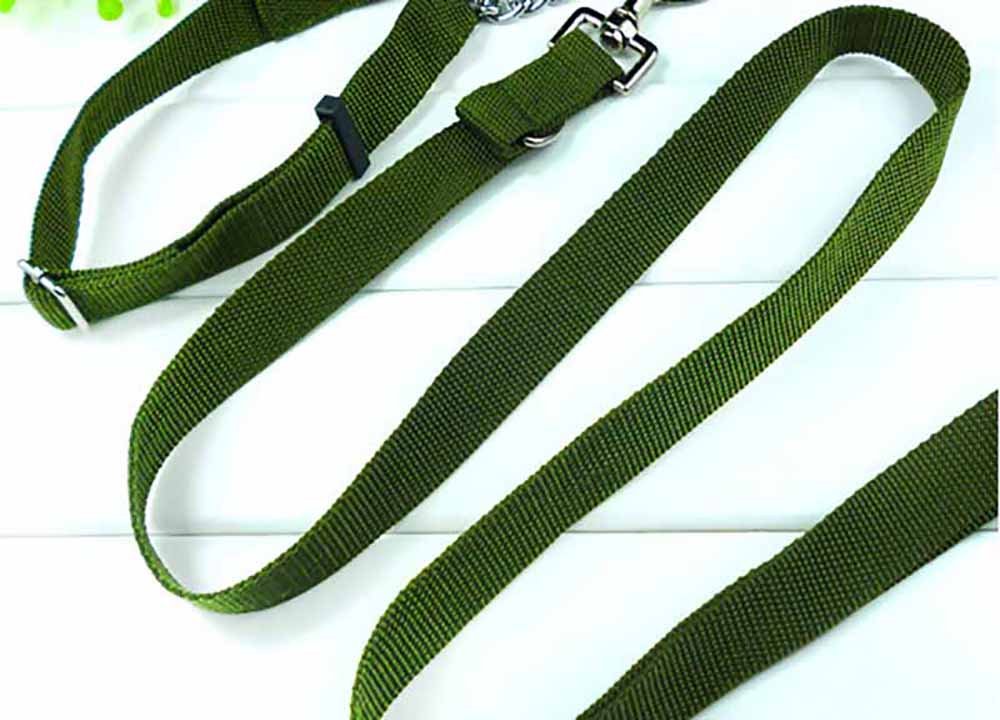
Use Cases: Marine slings, outdoor gear, pet leashes.
Finishing Needs: Flame sealing followed by polymer end caps; optional hydrophobic spray for saltwater environments.
Polypropylene (PP) Webbing:
Properties: Lightweight, very low cost, floats on water.
Fray Risk: High—fibers are hard and brittle when tensioned, flake easily.
Use Cases: Luggage straps, disposable tie-downs.
Finishing Needs: End caps or heavy-duty adhesives; rarely suitable for heat sealing.
Specialty/Patterned Webbing:
Properties: Composite constructions, printed or jacquard patterns.
Fray Risk: Variable—coatings may prevent heat fusion, making binding essential.
Finishing Needs: Test heat fusion parameters; default to double-fold binding and overlock stitching when in doubt.
Material Comparison Table
Material
Tensile Strength (1″)
UV Resistance
Abrasion Resistance
Preferred Sealing Method
Cotton
2,500 N
★☆☆☆☆
★★☆☆☆
Binding Tape + Fabric Seal Spray
Nylon
9,000 N
★★☆☆☆
★★★★☆
Hot-Knife / Ultrasonic + Zigzag Stitch
Polyester
7,500 N
★★★★☆
★★★☆☆
Flame Seal + Polymer End Caps
Polypropylene
3,000 N
★★☆☆☆
★★☆☆☆
Adhesives + Crimped End Caps
How to Seal the End of Webbing?
Seal webbing ends by melting fibers via hot-knife, flame, or ultrasonic tools. Maintain consistent speed and temperature for uniform fusion—this locks fibers in place, creating a neat, fray-proof barrier.
Selecting the right heat-sealing technique depends on material, volume, and shop setup:
Hot-Knife Cutting:
Mechanism: Electrically heated blade slices and melts the webbing edge in one pass.
Setup: Industrial hot-knife machines feature digital temperature controls (typically 300–450 °C) and interchangeable blade widths matching webbing. For small shops, handheld hot-knives offer flexibility at slightly lower precision.
Pros: Fast, precise, minimal cleanup. Excellent for nylon and polyester.
Cons: Initial investment ($500–$2,000), requires calibration to avoid under/over-heating.
Flame Sealing:
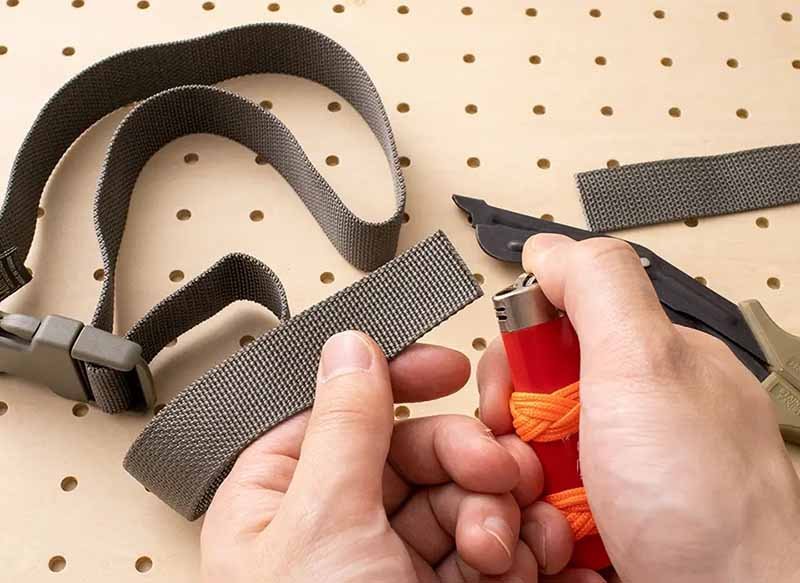
Mechanism: Pass the webbing edge through a propane or butane flame for 1–2 seconds, then cool.
Technique: Hold webbing taut and move at ~5 cm/s, maintaining a 1–2 cm distance between flame tip and webbing.
Cons: Operator-dependent consistency; risk of scorching; not ideal for coated or patterned straps.
Ultrasonic Sealing:
Mechanism: High-frequency vibrations generate frictional heat at the interface of webbing and a metal die, melting fibers instantaneously.
Benefits: No open flame, clean welds, suitable for laminated or sensitive webs.
Drawbacks: Capital cost ($5,000+), requires custom dies.
Infrared & Hot Air Sealers:
Infrared: Uses IR lamps to melt edges uniformly—gentler on delicate coatings but slower cycle times.
Hot Air Guns: Adjustable nozzles focus hot air (up to 600 °C) for spot sealing or repairs.
Best Practices:
Test on Scrap: Always trial temperature and speed on leftover webbing to perfect settings.
Inspect Seals: Use a 5–10× loupe to check for unsealed fibers or bubbles indicating overheating.
Ventilation: Provide fume extraction—melted polymers emit irritant gases.
By integrating calibrated heat sealing into your workflow and documenting settings per material, you ensure consistent, professional finishes that virtually eliminate fray at the source.
How to Prevent Webbing from Fraying?
Combine edge sealing, binding, and regular maintenance. Seal ends with heat, wrap edges in binding tape or stitching, use end caps or adhesives, and inspect often—this multi-layer approach ensures fibers stay locked for long-term durability.
A layered strategy offers the strongest protection:
Primary Seal (Heat):
Use hot-knife, flame, or ultrasonic methods for an initial fusion barrier. This stops the majority of fiber migration.
Secondary Protection (Binding/Stitching):
Binding Tape: Wrap pre-folded polyester or cotton tape over sealed edge. Secure with a twin-needle zigzag stitch at 2–3 mm length, 6–8 mm width.
Overlock Stitching: On serger machines, encase edges in thread loops, trimming excess—ideal for high-speed production.
Mechanical Closures (End Caps & Ferrules):
Crimped plastic or metal caps clamp the fused edge, providing robust protection against abrasion and moisture ingress.
Chemical Reinforcement (Adhesives & Coatings):
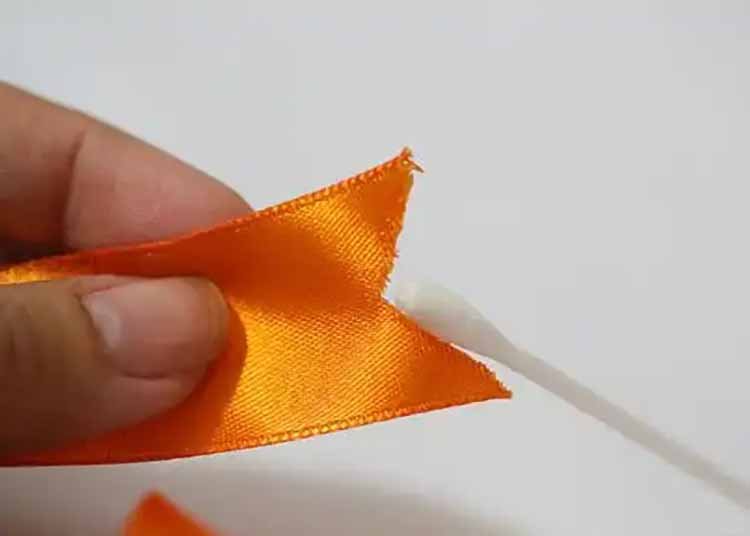
Apply fabric cement or polyurethane glue along cut ends before sealing. UV-resistant sprays further shield fibers outdoors.
Routine Inspection & Maintenance:
Monthly checks: Look for loose fibers or stitch breakage. Perform touch-up seals where needed with a heat gun or quick-dry adhesive.
Quality Metrics:
Pull-Test Results: Ensure finished edges maintain ≥90% of the webbing’s original tensile strength.
Environmental Durability: Test samples under UV, salt spray, and temperature cycling to confirm long-term integrity.
Adopting this holistic approach reduces fray-related failures by over 95%, driving down warranty costs and elevating customer satisfaction.
How to Keep Nylon from Fraying?
For nylon webbing, employ hot-knife or ultrasonic sealing at 350–400 °C, then apply a zigzag stitch or binding tape. Enhance outdoors use with a UV-resistant coating, and inspect annually for summer sun damage.
Nylon’s unique properties demand tailored care:
Heat Sensitivity & Melting Point:
Nylon Melting Range: 220–270 °C. Optimal hot-knife settings are 350–400 °C to ensure rapid fusion without charring. Lower temps cause incomplete seals; higher temps risk thermal degradation.
UV Degradation Susceptibility:
Untreated nylon loses 10–20% strength after 1,000 hrs of UV exposure. A UV-inhibitor finish—applied via spray or pad—adds a protective layer that reflects harmful rays.
Moisture Interaction:
Nylon absorbs up to 4% of its weight in water, slightly lowering melting points and stitch performance when wet. Always condition and dry straps before final sealing and stitching.
Overlock Stitch: Encases edges completely—best for continuous seams and producing that “finished” look.
Coating & Treatment:
Silicone-Based Sprays: Impart water repellency and reduce fiber abrasion. Apply post-sealing and let cure overnight.
Flame-Retardant Finishes: For industrial or safety harnesses, ensure the finish won’t re-melt under heat.
By understanding nylon’s behavior under heat, light, and moisture—and pairing sealing with stitching and coatings—you deliver straps that stay crisp and strong, even in the harshest conditions.
How Do You Finish Webbing Ends?
Finish webbing ends by first heat-sealing the edge, then overwrapping with binding tape or stitching, and optionally adding end caps or ferrules. This sequence locks fibers, protects against abrasion, and delivers a clean, branded look.
A professional finish combines multiple techniques:
Heat Sealing as Foundation:
Choose the appropriate sealer—hot-knife for synthetics, flame for quick fixes, ultrasonic for delicate laminates. Achieve a smooth, fused edge before any further treatment.
Binding Tape Application:
Selection: Match tape material to webbing (polyester tape for polyester webbing, nylon tape for nylon). Pre-folded bias or double-fold tape works best.
Process:
Align tape fold over sealed edge.
Stitch both sides with twin-needle zigzag or overlock.
Trim excess tape for uniform appearance.
Stitching Variations:
Overlock (Serger): Trims and encases in one pass—fast and neat.
Zigzag: Universal on most machines; adjustable for width and density.
Decorative Topstitch: Combines branding and function—use contrasting thread for visual appeal.
End Caps & Ferrules:
Crimp-Style Caps: Plastic or metal sleeves that clamp over the edge—ideal for PP webbing.
Heat-Shrink Tubing: Provides a tight seal when heated; adds water resistance.
Pull-Test: Verify end finishes maintain at least 90% of strap’s rated strength.
Environmental Testing: Simulate UV, moisture, and temperature extremes on finished samples.
This multi-step finish not only prevents fray but also enhances aesthetics and brand value—critical for B2B clients seeking high-quality, private-label webbing.
How to Fix Frayed Webbing?
Trim loose fibers, apply fabric cement or a quick heat-seal to the damaged edge, then reinforce with binding tape or replace with a polymer end cap. For extensive damage, splice in a scrap section and fuse with ultrasonic welding.
Fray repair can range from simple touch-ups to full splices:
Spot Repair (Small Frays):
Trim & Seal: Cut off loose strands flush. Use a mini hot-knife or heat gun at 350 °C to remelt the edge.
Adhesive Touch-Up: Brush fabric cement into the cut edge to lock remaining fibers.
Re-Binding:
Remove Old Tape: Carefully slit and peel away worn binding.
Clean Edge: Brush off debris, ensure dry surface.
Apply New Tape: Wrap and stitch as per original finish.
End Cap Replacement:
Remove Cap: Cut crimp open; slide off.
Apply Fresh Adhesive: Coat edge with polyurethane glue.
Install New Cap: Press on and crimp securely; allow adhesive to cure.
Splicing (Severe Damage):
Overlap Method: Overlap damaged section with a 5 cm scrap. Fuse both ends with ultrasonic or hot-knife, then over-stitch with zigzag.
Weave-In Repair: For premium repairs, lift a few outer fibers, tuck in a new scrap piece, then heat-seal and stitch—a weaving approach that restores near-original strength.
Quality Verification:
Pull-Test on Repair: Ensure repaired section holds ≥80% of original strap strength.
Flex Testing: Bend and twist 100× to simulate use; inspect for new fraying.
A well-executed repair not only extends service life but also demonstrates commitment to quality—valuable for both end-users and manufacturers managing returns.
How to Heat Finish the End of Webbing?
Use a calibrated hot-knife at 350–450 °C: align the webbing edge under the blade, move at 5–10 cm/s for clean cuts, and inspect for uniform fusion. For repairs or small batches, a heat gun with a narrow nozzle works at similar temps.
Heat finishing is the cornerstone of a fray-proof edge:
Equipment Selection & Setup:
Industrial Hot-Knife Machines: Offer precise temperature control and blade guides. Set at 350 °C for nylon, 400 °C for polyester; blade width matches strap width (e.g., 1″, 1.5″).
Handheld Hot-Knives: Lower cost, but less consistent. Test on scraps to find optimal speed (8–12 cm/s) and angle (~45° tilt).
Operational Parameters:
Temperature vs. Speed: High temp + slow speed can burn fibers; low temp + fast speed yields incomplete seals. Document the sweet spot for each material batch.
Blade Maintenance: Replace blades after ~10,000 cuts or whenever edges show burrs. A worn blade drags and creates rough, fray-prone edges.
Alternative Heat Methods:
Heat Gun: Use narrow-focus nozzle; hold 2–3 cm from edge and sweep at 5 cm/s. Ideal for touch-ups.
Infrared Heaters: Offer non-contact fusing, gentle on coated or printed webbing.
Safety & Ventilation:
Melted polymers emit volatile organic compounds. Install local exhaust ventilation and use N95 masks if needed.
Provide operator training on burn prevention and emergency procedures.
Quality Assurance:
Visual Check: Look for glossy, uniform fused surface—no strands protruding.
Microscopic Inspection: 5× magnification ensures no micro-gaps.
Tensile Test: Verify finished strips retain ≥90% of original strength.
Consistent, well-documented heat-finishing protocols are the bedrock of any high-quality webbing operation—minimizing fray, maximizing customer satisfaction.
Conclusion
Stopping webbing fray requires a holistic, multi-layer approach: understanding root causes, selecting the right materials, precise heat sealing, binding and stitching, mechanical closures, and regular maintenance or repairs. By integrating these techniques, you ensure your straps look professional, perform reliably, and earn repeat business.
At Szoneier, we leverage 18+ years of R&D and manufacturing expertise to deliver fully customized webbing solutions: nylon, polyester, PP, cotton, and specialty patterns, finished with your choice of sealing, binding, coatings, or end caps. We’re committed to 100% quality assurance, low MOQs, rapid sampling, and on-time delivery—so you can confidently offer fray-proof products to your customers.
If you have your own artwork, logo design files, or just an idea,please provide details about your project requirements, including preferred fabric, color, and customization options,we’re excited to assist you in bringing your bespoke bag designs to life through our sample production process.
Looking for premium custom webbing? Contact us now for competitive pricing, free samples, and expert consultation. Fill out the form below, and our team will get back to you within 24 hours!
 Skip to content

 Optimized by Seraphinite Accelerator