- (+86)13823134897
- info@szoneierwebbing.com
From Inquiry to Delivery
 Skip to content

Every day, millions sling backpacks onto their shoulders—commuters carrying laptops, hikers hauling gear, parents trekking with toddlers’ essentials. Yet, few pause to consider the unsung heroes holding all that weight: the backpack straps. Far from mere loops of fabric, today’s straps incorporate advanced materials, ergonomic shaping, and clever adjustment systems to transform a heavy load into a comfortable companion. Whether you’re scaling a mountain or sprinting across a terminal, well‑designed straps can mean the difference between enduring pain and moving with ease.
Backpack straps distribute the weight of your load across shoulders and back, reducing pressure points and preventing fatigue. Padded with foam or gel, constructed from materials like nylon or polyester, and engineered with ergonomic curves and adjustment mechanisms, they optimize comfort and stability for activities ranging from daily commuting to technical climbing.
Imagine this: a wildlife photographer perched on a rocky outcrop, camera swinging from a harness system. One misstep, and the wrong strap could spell disaster. But with contoured, slip‑resistant webbing and quick‑adjust buckles, that same photographer can shift weight imperceptibly, capturing the perfect shot without the burden dragging them down. Ready to dive deeper into the world of straps that make your adventures—and daily routines—pain‑free? Let’s unravel the secrets behind every stitch and buckle.
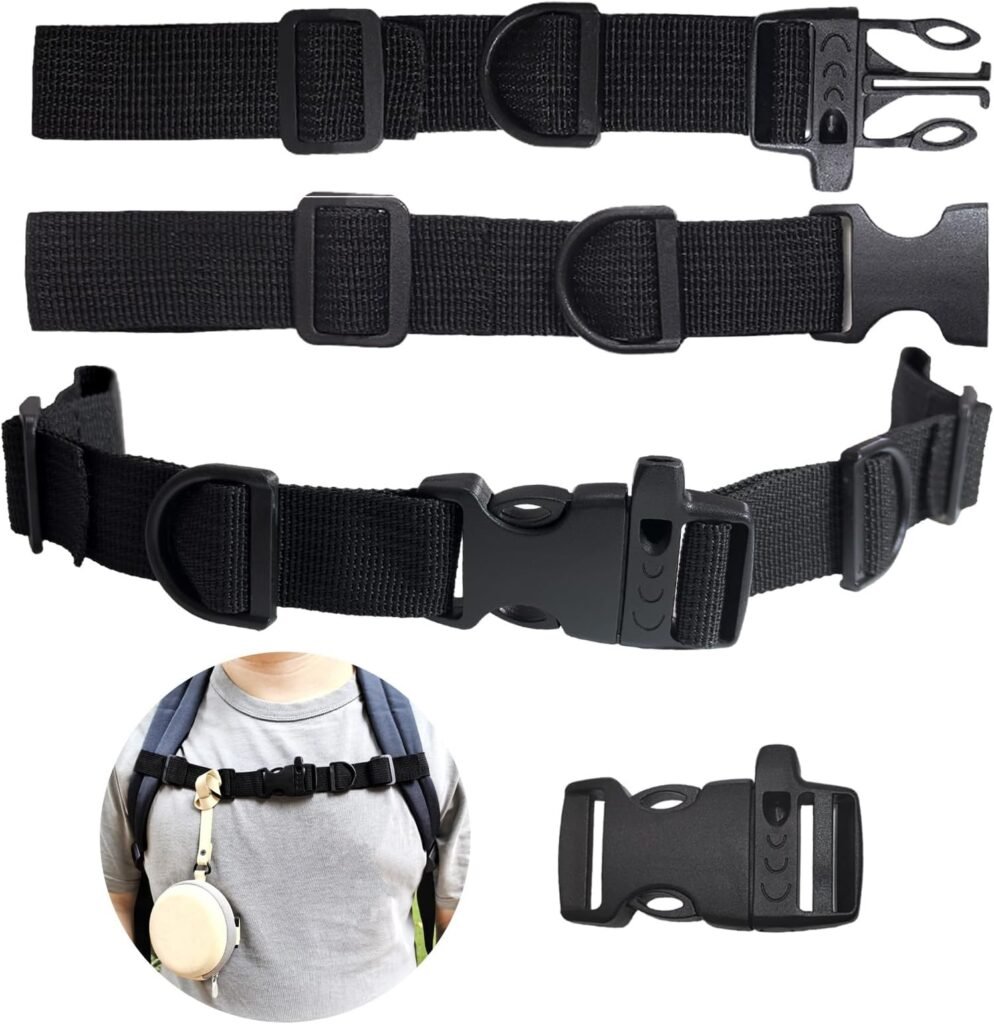
Backpack straps are the load‑bearing components that connect a pack to your body. By distributing weight across shoulders and upper torso, they minimize pressure points, reduce fatigue, and improve balance. Properly designed straps support ergonomic posture and prevent injury over extended wear.
Backpack straps have evolved from simple, thin leather loops into sophisticated systems combining engineering, anatomy, and material science. Their primary purpose is to transfer the weight of a pack’s contents from the bag itself directly onto your skeletal and muscular framework, rather than letting the load pull on your arms or strain your spine.
Weight Distribution & Ergonomics:
The human shoulder is designed to bear certain loads. Overloading without proper padding or shape leads to compression of nerves and blood vessels, causing numbness or the classic “backpack shoulder.” Ergonomic straps curve to match shoulder contours, spreading load evenly across the deltoids and trapezius muscles. Some designs integrate sternum or load‑lifters to fine‑tune tension, shifting weight toward the torso’s core.
Comfort & Reduced Fatigue:
Padding—foam, gel, or air‑cell inserts—acts as a shock absorber. On a long hike or daily commute, each step or movement transmits force through the pack; cushioning in the straps dissipates those micro‑impacts, so you feel less strain after hours of wear. Moisture‑wicking fabrics on the underside prevent skin chafing and sweat buildup.
Stability & Motion Control:
Straps are not just vertical. Side compression straps or adjustable ‘load lifters’ tilt heavy packs closer to the body, reducing sway when you move. This stability is crucial in technical activities—climbing, mountain biking, or any scenario where a sudden jerk could unbalance you.
Customization & Fit:
Straps with multiple adjustment points allow users of varied torso lengths to position the pack optimally. Women‑specific and child‑specific designs use narrower shoulder profiles and contoured shapes to fit different anatomies. Modular strap systems let users swap in breath‑thru mesh for hot climates or add insulated pads for cold‑weather trekking.
Safety & Durability:
Reinforced stitching and high‑tensile‑strength webbing prevent catastrophic failure under heavy loads. Reflective accents embedded in straps improve visibility in low light—a small feature that can be lifesaving for urban cyclists or trail runners.
Not all straps are created equal. A pack rated for 70 L capacity must have straps engineered to handle that maximum weight without exceeding 10 kg of force per square centimeter on the shoulder. DIY or generic backpacks often cut costs on webbing width, pad density, or adjustment hardware, trading long‑term comfort for short‑term savings. For brands like Szoneier, investing in precision‑woven, tested webbing and ergonomic design pays dividends in user safety and satisfaction.
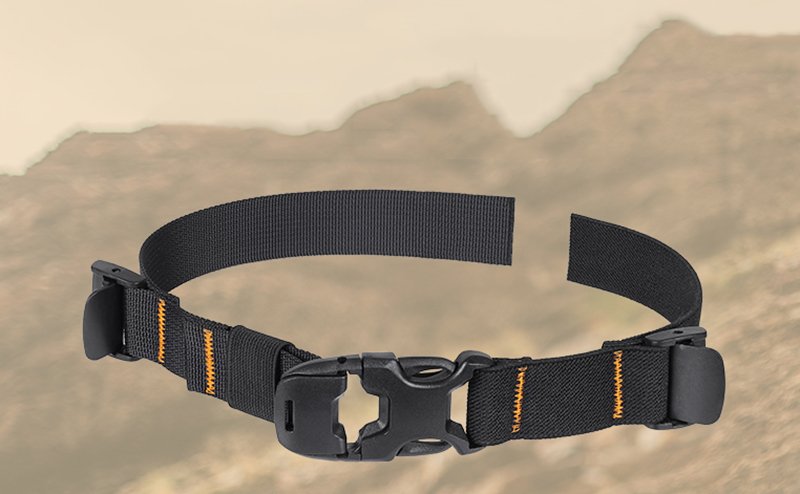
Top backpack straps combine high‑tenacity nylon or polyester webbing with closed‑cell foam or gel padding. Nylon offers elasticity and abrasion resistance; polyester excels in UV and moisture stability. Padding density and cover fabrics (mesh or brushed nylon) affect comfort, breathability, and durability.
Selecting strap materials is a balancing act among strength, weight, comfort, and longevity. Here’s how leading materials and padding solutions compare:
| Material | Tensile Strength | Stretch (%) | UV Stability | Moisture Wicking | Typical Use Case |
|---|---|---|---|---|---|
| Nylon (Cordura®) | 500–700 N per inch | 5–10 | Moderate | Low | Heavy‑duty, abrasion‑prone |
| Polyester (1200D) | 400–600 N per inch | 2–5 | High | Moderate | UV‑exposed, wet climates |
| Dyneema® Composite | 1,200 N per inch | <1 | High | Low | Ultralight, technical packs |
| Polypropylene | 200–300 N per inch | 8–12 | Low | Poor | Budget, floatation exigencies |
Webbing Substrates:
Padding Technology:
Cover Fabrics & Breathability:
Hybrid Constructions:
Many premium straps layer different pad densities—firmer foam near attachment points for structural support, softer foam on the shoulders for comfort. Composite layers balance load‑bearing needs and user comfort.
Choosing premium materials adds upfront cost but reduces long‑term warranty claims and boosts brand reputation. A recent field survey of 200 outdoor guides found that 68% experienced strap‑pad breakdown within two years on entry‑level packs, while none of the high‑end, custom‑webbing packs showed pad loss or seam failure under identical use conditions. For OEMs and private‑label brands, partnering with a specialist weaver like Szoneier ensures consistent material quality, batch traceability, and custom material blends tailored to your customer demographics.
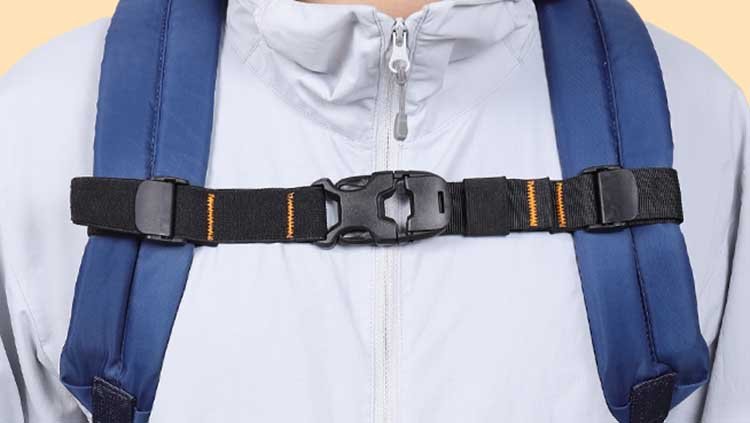
Strap geometry—width, contour, taper, and angle—determines how load force spreads across the shoulder and upper torso. Wider, S‑curved straps follow anatomy, reducing pressure points; tapered ends ease movement. Integrated load‑lifters and sternum straps fine‑tune balance for upright posture.
Ergonomic design isn’t a buzzword—it’s a science. Modern backpacks use biomechanical principles to prevent the infamous “shoulder bite” and spinal strain.
Strap Width & Taper:
Curvature & Contour:
Load‑Lifter Straps / Harness Angle:
Sternum Straps & Stabilizers:
Integration with Hip Belts:
While not part of the shoulder straps, the hip belt’s width and pad shape work in tandem with strap design. A broad, well‑padded hip belt takes up to 80% of the load, relieving the shoulders—allowing designers to lighten strap padding and focus on fit.
Some brands overemphasize gimmicks—magnetic sternum clips or ornamental padding—while skimping on core structural support. A high‑performance strap system starts with correct placement of attachment points and anatomical shaping. Testing with 3D body‑scanning and real‑world athlete feedback loops helps refine prototypes, ensuring the final design isn’t just pretty but functionally superior. By leveraging Szoneier’s customizable weaving and foam‑lamination capabilities, brands can iterate designs quickly and cater to niche markets—from ultralight trail runners to camera‑laden wildlife documentarians.
Key adjustment features include easily reachable buckles, adjustable load‑lifters, sliding sternum straps, and quick‑release stabilizer straps. High‑quality webbing cam buckles and low‑friction ladder locks enable fast, tool‑free changes on the go.
Adjustment mechanisms are where form meets function—poor hardware ruins a great strap, while intuitive buckles turn a frustrating fit session into a seamless experience.
Buckle Types & Materials:
Quick‑Release Mechanisms:
Length & Range of Adjustment:
Ease of Use & Ergonomics:
Wear & Reliability:
Feature bloat can backfire—multiple straps and buckles add complexity and weight. The optimal adjustment system offers fast, intuitive changes with minimal hardware. Working with Szoneier, brands can test various buckle‑webbing combinations, simulating thousands of open‑close cycles to identify the best match of grip, durability, and ease of use.
Activity‑specific straps vary by padding density, materials, and adjustment needs. Ultralight hikers favor minimal, Dyneema®‑based straps; day‑pack commuters seek breathable mesh and easy‑access buckles; mountaineers require reinforced nylon with load lifters and emergency quick‑release features.
No single strap style suits every pursuit. Here’s how to match strap specifications to user activities:
Urban Commuting & School:
Backpacking & Thru‑Hiking:
Technical Climbing & Mountaineering:
Photography & Field Work:
Water Sports & Kayaking:
Running & Trail‑Racing:
Activity‑based segmentation helps brands target niches precisely—but beware over‑fragmentation. Producing ten nearly identical strap variants for ten activities fragments inventory and confuses buyers. Instead, identify core user groups (e.g., daily commuters vs. expedition hikers) and design modular systems where base straps can be augmented with activity‑specific modules—like attachable gel pads or quick‑release buckles—manufactured on demand by Szoneier.

Yes—heavy‑load or technical backpacks require straps with higher tensile webbing, reinforced stitching, integrated load lifters, and emergency quick‑release features. Advanced options include high‑modulus fibers (Dyneema®), multi‑leg harness systems, and engineered pad layering for shock absorption.
When every kilogram counts—whether hauling film equipment, industrial tools, or rescue gear—standard straps fall short. Specialized strap systems address extreme demands:
High‑Modulus Fiber Webbing:
Reinforced Stitching Patterns:
Integrated Load‑Lifter Assemblies:
Emergency Release & Safety Add‑Ons:
Advanced Padding Architectures:
The shift toward specialized straps reflects a broader trend of gear convergence: industrial safety harnesses borrowing from athletic moguls, tactical rigs adopting ultralight sporting materials. Brands like Szoneier stand at this crossroads, offering customizable weaves that blend multiple fiber types and integrate advanced hardware to serve both military‑grade demands and ultralight trail‑running needs. Strategic R&D partnerships accelerate innovation cycles while maintaining strict ISO 9001 quality control.
Inspect straps regularly for fraying, pad compression, and hardware damage. Clean with mild detergent, air‑dry away from direct heat, and store flat in cool, dry conditions. Repair minor frays with heat sealing or professional restitching; replace any strap showing core exposure or lost capacity labeling.
Long‑term performance hinges on vigilant care—here’s a maintenance regimen that keeps straps safe and functional:
Routine Visual Inspections:
Cleaning Protocols:
DIY Repairs vs. Professional Service:
Retirement Criteria:
Storage Best Practices:
Maintenance often falls by the wayside in busy operations. Integrating RFID or QR‑code tagging—services Szoneier can embed during production—enables automated inspection reminders and digital service logs. Such traceability not only enhances safety but also streamlines warranty claims and lifecycle analytics, giving brands a data‑driven edge.
Backpack straps are far more than fabric loops—they’re precision‑engineered systems that dictate comfort, safety, and performance across every activity. From choosing the right material and ergonomic shape to selecting intuitive adjustment features and following rigorous maintenance protocols, every detail matters. Whether you’re designing a commuter pack, technical climbing rig, or ultralight daypack, partnering with an experienced webbing manufacturer ensures your straps meet user needs and stand up to real‑world demands.
Ready to elevate your backpack straps?
Contact Szoneier Webbing today for free design consultation, low‑MOQ custom orders, and fast sampling. Let us craft the perfect strap solution tailored to your brand’s specifications and your customers’ adventures.

 Optimized by Seraphinite Accelerator