
- (+86)13823134897
- info@szoneierwebbing.com
From Inquiry to Delivery
 Skip to content
 From Inquiry to Delivery
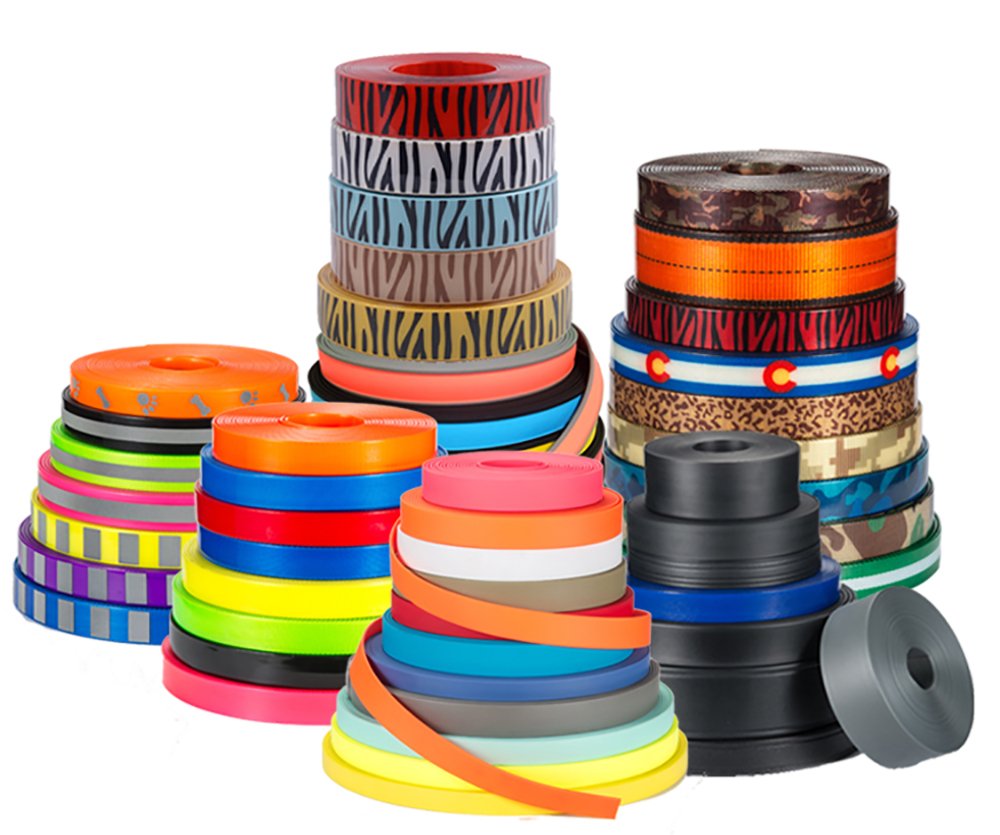
Whether you’re rigging up a custom backpack, crafting a dog leash, or securing cargo on your trailer, making your own webbing straps can be both empowering and cost-effective. To make webbing straps, you’ll pick a rugged material (like UV-stable polyester or elastic nylon), measure and cut to exact lengths, seal the edges to stop fraying, stitch on your buckles or D-rings with proven patterns, and finally test each strap’s strength against its Working Load Limit. Stick around—by the end you’ll know all the pro tips (and common pitfalls) so your DIY straps look sharp and perform like factory-made gear.
Webbing straps are flat woven bands used for load-bearing, hauling, and securing. The most common materials are polyester (5–10% stretch, UV-resistant), nylon (20–30% stretch, great shock absorption), and polypropylene (budget-friendly, water-resistant).
| Material | Stretch (%) | UV Resistance | Abrasion Rating (Cycles) | Typical WLL (lb) | Break Strength (lb) |
|---|---|---|---|---|---|
| Polyester | 5–10 | Excellent | 50,000+ | 1,000–5,000 | 3,000–15,000 |
| Nylon | 20–30 | Fair | 40,000 | 1,500–6,000 | 4,500–18,000 |
| Polypropylene | 3–8 | Poor | 20,000 | 250–1,200 | 750–3,600 |
Match the material’s Working Load Limit (WLL) to your expected load plus a safety margin. Factor in environment—polyester for sun, nylon for shock loads, polypropylene for moisture—and choose stretch vs. rigidity based on whether you need give or firm hold.
| Factor | Polyester | Nylon | Polypropylene |
|---|---|---|---|
| UV Exposure | ✔ Excellent | ⚠ Fair (degrades) | ✖ Poor |
| Moisture | ✔ Good | ✔ Good | ✔ Excellent |
| Chemical Mills | ✔ Many options | ✔ Many options | ⚠ Limited |
You’ll need a hot-knife or heated blade for clean cuts, a heat sealer or torch for edge sealing, an industrial zigzag or bar-tack sewing machine to stitch hardware, plus measurement tools (steel tape, chalk).
| Machine Type | Stitch Styles | Max Fabric Thickness | Ideal For |
|---|---|---|---|
| Industrial Zigzag | Zigzag, straight | Up to 3 layers webbing | General strap sewing |
| Bar-Tack | Bar-tack only | Single point reinforcement | High-stress points |
Measure twice, cut once using a hot-knife, then immediately seal each end with a heat sealer or flame to fuse fibers. Accurate prep prevents frays and ensures consistent length across batches.
| Method | Speed | Edge Quality | Safety Level |
|---|---|---|---|
| Hot-Knife | Fast | Smooth, sealed | Medium (blade) |
| Heated Blade | Medium | Good, manual seal | High (burn risk) |
Loop webbing through hardware, fold back 2″, then sew a Box-X or bar-tack at least 1″ wide. Always back-tack and use polyester thread rated ≥ bonded breaking strength of your WLL.
| Pattern | Width | Stitches/Inch | Approx. Strength Retention* |
|---|---|---|---|
| Box-X | 1″ | 8–10 | 90–95% |
| Bar-Tack | 0.5″ | 20–25 | 85–90% |
Pick corrosion-resistant buckles and hooks (stainless steel, zinc-plated), coat metal parts (powder coat or anodize), and finish edges with binding tape or heat-shrink tubing to guard against wear and weather.
| Fitting Type | Material | Corrosion Rating | Use Case |
|---|---|---|---|
| Slide-Adjuster | Zinc-plated | Mild | Adjustable webbing loops |
| Quick-Release Buckle | Acetal plastic | Excellent (no rust) | Low-tension straps |
| Snap Hooks | Stainless steel | Excellent | Marine, high moisture |
| Flat Hooks | Alloy steel | Fair | Trailer anchor points |
Every batch should undergo tensile tests (≥ 3× WLL), UV aging in a test chamber, and abrasion cycling. Finish with a visual inspection—no frays, uniform stitches, and securely fused ends.
| Test Type | Standard | Duration | Failure Indicator |
|---|---|---|---|
| UV Chamber | ASTM G154 | 500 h (~6 weeks) | Color fade, fiber break |
| Abrasion Drum | ISO 12947-2 | 10,000 cycles | Webbing wear >1 mm |
There you have it—your full roadmap to how to make webbing straps that look pro and perform under pressure. From choosing the right material and weaving tools to stitching patterns and laboratory-grade testing, you now know how every detail plays a role.
Ready to elevate your custom webbing solutions? Contact Szoneier for free design, complimentary samples, and flexible OEM/ODM manufacturing. We’ve helped small overseas buyers and high-end brands alike build straps that last. Let’s bring your idea to life—drop us a line today!
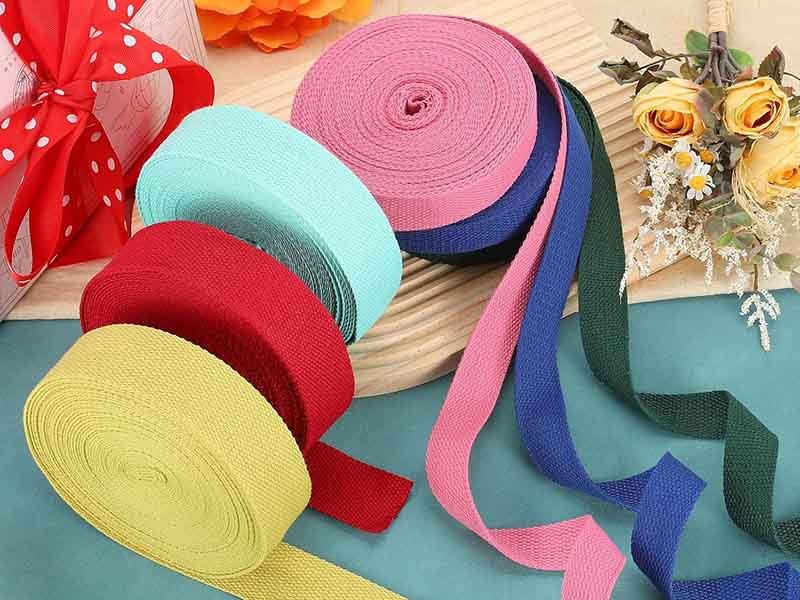

No worries, please contact us and we will answer all the questions you have during the whole process of webbing customization.
If you have your own artwork, logo design files, or just an idea,please provide details about your project requirements, including preferred fabric, color, and customization options,we’re excited to assist you in bringing your bespoke bag designs to life through our sample production process.

Copyright ©2021 Szoneier , All rights reserved.
Looking for premium custom webbing? Contact us now for competitive pricing, free samples, and expert consultation. Fill out the form below, and our team will get back to you within 24 hours!
 Optimized by Seraphinite Accelerator