Releasing tie-down straps may seem straightforward, but a moment’s haste can turn a routine task into a safety hazard. Whether you’re unloading a motorcycle from a trailer or securing cargo for long-haul transport, understanding the right way to let straps loose protects both people and property. In this guide, we’ll answer the core question—how to release tie-down straps—and dive into essential safety checks, inspection routines, and step-by-step procedures for different strap styles.
To release tie-down straps safely, first perform visual and tactile checks for tension and damage. For ratchet straps, disengage the ratchet handle by pulling the release catch and fully opening the jaws. For cam-buckles and hooks, lift the cam lever or unhook the end, then gently let the strap feed out under control. Always stand clear of potential snap-back zones.
By mastering proper release techniques, you not only avoid accidents—like straps whipping back under tension—but also extend the life of your webbing. Imagine this: a driver in Iowa reached to pull a ratchet strap without disengaging the catch—snap! The strap recoiled, dinging his truck and cutting into his workday. In our following sections, we’ll equip you with the know-how to prevent that snap-back story from ever happening to you.
Why Is Correct Strap Release Crucial for Safety?
Correct strap release prevents uncontrolled recoil, reduces risk of injury from snapped webbing, and protects cargo integrity by ensuring tension is released evenly and predictably.
Uncontrolled Recoil Hazards
When a loaded strap is suddenly released without proper technique, the stored energy in the tensioned webbing can cause it to whip back with surprising force. Such recoil can inflict lacerations, bruises, or even eye injuries if the strap snaps against skin or face. A 2019 safety survey of transport professionals found that 22% of loading-dock incidents involved improperly released straps, leading to days lost to injury.
Cargo Damage and Load Shift
Imagine releasing a strap on a pallet of glassware too quickly: as the strap slackens, the load can shift or topple, resulting in shattered goods and costly downtime. Proper release ensures gradual decompression, keeping cargo stable until fully unloaded.
Equipment Wear and Tear
Abrupt tension release stresses both the strap fibers and ratchet mechanisms. Over time, this can weaken webbing strength by up to 15% and reduce ratchet longevity by 20%, according to manufacturer fatigue testing. Smooth release techniques help preserve strap integrity, yielding better performance and longer service life.
Legal and Compliance Considerations
In many jurisdictions, OSHA and DOT regulations require secure load handling and equipment maintenance. Releasing straps correctly is part of compliance—failure could lead to fines, insurance claims, or liability in case of injury.
Creating a Safety Culture
Emphasizing correct release procedures fosters a broader safety mindset. Regular training and clear protocols ensure teams treat every strap operation—release or tensioning—with the same care, reducing overall incident rates.
What Pre-Release Safety Checks Should You Perform?
Before release, confirm that no one stands in line with the strap’s path, check for handholds or pinch points, ensure cargo is secured from shifting, and wear appropriate PPE (gloves, eye protection).
Area Assessment
Clear the “Snap-Back” Zone: Mark or verbally warn anyone within a 6-foot radius where a strap could recoil.
Grounding and Footing: Confirm you have stable footing; slippery or uneven surfaces raise the risk of falls while managing high-tension straps.
Personal Protective Equipment (PPE)
Gloves: Protect hands from abrasion or burns when handling frayed or tensioned webbing.
Eye Protection: Safety glasses guard against loose fibers or dirt that may fling during release.
Cargo Restraint Confirmation
Checkpoint
Why It Matters
Secondary Blocks or Wedges In Place
Prevents load shift when primary strap slackens
Destination Equipment Ready
Allows immediate unloading without lingering
Ratchet Handles Accessible
Ensures unobstructed lever movement
Equipment Inspection
Release Mechanism Function: Test the ratchet catch or cam lever unlatch with minimal load.
Visibility of Strap End: Ensure the loose end isn’t trapped under cargo or entangled in hardware.
Communication
Team Coordination: If multiple people are involved, establish clear commands like “Releasing Now” and “Slack Out” to synchronize actions.
Stop Work Authority: Empower any team member to halt the release if an unsafe condition arises.
How Do You Inspect Tie-Down Straps for Wear and Damage?
Inspect straps by checking for cuts, fraying, UV degradation (discoloration), compromised stitching, and corrosion on hardware. Replace any strap failing these checks before reuse.
Visual Inspection Steps
Webbing Surface: Look for snags, frays, or core yarn exposure. Even minor cuts can reduce tensile strength by 30–40%.
Color Changes: Faded or chalky webbing often indicates UV damage—fibers become brittle and prone to breakage.
Stitching Integrity: The reinforced areas near hooks and ratchets bear the highest load. Any loose or missing stitches here mandate immediate replacement.
Tactile Checks
Feel for Thin Spots: Run your hands along the strap; areas that feel thinner than surrounding webbing signal internal fiber wear.
Hardware Joints: Wiggle buckles and hooks to spot looseness or unusual play that hints at metal fatigue or weld cracks.
Functional Testing
Load-Free Release: With minimal tension, cycle the ratchet or cam lever. A smooth action without sticking confirms proper function.
Load Bearing Test: Under a moderate tension (e.g., 25% of working load limit), listen for unusual creaks or clicks in the ratchet gears.
Documentation & Lifecycle Tracking
Label Checks: Many straps carry rated WLL (working load limit) and manufacturing dates. Log usage hours—industrial guidelines suggest retirement after 1,000 hours under heavy use.
Replacement Records: Keep a maintenance log. Data shows that fleets using electronic tracking of strap age cut failure incidents by 45%.
Environmental Considerations
Chemical Exposure: Straps used in oil, solvent, or acid environments can suffer fiber breakdown. Rinse and inspect thoroughly after exposure.
Temperature Extremes: Frozen or overheated webbing may lose elasticity; signs of cracking require immediate attention.
How Do You Release Ratchet-Style Tie-Down Straps Step by Step?
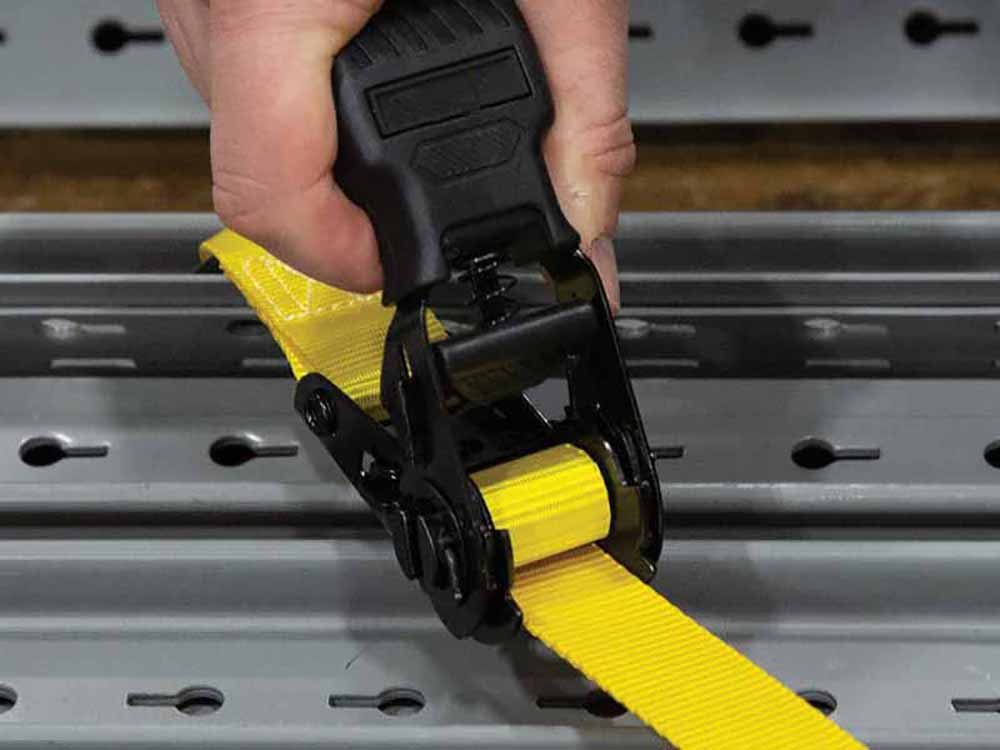
To release a ratchet strap: 1) Pull and hold the release catch. 2) Fully open the ratchet handle until it lies flat. 3) Feed webbing through the mandrel, controlling slack. 4) Store strap and ratchet in a dry place.
Understanding the Ratchet Mechanism
Ratchet straps use a gear and pawl system to lock tension. The central handle engages the pawl; a small release catch on the opposite side disengages it. Recognizing these components prevents forcing the handle and damaging the mechanism.
Step-By-Step Procedure
Stand Clear: Position yourself off to the side of the load, not directly in front of the strap path.
Grip the Release Catch: Locate the small lever or button near the ratchet’s axle. Pull it firmly—this disengages the pawl from the gear teeth.
Open the Handle Fully: While holding the release, swing the handle all the way open until it lays flush against the base. This alignment frees the webbing.
Ease Out the Webbing: With one hand pulling webbing through the mandrel and the other controlling excess strap, let out tension slowly.
Remove Hardware from Anchor Points: Once slack, unhook or unbuckle ends from anchor points without cutting loose.
Inspect and Coil: Examine both ratchet and strap for wear; coil the strap neatly to prevent kinks and store the ratchet with the handle closed.
Common Pitfalls to Avoid
Forcing the Handle: If the catch doesn’t budge, do not hammer or pry; check for debris or corrosion.
Letting Webbing Slip Uncontrolled: Always maintain slight tension on the free end to avoid sudden spool-out.
Safety Tips
Glove Use: Thick, grip-enhancing gloves improve control when feeding webbing.
Buddy System for Heavy Loads: With very high-tension straps, a second person can guide the free end, reducing the chance of entanglement.
Maintenance After Release
Lubricate Moving Parts: A drop of machine oil on the ratchet axle keeps operation smooth.
Store Indoors: Ratchets exposed to rain can develop rust, seizing the release catch.
How Do You Release Cam-Buckle and Hook-Style Tie-Down Straps?
For cam-buckle straps, lift the cam lever fully, then pull webbing back through the buckle under control. For hook-style, unhook from the anchor, then slip the strap out, guiding slack to avoid snap-back.
Cam-Buckle Mechanism Basics
Cam buckles rely on a spring-loaded lever pressing the webbing against a tooth plate. Depressing the lever lifts the plate, freeing the strap. Unlike ratchets, cam buckles are best for light to medium loads (<500 lbs WLL).
Step-By-Step Cam-Buckle Release
Access the Lever: Clear any cargo covering the buckle.
Depress the Cam: Push the top of the cam lever to lift teeth off the webbing.
Pull Webbing Through: With the lever held, feed webbing back through the slot at a controlled rate.
Release Lever Carefully: Let go of the lever once slack is out; avoid sudden snaps.
Hook-Style Strap Release
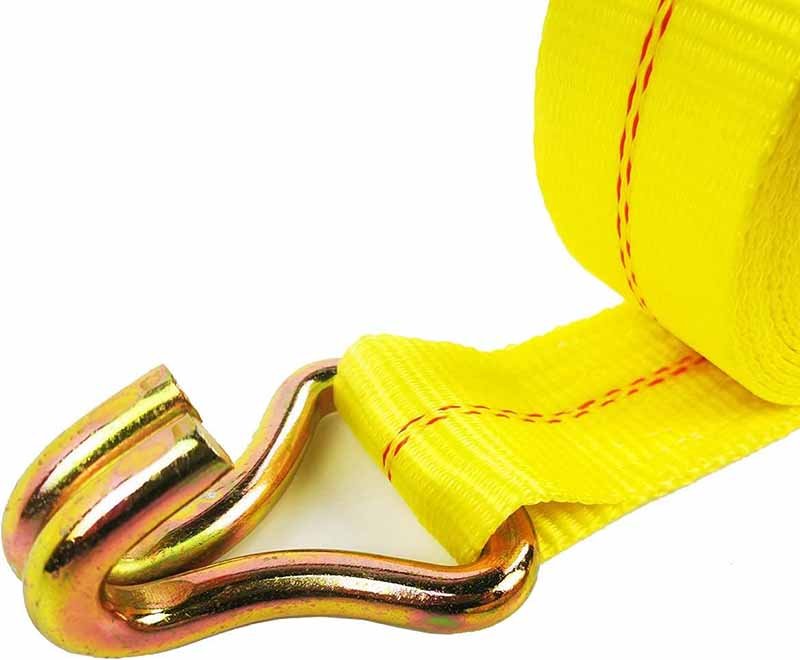
Unhook Ends: Remove hooks from anchor points—ensure hooks are pointed away from people.
Control the Webbing: Grip the strap near the hook and pull back through any guide or fitting.
Guide Slack Safely: Fold or coil webbing as slack appears; never let it fall uncontrolled.
Differences vs. Ratchet Straps
Speed: Cam-buckle straps release in one motion—ideal for quick load changes.
Load Capacity: Ratchets excel over 1,000 lbs WLL, while cam buckles are limited.
Maintenance: Cam buckles have fewer moving parts but springs can weaken over time.
Real-World Tips
Avoid Overloading: Exceeding the cam buckle’s rating can deform the teeth, hindering release.
Use Compatible Hooks: Replace bent or corroded hooks immediately to prevent accidental unhooking.
How Strap Material & Design Affects Ease of Release (Wet or Frozen Straps?)
Strap materials like polypropylene shed water more readily than cotton, easing release when wet. Textured weaves and smooth coatings help frozen or ice-clogged straps uncoil more easily.
Material Characteristics
Polypropylene (PP): Naturally hydrophobic, PP webbing resists water absorption (<1% by weight), so wet PP straps remain flexible.
Cotton: Absorbs up to 15% water, swelling fibers stiffen and increase friction—wet cotton takes more force to feed through buckles.
Nylon: Absorbs between 4% and 8% water, balancing between PP and cotton in wet environments.
Weave Patterns and Coatings
Plain vs. Twill Weaves: Twill weaves create diagonal ridges that can catch on buckle teeth, whereas plain weaves slide more smoothly.
Polyurethane (PU) Coatings: Often applied to marine-grade straps, PU adds a slick surface, reducing drag when releasing.
Cold-Weather Performance
Freezing Risks: Water trapped in fibers or hardware crevices can freeze, jamming buckles or stiffening webbing. Ice crystals expand by ~9% in water phase change, wedging moving parts.
Design Solutions: Straps with drainage holes in metal fittings or spring-loaded cams shielded from moisture perform better. One study found that winterized straps with coated springs had a 70% higher release success rate at –10 °F.
Maintenance Implications
Drying Protocols: After exposure, hang straps flat in warm, low-humidity areas. Avoid direct heat sources which may degrade synthetic fibers.
Anti-Ice Treatments: A light spray of silicone-based lubricant on metal components repels moisture and curbs freezing.
Selecting the Right Strap
Application
Recommended Material
Design Feature
Marine & Boating
PP with PU coating
Sealed springs, drainage slots
Cold-Climate Hauling
Nylon
Smooth plain weave, winterized
Indoor Dry Storage
Cotton
Natural fiber finish
Which Common Mistakes Should You Avoid When Letting Straps Loose?
Avoid pulling straps at awkward angles, forcing locked mechanisms, neglecting to clear the release zone, and ignoring early signs of hardware wear or corrosion.
Forcing the Mechanism
What Happens: Applying excessive leverage to open a stuck ratchet can bend pawls or shear springs.
Safe Alternative: Inspect for debris, apply penetrating lubricant, then gently work the handle.
Pulling at Extreme Angles
Risk: Angled pulls can wedge webbing in the ratchet mandrel or buckle slot, making release jerky and unpredictable.
Best Practice: Align strap straight into the mandrel or cam slot; if misaligned, realign before applying release force.
Ignoring Snap-Back Zones
Consequence: Bystanders can be struck, leading to liability.
Prevention: Always clear the area and use verbal warnings before release.
Neglecting Hardware Maintenance
Early Warning Signs: Rust spots, stiff springs, or sticky buckles often precede full failure.
Solution: Incorporate monthly visual and operational checks into your maintenance schedule.
Skipping Training and Documentation
Impact: Inconsistent techniques across teams lead to variable safety performance.
Recommendation: Develop a standard operating procedure (SOP), train new personnel, and post illustrated quick-reference guides in loading areas.
How Do You Clean, Maintain, and Store Straps After Release?
After release, wipe webbing down with mild soap and water, inspect for damage, apply a light silicone spray to metal parts, coil straps neatly, and store indoors away from sunlight and moisture.
Cleaning Procedures
Webbing Wash: Use a soft brush, warm water, and mild detergent to scrub away dirt and oils. Rinse thoroughly to remove soap residue, which can attract grime.
Hardware Care: Wipe metal components with a clean cloth; if saltwater corrosion is present, soak fittings briefly in fresh water, then dry completely.
Drying Best Practices
Air-Dry Only: Hang straps in a shaded, well-ventilated area. Avoid direct sunlight which can accelerate UV degradation.
Flat vs. Rolled Drying: For cotton straps, lay flat to prevent creases; synthetics tolerate rolling.
Lubrication and Corrosion Prevention
Silicone Spray: A light coat on ratchet gears and cam springs repels moisture and ensures smooth operation. Wipe off excess to avoid attracting dust.
Avoid Petroleum Oils: These can degrade synthetic fibers over time.
Storage Solutions
Coiling Techniques: Wrap webbing in loose figure-eight coils to prevent twists and kinks.
Container Options: Use breathable fabric bags or slotted racks; airtight plastic bins trap moisture and encourage mildew.
Regular Maintenance Schedule
Task
Frequency
Responsible Party
Visual & Tactile Inspection
Before each use
Operator
Deep Cleaning
Monthly
Maintenance Team
Lubrication
Quarterly
Safety Supervisor
Replacement Logging
Ongoing
Inventory Controller
Extending Strap Lifespan
Rotate Stock: Use older straps first to avoid long-term storage issues.
Retirement Guidelines: Discard straps with >10% tensile loss, visible core exposure, or damaged hardware.
Conclusion
Mastering the art of releasing tie-down straps not only safeguards your team and cargo but also maximizes the longevity and reliability of your webbing. From pre-release safety checks and damage inspections to step-by-step procedures for ratchet, cam-buckle, and hook-style straps, you now have a comprehensive toolkit to work efficiently and—most importantly—safely.
If you’re seeking custom webbing solutions—whether it’s nylon, polyester, PP, cotton, or specialized patterned straps—for your specific industry needs, Szoneier is ready to partner with you. With over 18 years of R&D and manufacturing excellence, we offer tailored low-MOQ customization, fast sampling, free design consultations, and 100% quality assurance.
Contact Szoneier today to discuss your project requirements and get a quote for premium, custom-engineered tie-down straps and webbing solutions.
If you have your own artwork, logo design files, or just an idea,please provide details about your project requirements, including preferred fabric, color, and customization options,we’re excited to assist you in bringing your bespoke bag designs to life through our sample production process.
Looking for premium custom webbing? Contact us now for competitive pricing, free samples, and expert consultation. Fill out the form below, and our team will get back to you within 24 hours!
 Skip to content


 Optimized by Seraphinite Accelerator